


Step-by-Step Guide to Applications and Visas for a Year Abroad in Europe
Maxwell Adams | January 28, 2026 | Admin & Applications
Feeling overwhelmed by the admin side of going abroad? Don’t worry — once you know what to expect, it’s much easier than it seems.
When you imagine your year abroad, you probably think of new cities, new friends, and unforgettable experiences. But before all that comes the slightly less exciting part — applications and visas.
Whether you’re going abroad to study, intern, or work, there’s a bit of paperwork involved. The good news is that once you understand the process, it’s completely manageable. Here’s a clear, step-by-step guide to help you get organised and ready for your European adventure.
Step 1 – Choose Your Destination and Programme or Placement
The first big decision is where and what you want to do.
If you’re a student, research universities or partner institutions that fit your course. Many European universities offer English-taught modules or full programmes, so don’t worry if you’re not fluent in another language.
If you’re going for a work placement or internship, start by exploring opportunities through your university, placement agencies, or directly with companies. Think about what kind of role you want and which countries offer the experience you’re looking for.
Consider practical things too, like cost of living, travel opportunities, and language requirements. A bit of research now will save you time later when you start your applications.
Don’t forget to check out our destination guides to help you with your decision making!
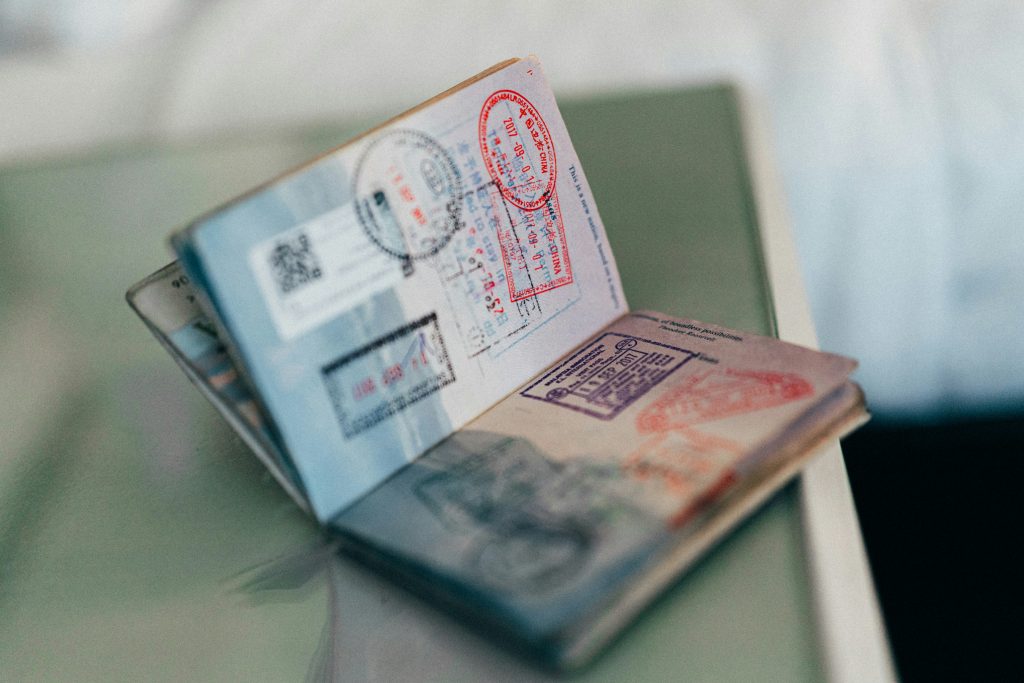
Step 2 – Get Your Paperwork and Applications Ready
Once you know where you want to go, it’s time to start preparing your application materials. Whether you’re heading abroad to study or to work, the process follows the same basic principles: get organised early, keep things simple, and make sure you’ve got the right documents ready.
If you’re studying abroad:
You’ll usually need:
- Academic transcripts or grade reports
- A motivation letter or personal statement
- Proof of language ability (like IELTS or TOEFL if required)
- Reference letters from tutors
Some universities have online application portals, while others work through your home university’s international office. Check how your chosen destination handles applications and what deadlines apply — they can vary widely between countries.
If you’re doing a work placement or internship:
You might apply through your home university, directly to a company, or via an external provider. You’ll usually need:
- A CV and cover letter
- Confirmation of your placement or contract
- Proof of insurance or funding if required
For everyone:
Don’t panic if it feels like a lot at first — once you’ve gathered your main documents, the rest of the process falls into place.
Keep both digital and printed copies of important documents like your passport, offers, and confirmations.
Double-check deadlines and allow plenty of time for processing.
Step 3 – Wait for Your Offer (and Accept It)
After submitting your application, there’s often a waiting period while your university or host organisation reviews everything.
It can take a few weeks, so try not to stress. Once you receive an offer or confirmation, follow any next steps carefully. This might include paying a deposit, signing an agreement, or requesting official letters that you’ll need later for your visa.
Celebrate this stage — it means your year abroad is officially happening!
Step 4 – Apply for Your Visa
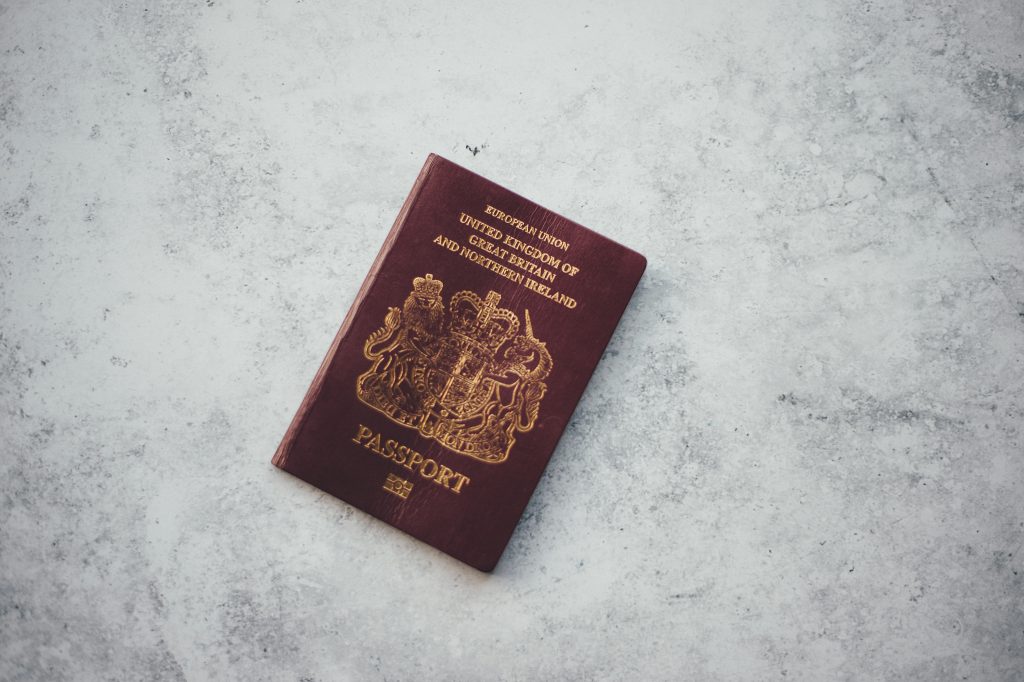
For most UK students and graduates, studying or working in Europe now requires a visa. Each country has its own process, but the general idea is the same: you’ll need to prove you’re accepted by an institution or employer and that you can support yourself financially while abroad.
Most European visas require:
- A valid passport
- Proof of acceptance or placement
- Proof of sufficient funds or scholarship
- Health insurance
- Passport-sized photos
- A visa application form and payment of the fee
Always check the official embassy or consulate website of your destination for the latest requirements. These can change, and each country may ask for slightly different documents.
Apply as early as possible — ideally two to three months before your departure — to allow for any processing delays.

Step 5 – Sort Out Health Insurance and Residence Permits
Health insurance is a key part of most visa applications, and it’s something you’ll definitely want to have while abroad.
If you’re studying or working in Europe, check if your GHIC card (Global Health Insurance Card) covers you in your host country. Some destinations require extra coverage, so make sure you read the details.
In some countries, you’ll also need to register for a residence permit after you arrive. Your host university or employer can usually guide you through this.
Step 6 – Plan for Arrival
Once your visa is approved, it’s time to focus on the fun stuff — getting ready to go!
Here are a few things to sort before you travel:
- Make copies of important documents and keep them in separate places.
- Save digital versions on your phone or email.
- Plan your route from the airport or train station to your accommodation.
- Find out if you need to register with local authorities once you arrive.
- Look out for orientation sessions or induction events — they’re a great way to meet other international students or interns.
This is also a good moment to check you’ve got enough time left on your passport, confirm travel insurance, and start a packing list.
Common Mistakes to Avoid
Here are a few things that often trip people up:
- Leaving applications or visas too late
- Forgetting to check country-specific requirements
- Submitting documents with errors or missing information
- Not budgeting for visa or insurance fees
- Ignoring emails from your host university or placement provider
None of these are disasters, but being organised early makes everything much smoother.
Conclusion – Take It One Step at a Time
Applications and visas might feel like a lot at first, but they’re just part of the journey. If you stay organised and take it step by step, it’s completely manageable.
Once the paperwork is behind you, you can focus on what really matters — exploring your new home, meeting people from around the world, and making the most of your year abroad.
So take a breath, get your checklist ready, and start ticking things off. You’ve got this.
Ready for step 1? Check out our destination guides and decide where you want to go!
CATEGORIES
MORE FROM THE BLOG
-
Cultural Etiquette 101: Do’s and Don’ts Around Europe
February 12, 2026 | Myths, Worries & Reality Checks
-
Budgeting 101 for Your Year Abroad – Scholarships, Grants and Saving Tips
January 28, 2026 | Myths, Worries & Reality Checks
-
Do I Need to Speak the Language? – Year Abroad in Europe for English Speakers
January 28, 2026 | Myths, Worries & Reality Checks
-
How to Choose the Perfect Year Abroad Destination
January 21, 2026 | Preparing for Your Year Abroad
DISCOVER BY YEAR
Related posts
Explore more stories from the blog

How to Choose the Perfect Year Abroad Destination
Feeling overwhelmed by the idea of choosing your year abroad destination? Take a deep breath - this is the exciting part!

Cultural Etiquette 101: Do’s and Don’ts Around Europe
Feeling overwhelmed by the idea of choosing your year abroad destination? Take a deep breath - this is the exciting part!

Do I Need to Speak the Language? – Year Abroad in Europe for English Speakers
Worried about going abroad without knowing another language? Don’t panic – you’re definitely not alone.

Budgeting 101 for Your Year Abroad – Scholarships, Grants and Saving Tips
Worried about how to afford your year abroad? Don’t stress. With a little planning and the right support, it’s completely doable.