


Wroclaw (Poland)
Destination Overview
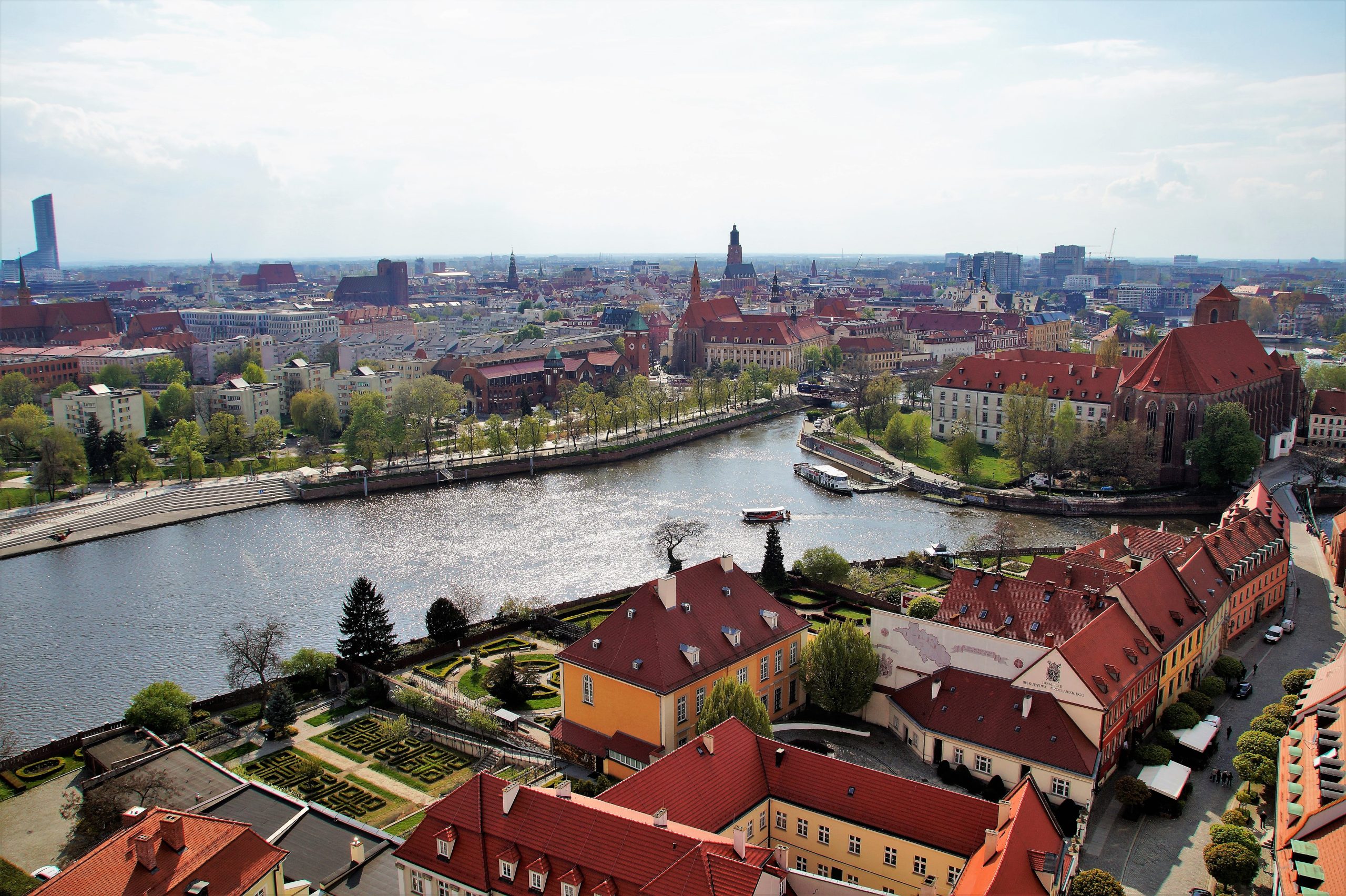
Wrocław, in western Poland, is one of the country’s most beautiful and student-friendly cities. Known as the “Venice of Poland” for its 100+ bridges and islands along the Oder River, it has a lively student atmosphere supported by the University of Wrocław, Wrocław University of Science and Technology, and several other institutions. Affordable living, a strong cultural scene, and a charming Old Town make it a popular choice for both Polish and international students.
Quick Facts, Wroclaw

Climate
Wrocław has cold winters with occasional snow and warm summers. Spring and early autumn are the most comfortable times of year, with mild temperatures and plenty of sunshine.

Cost of Living
Living costs are low compared to Western Europe. Shared flats typically cost €250–€400, with groceries and eating out remaining very affordable for students.

Lifestyle
Wrocław offers a relaxed, student-centred lifestyle with lots of green spaces, riverside hangouts, and walkable neighbourhoods. Social life is centred around cafés, bars, and outdoor spaces.

Vibe
The city blends historic beauty with a youthful, creative energy. With a large student population, Wrocław feels lively, friendly, and easy to settle into.

Safety
Wrocław is considered very safe, with low levels of violent crime. Student areas and public transport are generally safe even at night, with basic precautions advised.

Transport
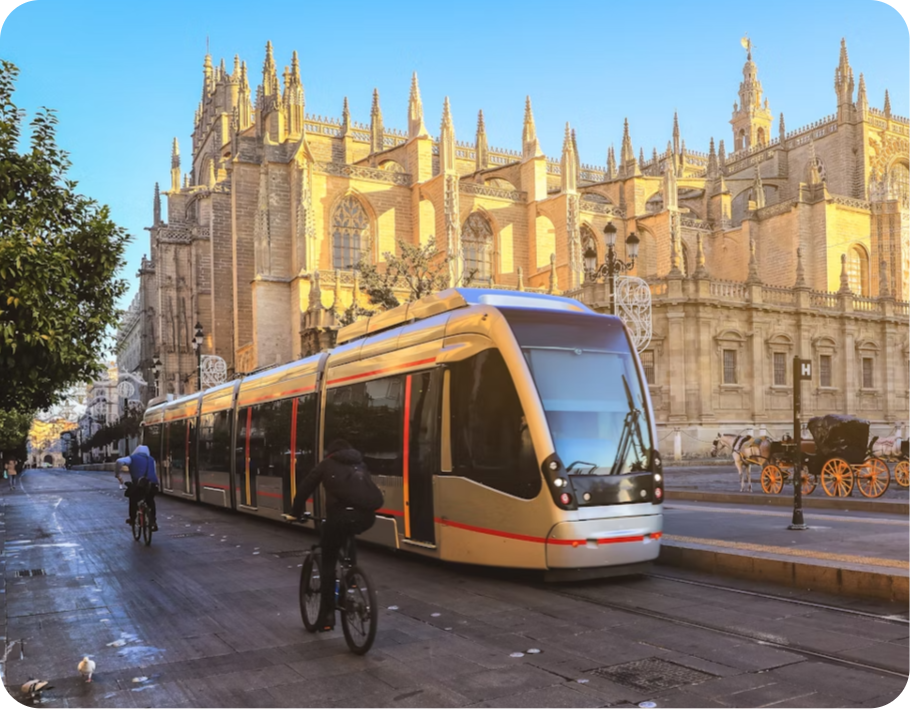
The city has an excellent tram and bus network, making it easy to get around without a car. Cycling is increasingly popular, and regional travel connections are straightforward.
Areas & Neighbourhoods
1. Stare Miasto (Old Town)
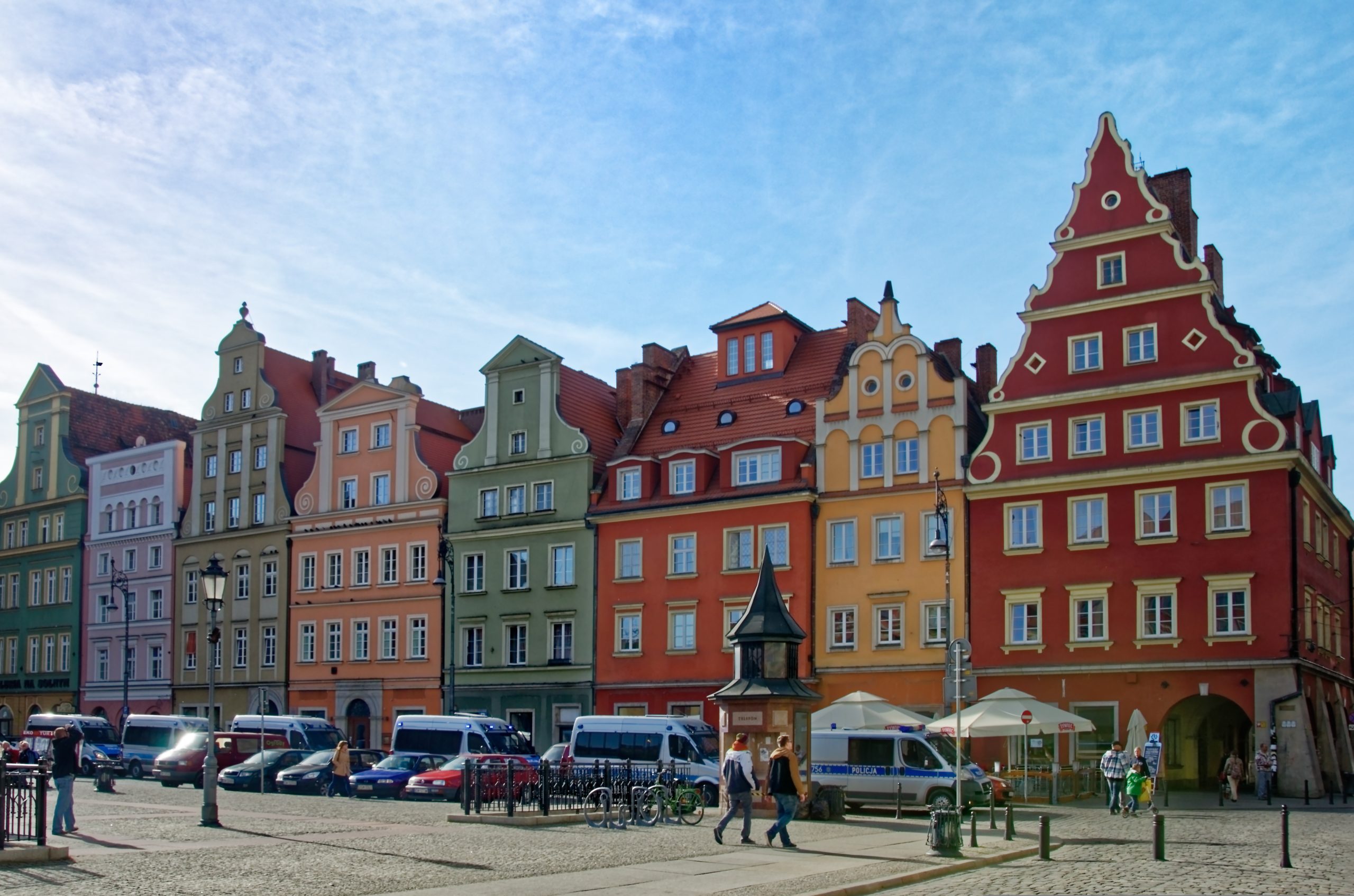
▲Historic centre built around the colourful Rynek (market square), packed with cafés, bars, and nightlife. Very popular with students thanks to its central location and energy, though slightly more expensive and tourist-heavy.
2. Śródmieście
▼3. Grunwald (Plac Grunwaldzki)
▼4. Krzyki
▼5. Nadodrze
▼6. Ołbin
▼7. Psie Pole
▼Transport
Within Wroclaw

Buses

Trams

Bikes / Scooters
Domestic & International

Bus

Airport

Train
Culture & Lifestyle
Cost of Living: Very affordable. Shared flats €250–€400/month, studios €500–€700. Meals €6–9, coffee €2–3, beer €2–3. Weekly groceries €25–40.
Climate: Continental, with cold winters (–5 to 2°C) and warm summers (22–28°C).
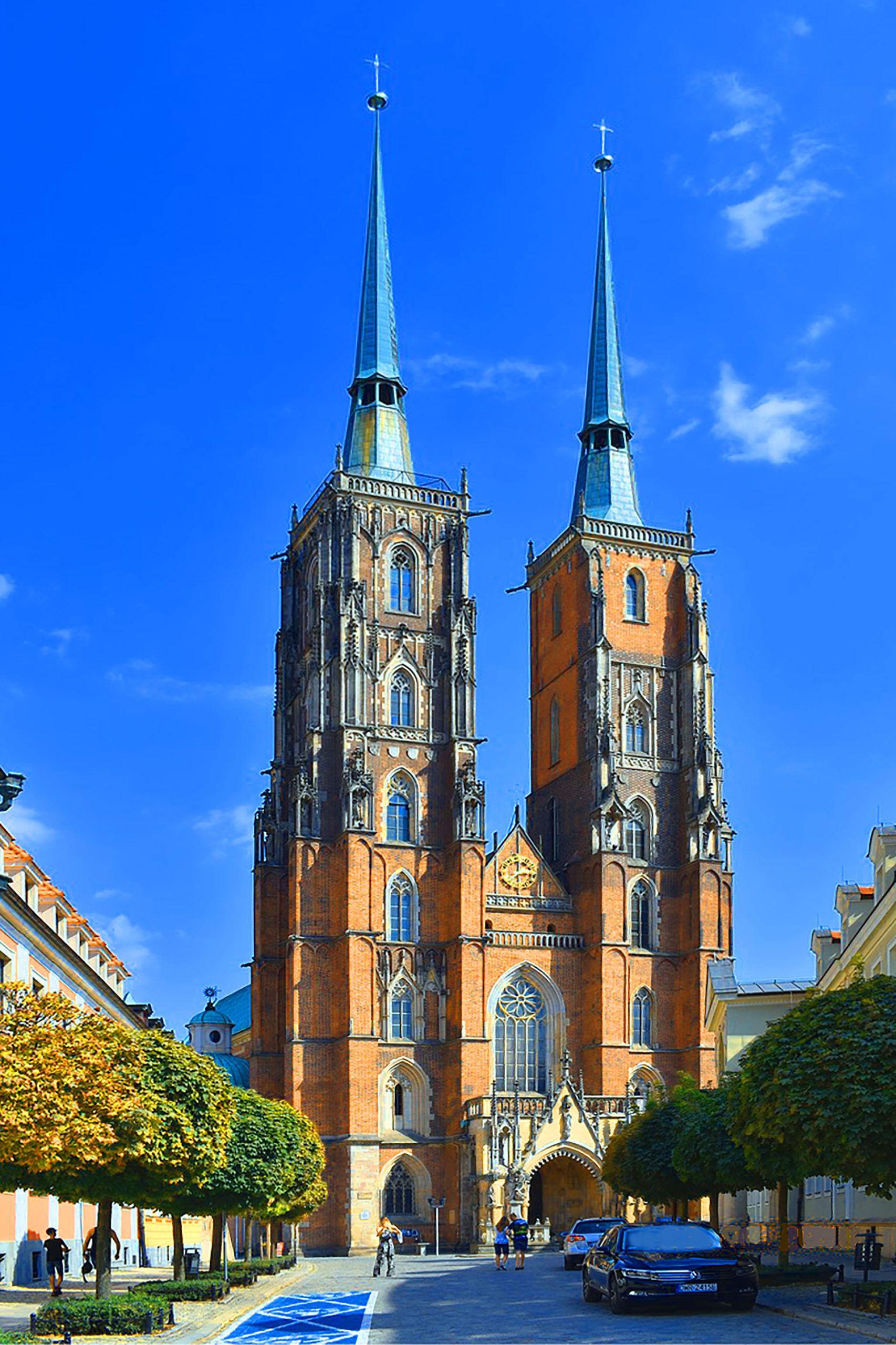
Culture: A mix of Gothic, Baroque, and modern architecture. Famous for its dwarf statues scattered across the city and a busy calendar of festivals, including New Horizons Film Festival and Jazz on the Odra.
Social & Nightlife: Student nightlife is strongest in the Old Town, Śródmieście, and Pasaż Niepolda. Affordable bars, clubs, live music, and riverside “beach bars” are especially popular in summer.
Lifestyle: Student-driven, walkable, and relaxed, with plenty of green spaces and riverside hangouts. Traditional milk bars (bar mleczny) provide very cheap Polish meals.
Inclusivity & Safety
LGBTQ+ Community
More conservative than Western Europe, but visibility is growing. The city hosts an annual Equality March, and a small number of LGBTQ+ friendly venues exist.

Top Attractions & Local Experiences
Must-Sees
- Market Square (Rynek) – Colourful historic heart of the city
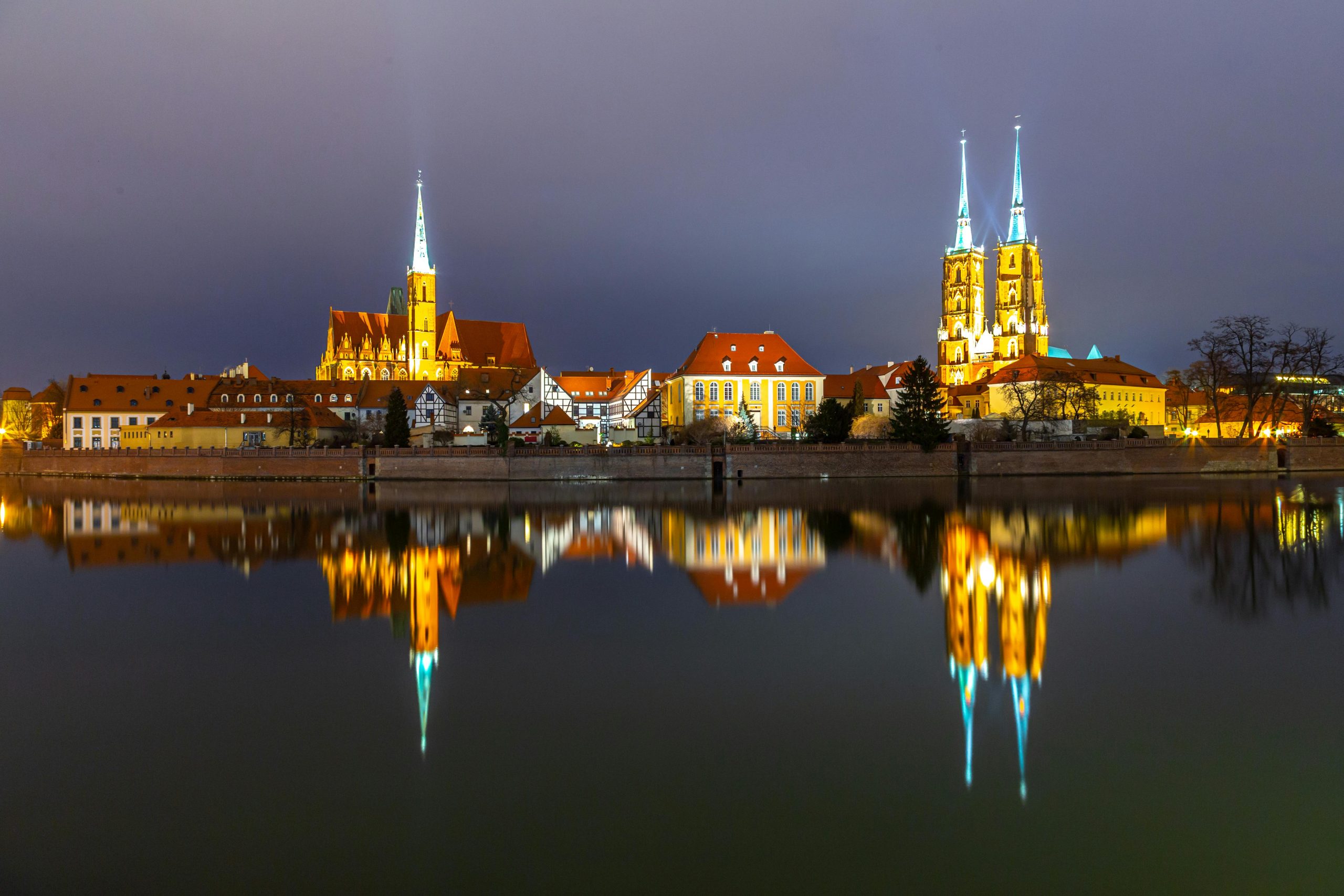
- Ostrów Tumski – Oldest district with a Gothic cathedral
- Centennial Hall – UNESCO-listed modernist landmark
- Wrocław University – Baroque architecture and Aula Leopoldina
- Panorama of the Battle of Racławice – Immersive historical painting
- Szczytnicki Park & Japanese Garden – Large green spaces
- Hydropolis – Interactive water museum
- Zoo Wrocław & Afrykarium – Historic zoo with a world-class oceanarium
- Sky Tower – Panoramic views from Poland’s tallest building
Local Gems
- Wrocław dwarfs (krasnale) – Over 600 quirky statues across the city
- Nadodrze street art and cafés – Creative, alternative atmosphere
- Neon Side Gallery – Outdoor neon art display
- Wyspa Słodowa – Student-favourite island for socialising and events
- Hala Targowa – Traditional indoor food market
- Pasaż Niepolda – Concentrated nightlife street
- Odra River cruises – Scenic boat trips through the city
- Four Denominations District – Unique symbol of religious coexistence
Pre-departure Essentials
Documents & Visas: EU/EEA students do not need a visa. Non-EU students require a Polish student visa (Type D) and should prepare for a residence permit after arrival.
Health Insurance: EU students can use EHIC. Non-EU students must arrange private insurance or enrol in the Polish National Health Fund (NFZ).
Banking: PKO BP, mBank, and Santander are common. Revolut, N26, and Wise are popular with international students.
SIM Cards: Orange, Play, Plus, and T-Mobile offer prepaid plans from €5–15/month.
Post-arrival Essentials
Registration: Students staying over 3 months must register their address with the local municipal office. Non-EU students apply for a temporary residence card (karta pobytu).
Banking & SIM: Open a Polish bank account and activate a local SIM if not already arranged.
Health & Safety: Emergency number is 112. Pharmacies and clinics are widespread, and many universities offer student medical services.
Shopping: Biedronka, Lidl, Kaufland, Auchan, and Żabka are the main chains. Local markets such as Hala Targowa are popular for fresh produce.
Apps: Jakdojade (transport), Bolt/Uber (taxis), Pyszne.pl & Glovo (food delivery), OLX.pl (second-hand), Revolut or Blik (payments).