


Washington DC (USA)
Destination Overview
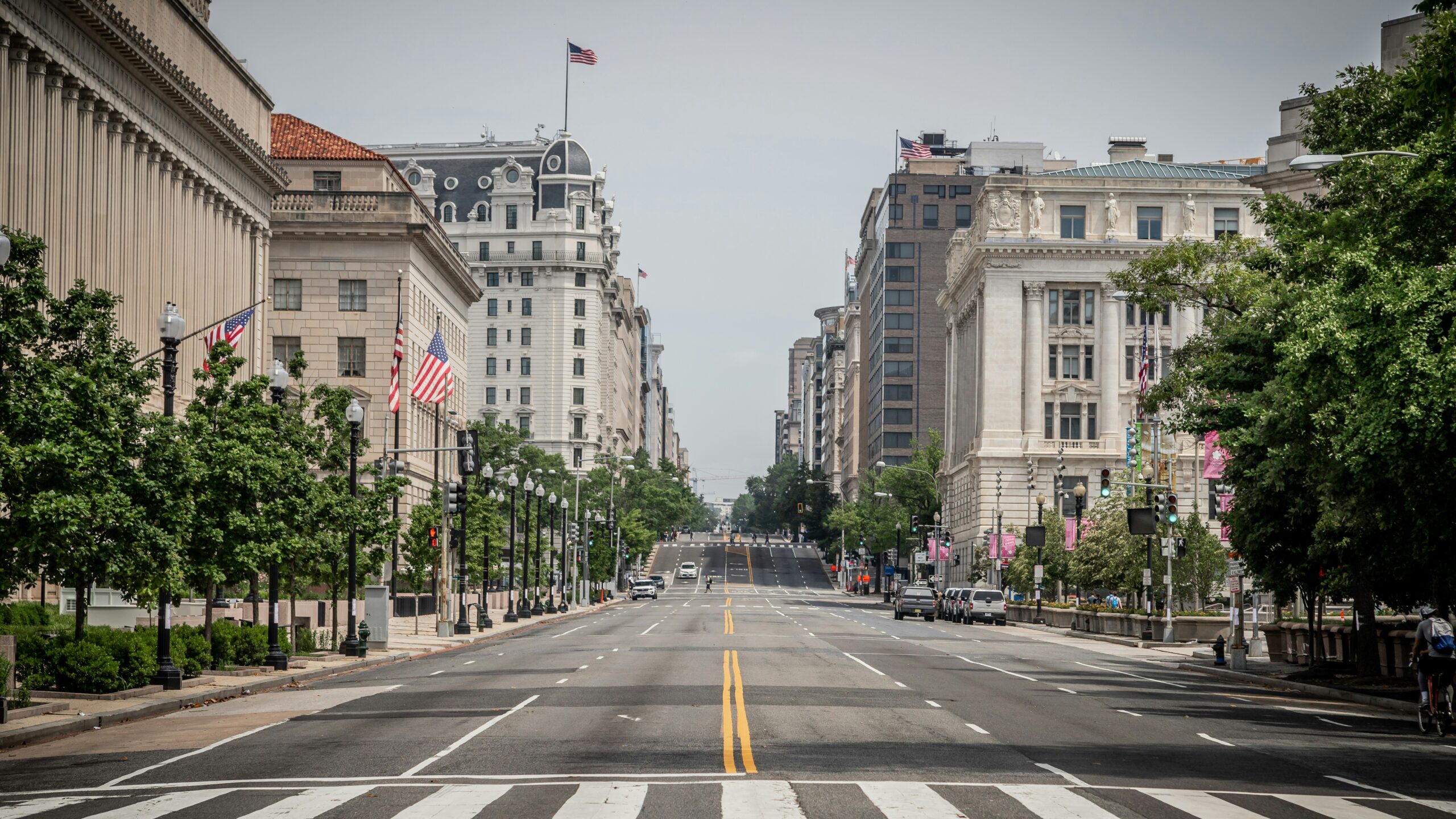
Washington, D.C. combines political power, rich history, and a surprisingly youthful, international atmosphere. Home to global institutions, major universities, and iconic cultural landmarks, the city offers leafy neighbourhoods, a vibrant food scene, and world-class museums — many of them free. Smaller and greener than many U.S. cities, Washington, D.C. is highly walkable and easy to navigate, making it an attractive and rewarding destination for students and young professionals.
Quick Facts, Washington DC

Climate
Washington, D.C. has four distinct seasons, with hot, humid summers and cool winters. Spring and autumn are especially pleasant and popular.

Cost of Living
Living costs are high, with shared rooms typically costing $1,000–$1,600 per month and weekly groceries averaging $60–$100.

Lifestyle
Green, walkable, and culturally rich, with museums, cafés, and neighbourhood life shaping daily routines.

Vibe
International, ambitious, and socially engaged. D.C. attracts students interested in politics, law, international relations, and public service.

Safety
Generally safe in central and student areas, though awareness is advised at night in busy nightlife districts.

Transport
Excellent public transport, strong cycling culture, and easy domestic and international connections.
Areas & Neighbourhoods
1/2. Downtown / Penn Quarter
▲Ultra-central and close to monuments, museums, and the National Mall. Excellent access to internships and events, though rents are high and evenings are quieter.
3. Dupont Circle
▼4. Adams Morgan
▼5. Columbia Heights
▼6/7. Shaw / U Street Corridor
▼8. Capitol Hill
▼9. Georgetown
▼10. Foggy Bottom
▼11/12. NoMa / H Street Corridor
▼13. Brookland
▼Transport
Within Washington DC

Metro

Metrobus

DC Circulator

Cycling

Scooters
Domestic & International

Bus

Airport

Train
Culture & Lifestyle
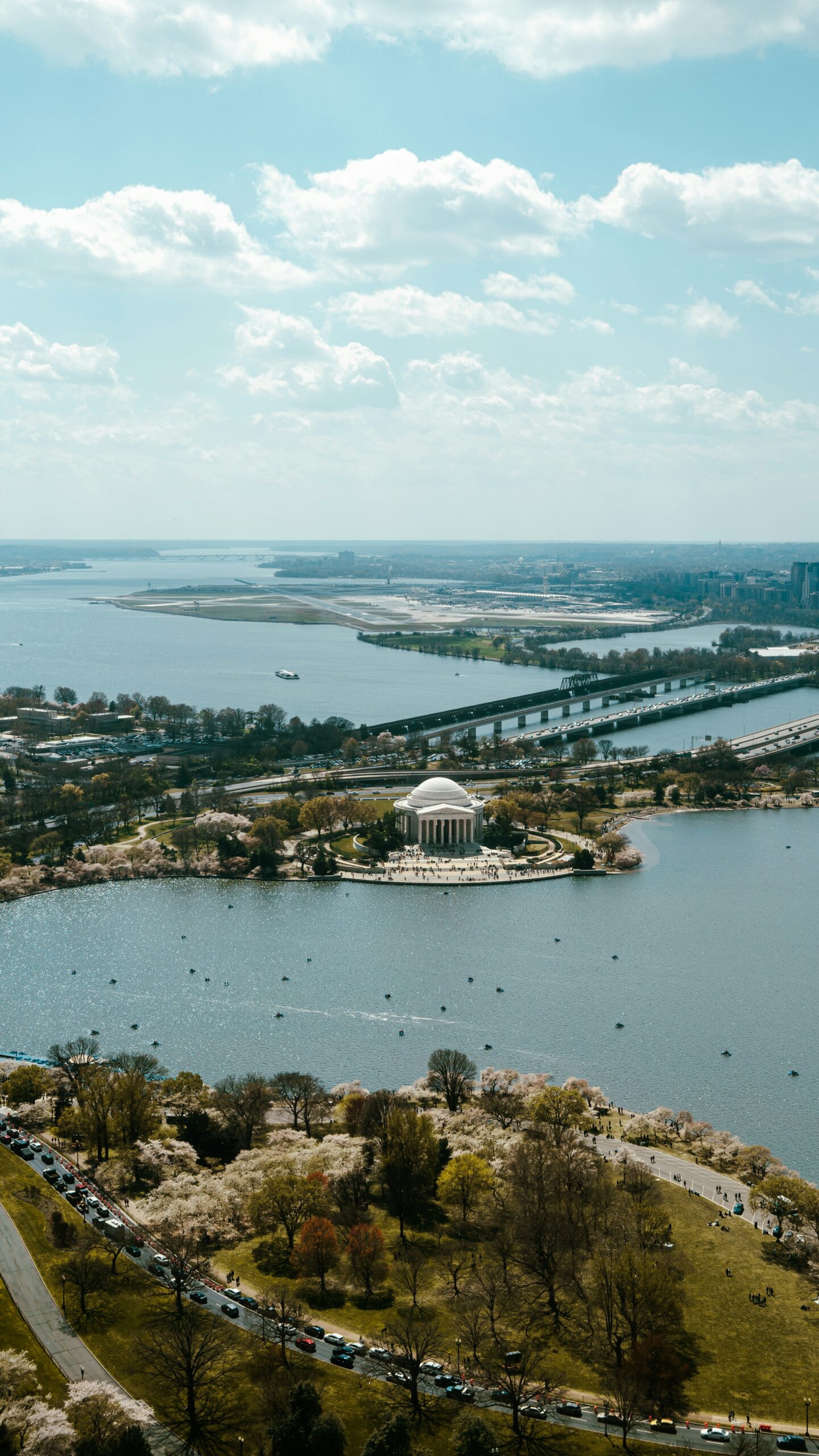
Cost of Living: Shared flats typically cost $1,000–$1,600 per month, studios $1,700–$2,400+. Meals out range from $12–$20, coffee $4–$6, and groceries usually total $60–$100 per week.
Climate: Humid summers, cool winters, colourful autumns, and mild springs.
Culture: A mix of government, NGOs, and academia, with free Smithsonian museums, festivals, concerts, and green parks throughout the city.
Social & Nightlife: Adams Morgan and U Street lead student nightlife, Dupont Circle hosts cocktail bars and LGBTQ+ venues, and Navy Yard offers waterfront spots.
Lifestyle: Outdoor-friendly and community-focused, with Rock Creek Park, kayaking on the Potomac, rooftop brunches, and easy day trips nearby.
Inclusivity & Safety
LGBTQ+ Community
Highly inclusive, with a visible LGBTQ+ scene centred around Dupont Circle and U Street. Pride events are major city celebrations.





Top Attractions & Local Experiences
Must-Sees
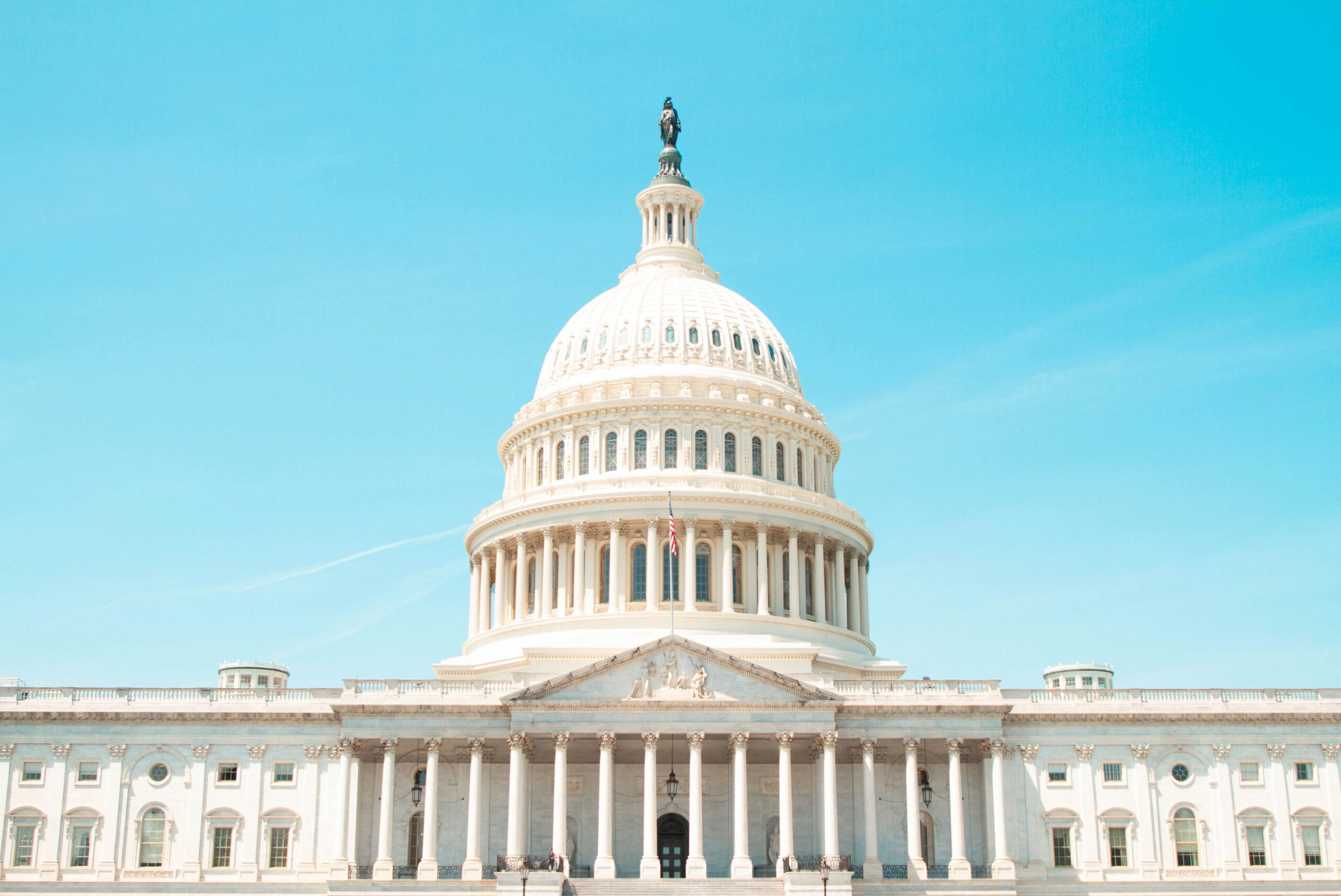
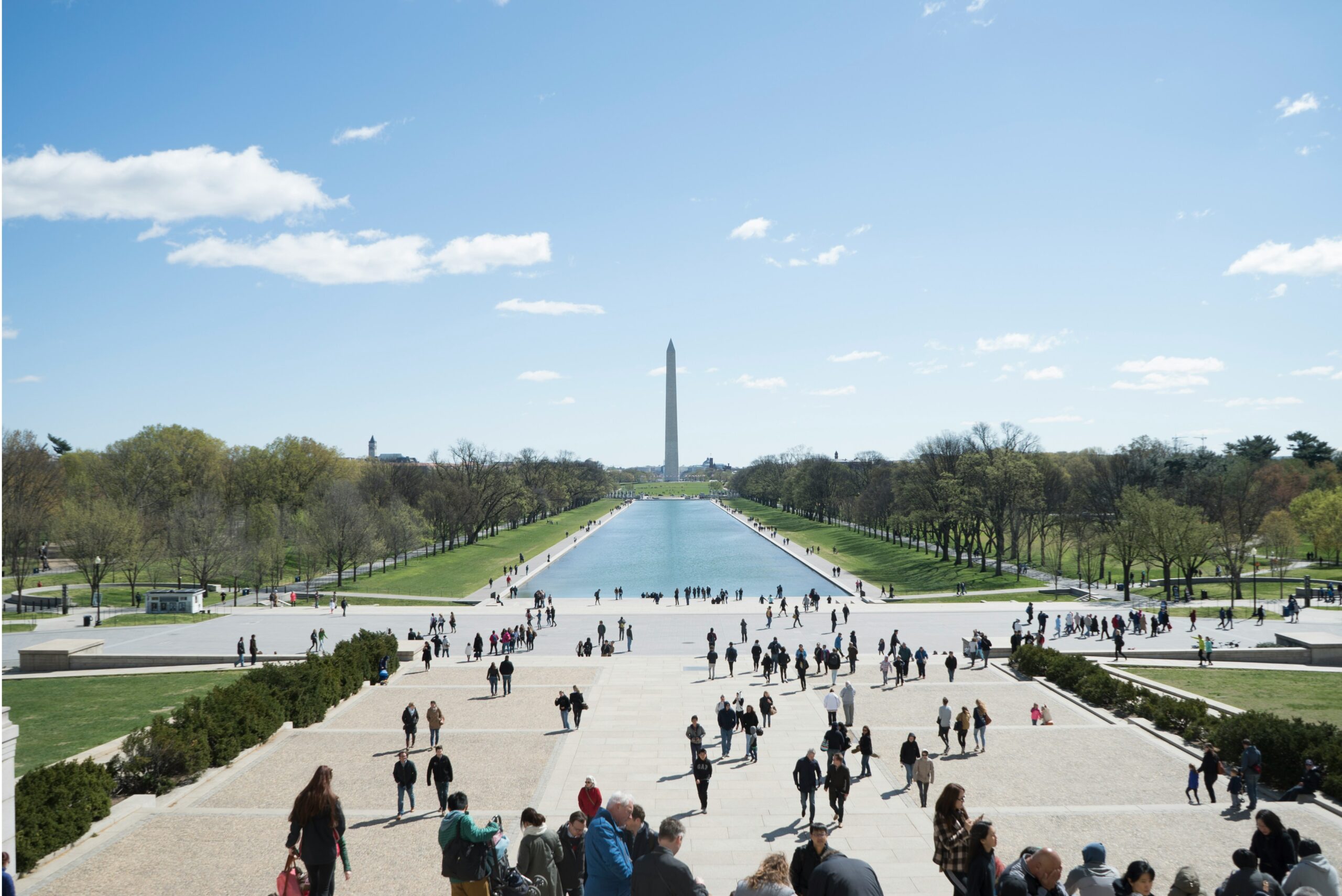
- National Mall – Monuments and memorials including the Lincoln Memorial and Washington Monument.
- Smithsonian Museums – Free world-class museums covering art, history, and science.
- The White House – Iconic symbol of U.S. government (tour booking required).
- Library of Congress & Supreme Court – Grand architecture and civic history.
- Kennedy Center – Performing arts venue with free daily shows.
- Georgetown Waterfront – Scenic walks, cafés, and canal paths.
Local Gems
- Eastern Market – Weekend food and craft stalls.
- Union Market & La Cosecha – Trendy food halls and social spaces.
- U Street jazz bars – Live music rooted in the city’s cultural history.
- Rock Creek Park – Urban trails and outdoor escapes.
- The Wharf – Riverfront dining, music, and sunset views.
- Day trips – Alexandria, Great Falls, or Shenandoah National Park.
Pre-departure Essentials
Documents & Visas: Most international students require an F-1 or J-1 visa. Bring your I-20 or DS-2019, SEVIS receipt, proof of funds, and admission letter.
Health Insurance: Mandatory for all students. U.S. healthcare is private, so university or approved private insurance is essential.
Banking: Common banks include Chase, Wells Fargo, and Bank of America. Many students use Wise or Revolut before opening a local account.
SIM Cards: T-Mobile, AT&T, Verizon, and prepaid options offer plans typically costing $30–$50 per month.
Post-arrival Essentials
Registration: Complete SEVIS registration and attend international student orientation sessions.
Banking & SIM: Open a U.S. bank account and activate mobile payments for daily use.
Health & Safety: Identify your campus clinic and nearest urgent care. Emergency number is 911.
Shopping: Popular supermarkets include Safeway, Trader Joe’s, and Giant, with Target and online delivery for essentials.
Apps: Useful apps include Citymapper or Transit (transport), Capital Bikeshare, Lime or Bird, Uber or Lyft, OpenTable or Yelp, Too Good To Go, and Eventbrite.