


Warsaw (Poland)
Destination Overview
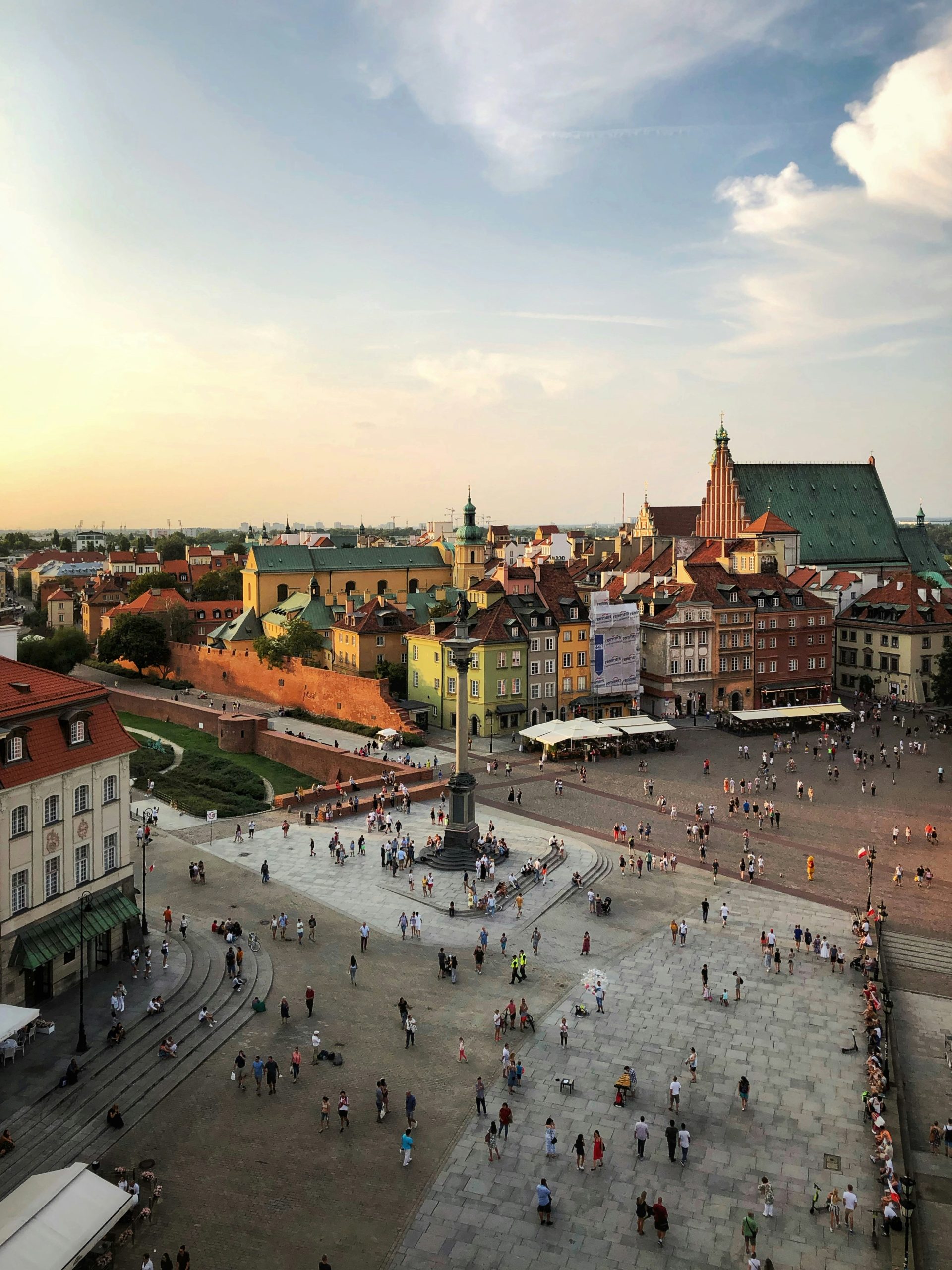
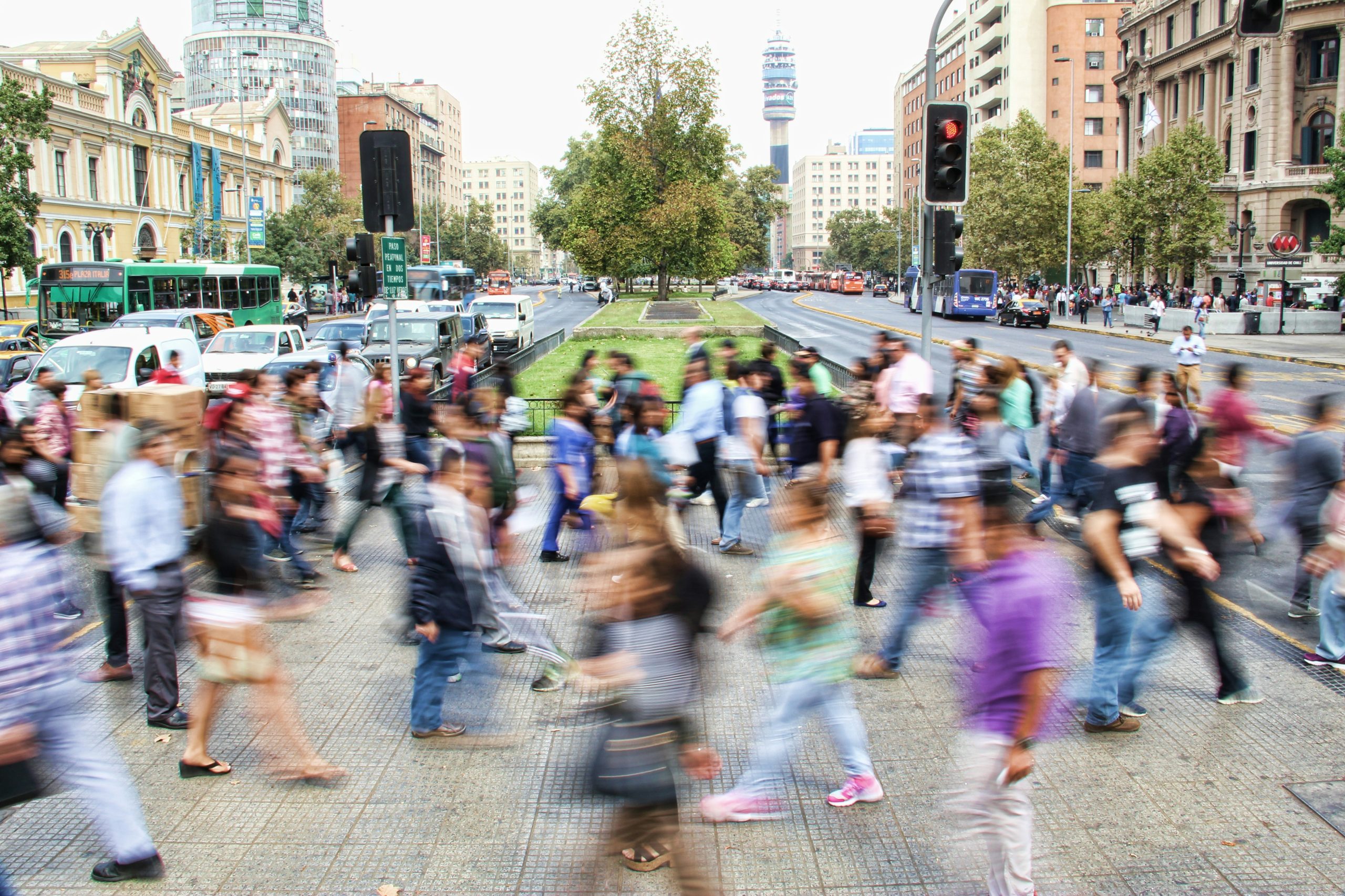
Warsaw, Poland’s capital and largest city, is a dynamic mix of historic resilience and modern urban life. Rebuilt after WWII, it blends reconstructed Old Town charm with skyscrapers, cultural institutions, and a strong student atmosphere. As Poland’s largest academic centre, Warsaw offers affordable living, lively nightlife, and a modern European city experience that appeals strongly to international students.
Quick Facts, Warsaw

Climate
Warsaw has cold, snowy winters and warm summers. Spring and autumn are mild but relatively short.

Cost of Living
Very affordable for a European capital. Rent, food, and transport are cheap, with generous student discounts available citywide.

Lifestyle
Fast-paced but student-friendly, with lots of green parks, riverfront hangouts, and a strong café and nightlife culture.

Vibe
Modern, resilient, and energetic. Warsaw feels young, ambitious, and increasingly international.

Safety
Generally very safe, with low violent crime. Busy nightlife areas require standard precautions.

Transport
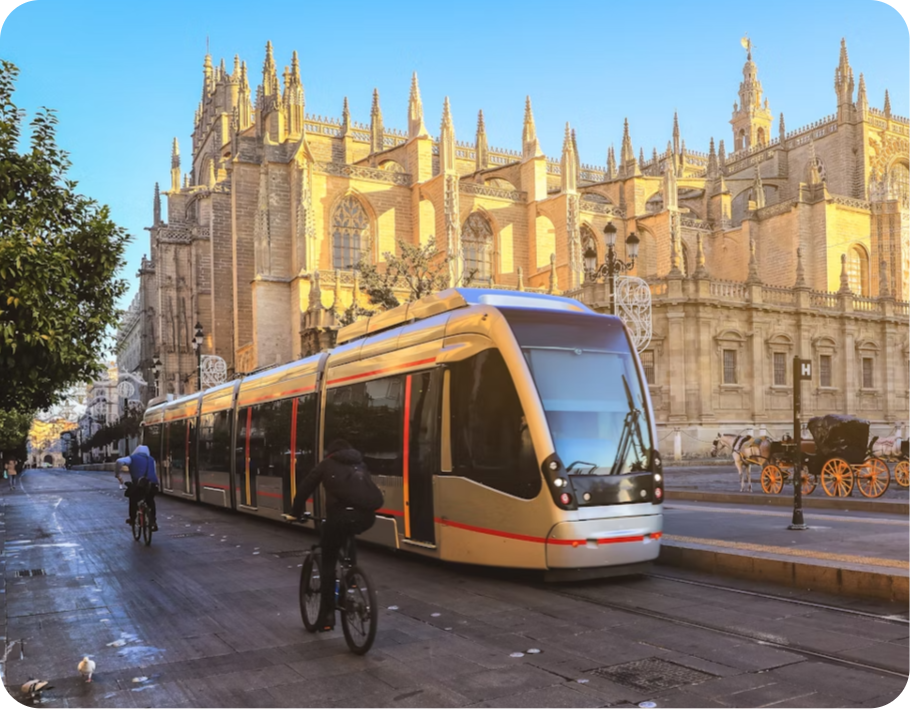
Excellent and affordable public transport, with metro, trams, buses, bikes, and discounted student passes.
Areas & Neighbourhoods
1. Śródmieście (City Centre)
▲Central and lively, with shops, offices, bars, and nightlife. Very convenient but busier and more expensive. Ideal for those who want everything nearby.
2. Old Town (Stare Miasto)
▼3. Praga-Północ
▼4. Praga-Południe (incl. Saska Kępa)
▼5. Mokotów
▼6. Ochota
▼7. Wola
▼8. Żoliborz
▼9. Ursynów
▼10 Bielany
▼Transport
Within Warsaw

Metro

Trams / Buses

Bikes / Scooters
Domestic & International

Bus

Airport

Train
Culture & Lifestyle
Cost of Living: Shared flats €300–€500, studios €600–€800. Eating out is cheap, groceries affordable, and student discounts are widespread.
Climate: Cold winters (–5 to 2°C) and hot summers (25–30°C). Autumn and spring are pleasant but brief.
Culture: A modern cultural capital with museums, festivals, music, and history. Highlights include POLIN Museum, Warsaw Uprising Museum, and Chopin concerts.
Social & Nightlife: Very active student nightlife in Śródmieście, Praga, and along the Vistula Boulevards. Clubs, bars, food halls, and summer river events are popular.
Lifestyle: Affordable, modern, and green. Warsaw balances big-city energy with student-friendly living and an expanding international community.
Inclusivity & Safety
LGBTQ+ Community
Increasingly visible and active, with Pride events and venues mainly in central districts. Warsaw is considered Poland’s most progressive city.


Top Attractions & Local Experiences
Must-Sees
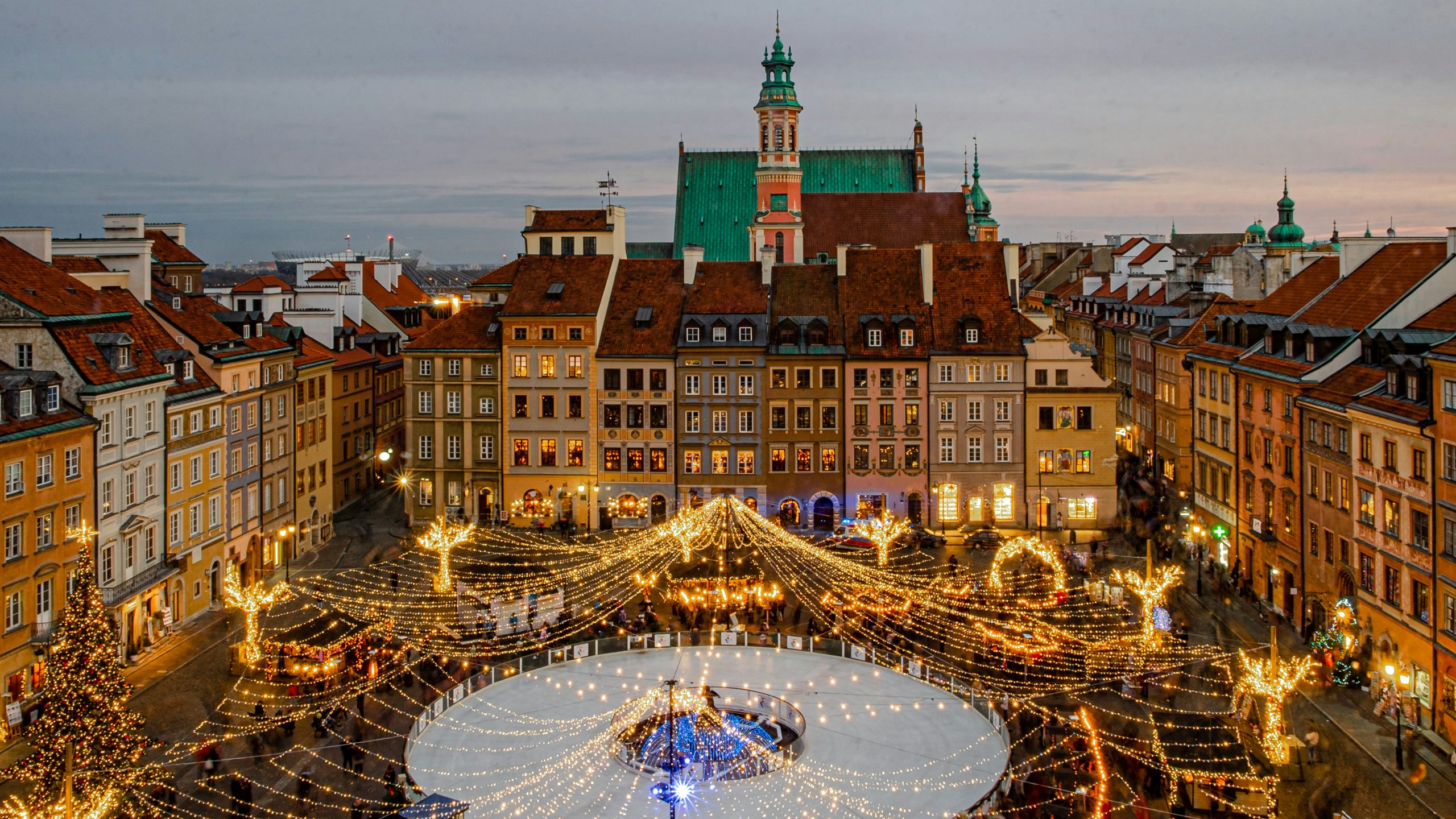
- Old Town & Royal Castle – UNESCO-listed historic core.
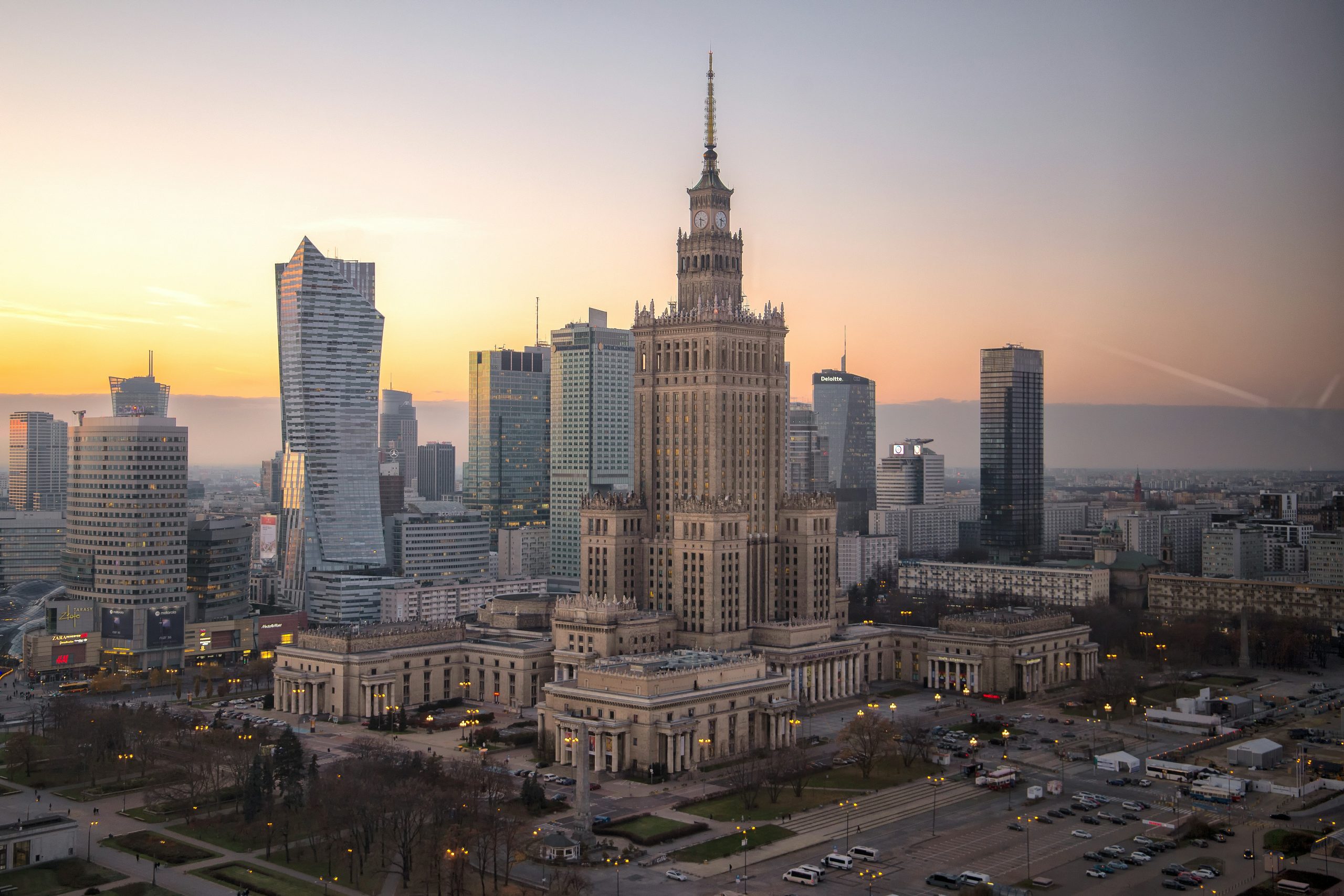
- Palace of Culture and Science – Iconic city landmark with views.
- Łazienki Park – Beautiful gardens and palaces.
- POLIN Museum – Jewish history and culture.
- Warsaw Uprising Museum – WWII history.
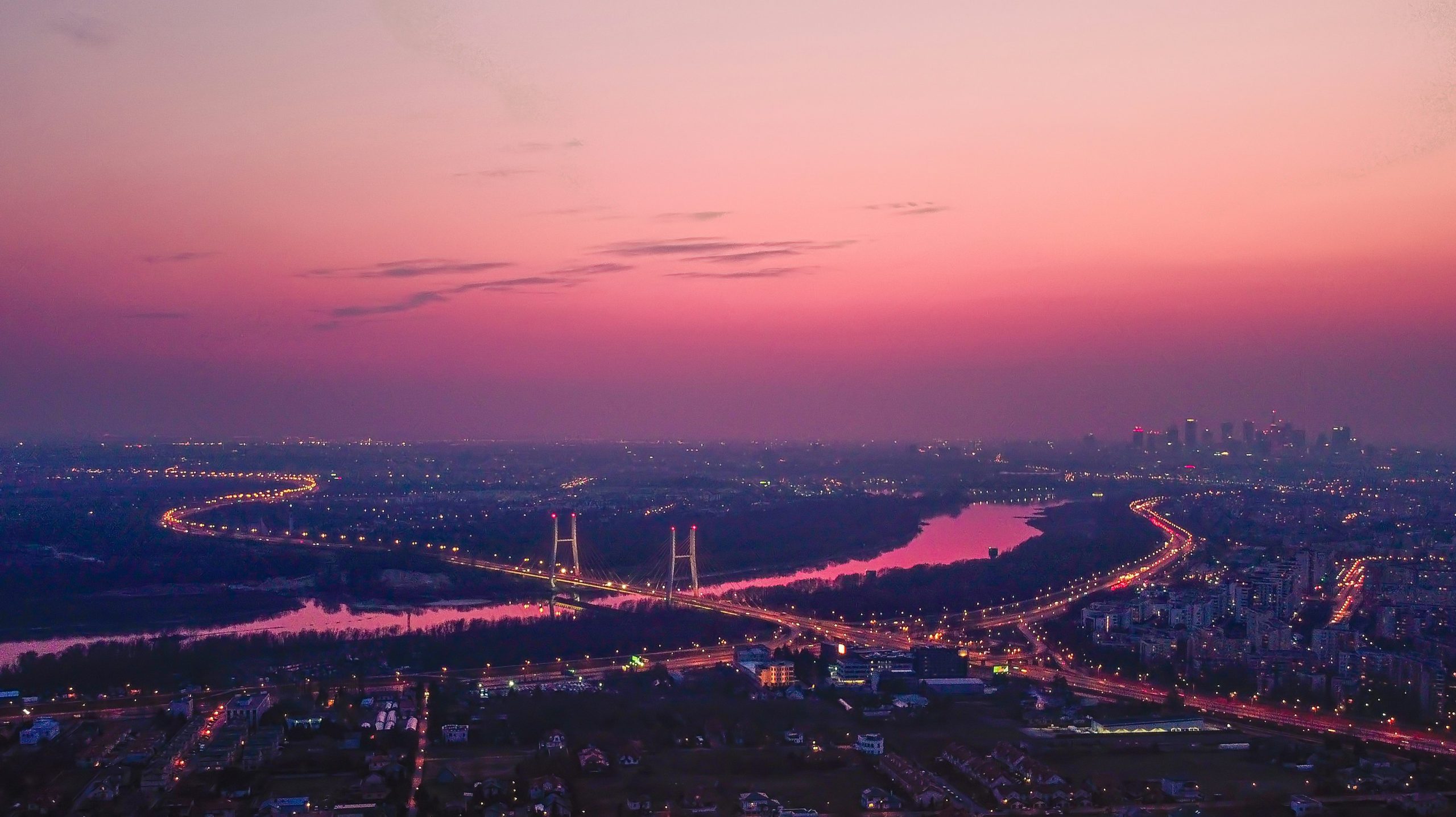
- Vistula Boulevards – Student-favourite riverside hangouts.
- Warsaw University Library Rooftop Garden – Unique green escape.
Local Gems
- Praga street art & alternative venues – Creative murals, galleries, and independent bars in Warsaw’s edgier, artistic district.
- Hala Koszyki – Modern food hall.
- Milk bars (bar mleczny) – Ultra-cheap traditional meals.
- Skaryszewski Park – Large, lesser-known green space.
- Summer food trucks & night markets by the river – Seasonal riverside pop-ups with street food, drinks, and a lively student atmosphere.
Pre-departure Essentials
Documents & Visas: EU/EEA students don’t need a visa. Non-EU students must apply for a Polish student visa before arrival, usually requiring proof of admission, accommodation, finances, and insurance.
Health Insurance: EU students can use EHIC for basic care. Non-EU students need private or university-arranged insurance, which is often checked during enrolment.
Banking: Popular banks include PKO BP, Santander, and mBank. Online banks like Revolut and N26 are widely used, though a Polish bank account may be needed for rent or longer stays.
SIM Cards: Orange, Play, Plus, and T-Mobile offer affordable prepaid and monthly plans (€5–15/month), easily purchased at airports, shopping centres, or phone shops.
Post-arrival Essentials
Registration: Students staying longer than 3 months must register their address. Non-EU students also apply for a temporary residence permit through the local authorities.
Banking & SIM: Open a Polish bank account if required for rent or payments and activate a local SIM card for easier access to services and apps.
Health & Safety: Emergency number is 112. Pharmacies are widespread, and both public and private healthcare services are easy to access in the city.
Shopping: Biedronka, Lidl, Carrefour, Auchan, and Żabka (late-night convenience stores) cover most daily needs, with local markets offering fresh produce.
Apps: Jakdojade (transport planning), Bolt/Uber (taxis), Pyszne.pl (food delivery), OLX.pl & Vinted (second-hand), and Revolut (payments) are widely used by students.