


Tokyo (Japan)
Destination Overview
Tokyo is a dazzling mix of ultra-modern innovation and deep-rooted tradition. As one of the world’s largest metropolitan areas, it’s known for its safety, efficiency, and endless cultural offerings. Students are drawn by top-ranked universities, high living standards, and a global outlook. Despite its scale, Tokyo is made up of distinct neighbourhoods, each with its own personality — from peaceful residential streets to buzzing nightlife hubs — making it surprisingly easy to find your place in the city.
Quick Facts, Tokyo

Climate
Tokyo has a humid subtropical climate, with mild winters and hot, humid summers. Spring and autumn are the most comfortable seasons, especially during cherry blossom and fall foliage periods.

Cost of Living
Living costs are moderate to high, with shared apartments typically costing ¥70,000–¥120,000 per month and basic weekly groceries averaging around ¥6,000–¥10,000.

Lifestyle
Efficient, safe, and fast-paced, blending compact city living with world-class transport, food, and cultural experiences.

Vibe
Ultra-modern yet deeply traditional. Tokyo attracts students drawn to innovation, creativity, and a truly global city atmosphere.

Safety
One of the safest major cities in the world, with extremely low violent crime and excellent public services.

Transport
Outstanding public transport, highly walkable neighbourhoods, and strong domestic and international connections.
Areas & Neighbourhoods
1. Shinjuku
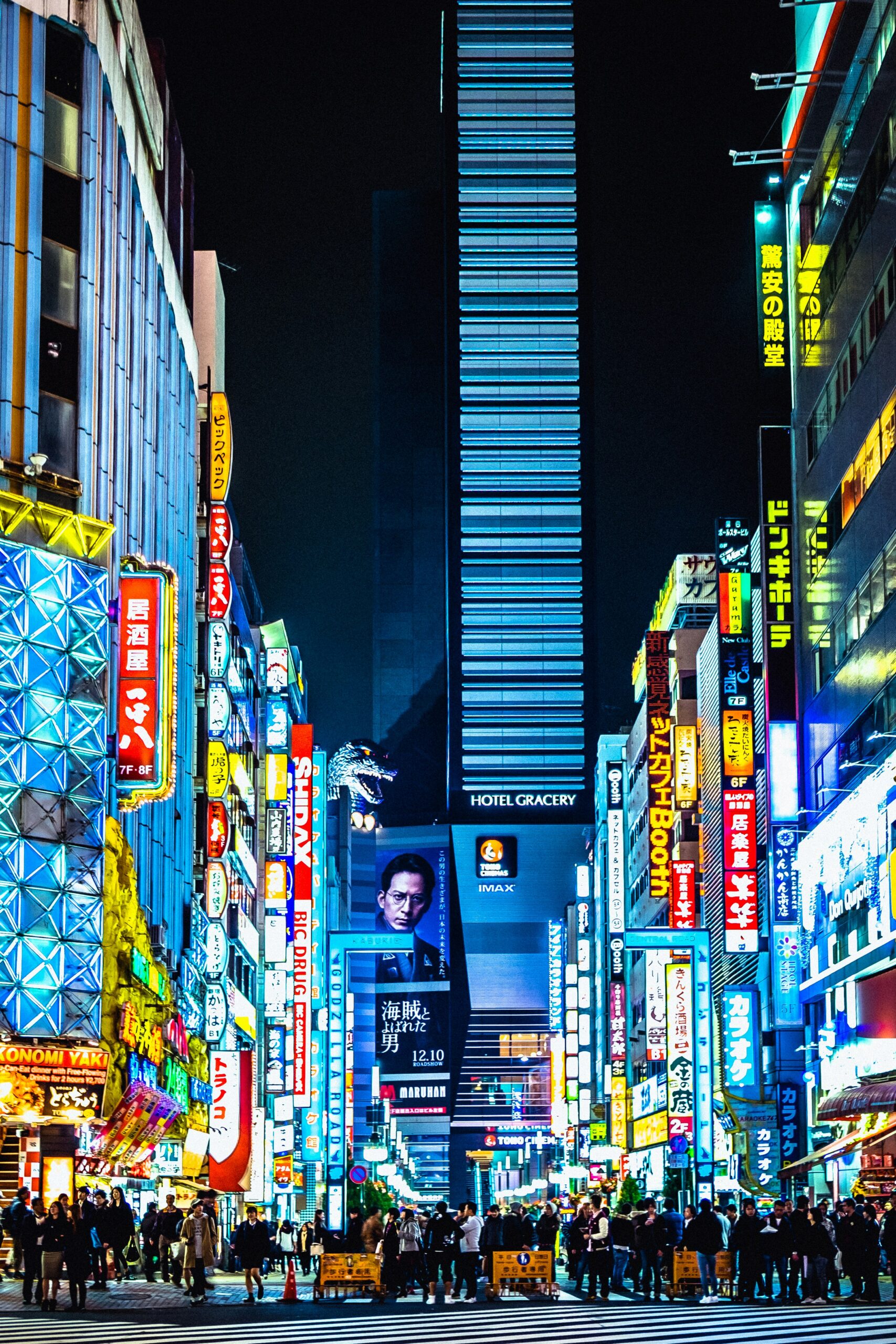
▲Major commercial and entertainment hub with endless shops, restaurants, and nightlife. The western side (Nishi-Shinjuku) is Tokyo’s business district with skyscrapers and offices, while eastern Shinjuku (Kabukicho) is livelier, full of bars and late-night venues. Incredibly well connected and central, ideal for those who enjoy an energetic, urban lifestyle, though housing costs can be high.
2. Shibuya
▼3/4. Harajuku / Omotesando
▼5. Ikebukuro
▼6. Kichijōji
▼7. Bunkyō
▼8. Setagaya
▼9/10. Ueno / Asakusa
▼Transport
Within Tokyo

Trains & Subways

Buses

Cycling

Walking / Scooters
Domestic & International

Bus

Airport

Shinkansen (Bullet Train)
Culture & Lifestyle
Cost of Living: Shared flats typically cost ¥70,000–¥120,000 per month, studios higher. Meals range from ¥700–¥1,000, coffee around ¥400, beer ¥600–¥800, and groceries usually total ¥6,000–¥10,000 per week.
Climate: Mild winters, hot humid summers, and pleasant spring and autumn seasons.
Culture: A unique blend of anime, fashion, and pop culture alongside shrines, tea houses, and centuries-old traditions.
Social & Nightlife: Shibuya, Shinjuku, and Roppongi lead nightlife, while areas like Kichijōji and Ebisu offer more relaxed evenings.
Lifestyle: Clean, efficient, and compact, with exceptional food, public services, and everyday safety.
Inclusivity & Safety
LGBTQ+ Community
Tokyo has a visible and growing LGBTQ+ community, particularly centred around Shinjuku Ni-chōme, which is home to hundreds of LGBTQ+-friendly bars and venues. While Japan is generally socially tolerant, attitudes can be more discreet compared to Western cities. Public displays of affection (for all couples) are uncommon, but students report feeling safe. Pride events, including Tokyo Rainbow Pride, have grown significantly in recent years.



Top Attractions & Local Experiences
Must-Sees
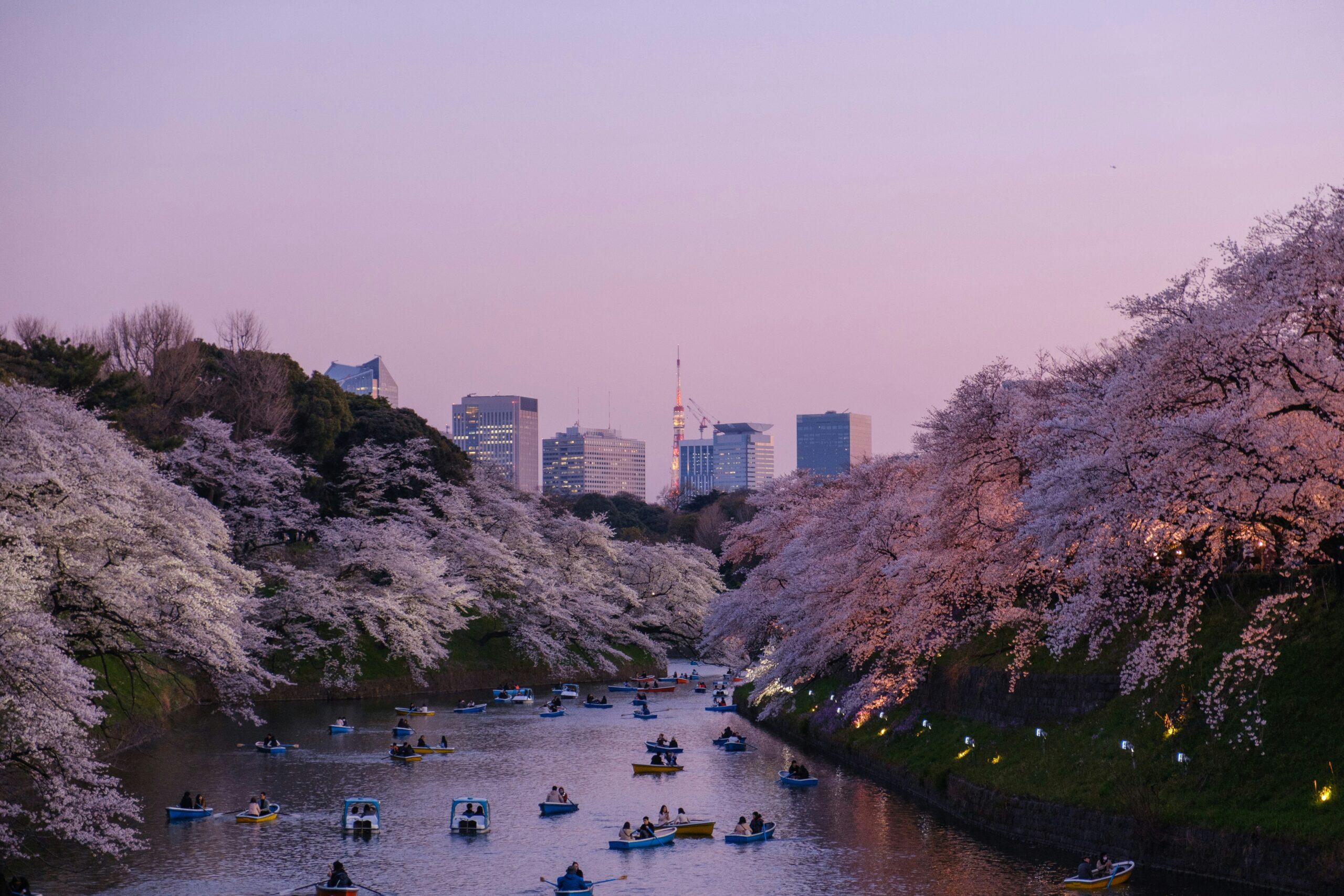
- Tokyo Tower & Tokyo Skytree – Iconic skyline views.
- Meiji Shrine – Peaceful Shinto sanctuary in forested grounds.
- Asakusa & Sensō-ji Temple – Historic heart of old Tokyo.
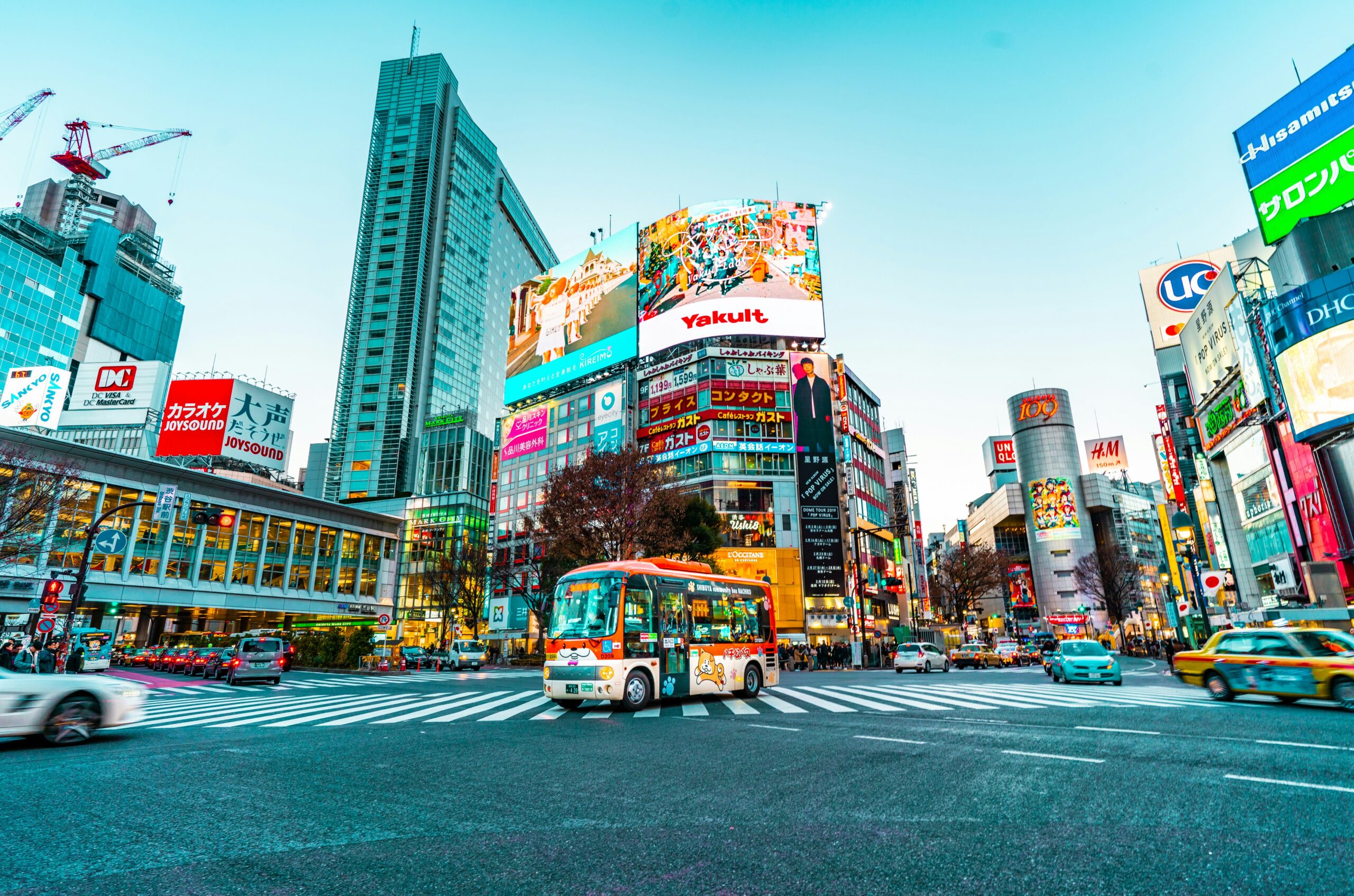
- Shibuya Crossing – World-famous pedestrian intersection.
- Akihabara – Electronics and anime culture hub.
- Ueno Park – Museums and cherry blossom season.
- Tsukiji & Toyosu Markets – Sushi and seafood culture.
Local Gems
- Inokashira Park (Kichijōji) – Favourite student hangout.
- Shimokitazawa – Vintage shops and indie cafés.
- Daikanyama – Chic shopping and hidden cocktail bars.
- Odaiba – Futuristic bay area with beaches and entertainment.
Pre-departure Essentials
Documents & Visas: Most international students require a Japanese Student Visa, arranged before arrival through their school or sponsor.
Health Insurance: All residents must enrol in Japan’s National Health Insurance scheme shortly after arrival.
Banking: Major banks include MUFG, SMBC, and Japan Post Bank. Foreign-friendly options include Sony Bank and Wise.
SIM Cards: SoftBank, NTT Docomo, Rakuten, and au offer prepaid or monthly plans, typically costing ¥2,000–¥4,000.
Post-arrival Essentials
Registration: Register your address at the local ward office and collect your Residence (Zairyū) Card.
Banking & SIM: Open a Japanese bank account if staying long term and activate your local SIM.
Health & Safety: Emergency number is 119 for fire and ambulance services.
Shopping: Convenience stores (7-Eleven, Lawson, FamilyMart) are everywhere, alongside supermarkets like Aeon and Life.
Apps: Useful apps include Google Maps (transport), LINE (messaging), Japan Travel, PayPay (payments), and Uber Eats.
Transport Setup: Purchase a Suica or Pasmo card for trains, subways, buses, and everyday payments.