


Strasbourg (France)
Destination Overview
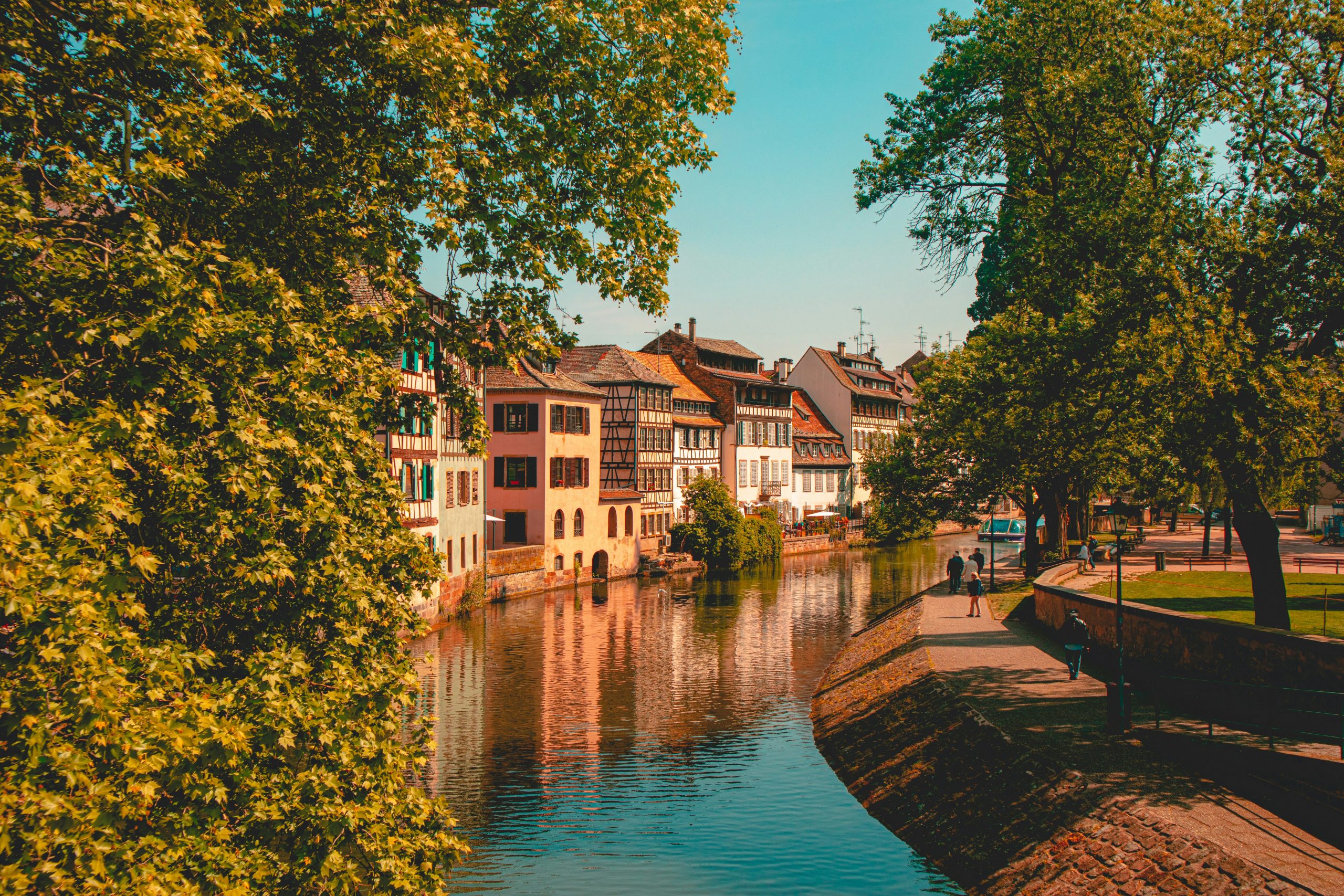
Strasbourg, the capital of Alsace in northeastern France, is a vibrant student city and a major European hub. Famous for its half-timbered houses, canals, and impressive Gothic cathedral, it blends French and German cultures in everyday life. Home to key EU institutions such as the European Parliament and Council of Europe Strasbourg has a highly international feel. With the University of Strasbourg and several grandes écoles, it attracts thousands of students each year and offers a lively, multicultural atmosphere.
Quick Facts, Strasbourg

Climate
Strasbourg has hot summers and cold winters, with crisp autumns and the famous Christmas-market season bringing a real “winter city” feel.

Cost of Living
Living costs are mid-range for France, with rooms typically around €400–€600 and weekly groceries often €30–€50 depending on lifestyle and location.

Lifestyle
A compact, picturesque city built around canals and cafés, with a strong outdoor culture (parks, riverside walks) and easy weekend trips into Alsace and Germany.

Vibe
International and student-driven, with a unique French–German mix. Expect lively evenings in Krutenau/Esplanade, plus a big EU-city feel during the week.

Safety
Generally safe and easy to navigate, especially in central areas. Usual precautions apply in busy tourist spots and on late-night transport.

Transport
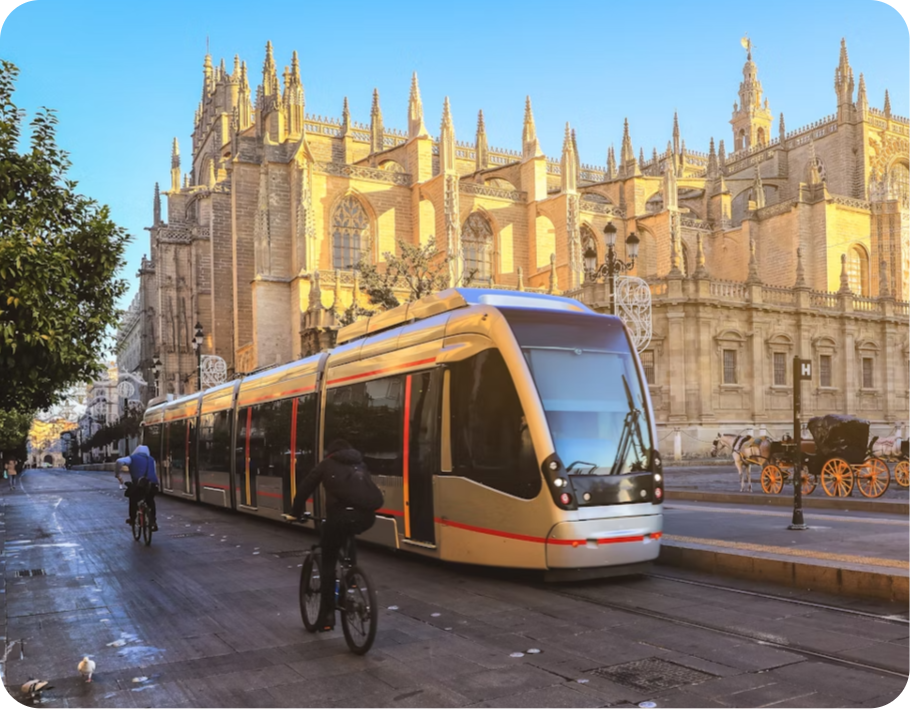
Excellent tram + bus network and one of France’s most bike-friendly cities—most students use trams for longer hops and cycle/walk for everyday trips.
Areas & Neighbourhoods
1. Grande Île (City Centre)
▲UNESCO-listed historic centre surrounded by canals. Beautiful, lively, and walkable, with cafés, shops, and nightlife. Very atmospheric but rents are higher and housing is often older.
2. Krutenau
▼3. Neudorf
▼4. Esplanade
▼5. Orangerie
▼6. Robertsau
▼7. Neuhof
▼Transport
Within Strasbourg

Buses

Trams

Cycling
Domestic & International

Bus

Airport

Train
Culture & Lifestyle
Cost of Living: Moderate by French standards. Shared flats typically cost €400–€600/month, studios €600–€800. Meals €10–14, coffee €2–3, beer €3–5. Groceries €30–50/week.
Climate: Continental climate with cold winters (0–6°C), warm summers (25–32°C), and possible snowfall in winter.
Culture: A unique blend of French and German traditions, reflected in food, architecture, and festivals. Famous for Alsatian cuisine, Christmas markets, and strong regional identity.
Social & Nightlife: Student nightlife is centred around Krutenau and Esplanade, with bars, clubs, and live music venues. Café culture is strong year-round.
Lifestyle: International, student-driven, and culturally rich, with festivals, markets, and easy access to countryside, vineyards, and neighbouring countries.
Inclusivity & Safety
LGBTQ+ Community
Strasbourg is welcoming and inclusive, with Pride events, LGBTQ+-friendly bars, and an open student environment.





Top Attractions & Local Experiences
Must-Sees
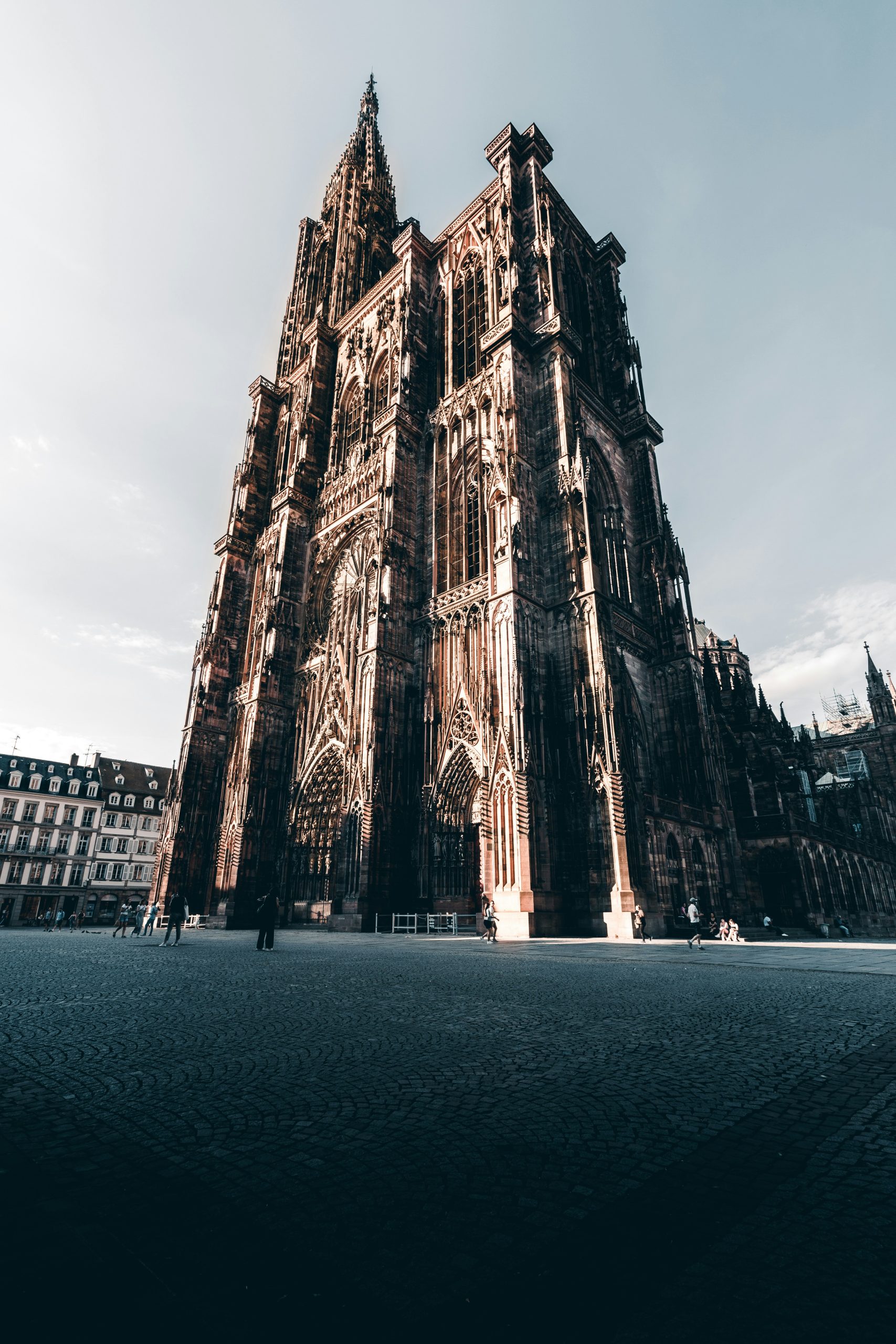
- Strasbourg Cathedral – Iconic Gothic cathedral with panoramic views from the tower.
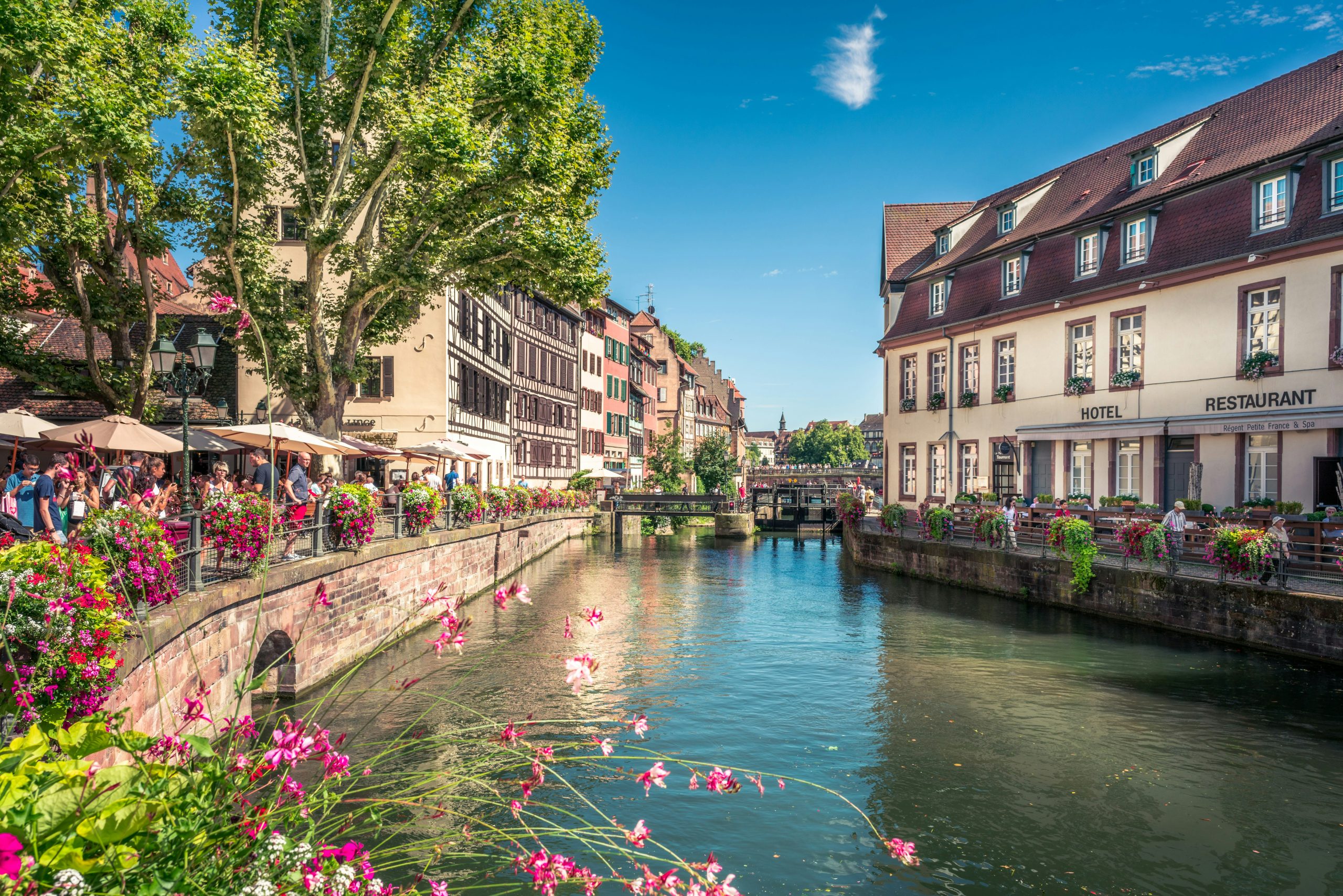
- Petite France – Picture-perfect canal district with half-timbered houses.
- European Parliament – Symbol of Strasbourg’s European role.
- Palais Rohan – Baroque palace housing major museums.
- Parc de l’Orangerie – Largest park in the city, popular with students.
- Covered Bridges & Vauban Dam – Historic fortifications and viewpoints.
- Alsatian Museum – Insight into local traditions and history.
Local Gems
- Strasbourg Christmas Market – One of Europe’s oldest and most famous.
- Ill River boat tours – Relaxed way to see the city’s canals.
- Parc de la Citadelle – Student-favourite green space near campus.
- Alsatian food culture – Try tarte flambée, choucroute, and local beers.
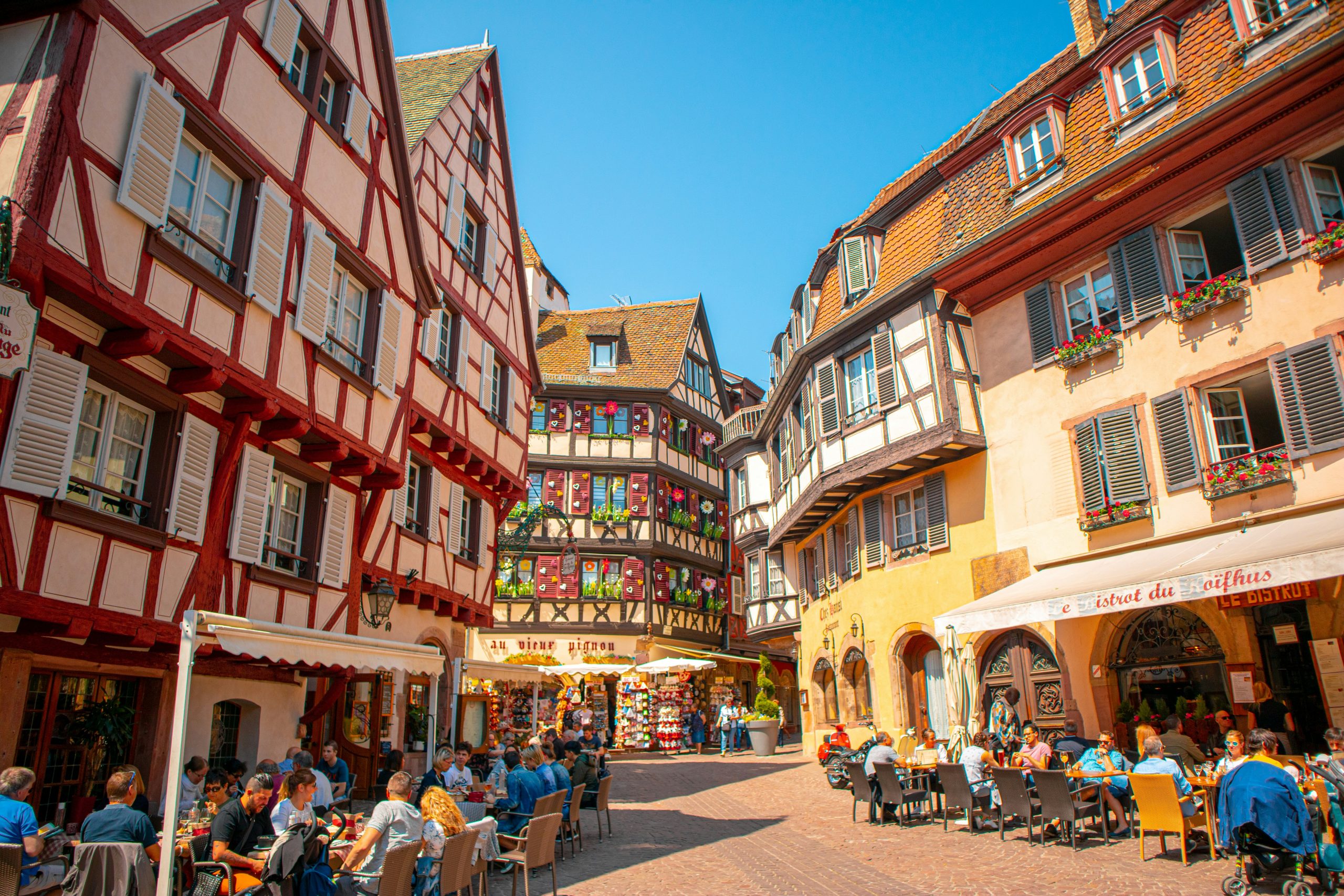
- Day trips to Colmar & wine villages – Easy escapes into Alsace.
Pre-departure Essentials
Documents & Visas: EU/EEA students do not need a visa. Non-EU students usually require a French long-stay student visa (VLS-TS), which must be arranged before arrival.
Health Insurance: EU students can use an EHIC. Non-EU students must enrol in French student health insurance (Sécurité Sociale), with optional private top-up cover.
Banking: Popular banks include Crédit Mutuel (Alsace-based), BNP Paribas, and Société Générale. Online banks like N26 or Revolut are commonly used, though a French account may be required for rent or contracts.
SIM Cards: Orange, SFR, Bouygues, and Free Mobile offer monthly plans from €10–20.
Post-arrival Essentials
Registration: Non-EU students must validate their visa shortly after arrival. All students should complete university registration and any required local administration.
Banking & SIM: Open a French bank account and purchase a local SIM card if not done before arrival.
Health & Safety: Register for student health coverage, locate your nearest pharmacy and health centre. Emergency number: 112.
Shopping: Main supermarkets include Carrefour, Auchan, Lidl, Monoprix, and E.Leclerc.
Apps: CTS (public transport), Too Good To Go (food discounts), Deliveroo / Uber Eats (food delivery), Lydia (student payments).