


Stockholm (Sweden)
Destination Overview
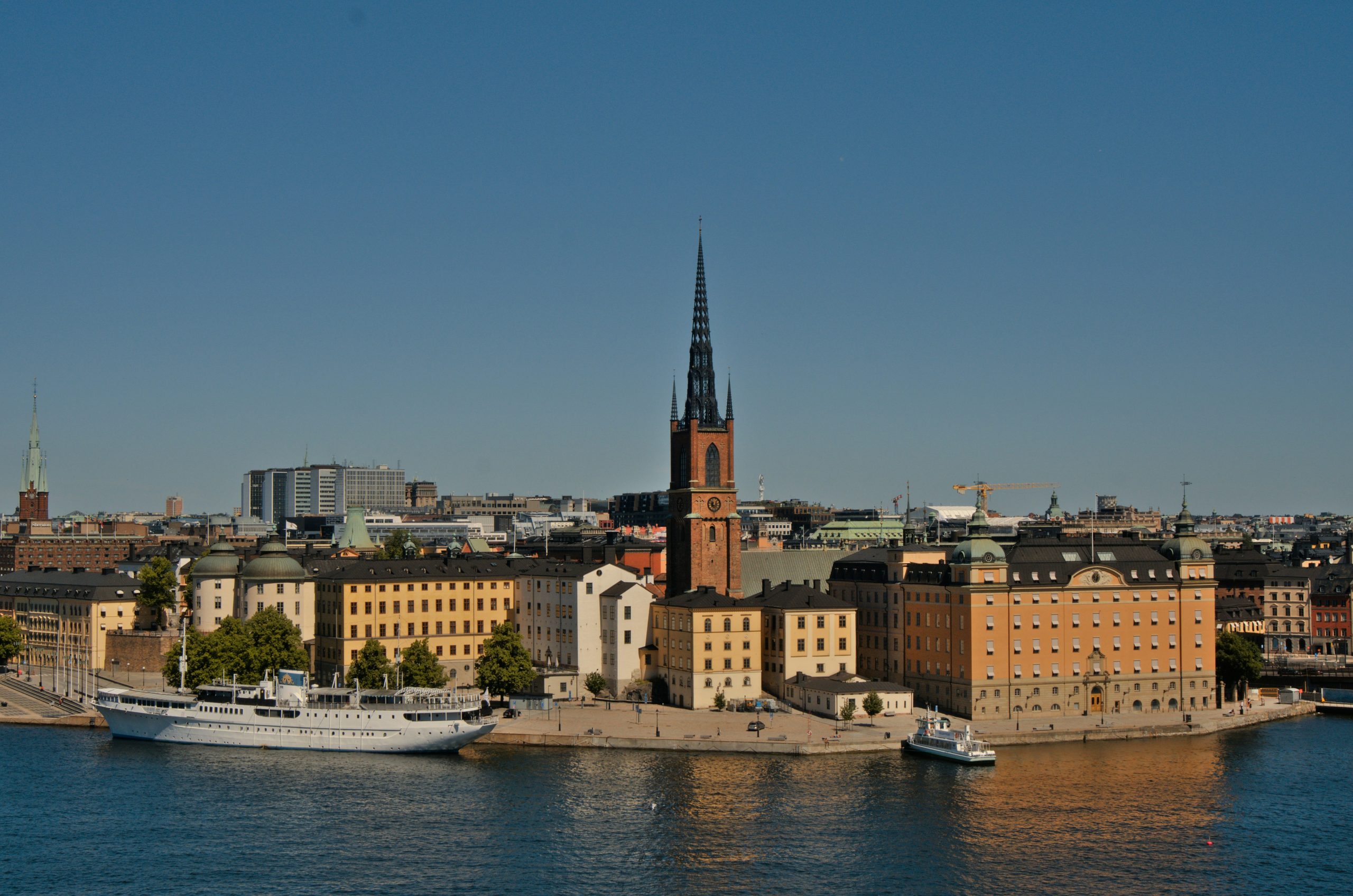
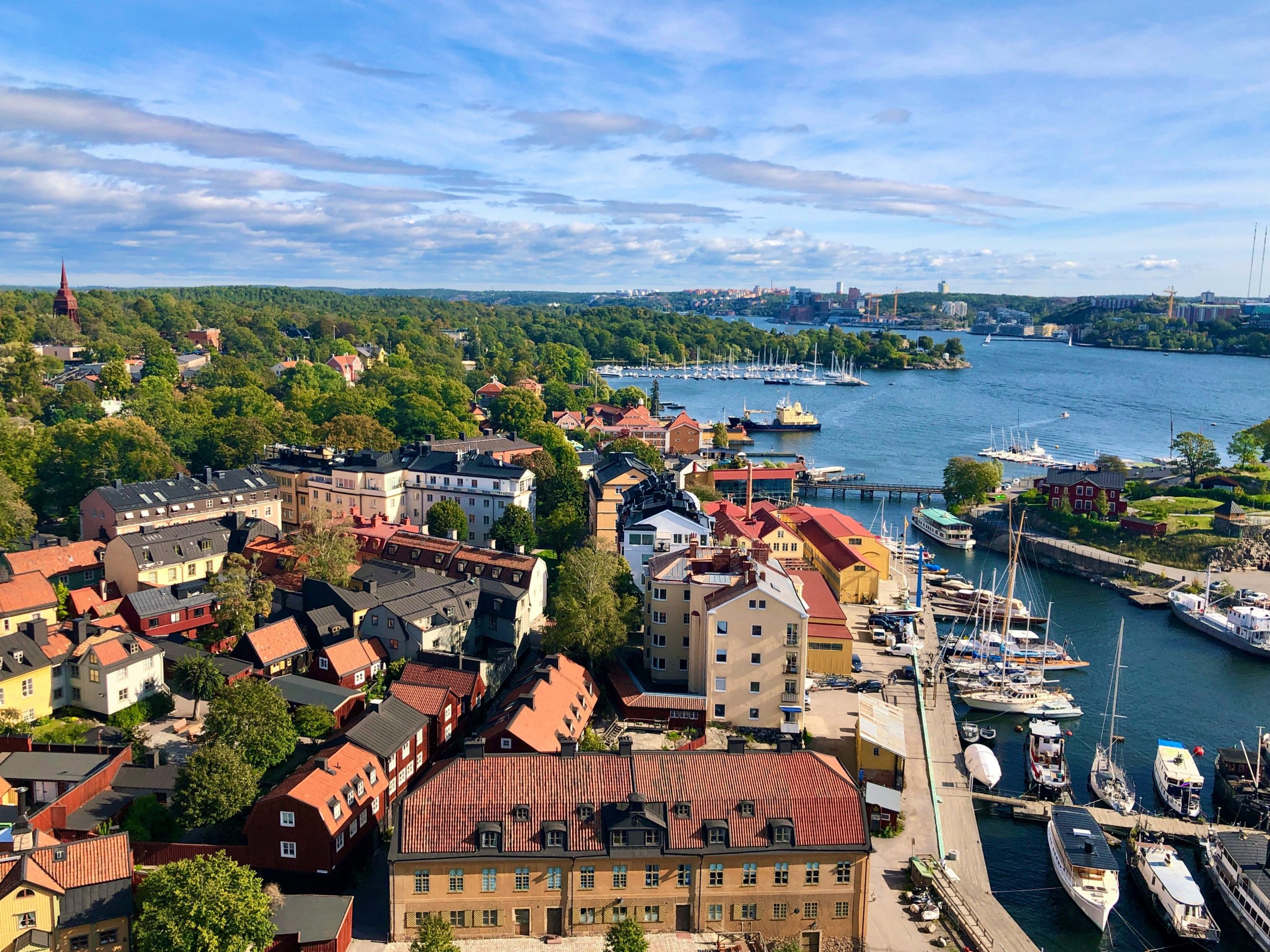
Stockholm, the capital of Sweden, is a beautiful city built across 14 islands connected by bridges, known as the “Venice of the North.” It combines history, modern design, and a high quality of life. Stockholm is home to several top universities, including Stockholm University, KTH Royal Institute of Technology, and Karolinska Institutet, attracting many international students. While living costs are high, students enjoy excellent public services, inclusivity, and a safe, environmentally conscious lifestyle.
Quick Facts, Stockholm

Climate
Cold, dark winters with snow and short daylight hours; mild summers (20–25°C) with very long days and plenty of sunshine.

Cost of Living
High. Shared rooms usually SEK 5,000–7,500 (€450–650), groceries €50–70/week, eating out and alcohol are expensive.

Lifestyle
Clean, organised, and nature-focused. Strong emphasis on balance, sustainability, and outdoor life.

Vibe
Calm, modern, and international, with a quieter social scene compared to southern Europe.

Safety
Very safe overall, with low violent crime. Petty theft can occur in tourist areas and public transport hubs.

Transport
Excellent metro, buses, trams, and ferries with integrated student discounts and reliable coverage citywide.
Areas & Neighbourhoods
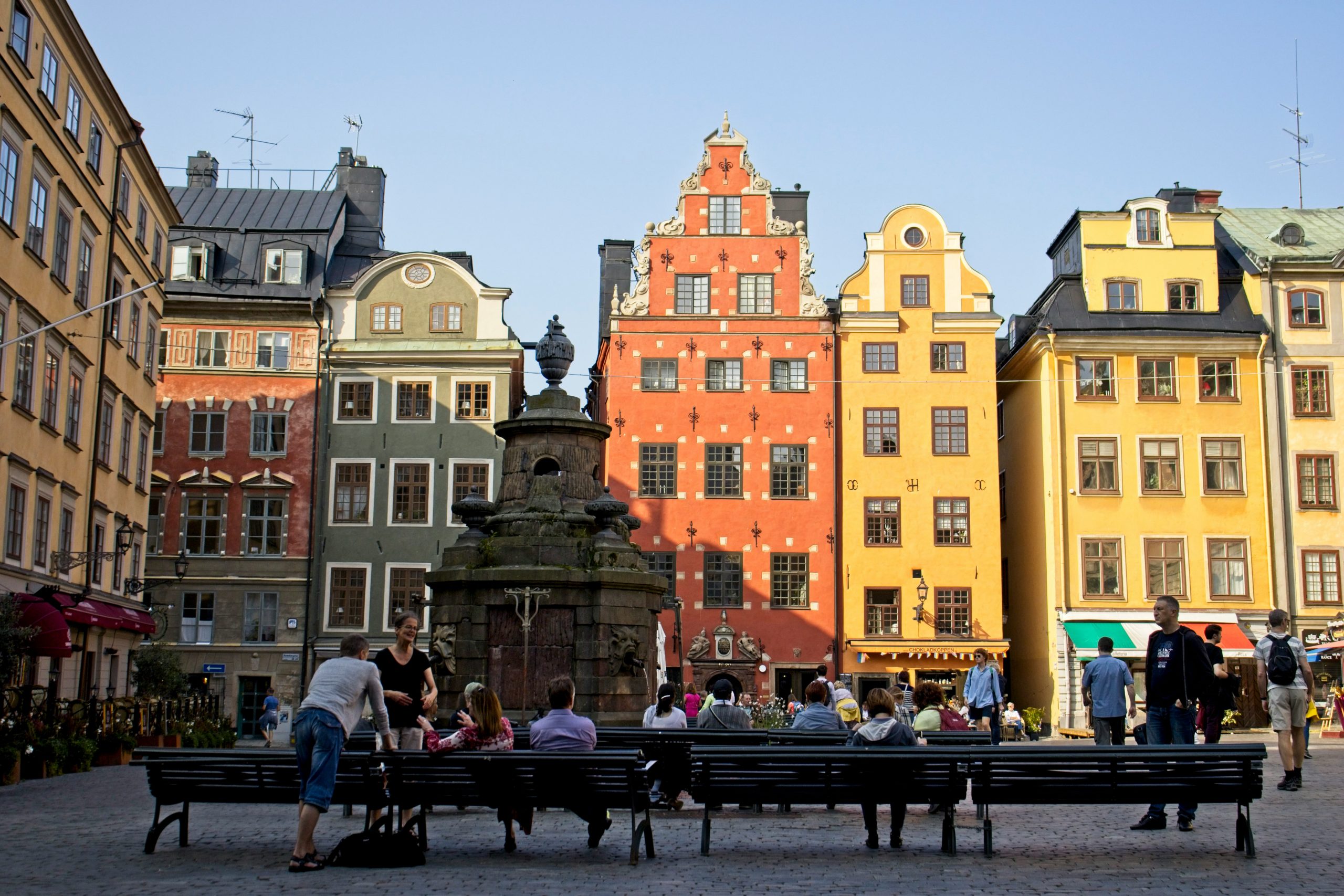
Gamla Stan (Old Town)
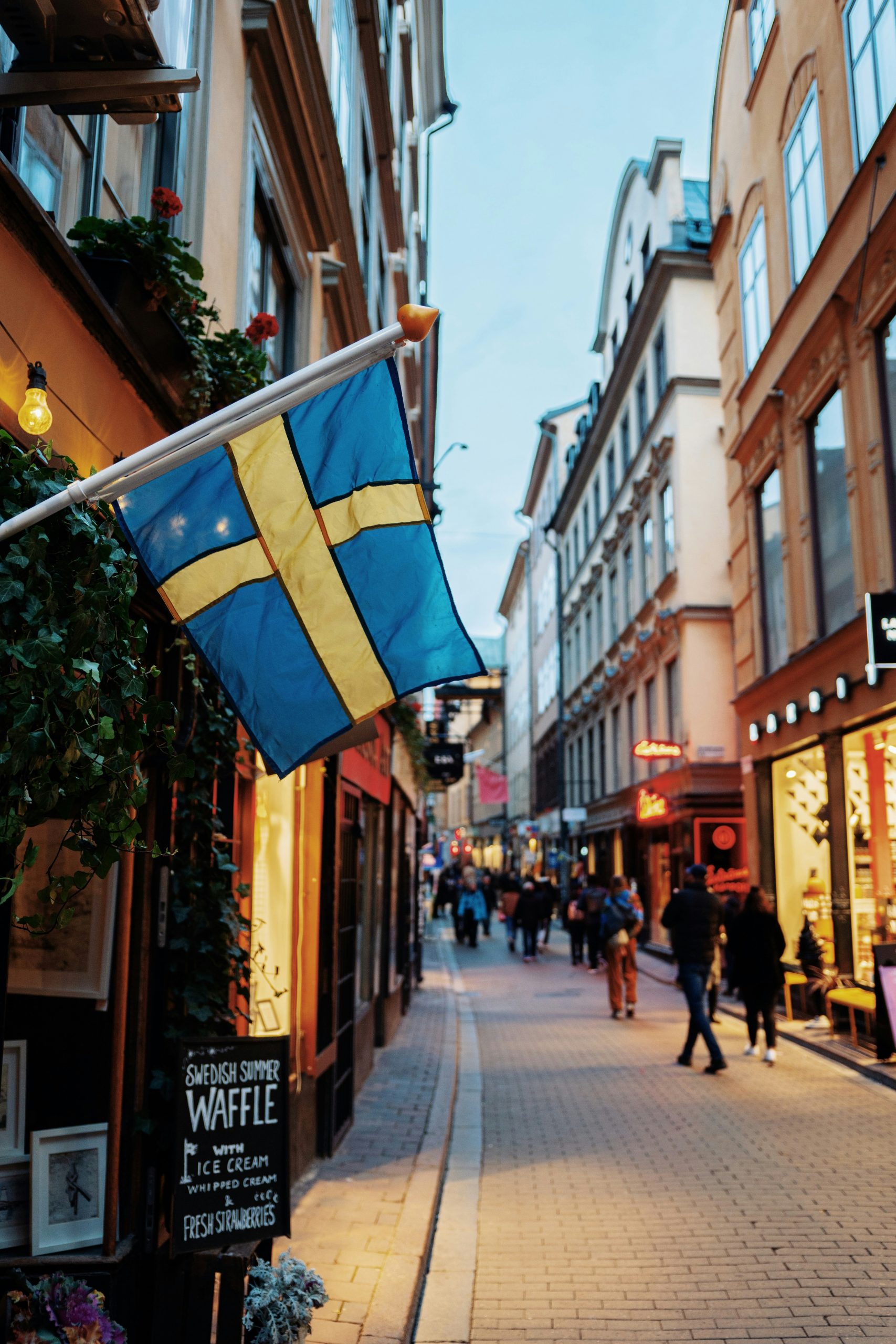
▲Medieval centre with cobbled streets and historic landmarks. Beautiful but touristy and expensive for students.
Södermalm
▼Vasastan
▼Kungsholmen
▼Östermalm
▼Hammarby Sjöstad
▼Universitetet & Frescati
▼Transport
Within Stockholm

Metro

Buses / Trams

Bikes / Scooters
Domestic & International

Ferries

Airport

Train
Culture & Lifestyle
Cost of Living: High compared to most of Europe. Alcohol is regulated and only sold in Systembolaget stores. Students often socialise at home to save money.
Climate: Long, dark winters balanced by bright, warm summers with extended daylight. Seasonal change strongly affects daily life.
Culture: Strong design, tech, and music culture, with world-class museums and a focus on sustainability. Student nations and university events are central to social life.
Social & Nightlife: Södermalm is the main nightlife area. Clubs and bars exist but are expensive; student parties and pre-drinks are common.
Lifestyle: Calm, structured, and environmentally conscious. Easy access to nature, lakes, forests, and the archipelago.
Inclusivity & Safety
LGBTQ+ Community
Very open and welcoming. Stockholm hosts one of Europe’s largest Pride festivals and has visible LGBTQ+ spaces, particularly in Södermalm. Inclusivity is widely reflected in student life and public culture.



Top Attractions & Local Experiences
Must-Sees
- Gamla Stan – Historic Old Town and city centre
- Vasa Museum – Preserved 17th-century warship
- Royal Palace – One of Europe’s largest royal residences
- City Hall (Stadshuset) – Nobel Prize venue with tower views
- Djurgården – Green island with museums and waterfront walks
Local Gems
- Södermalm cafés & bars – Student nightlife and creative spaces
- Fika culture – Coffee and pastries, central to daily life
- Archipelago boat trips – Easy nature escape from the city
- Fotografiska – Modern photography museum with views
- Kungsträdgården – Seasonal park (cherry blossoms, ice skating)
Pre-departure Essentials
Documents & Visas: EU/EEA students don’t need a visa. Non-EU students require a residence permit for studies, approved before arrival.
Health Insurance: EU students use EHIC. Non-EU students staying under one year need private insurance; longer stays require registration with Försäkringskassan.
Banking: Major banks include Swedbank, SEB, Handelsbanken, Nordea. A Swedish account is often needed for rent and Swish payments.
SIM Cards: Telia, Tele2, Telenor, and 3 offer prepaid and monthly plans from €10–20.
Post-arrival Essentials
Registration: Students staying over one year must register with Skatteverket to obtain a personnummer, essential for healthcare, banking, and contracts.
Banking & SIM: Opening a Swedish bank account enables Swish, the most common payment method in Sweden.
Health & Safety: Emergency number is 112. Healthcare is high quality and accessible.
Shopping: ICA, Coop, Hemköp, Lidl, Willys. Systembolaget is the only retailer for strong alcohol.
Apps: SL (transport), Swish (payments), Foodora & Wolt (delivery), Karma & Too Good To Go (discount food), Blocket (second-hand).