


Singapore (Singapore)
Destination Overview
Singapore is one of Asia’s most dynamic and liveable cities — a global hub for education, finance, and innovation. Known for its safety, cleanliness, and multicultural society, it is home to leading universities including National University of Singapore (NUS), Nanyang Technological University (NTU), and Singapore Management University (SMU). Compact and highly efficient, Singapore offers students a unique blend of Asian and Western lifestyles, exceptional public infrastructure, and easy access to Southeast Asia — all within a safe, English-speaking environment.
Quick Facts, Singapore

Climate
Singapore has a tropical climate, with hot, humid weather year-round (25–33°C) and frequent short, heavy rain showers.

Cost of Living
Living costs are moderate to high, with shared flats typically costing SGD 900–1,500 per month and weekly groceries averaging SGD 60–100.

Lifestyle
Efficient, safe, and highly urban, with world-class infrastructure, hawker food culture, and easy regional travel.

Vibe
Cosmopolitan, multicultural, and ambitious. Singapore blends Asian heritage with global business and student energy.

Safety
One of the safest cities in the world, with extremely low crime and strong public order.

Transport
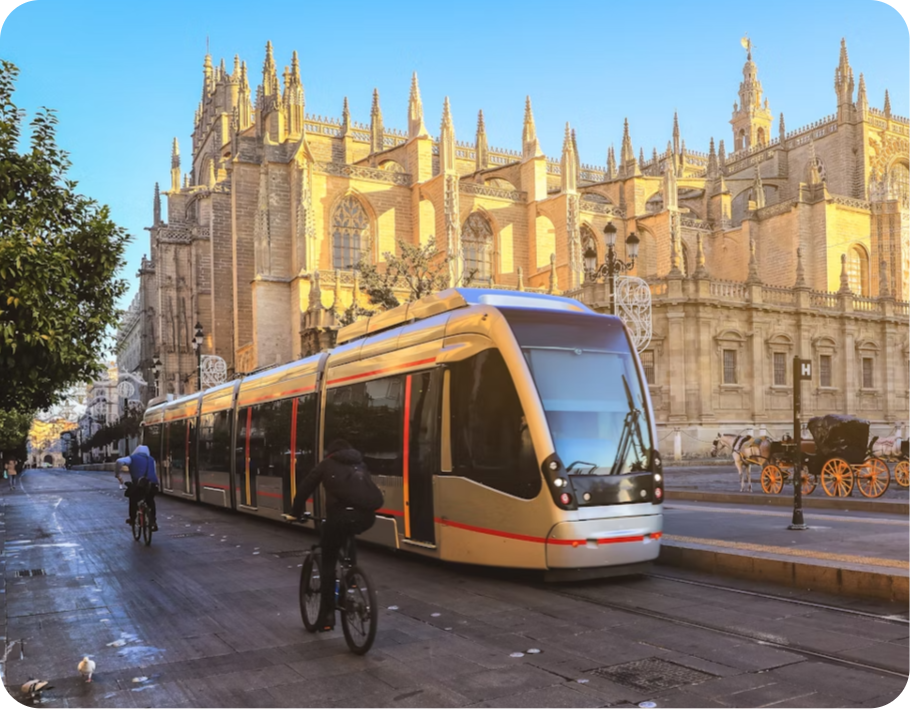
Excellent MRT and bus networks, highly walkable districts, and seamless international connectivity.
Areas & Neighbourhoods
1/2. Bras Basah / City Hall
▲Cultural and educational core of the city and home to SMU. Surrounded by museums, galleries, and green spaces, it’s lively and extremely central. Rents are higher, but the convenience and access to campus life make it attractive.
3. Bugis
▼4. Holland Village
▼5. Clementi
▼6. Queenstown
▼7. Tiong Bahru
▼8/9. Toa Payoh / Novena
▼10. East Coast
▼Transport
Within Singapore

MRT (Mass Rapid Transit)

Public Buses

Ride-hailing & Taxis

Walking / Cycling
Domestic & International

Regional Flights

Airport

Cross-border Bus & Rail
Culture & Lifestyle
Cost of Living: Shared flats typically cost SGD 900–1,500 per month, studios SGD 1,800–2,500. Meals at hawker centres range from SGD 5–10, coffee SGD 4–6, beer SGD 10–12, and groceries usually total SGD 60–100 per week.
Climate: Hot and humid year-round with regular tropical showers. Air-conditioning is standard in transport, malls, and most accommodation.
Culture: A vibrant fusion of Chinese, Malay, Indian, and Western influences. Food culture is central to daily life, and efficiency and rule-following shape public behaviour.
Social & Nightlife: Clarke Quay and Holland Village host nightlife, while rooftop bars and beach clubs offer more relaxed evenings.
Lifestyle: Clean, green, and highly organised. Students benefit from exceptional public services, safety, and proximity to beaches and parks.
Inclusivity & Safety
LGBTQ+ Community
Singapore’s social attitudes are evolving, and inclusivity has increased in recent years. Pride events such as Pink Dot have strong public support, especially among younger generations and university communities. While some conservative attitudes remain, most international students report feeling safe and accepted.




Top Attractions & Local Experiences
Must-Sees
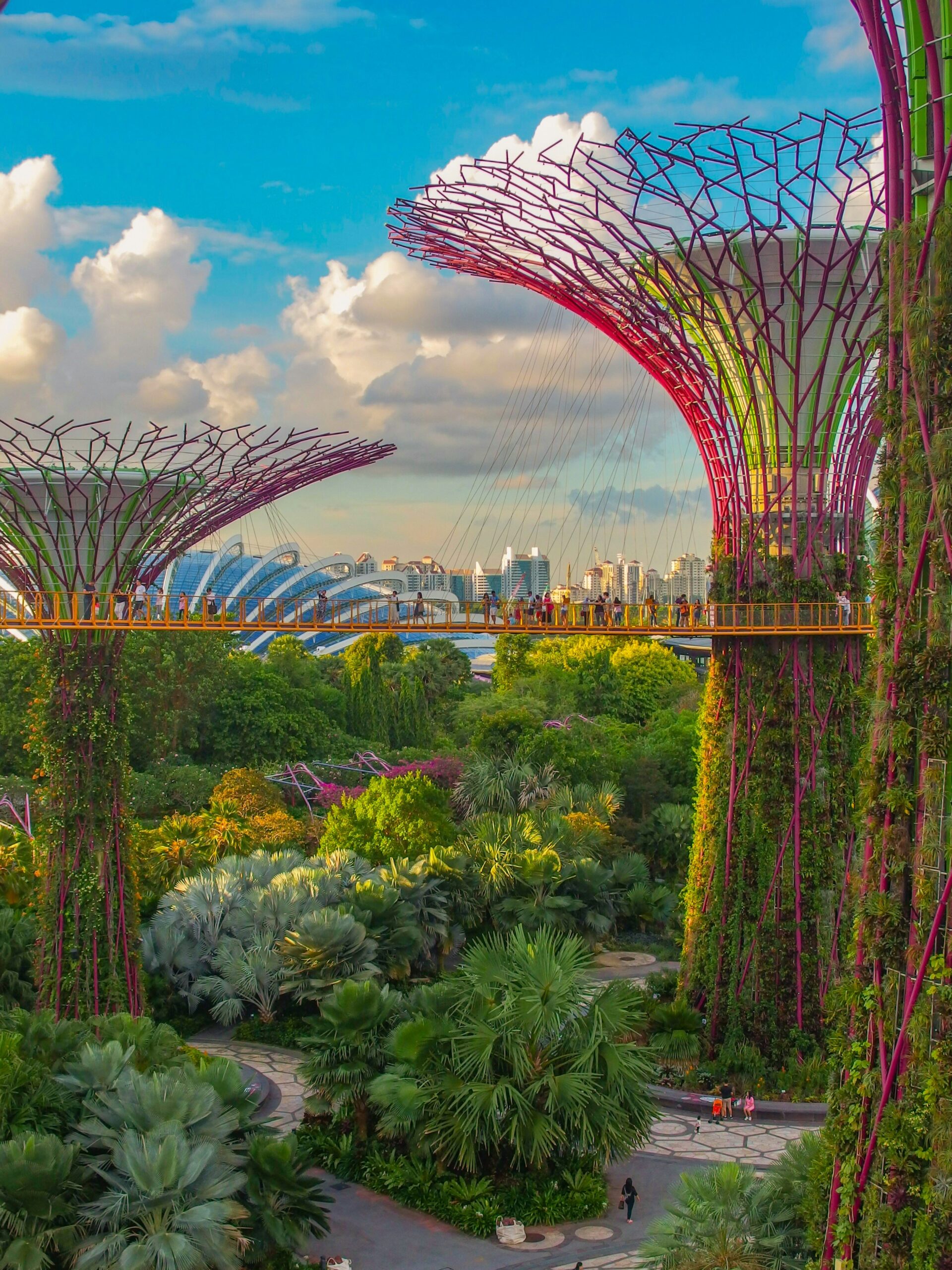
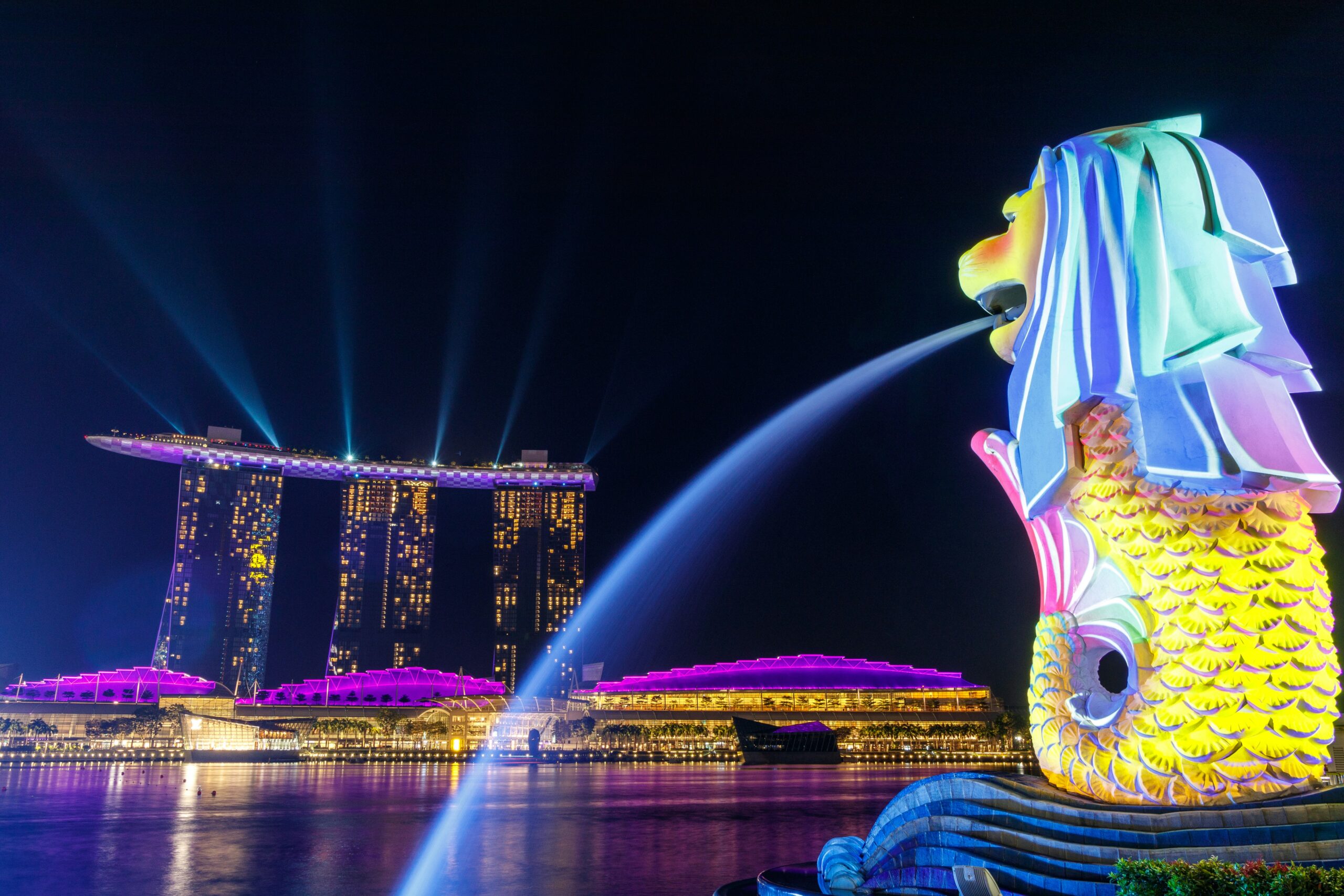
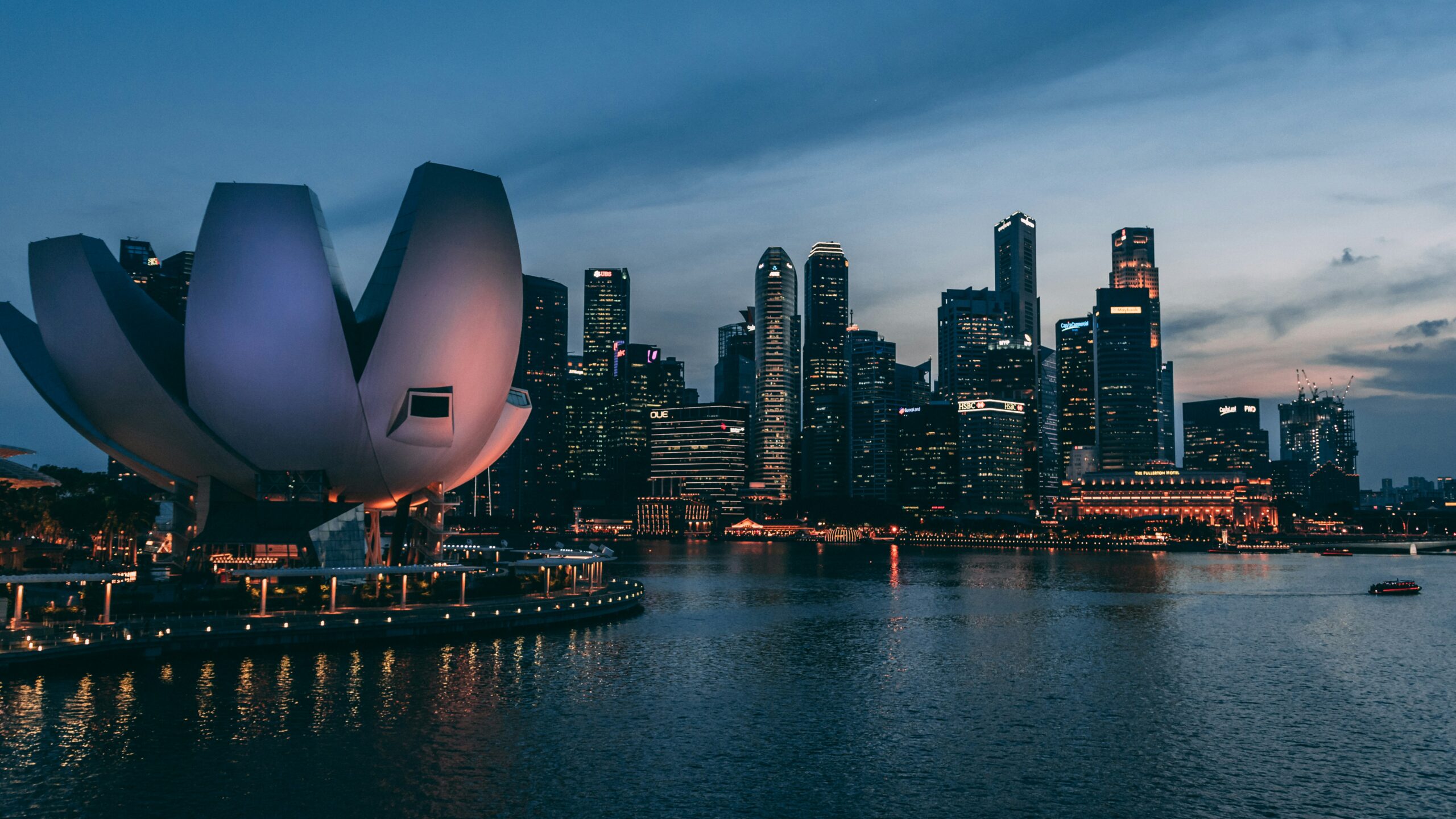
- Marina Bay Sands & Gardens by the Bay – Iconic skyline and futuristic gardens.
- Sentosa Island – Beaches, resorts, and attractions.
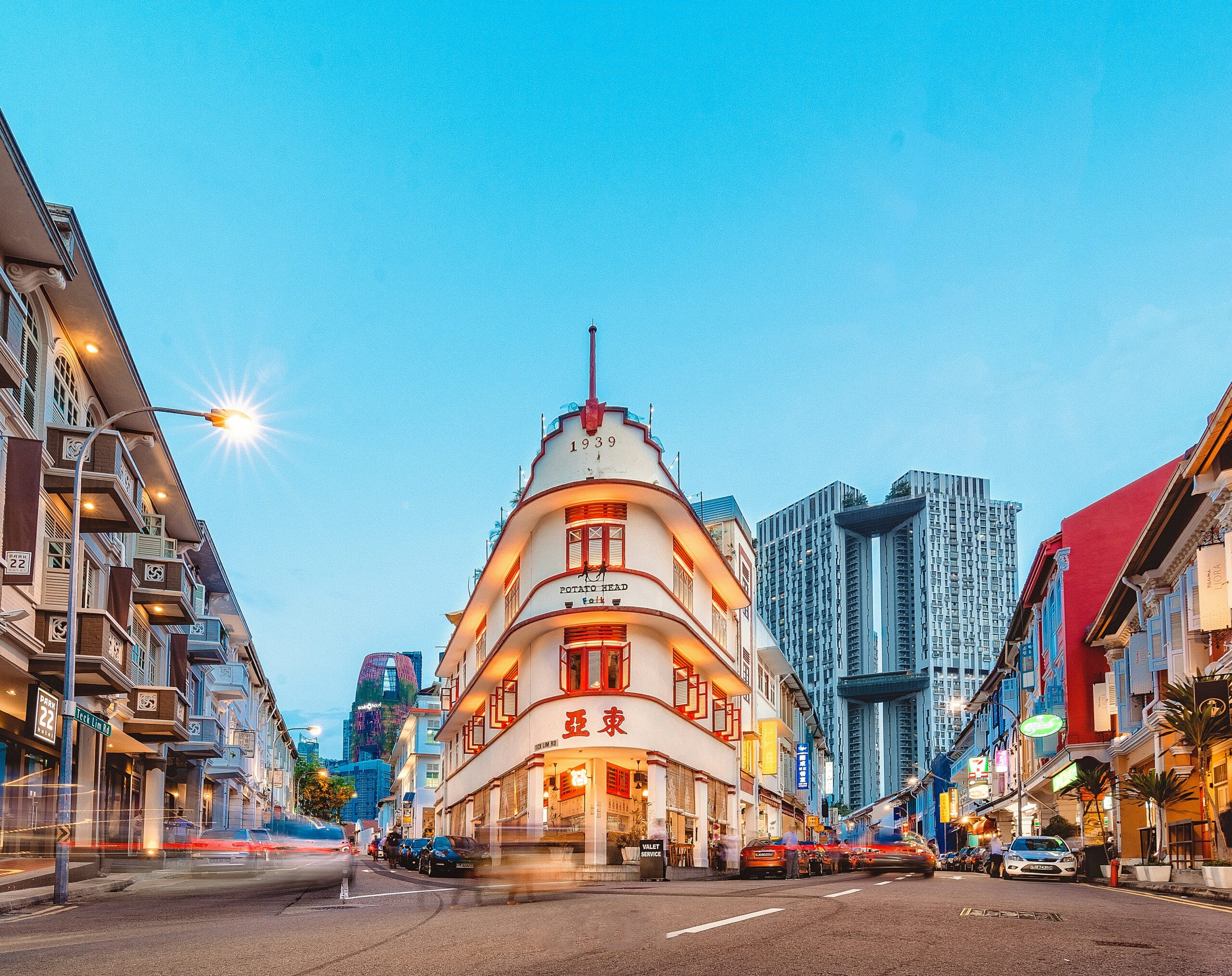
- Chinatown, Little India & Kampong Glam – Cultural heritage districts.
- Singapore Botanic Gardens – UNESCO-listed tropical gardens.
- Orchard Road – Major shopping boulevard.
- Clarke Quay – Riverside dining and nightlife hub.
Local Gems
- Hawker Centres – Maxwell, Lau Pa Sat, and Tiong Bahru for affordable local food.
- Southern Ridges Walk – Scenic nature trail across hilltop parks.
- Haji Lane – Indie boutiques, murals, and cafés.
- East Coast Park – Cycling, barbecues, and seaside relaxation.
- Gillman Barracks – Contemporary art spaces and events.
Pre-departure Essentials
Documents & Visas: Most international students require a Student’s Pass issued by Singapore’s Immigration & Checkpoints Authority (ICA). Applications are completed online before arrival.
Health Insurance: Mandatory for students, usually arranged through your university.
Banking: Major banks include DBS, UOB, and OCBC. Digital options such as Revolut and Wise are also widely used.
SIM Cards: Singtel, StarHub, and M1 offer prepaid or monthly student plans from SGD 20–30.
Post-arrival Essentials
Registration: Collect your Student’s Pass and register your residential address with ICA.
Banking & SIM: Open a local bank account for rent payments and everyday expenses.
Health & Safety: Emergency number is 995 for ambulance and fire services.
Shopping: NTUC FairPrice, Cold Storage, and Giant are main supermarkets; hawker centres provide affordable daily meals.
Apps: Useful apps include Grab (transport and food), SG Bus or MyTransport, Google Maps, Foodpanda, and PayLah! for payments.
Transport Setup: Purchase or activate an EZ-Link card for MRT and bus travel.