


Shanghai (China)
Destination Overview
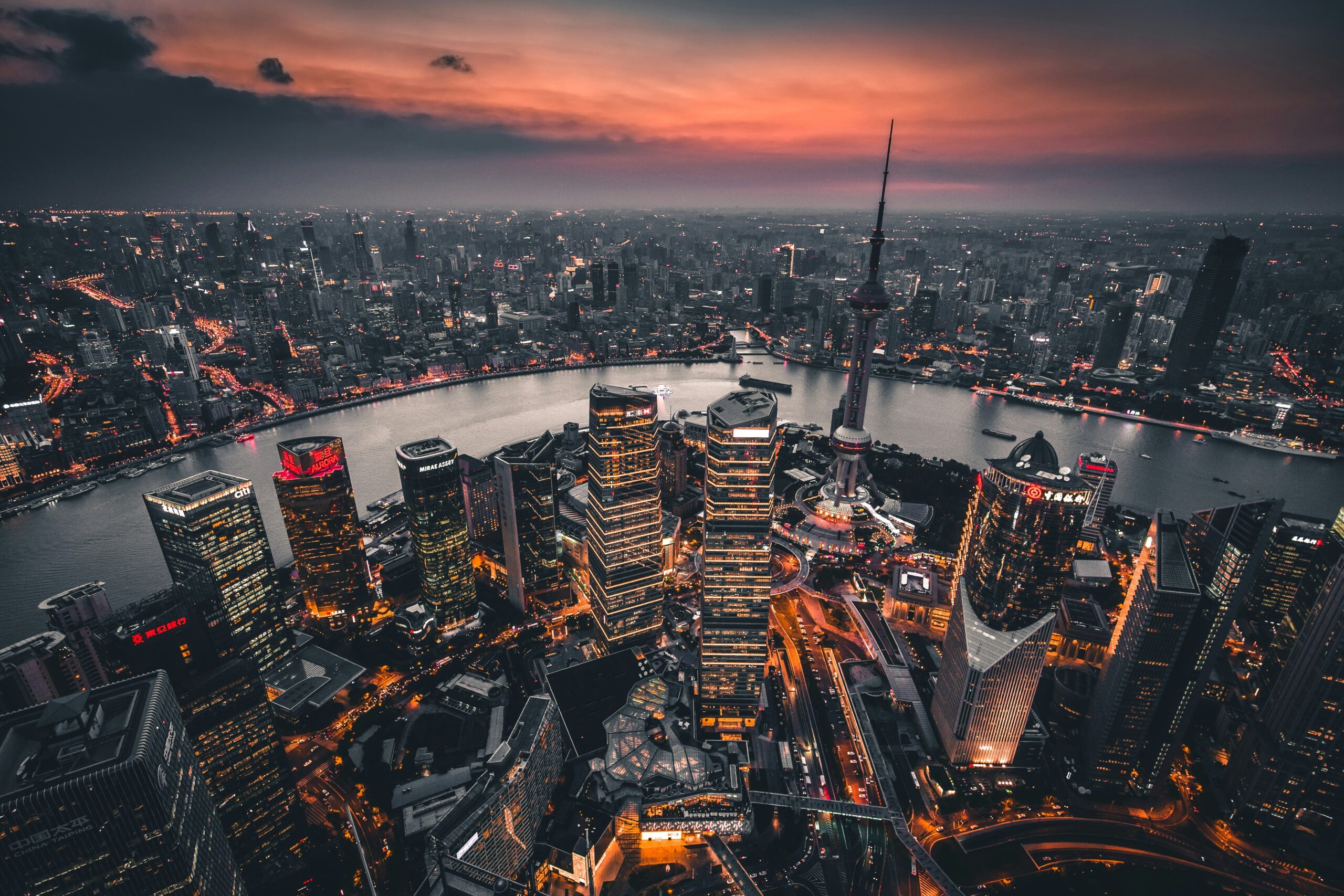
Shanghai is China’s largest and most cosmopolitan city — a global powerhouse of finance, technology, and culture where East meets West in striking contrast. Known for its futuristic skyline, vibrant nightlife, and international atmosphere, the city offers a fast-paced lifestyle for students seeking a modern Asian metropolis experience. Home to leading universities including Fudan University, Shanghai Jiao Tong University, and NYU Shanghai, Shanghai attracts a diverse global student community. Blending classical temples and colonial-era architecture with cutting-edge skyscrapers, the city delivers a unique mix of history, innovation, and opportunity.
Quick Facts, Shanghai

Climate
Humid subtropical, with hot rainy summers (25–35°C), cold winters (0–8°C), and mild spring/autumn seasons.

Cost of Living
Moderate for a global megacity. Shared flats typically cost ¥3,000–5,000/month, with groceries averaging ¥300–500 per week.

Lifestyle
Fast-paced, international, and convenience-driven, with excellent food, nightlife, and riverside green spaces.

Vibe
Modern, ambitious, and cosmopolitan — where traditional China meets futuristic urban life.

Safety
Very safe overall, with low violent crime; pickpocketing can occur in crowded tourist areas.

Transport
One of the world’s largest metro systems, plus buses, taxis, and bike-share.
Areas & Neighbourhoods
1. Huangpu
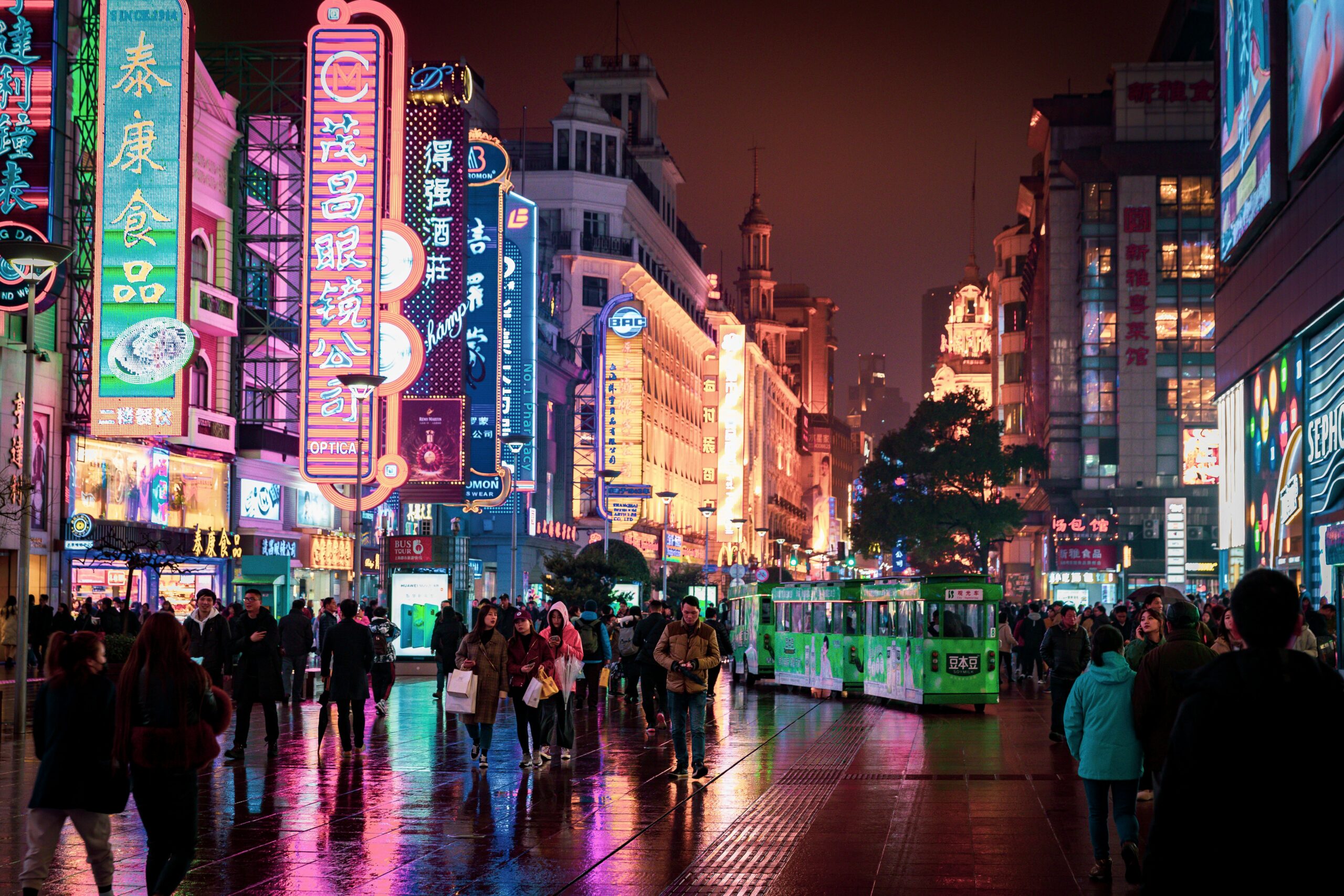
▲The historic heart of the city, home to The Bund, People’s Square, and Nanjing Road. Extremely central and lively, with great metro access. More expensive and tourist-heavy, but ideal for students who want to be in the middle of everything.
2. Xuhui
▼3. Jing’an
▼4. Changning
▼5. Yangpu
▼6. Pudong
▼7. Hongkou
▼8. Minhang
▼Transport
Within Shanghai

Metro

Buses

Taxis & Ride-hailing

Cycling
Domestic & International

Long-Distance Rail & Coach:

Airport

High-Speed Rail
Culture & Lifestyle
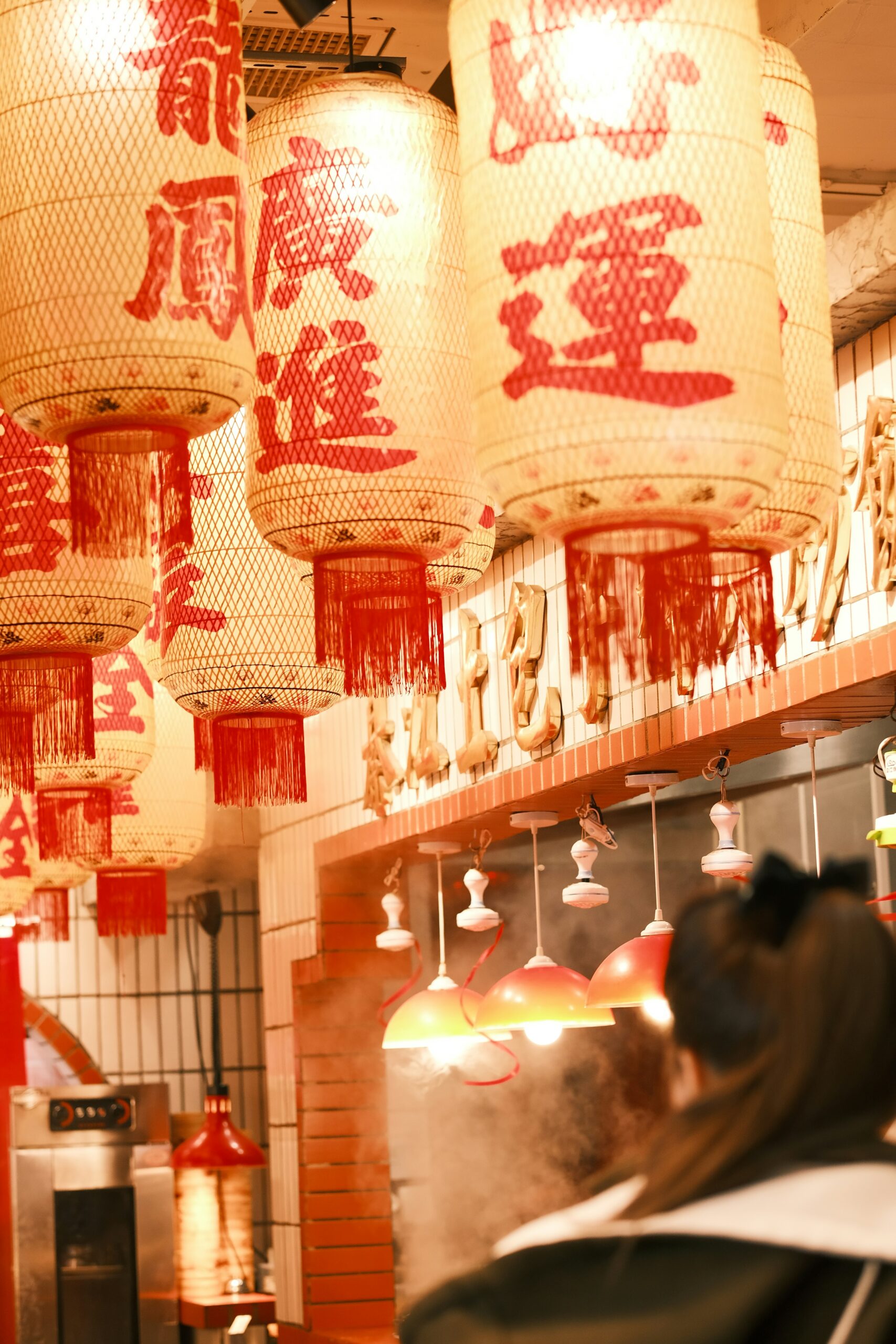
Cost of Living: Shared flats average ¥3,000–5,000/month, studios ¥6,000–8,000. Meals cost ¥40–80, coffee ¥25–35, and groceries usually total ¥300–500 per week.
Climate: Hot, humid summers and cold winters, with pleasant spring and autumn months.
Culture: A blend of modern art, global cuisine, and traditional Chinese life. Museums, galleries, theatres, and fashion districts shape the city’s creative identity.
Social & Nightlife: Buzzing nightlife around The Bund, Xintiandi, and Yongkang Road, with rooftop bars, clubs, and live music venues.
Lifestyle: Fast-paced and international, balanced by riverside walks, large parks, and café culture. A true 24/7 city.
Inclusivity & Safety
LGBTQ+ Community
While not officially recognised, Shanghai has one of China’s most visible and tolerant LGBTQ+ scenes, with inclusive venues and social groups in central districts. Most students find the city discreetly welcoming, especially within international circles.





Top Attractions & Local Experiences
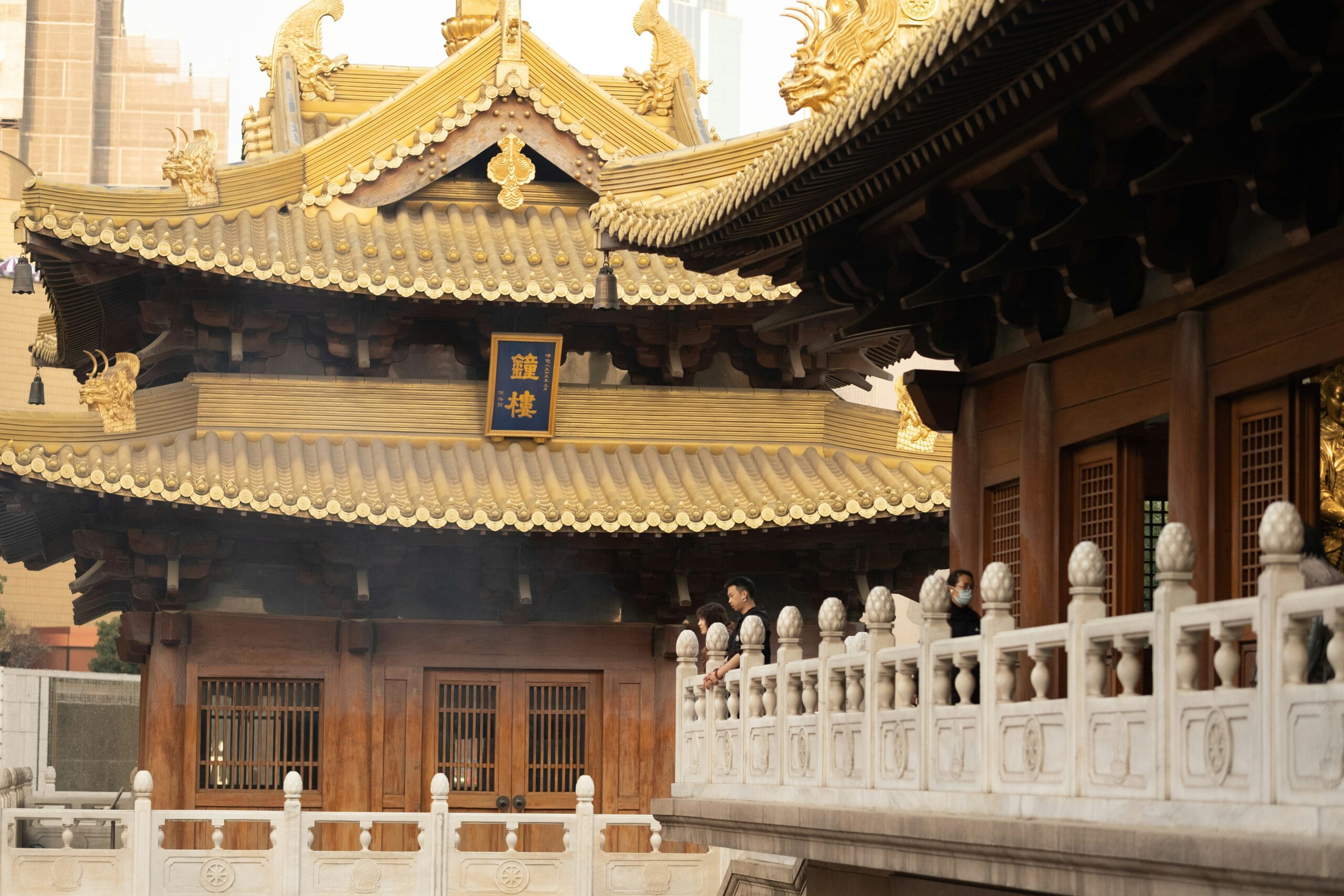
Must-Sees
- The Bund – Iconic waterfront with colonial architecture and skyline views.
- Yu Garden – Classical Chinese gardens in the Old City.
- Shanghai Tower – One of the world’s tallest buildings with observation decks.
- Nanjing Road – Major pedestrian shopping street.
- Former French Concession – Tree-lined avenues with cafés and historic villas.
- Jade Buddha Temple – Spiritual landmark housing famous jade statues.
- Xintiandi – Restored shikumen houses now filled with shops and restaurants.
Local Gems
- Tianzifang – Creative alleyways packed with art shops and cafés.
- West Bund – Riverside galleries and design spaces.
- People’s Park – Local social hub and famous weekend “marriage market.”
- Suzhou Creek – Revitalised riverside walks and art installations.
- Qibao Old Town – Traditional market town within the city.
Pre-departure Essentials
Documents & Visas: Non-Chinese students need an X1 or X2 student visa, applied for after receiving a university admission letter.
Health Insurance: Mandatory for all students and usually arranged through the university.
Banking: ICBC, Bank of China, and China Construction Bank are common. International cards are limited — opening a local account is recommended.
SIM Cards: China Mobile, China Unicom, and China Telecom offer plans from ¥100–200/month.
Post-arrival Essentials
Registration: Foreign students must register their residence at the local police station within 24 hours of arrival.
Banking & SIM: Bring your passport to open accounts or purchase SIM cards.
Health & Safety: Emergency numbers: 110 (police) and 120 (medical). Major hospitals have international clinics.
Shopping: Carrefour, Hema, and Metro are main supermarkets.
Apps: Alipay & WeChat Pay (payments), Didi (rides), Baidu Maps, Ele.me & Meituan (food delivery), and MetroMan (transport).