


Seville (Spain)
Destination Overview
Seville is the vibrant capital of Andalusia, known for its warm climate, historic architecture, and lively cultural scene. Famous for flamenco, tapas, and landmarks like the Alcázar and Seville Cathedral, it blends deep tradition with a youthful student atmosphere. With an affordable cost of living and a welcoming local community, it’s a popular choice for international students looking for both academic and cultural enrichment.
Quick Facts, Seville

Climate
Seville has very hot summers and mild winters, with spring and autumn offering the most pleasant weather.

Cost of Living
Living costs are affordable, with rooms from €350-€600 and weekly groceries averaging under forty euros.

Lifestyle
The city is walkable and bike-friendly, with a relaxed pace of life centred around food, sunshine, and friends.

Vibe
Seville blends historic beauty with a lively student atmosphere, making it welcoming, social, and energetic.

Safety
The compact city feels safe and easy to navigate, with very low violent crime and busy streets in the evenings.

Transport
Seville offers strong bus and bike networks, good walkability, and simple connections to nearby regional areas.
Areas & Neighbourhoods
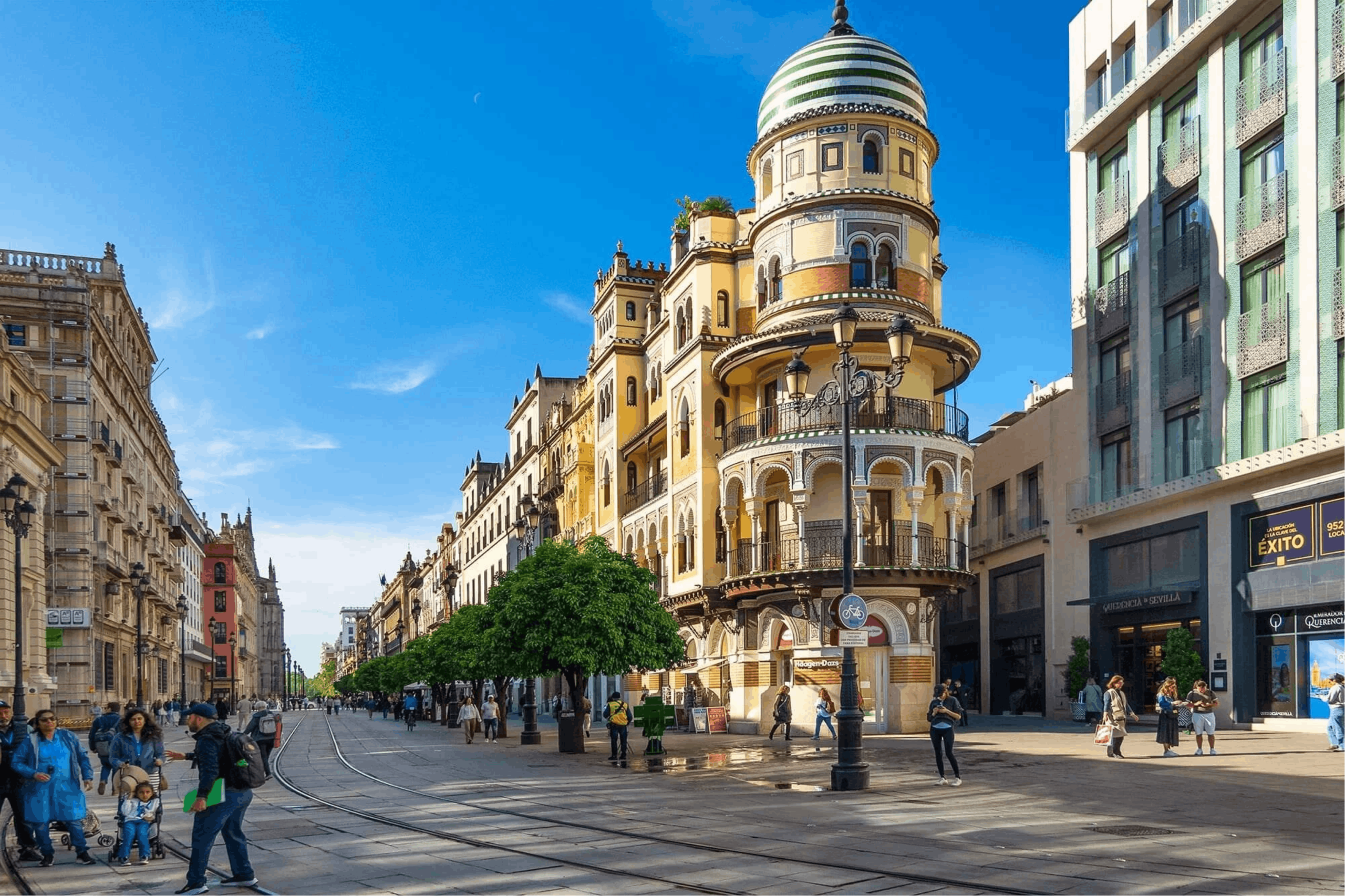
1. Casco Antiguo (Old Town)
▲The historic centre, full of narrow streets, lively plazas, and iconic sights, with tapas bars and nightlife on your doorstep. It’s the most expensive and touristy area, but unbeatable for atmosphere and being able to walk everywhere.
2. Alameda de Hércules
▼3. Macarena
▼4. Triana
▼5. Nervión
▼6. Los Remedios
▼7. Sur
▼Transport
Within Seville

Metro

Buses

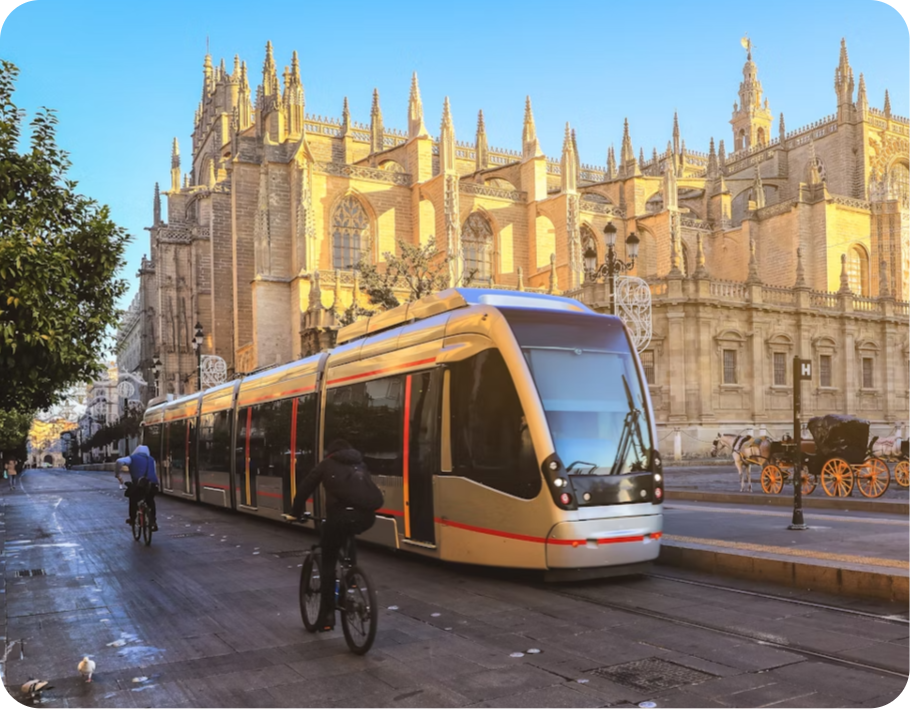
Trams

Cycling

Walking / Scooters
Domestic & International

Bus

Airport

Train
Culture & Lifestyle
Cost of Living: Seville is generally more affordable than Madrid or Barcelona. Thanks to tapas culture, eating out is inexpensive, with beers costing around €3 and coffees about €1.50. Housing is also relatively accessible: room rentals average €350-€600 per month, while studios range from €700-€900. Weekly grocery shopping typically comes in at under €40, making day-to-day living manageable for students.
Climate: Very hot summers (often 40°C+), with mild winters. Spring and autumn are the best seasons, when the city is buzzing, and outdoor life is at its peak.
Culture: Seville is steeped in tradition, from flamenco and ceramics to festivals like Semana Santa and Feria de Abril. Landmarks, theatres, and art spaces keep the cultural life active year-round.
Social & Nightlife: Relaxed but lively. Tapas bars, riverside hangouts, rooftop terraces, and late-night clubs. Socialising is an everyday part of life.
Lifestyle: Compact, walkable, and bike-friendly. Laid-back pace, with emphasis on food, sunshine, and spending time with friends.
Inclusivity & Safety
LGBTQ+ Community
Seville is known for being LGBTQ+ friendly. The Alameda de Hércules is the city’s main hub of inclusive nightlife, cafés, and cultural events, and it’s a welcoming space for students of all identities. Pride is celebrated, and diversity is part of the city’s social life.





Top Attractions & Local Experiences

Must-Sees
- Seville Cathedral & La Giralda – Gothic cathedral with panoramic tower views.
- Royal Alcázar – Palace with Moorish architecture and gardens.
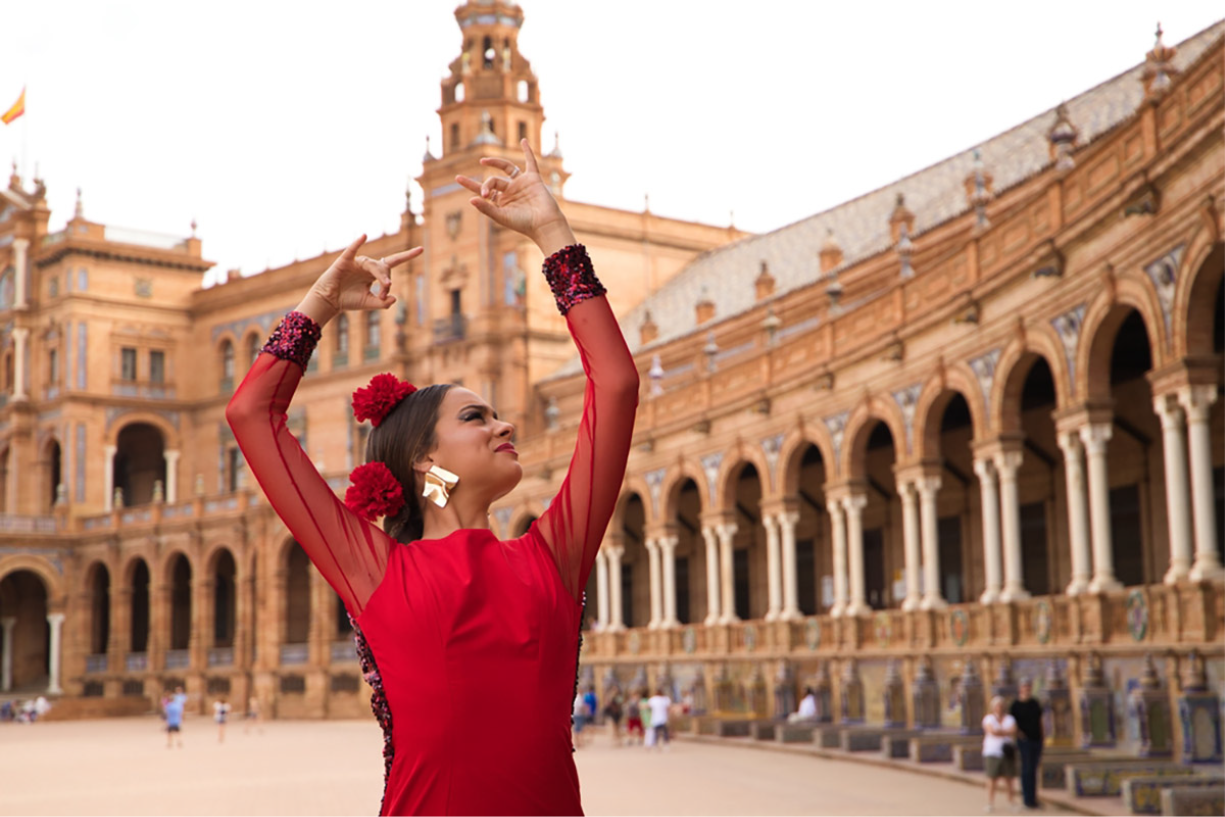
- Plaza de España – Iconic square in Maria Luisa Park.
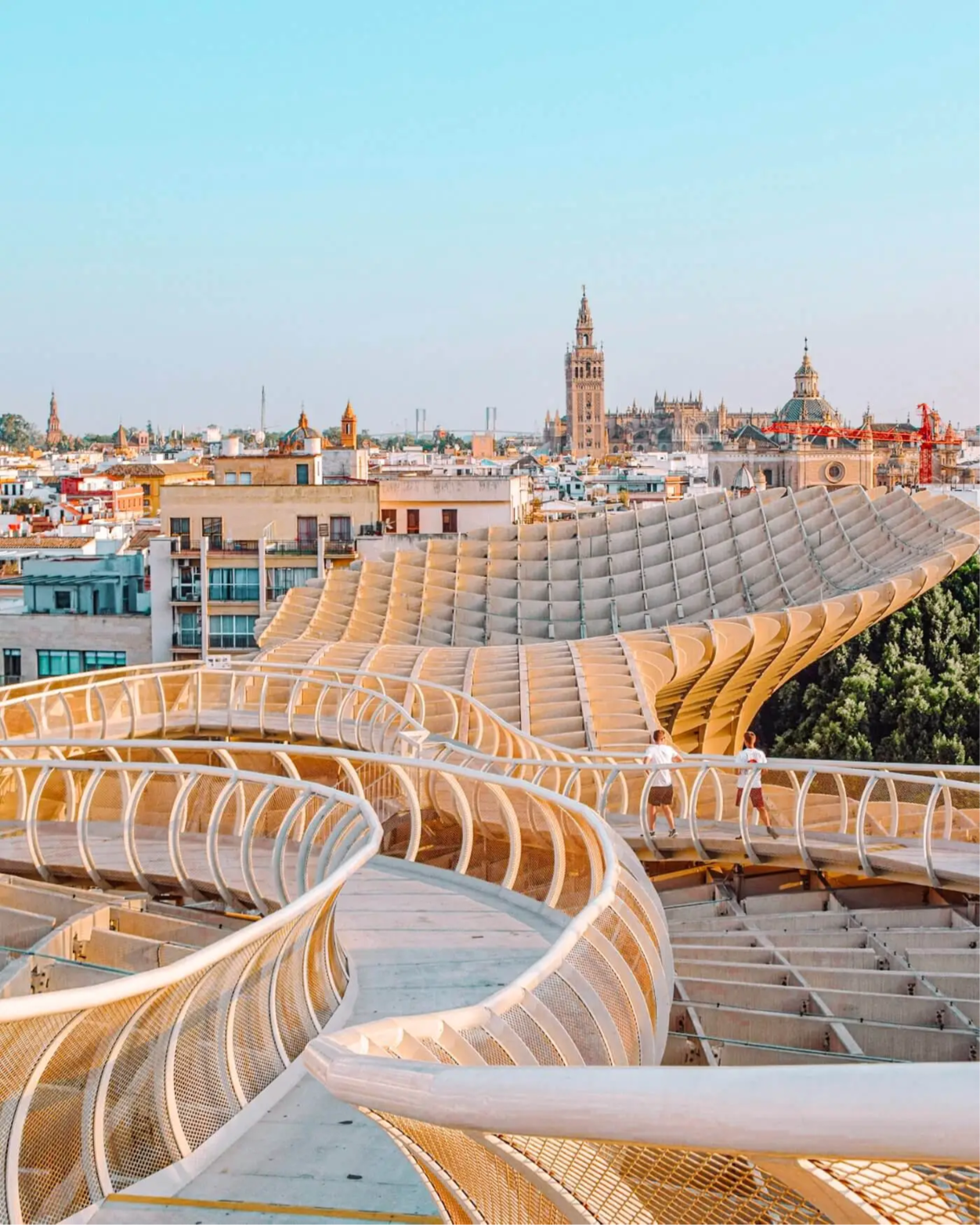
- Metropol Parasol ("Las Setas") – Modern wooden structure with city views.
- Barrio de Santa Cruz – Old Jewish quarter with narrow lanes and courtyards.
- Maria Luisa Park – Expansive gardens for picnics or cycling.
- Torre del Oro – Riverside tower with sunset views.
Local Gems
- Flamenco in Triana – Authentic performances where flamenco was born.
- Tapas crawl in Alameda – Student-friendly and buzzing nightlife.
- Triana pottery workshops – Try the district’s ceramic tradition.
- Rooftop terraces – Affordable drinks with skyline views.
- Markets – Mercado de Triana or Mercado de la Feria.
- River life – Evening strolls or bike rides along the Guadalquivir.
- Festivals – Semana Santa and Feria de Abril for unforgettable local culture.
Pre-departure Essentials
Documents & Visas: EU students do not need a visa to study or live in Spain. UK students and other non-EU nationals usually need a Spanish student visa if staying longer than 90 days, which must be arranged before arrival through the Spanish consulate. Non-EU young professionals normally require a work visa organised in advance by their employer.
Health Insurance: EU students can use a valid EHIC. UK students should apply for a GHIC. Non-EU students must arrange private health insurance that meets Spanish visa requirements and covers the full stay.
Banking: Spanish banks such as Santander and CaixaBank are widely used. Many students also use online banks like Revolut or N26, though a Spanish account may be required for rent or contracts.
SIM Cards: Unlocked phones work well in Spain. SIM cards are easy to buy from Movistar, Vodafone, and Orange, with pay-as-you-go or monthly plans starting from around €10–15.
Post-arrival Essentials
Registration: Students staying longer than three months must register their address at the local town hall (empadronamiento). Non-EU students also need to apply for a Foreigner Identity Card (TIE) shortly after arrival.
Banking & SIM: If not arranged before departure, students should open a Spanish bank account and purchase a local SIM card once in Seville.
Health & Safety: Carry your EHIC/GHIC or insurance details at all times. Once settled, locate your nearest public health centre and pharmacy. Emergency services are accessed via 112.
Shopping: Major supermarkets include Mercadona, Dia, and Carrefour. Many shops close on Sundays, especially outside the city centre.
Apps: Useful apps include Moovit (public transport), Glovo (food delivery), Wallapop (second-hand items), and Bizum (mobile payments).