


Seoul (South Korea)
Destination Overview
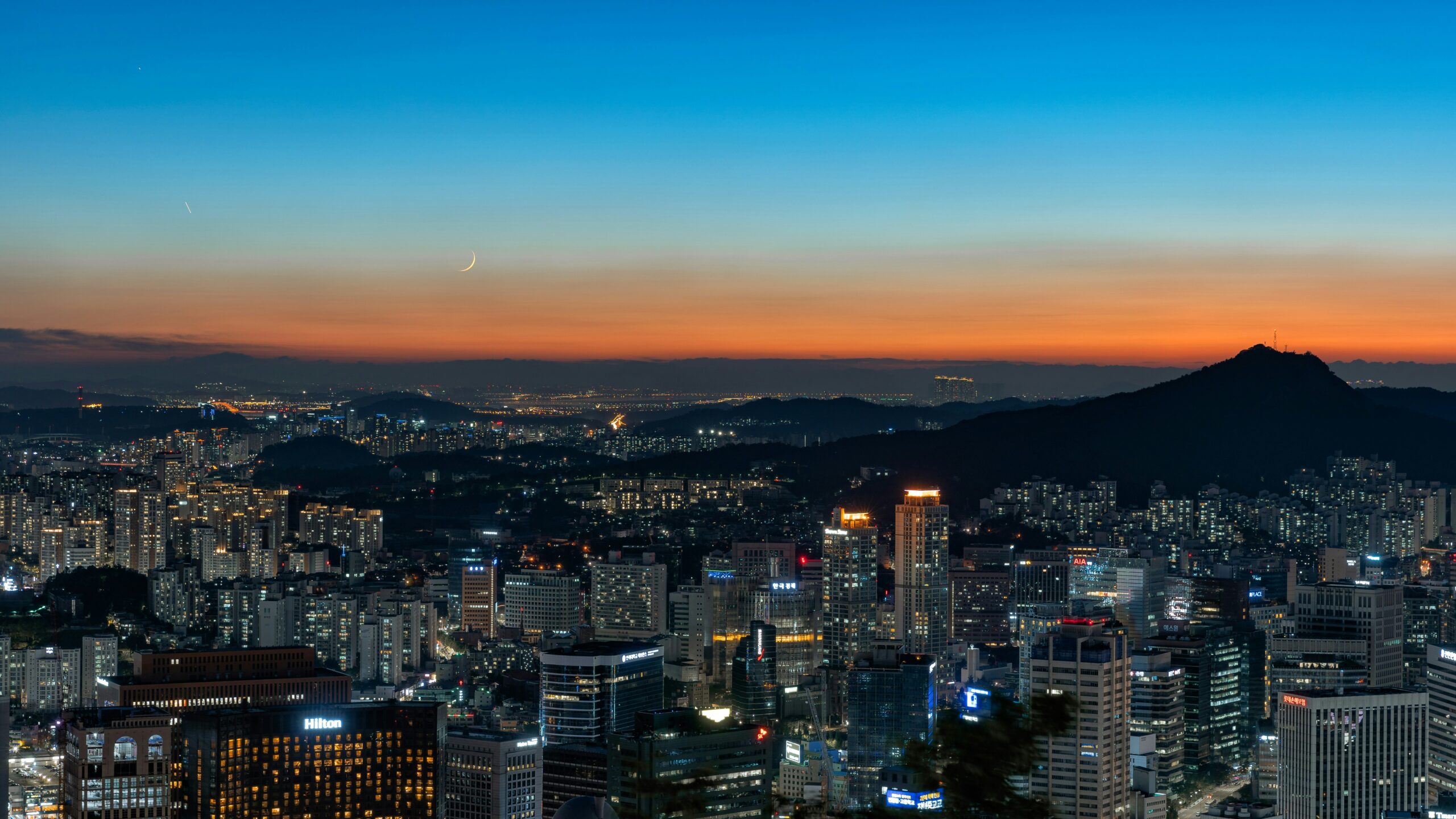
Seoul is a fast-paced metropolis that blends cutting-edge modernity with centuries of culture. Home to world-class universities, vibrant neighbourhoods, and a thriving tech and creative scene, the city attracts thousands of international students each year. Futuristic skyscrapers sit alongside royal palaces, while traditional markets thrive next to K-pop headquarters. Despite its size, Seoul is remarkably efficient, safe, and deeply connected through its excellent public transport and 24-hour lifestyle — making it an exciting and accessible place to live and study.
Quick Facts, Seoul

Climate
Seoul has four distinct seasons, with cold winters and hot, humid summers. Spring and autumn are the most comfortable times to live in the city.

Cost of Living
Living costs are moderate for a major Asian capital, with shared apartments typically costing ₩500,000–₩800,000 per month and weekly groceries averaging around ₩60,000–₩90,000.

Lifestyle
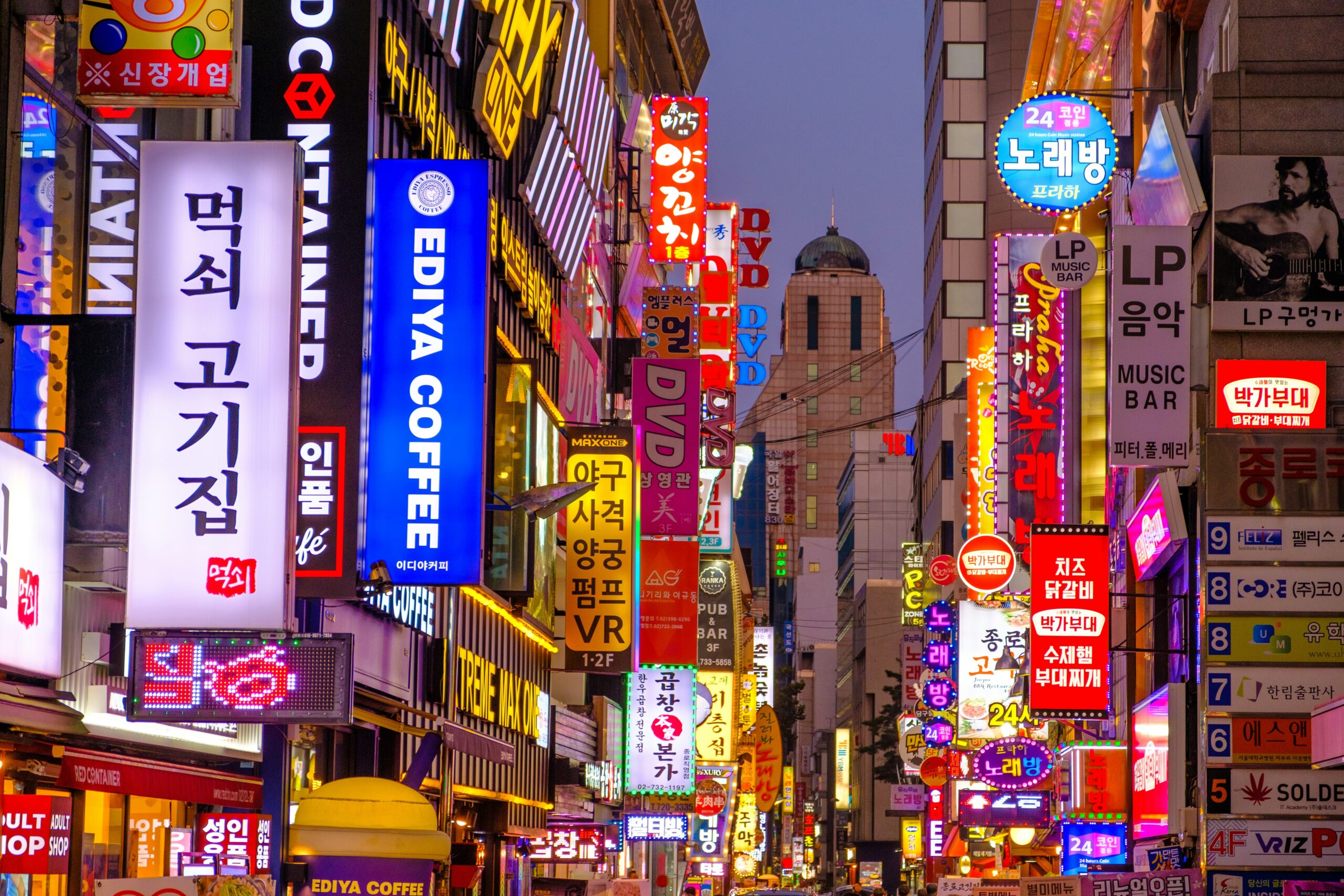
Fast-paced, tech-driven, and social, with late-night cafés, street food, and excellent public transport shaping daily life.

Vibe
Energetic, creative, and student-oriented. Seoul blends K-pop culture and innovation with deep-rooted tradition.

Safety
Extremely safe by global standards, with low crime rates and well-lit streets even late at night.

Transport
Outstanding metro and bus systems, affordable taxis, and strong domestic and international connections.
Areas & Neighbourhoods
1. Hongdae (Mapo-gu)
▲One of Seoul’s most student-focused districts around Hongik University, famous for street performances, indie music, cafés, and nightlife. Affordable shared housing and creative energy make it a top choice for international students.
2/3. Sinchon / Ewha
▼4. Gangnam
▼5. Itaewon
▼6. Jongno
▼7. Hyehwa (Daehangno)
▼8/9. Apgujeong & Cheongdam
▼10. Gwanak-gu
▼Transport
Within Seoul

Subway

Buses

Taxis

Cycling
Domestic & International

Intercity Bus

Airport

High-Speed Rail (KTX)
Culture & Lifestyle
Cost of Living: Shared flats typically cost ₩500,000–₩800,000 per month, studios more. Meals range from ₩7,000–₩12,000, coffee around ₩4,000, beer ₩5,000–₩6,000, and groceries usually total ₩60,000–₩90,000 per week.
Climate: Cold winters, hot humid summers, and pleasant spring and autumn seasons.
Culture: A dynamic mix of K-pop, technology, fashion, and centuries-old tradition. Students enjoy endless entertainment — from karaoke rooms and themed cafés to museums and hiking trails.
Social & Nightlife: Hongdae, Itaewon, and Gangnam lead nightlife, while neighbourhoods like Hyehwa offer more relaxed evenings.
Lifestyle: Safe, efficient, and highly connected, with digital payments, smart transport, and late-night dining built into everyday life.
Inclusivity & Safety
LGBTQ+ Community
Visibility is growing, particularly in Itaewon’s queer district, which hosts inclusive bars and cafés. While parts of Korean society remain conservative, younger generations are increasingly open, and most international students report feeling safe expressing themselves.




Top Attractions & Local Experiences
Must-Sees
- Gyeongbokgung Palace – Grand royal palace with traditional guard ceremonies.
- Bukchon Hanok Village – Traditional Korean houses and historic streets.
- Myeongdong – Shopping district famous for street food.
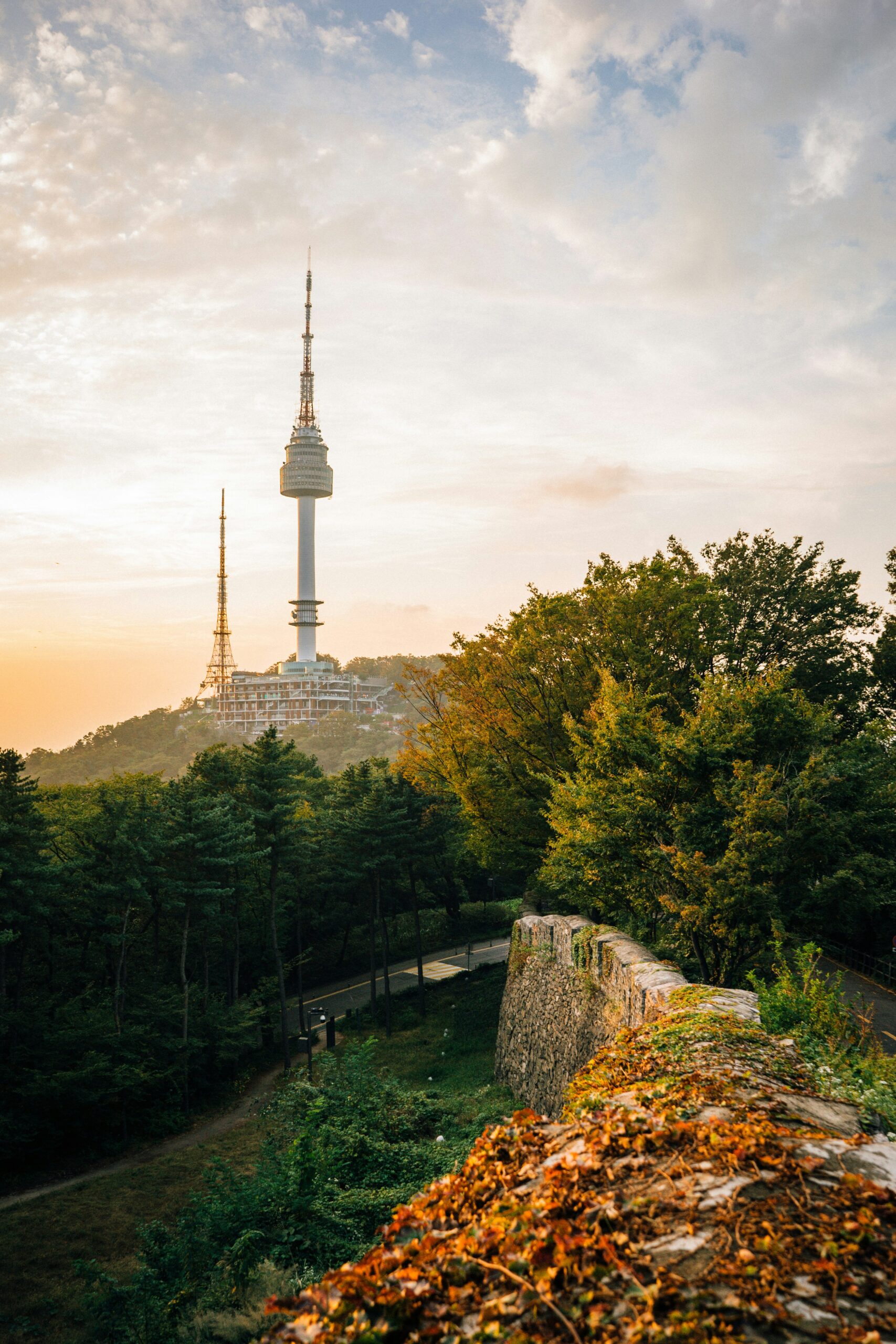
- Namsan Tower (N Seoul Tower) – Panoramic city views.
- Dongdaemun Design Plaza – Landmark of modern architecture.
- Lotte World & COEX – Massive shopping and entertainment complexes.
Local Gems
- Hongdae street markets – Indie fashion and handmade crafts.
- Ihwa Mural Village – Colourful art-filled neighbourhood.
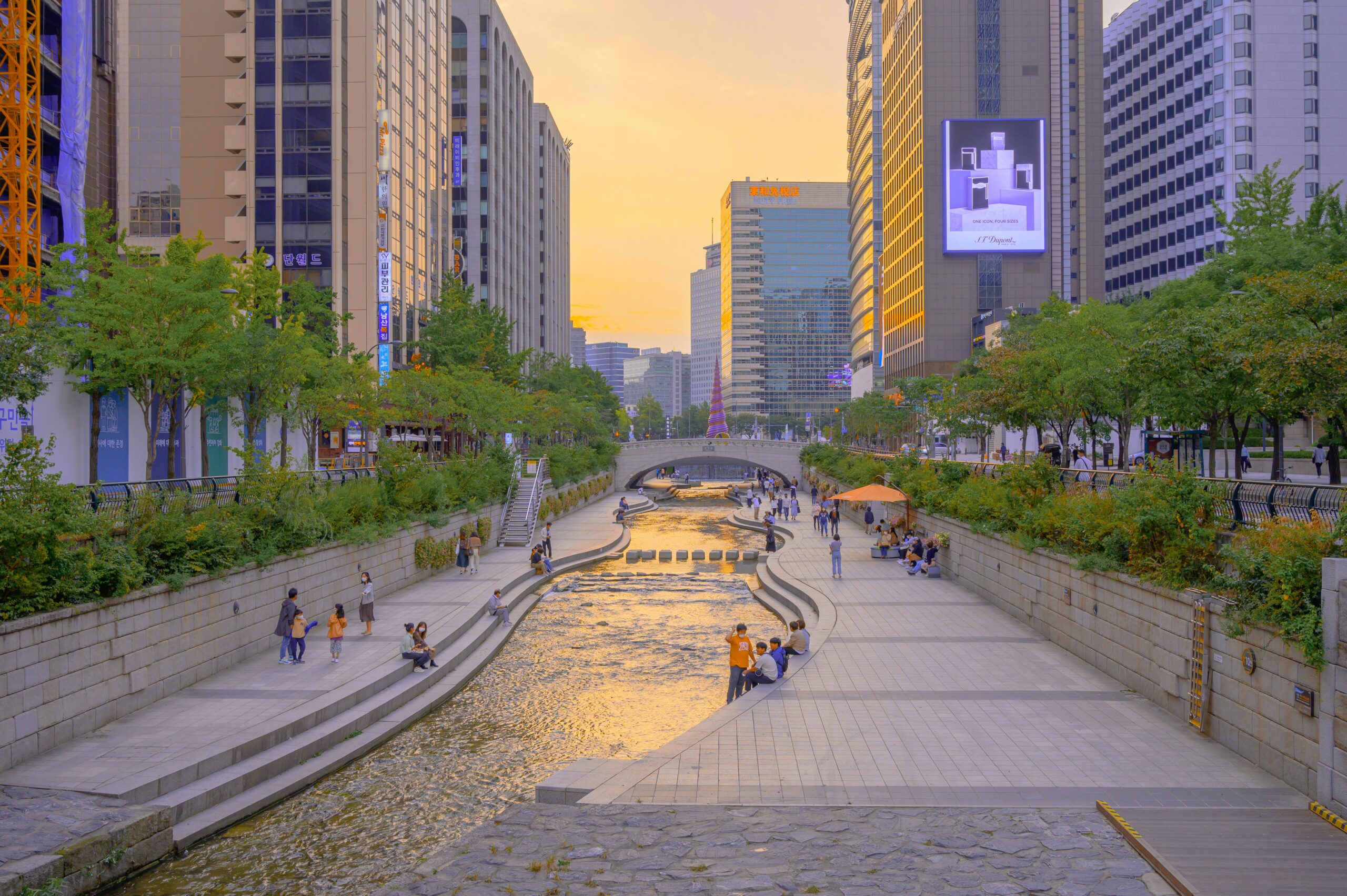
- Cheonggyecheon Stream – Scenic urban walkway through downtown.
- Han River Parks – Cycling, picnics, and seasonal festivals.
- Gwangjang Market – Classic Korean street food experience.
Pre-departure Essentials
Documents & Visas: Most students require a D-2 (degree) or D-4 (language study) visa, arranged before arrival.
Health Insurance: All residents must enrol in South Korea’s National Health Insurance Service shortly after arrival.
Banking: Major banks include KEB Hana, Shinhan, and Woori. Digital options like KakaoBank and Toss Bank are popular with students.
SIM Cards: KT, SK Telecom, and LG U+ offer prepaid or student-friendly plans, usually costing ₩30,000–₩50,000 per month.
Post-arrival Essentials
Registration: Register your address at immigration and obtain your Alien Registration Card (ARC).
Banking & SIM: Open a Korean bank account if staying long term and activate your local SIM.
Health & Safety: Emergency number is 119. Pharmacies and clinics are widespread and affordable.
Shopping: Convenience stores (CU, GS25, 7-Eleven) are everywhere, alongside supermarkets like E-Mart and Lotte Mart.
Apps: Useful apps include Naver Maps (navigation), KakaoTalk (messaging), Papago (translation), Coupang (shopping), and Yogiyo (food delivery).
Transport Setup: Buy a T-money or Cashbee card for metro and bus access.