


Santander (Spain)
Destination Overview
Santander is the coastal capital of the Cantabria region in northern Spain, known for its beaches, elegant seafront promenades, and green surroundings. Home to the University of Cantabria and international summer programmes at Menéndez Pelayo International University (UIMP), the city has a clear student presence alongside a relaxed, professional atmosphere. With a lower cost of living than Spain’s major cities and easy access to nature, Santander appeals to students looking for a calmer lifestyle by the sea.
Quick Facts, Santander

Climate
Mild oceanic climate with cooler summers and wetter winters than southern Spain.

Cost of Living
Affordable, with student rooms typically €250–€400 and groceries €25–40 per week.

Lifestyle
Relaxed and coastal, combining student life with beaches and green spaces.

Vibe
Calm, friendly, and traditional, with a strong student presence.

Safety
Very safe city with low crime rates.

Transport
Reliable bus network and good regional connections by train, bus, and ferry.
Areas & Neighbourhoods
1. Centro / Paseo de Pereda
▲The heart of the city, close to shops, restaurants, nightlife, and the bay. Very convenient and lively, though housing is more expensive and can be noisy.
2. El Sardinero
▼3/4. Calle Alta & Numancia
▼5. Cuatro Caminos
▼6. Cazoña
▼7/8. Valdenoja & Monte
▼9. Castilla-Hermida
▼Transport
Within Santander

Buses

Walking & Cycling

Taxis
Domestic & International

Bus

Airport

Train

Ferry
Culture & Lifestyle

Cost of Living: Santander is affordable compared to larger Spanish cities. Shared flats usually cost €250–€400 per month, studios €450–€650. Meals €8–12, coffee around €1.50–2, beer €2–3. Weekly groceries average €25–40.
Climate: Oceanic climate with mild, wet winters (7–14°C) and pleasant summers (22–27°C). Rain is common year-round.
Culture: A mix of traditional Spanish and coastal influences, with landmarks such as the Palacio de la Magdalena and a strong calendar of cultural events, especially during summer.
Social & Nightlife: Student nightlife centres around Cañadío Square, Peña Herbosa, and the city centre, with tapas bars, pubs, and beachside venues.
Lifestyle: Relaxed and outdoors-focused, combining student life with beach access, coastal walks, and nearby countryside.
Inclusivity & Safety
LGBTQ+ Community
Santander is welcoming and increasingly inclusive, with Pride events and LGBTQ+-friendly venues.





Top Attractions & Local Experiences
Must-Sees
- Palacio de la Magdalena – Former royal summer residence on a scenic peninsula.
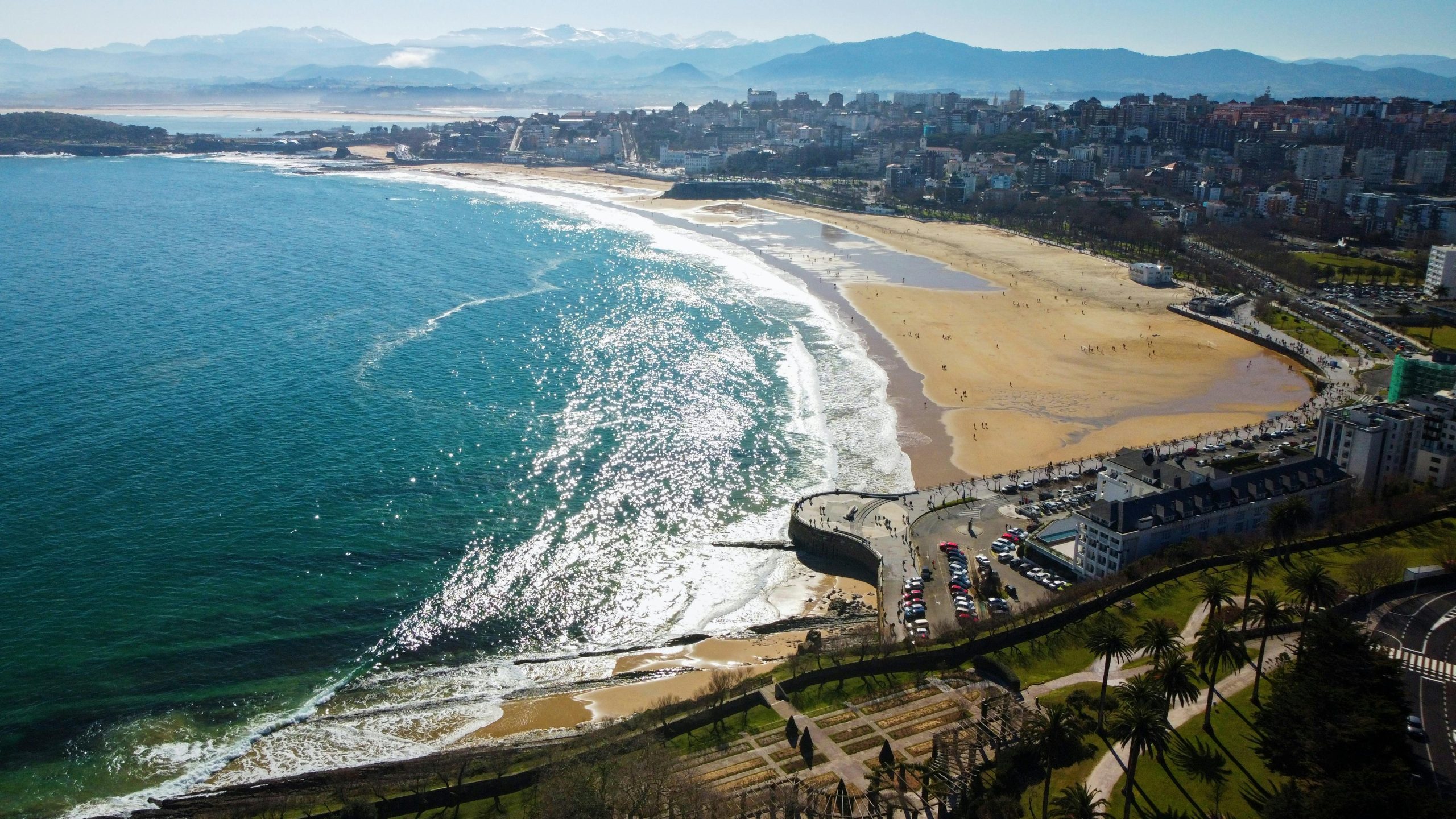
- El Sardinero Beach – Santander’s most famous urban beach.
- Centro Botín – Modern art and cultural centre on the waterfront.
- Paseo Marítimo – Seafront promenade ideal for walks and cycling.
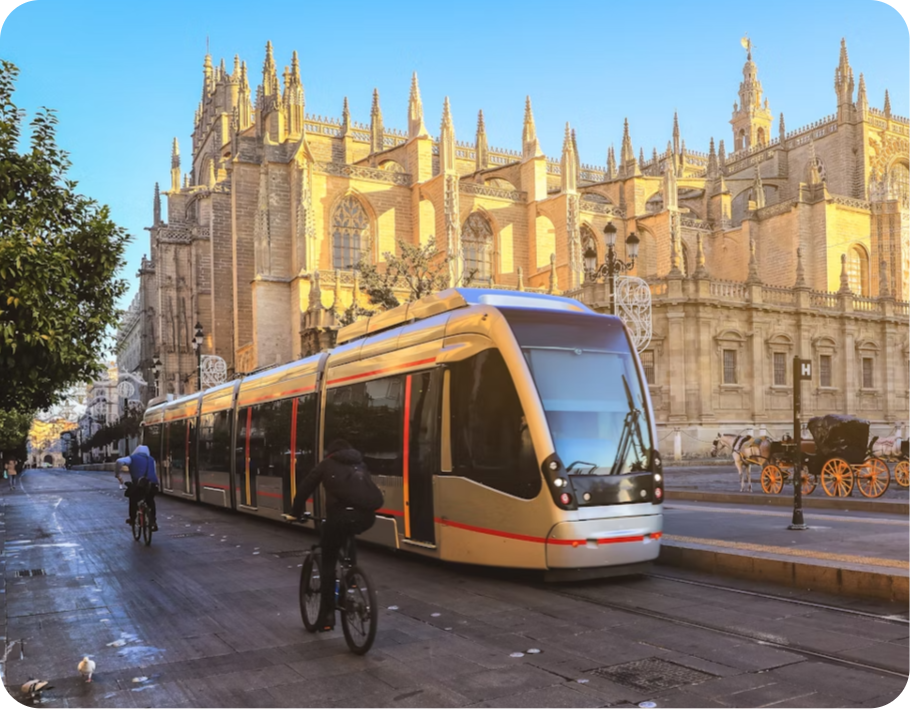
- Santander Cathedral – Historic Gothic cathedral complex.
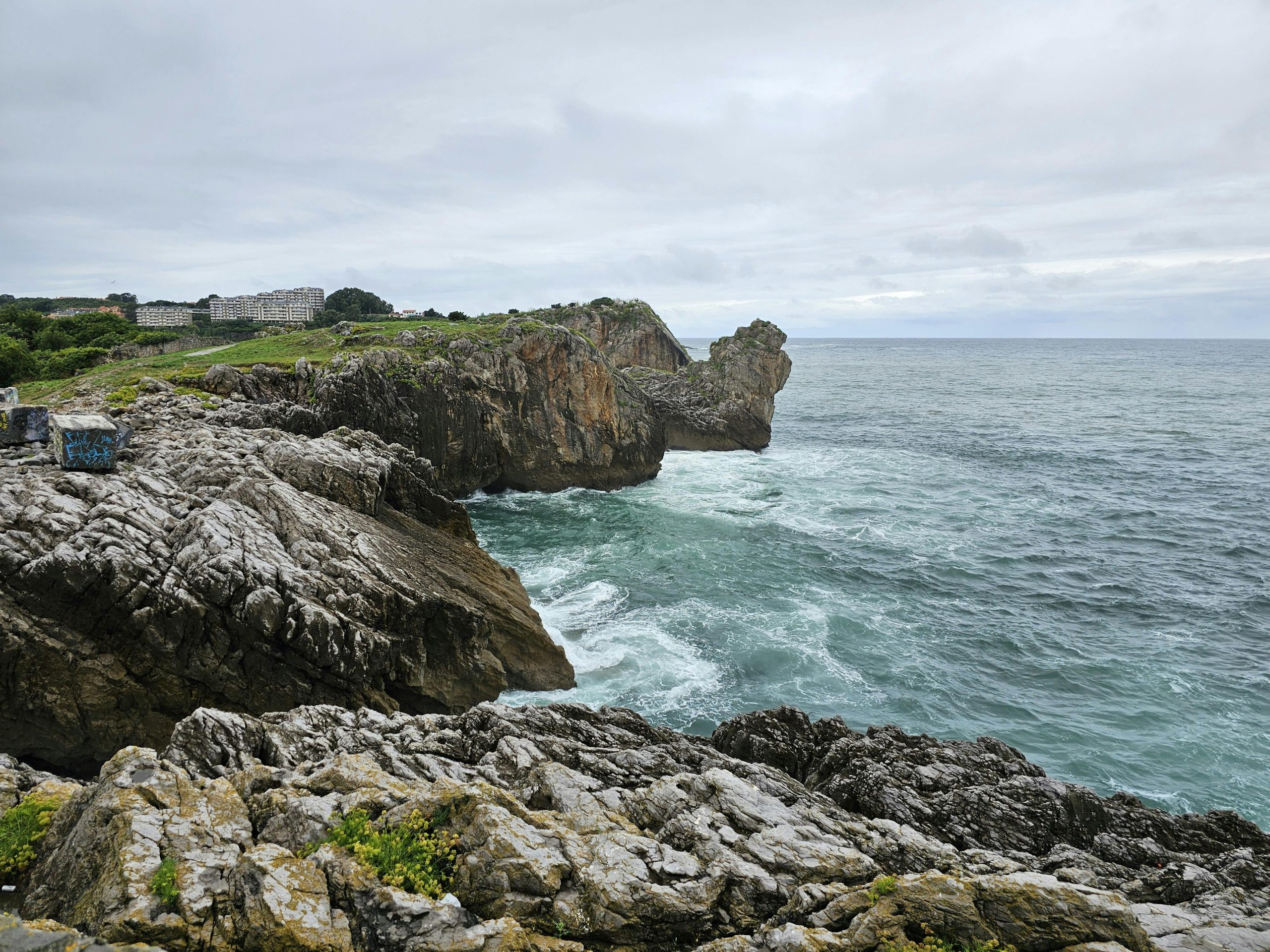
- Cabo Mayor Lighthouse – Dramatic coastal views and walking trails.
- Cantabria Maritime Museum – Exhibits on the region’s maritime history.
Local Gems
- Tapas in Cañadío Square and Peña Herbosa – Student-friendly nightlife areas.
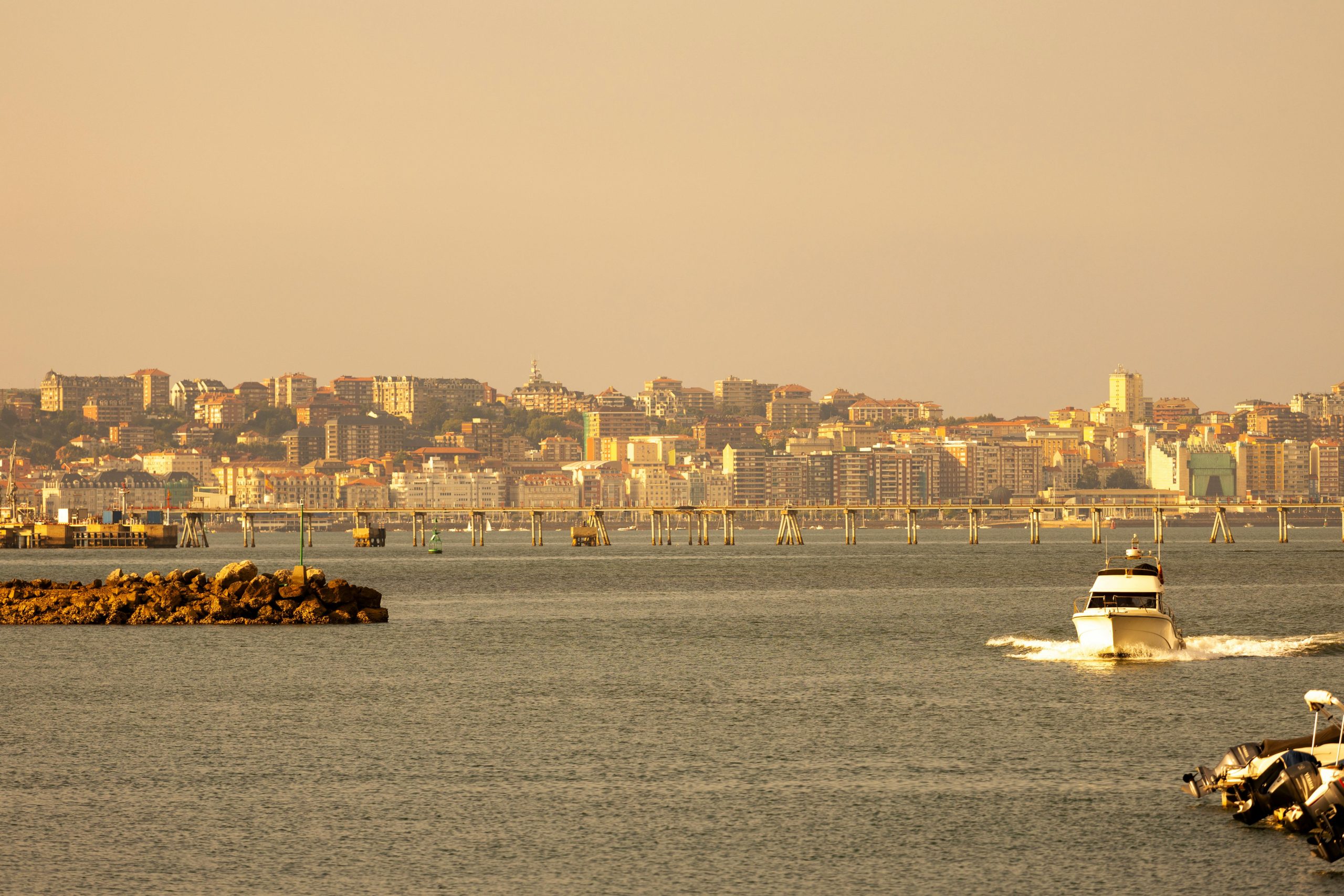
- Boat trips across Santander Bay – Popular and affordable local experience.
- Mercado de la Esperanza – Traditional food market in the city centre.
- Surfing in Somo – Nearby beach known for beginner-friendly waves.
- Day trips to the Picos de Europa – Hiking and nature within reach.
Pre-departure Essentials
Documents & Visas: EU students do not need a visa to study or live in Spain. UK students and other non-EU nationals usually need a Spanish student visa if staying longer than 90 days, arranged before arrival through the Spanish consulate.
Health Insurance: EU students should bring a valid EHIC. UK students should apply for a GHIC. Non-EU students must arrange private health insurance that meets visa requirements.
Banking: Spanish banks such as Santander, BBVA, and CaixaBank are widely used. Many students also use Revolut or N26, though a Spanish account may be required for rent.
SIM Cards: SIM cards are easy to buy from Movistar, Vodafone, Orange, and MásMóvil, with monthly plans from around €10–20.
Post-arrival Essentials
Registration: Students staying longer than three months must register their address at the town hall (empadronamiento). Non-EU students must apply for a Foreigner Identity Card (TIE).
Banking & SIM: Open a Spanish bank account and purchase a local SIM card if not arranged before arrival.
Health & Safety: Carry your EHIC/GHIC or insurance details. Emergency number is 112. Pharmacies are widespread.
Shopping: Major supermarkets include Mercadona, Carrefour, Alimerka, Lidl, and Dia.
Apps: Useful apps include Moovit (transport), Glovo (delivery), Too Good To Go (discount food), Badi (housing), and Bizum (payments).