


Salamanca (Spain)
Destination Overview
Salamanca is one of Europe’s oldest and most prestigious university cities, located in western Spain near the Portuguese border. Home to the University of Salamanca, founded in 1218, the city is a UNESCO World Heritage Site with a stunning historic centre built from golden sandstone. Students make up a large part of the population, creating a lively, youthful atmosphere. With affordable living costs, a strong Erasmus community, and a reputation as a centre for learning Spanish, Salamanca is one of Spain’s most attractive destinations for a year abroad.
Quick Facts, Salamanca

Climate
Cold winters and hot summers, with clear seasonal changes.

Cost of Living
Very affordable, with student rooms €200–€350 and groceries €25–40 per week.

Lifestyle
Student-driven, historic, and social, with a strong international language-learning community.

Vibe
Lively, academic, and traditional, with constant student energy.

Safety
One of Spain’s safest student cities, with low crime rates.

Transport
Compact and walkable, supported by an affordable local bus network.
Areas & Neighbourhoods
1. Centro Histórico
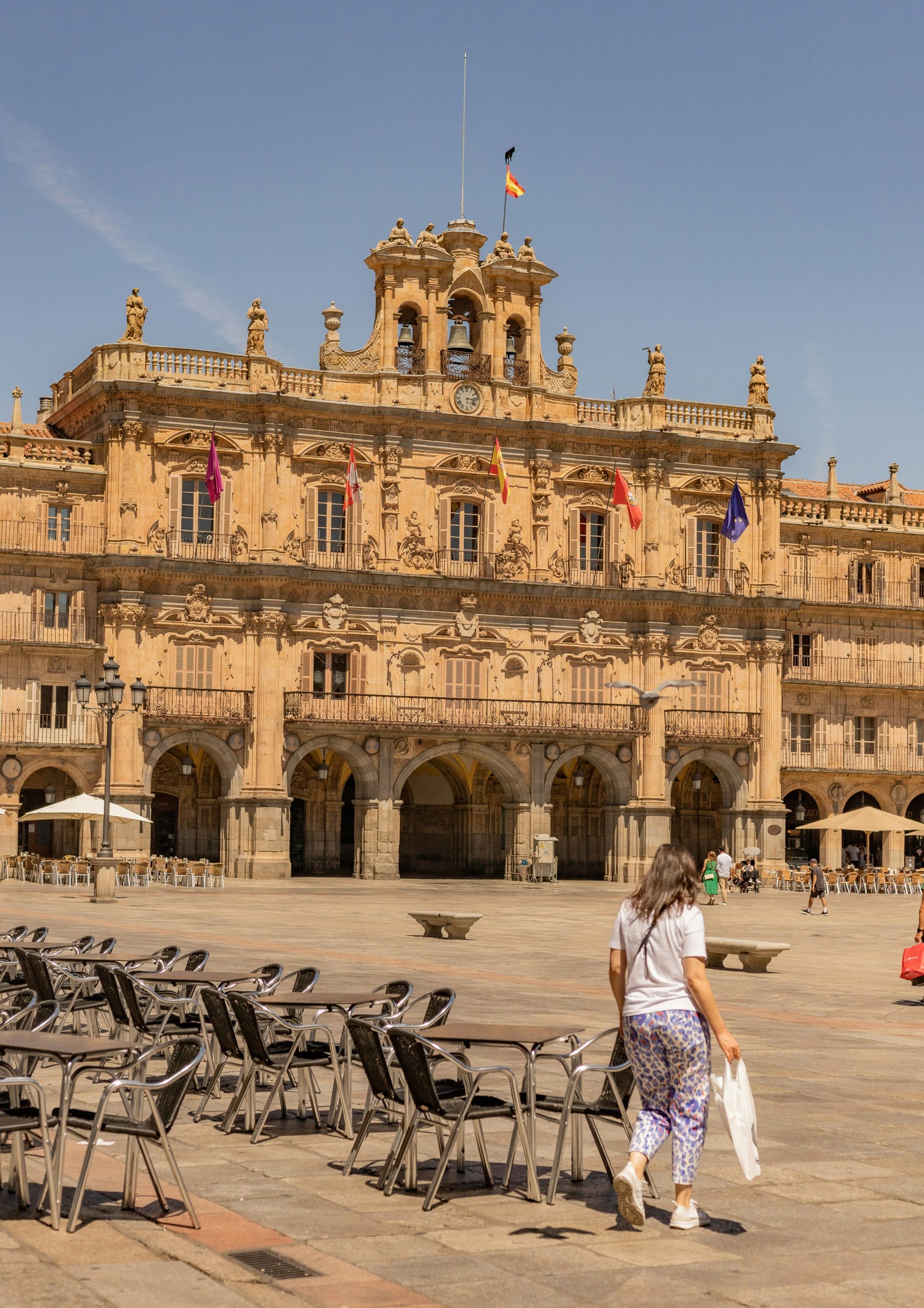
▲The historic heart of the city around Plaza Mayor and the university buildings. Extremely atmospheric and central, with nightlife and culture on your doorstep. More expensive than other areas and can be noisy, especially at night.
2. San Bernardo
▼3. Carmelitas
▼4. Canalejas
▼5. Van Dyck
▼6. Garrido
▼Transport
Within Salamanca

Buses

Cycling

Walking
Domestic & International

Buses

Airport

Train
Culture & Lifestyle
Cost of Living: Very affordable compared to larger Spanish cities. Shared flats typically cost €200–€350 per month, studios €450–€600. Meals €7–10, coffee €1.50–2, beer around €2. Weekly groceries usually €25–40.
Climate: Continental climate with cold winters (0–8°C) and hot summers (28–35°C). Spring and autumn are particularly pleasant.
Culture: Renowned for its Renaissance architecture, academic heritage, and student traditions. The university plays a central role in city life and festivals.
Social & Nightlife: Plaza Mayor is the social heart of the city, lively day and night. Student nightlife centres around Van Dyck, Carmelitas, and the historic centre, with tapas culture at its core.
Lifestyle: Affordable, historic, and student-driven. Salamanca has a close-knit international community and a strong reputation for language learning and cultural exchange.
Inclusivity & Safety
LGBTQ+ Community
Salamanca has a welcoming, student-driven atmosphere. While the LGBTQ+ scene is smaller than in Madrid or Barcelona, visibility is growing thanks to the international student population and university-led initiatives.





Top Attractions & Local Experiences
Must-Sees
- Plaza Mayor – One of Spain’s most beautiful main squares and the city’s social hub.
- University of Salamanca – Historic university buildings with the famous façade and frog carving.
- Casa de las Conchas – Gothic landmark decorated with stone shells.
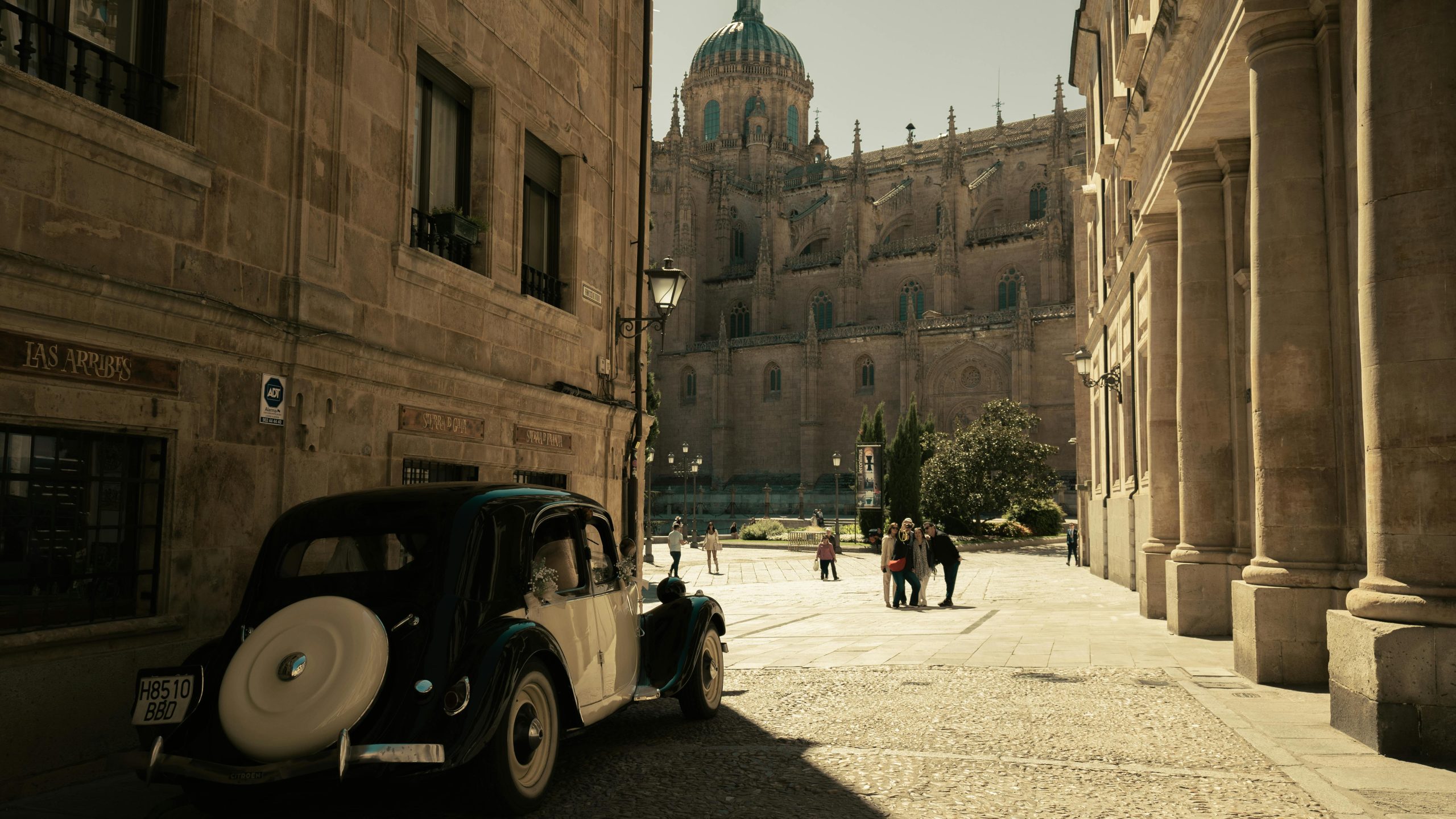
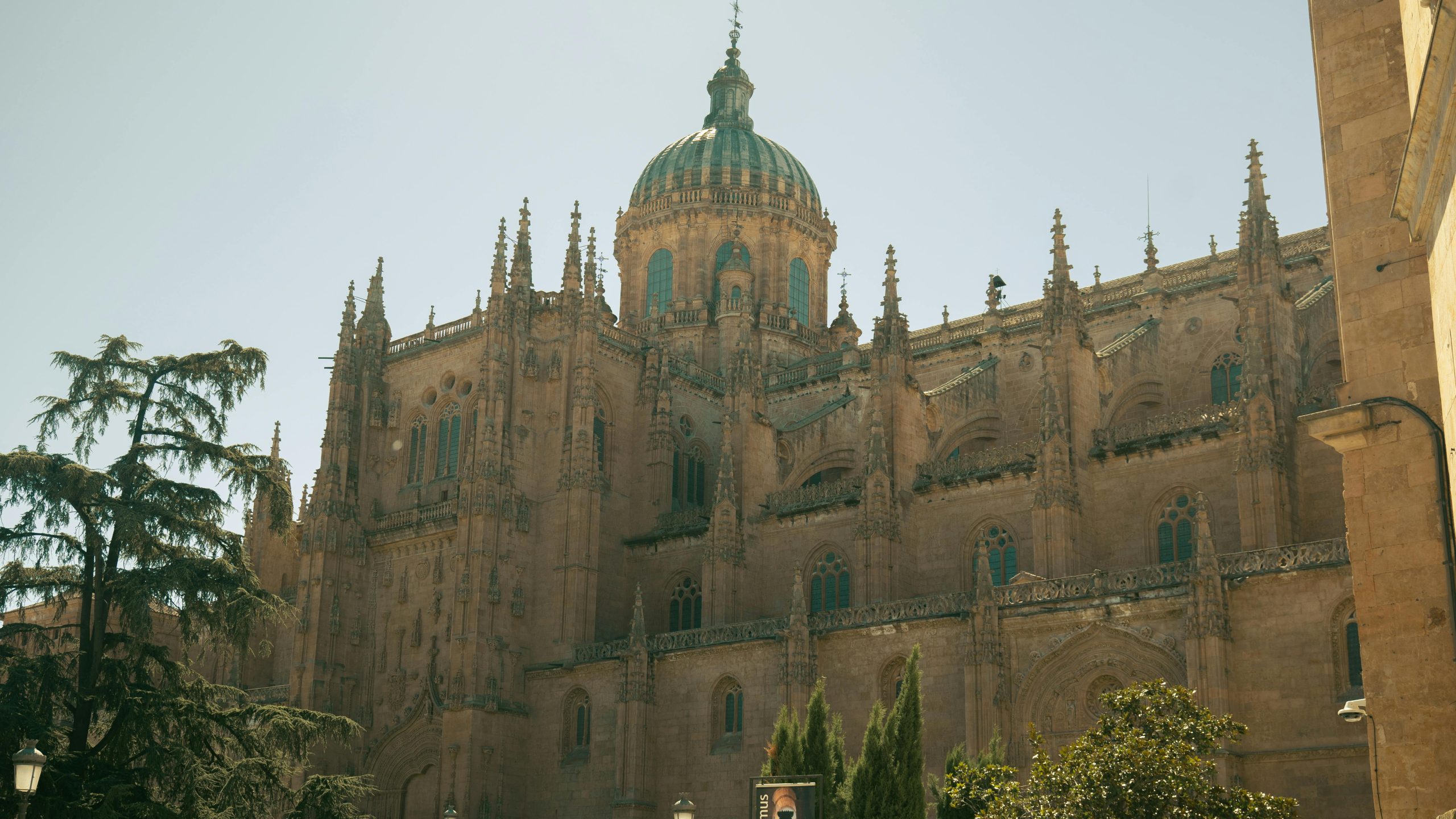
- Old & New Cathedrals – Twin Gothic and Baroque cathedrals side by side.
- Roman Bridge – Ancient crossing over the River Tormes.
- Convento de San Esteban – Monumental Dominican monastery.
- Clerecía & Scala Coeli Towers – Panoramic views over the city.
Local Gems
- Palacio de Monterrey – Renaissance palace and Salamanca icon.
- Tapas crawl in Van Dyck – Student favourite for affordable food and socialising.
- Huerto de Calixto y Melibea – Romantic garden overlooking the old town.
- Art Nouveau & Art Deco Museum (Casa Lis) – Stained glass and decorative arts.
- Nochevieja Universitaria – Unique student New Year celebration in December.
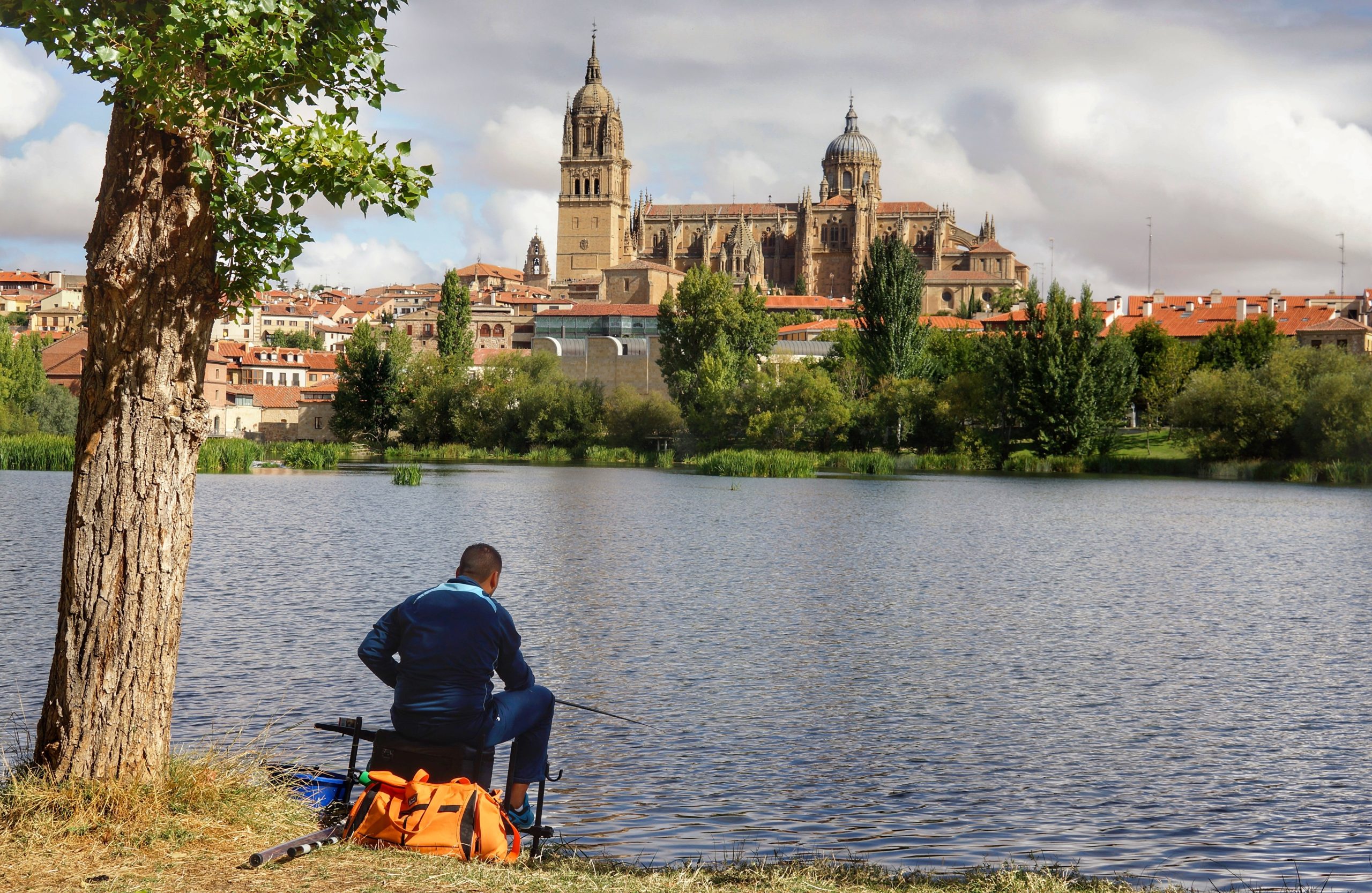
- River walks along the Tormes – Relaxed outdoor space.
- Cueva de Salamanca – Legendary site tied to student folklore and myths.
Pre-departure Essentials
Documents & Visas: EU students do not need a visa to study or live in Spain. UK students and other non-EU nationals usually need a Spanish student visa if staying longer than 90 days, arranged before arrival through the Spanish consulate.
Health Insurance: EU students should bring a valid EHIC. UK students should apply for a GHIC. Non-EU students must arrange private health insurance that meets visa requirements.
Banking: Spanish banks such as Santander, BBVA, and CaixaBank are widely used. Many students also use Revolut or N26, though a Spanish account may be required for rent.
SIM Cards: SIM cards are easy to buy from Movistar, Vodafone, Orange, and MásMóvil, with monthly plans from around €10–20.
Post-arrival Essentials
Registration: Students staying longer than three months must register their address at the town hall (empadronamiento). Non-EU students must apply for a Foreigner Identity Card (TIE).
Banking & SIM: Open a Spanish bank account and purchase a local SIM card if not arranged before arrival.
Health & Safety: Carry your EHIC/GHIC or insurance details. Emergency number is 112. Pharmacies are widespread and easy to find.
Shopping: Major supermarkets include Mercadona, Carrefour, Dia, and Lidl. Local markets also offer affordable produce.
Apps: Useful apps include Moovit (transport), Glovo (delivery), Too Good To Go (discount food), and Bizum (payments).