


Prague (Czechia)
Destination Overview
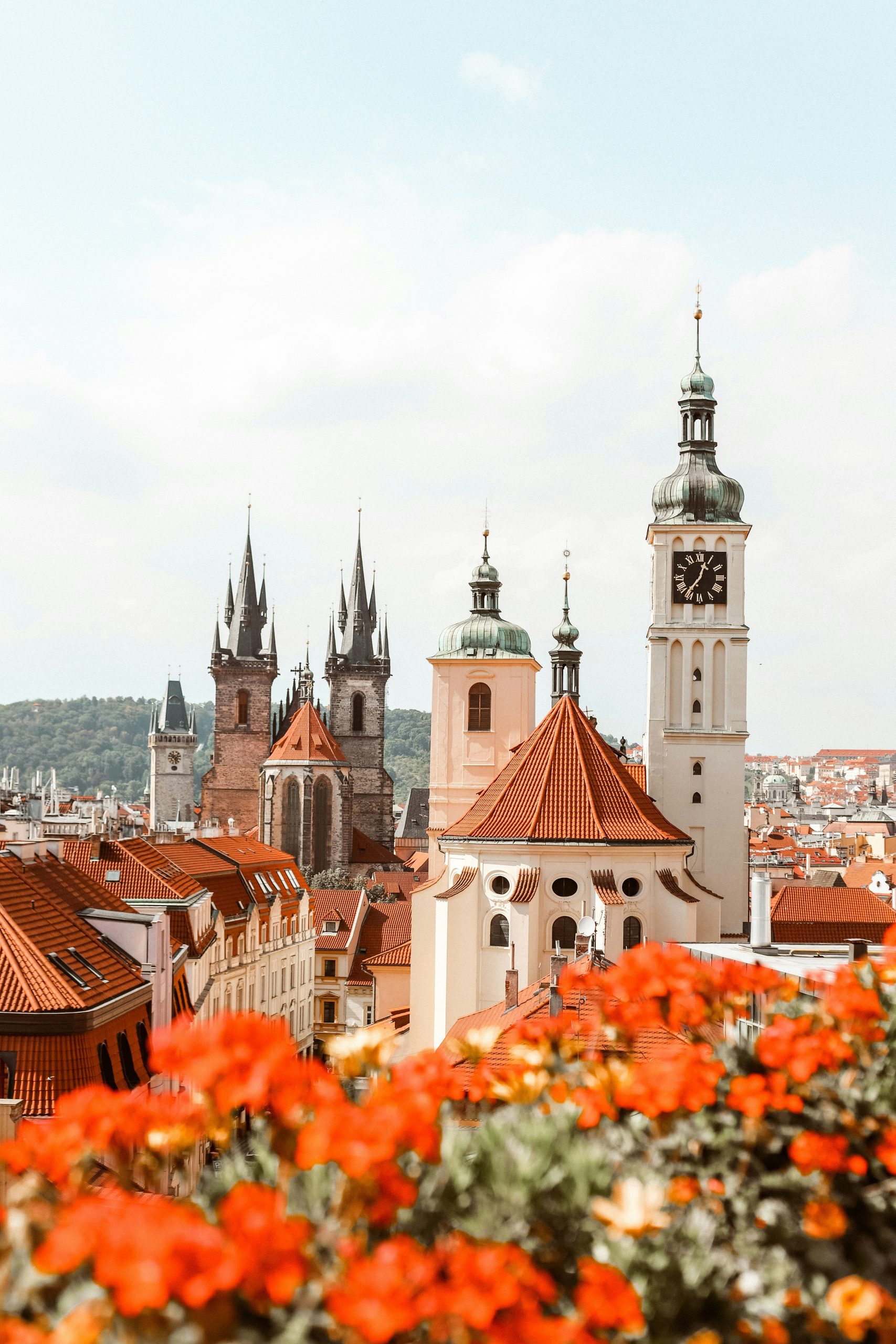
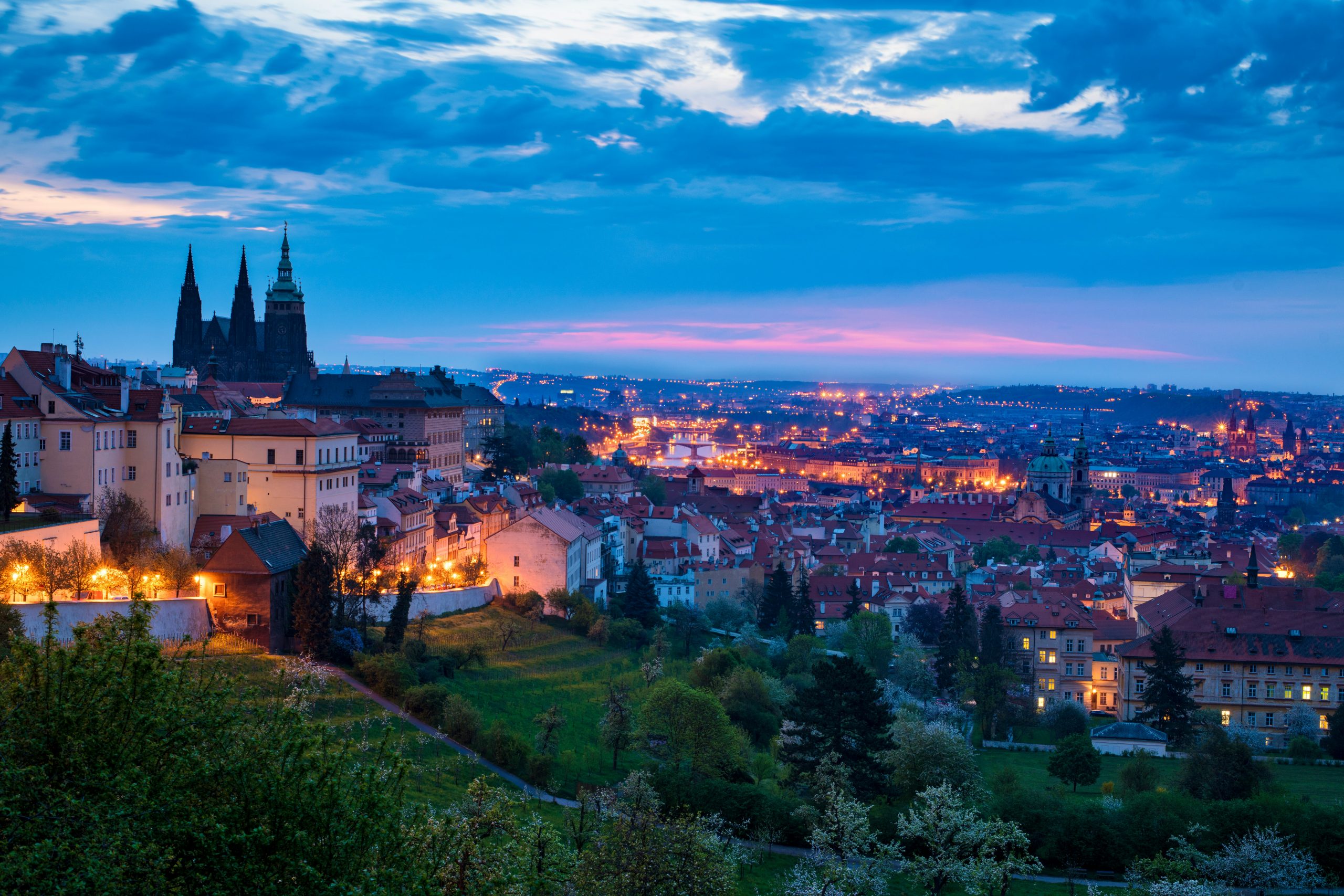
Prague, the capital of the Czech Republic, is one of Europe’s most beautiful and affordable student cities. Known as the “City of a Hundred Spires,” it combines Gothic, Baroque, and modern architecture with a lively student atmosphere. Prague is home to Charles University (one of the oldest in Europe), the Czech Technical University, and several other institutions, attracting large numbers of international students. With low living costs, excellent transport, and a vibrant nightlife, Prague is one of Europe’s top study-abroad destinations.
Quick Facts, Prague

Climate
Prague has a continental climate, with cold winters and warm summers. Spring and autumn are mild and pleasant, while winters can dip below freezing and summers regularly reach the high 20s°C.

Cost of Living
Living costs are affordable compared to Western Europe. Student room rentals typically range from €350–€600 per month, with weekly grocery costs around €30–€50.

Lifestyle
International, student-driven, and social, with a strong café culture, affordable eating out, and an active nightlife throughout the week.

Vibe
Historic and atmospheric by day, lively and youthful by night. Prague blends old-world charm with a modern, creative student scene.

Safety
Very safe by European standards, with low violent crime. Pickpocketing is the main concern in tourist-heavy areas.

Transport
Excellent and inexpensive public transport, including metro, trams, and buses. The city is easy to navigate without a car.
Areas & Neighbourhoods
1. Staré Město (Old Town)
▲The historic heart of Prague, home to the Astronomical Clock, Old Town Square, and Charles Bridge. Stunning but highly touristy and among the most expensive areas to live. Best suited for short stays or those prioritising location over cost.
2. Malá Strana (Lesser Town)
▼3. Nové Město (New Town)
▼4. Žižkov
▼5. Vinohrady
▼6. Holešovice
▼7. Dejvice
▼Transport
Within Prague

Metro

Trams / Buses

Cycling / Scooters
Domestic & International

Bus

Airport

Train
Culture & Lifestyle
Cost of Living: Prague remains affordable by European capital standards. Shared rooms typically cost €350–€600 per month, while studios usually range from €650–€900 depending on location. Meals in casual restaurants cost €6–10, coffee €2–3, and beer €1.50–2.50. Weekly grocery shopping averages €30–€50.
Climate: Cold winters (–2 to 4°C) with occasional snow, warm summers (22–30°C), and mild spring and autumn seasons that are ideal for outdoor life and festivals.
Culture: Rich in history, music, and art, Prague offers opera, classical music, jazz clubs, street art, and film festivals throughout the year. Café culture is strong, and cultural life is accessible on a student budget.
Social & Nightlife: One of Europe’s most famous nightlife cities, with cheap beer, late-night clubs, and a strong pub culture. Student nightlife is especially active in Žižkov, Vinohrady, and the city centre, with beer gardens popular in warmer months.
Lifestyle: International, affordable, and social. Prague’s large Erasmus population creates a welcoming and lively student environment with plenty of events and student organisations.
Inclusivity & Safety
LGBTQ+ Community
Prague is the most LGBTQ+ friendly city in the Czech Republic, with Pride events, community organisations, and LGBTQ+ bars and clubs, mainly around Vinohrady and the city centre.





Top Attractions & Local Experiences
Must-Sees
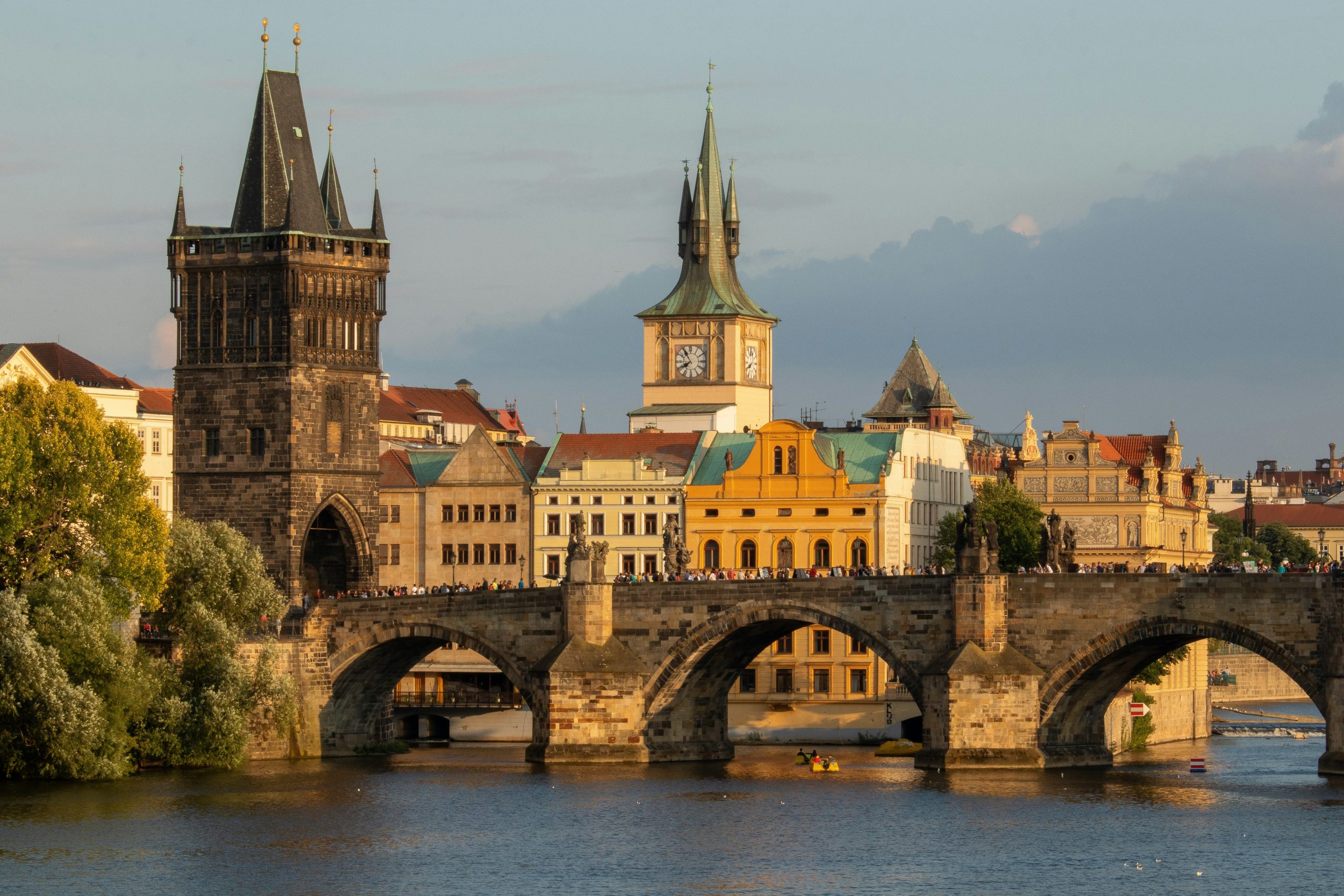
- Charles Bridge – Prague’s most iconic landmark, best experienced early morning or at sunset.
- Old Town Square & Astronomical Clock – The historic heart of the city and a central meeting point.
- Prague Castle – Vast hilltop complex with cathedral, palaces, and panoramic city views.
- Wenceslas Square – Central boulevard for shopping, nightlife, and major events.
- Petřín Hill – Green escape with walking paths and great views over the city.
- Jewish Quarter (Josefov) – Historic synagogues and museums offering insight into Prague’s past.
Local Gems
- Letná Park & Beer Garden – One of the most popular student hangouts for sunset views and cheap drinks.
- Náplavka – Riverside spot with bars, food markets, and summer nightlife along the Vltava.
- Žižkov TV Tower – Panoramic views and a symbol of the city’s alternative side.
- John Lennon Wall – Iconic street art and a classic student meeting spot.
- Cross Club – Unique, industrial-style club and bar, famous with students and internationals.
- Traditional Czech pubs & beer halls – Affordable, social, and central to student life in Prague.
Pre-departure Essentials
Documents & Visas: EU/EEA students do not need a visa to study or live in the Czech Republic. Non-EU students must apply for a long-term student visa (Type D) before arrival through a Czech embassy or consulate.
Health Insurance: EU students can use a valid EHIC. Non-EU students must arrange approved health insurance, either through the Czech public system (VZP) or an approved private provider.
Banking: Major banks include Česká spořitelna, ČSOB, and Komerční banka. Online banks such as Revolut and N26 are widely used, though a Czech account may be required for rent or utilities.
SIM Cards: Vodafone, O2, and T-Mobile offer prepaid and monthly plans, typically starting from around €10–15.
Post-arrival Essentials
Registration: EU citizens staying longer than 30 days must register with the Foreign Police. Non-EU students must register within 3 working days of arrival.
Banking & SIM: If not arranged before arrival, open a Czech bank account and purchase a local SIM card once settled.
Health & Safety: Carry your EHIC or insurance details. Emergency services are accessed via 112. Pharmacies (lékárna) are widespread, and many doctors in Prague speak English.
Shopping: Major supermarkets include Lidl, Albert, Tesco, and Billa. Farmers’ markets offer affordable local produce.
Apps: Useful apps include PID Lítačka (public transport), Bolt or Liftago (taxis), Wolt or Dáme jídlo (food delivery), Slevomat (discounts), Revolut (banking), and Mapy.cz (local maps).