


Paris (France)
Destination Overview
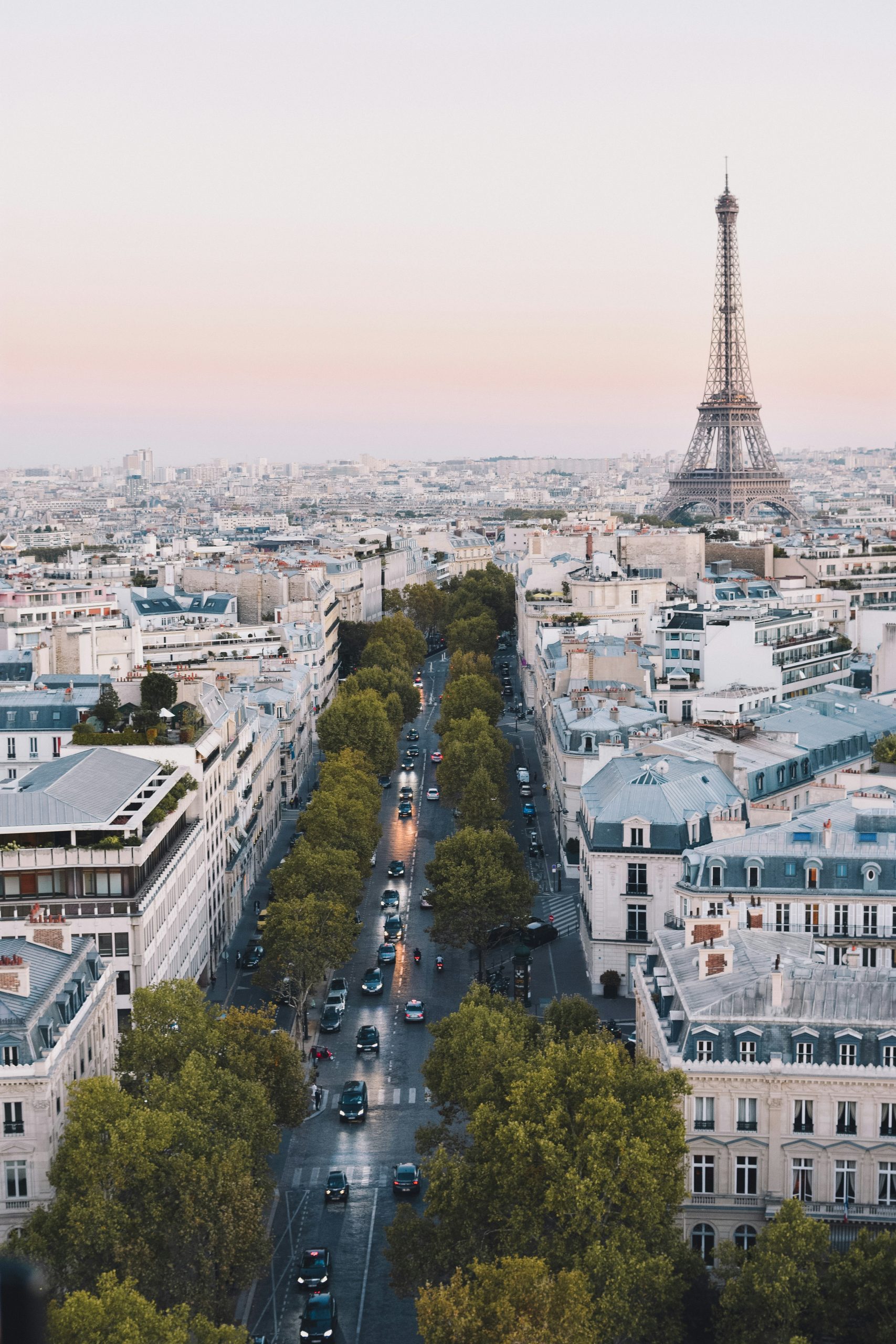
Paris, the capital of France, is one of the world’s most iconic cities— famous for its art, fashion, food, and history. It has one of Europe’s largest student ecosystems (the wider Paris/Île-de-France region has around 678,000 students), and it also attracts huge numbers of young professionals in finance, tech, fashion, and international organisations. Life in Paris is exciting, cosmopolitan, and opportunity-rich, though the cost of living—especially rent—is significantly higher than most European destinations.
Quick Facts, Paris

Climate
Mild-to-warm summers and cool winters, with rain possible year-round. Spring and early autumn are often the most comfortable.

Cost of Living
One of Europe’s most expensive student cities, especially for rent. Budgeting and living slightly further out (with good transport links) can make a big difference.

Lifestyle
Fast-paced, urban, and highly social. A city of cafés, museums, parks, and neighbourhood nightlife—there’s always something happening.

Vibe
International, creative, and ambitious. Paris has a strong student culture alongside a huge young-professional scene.

Safety
Generally safe, but pickpocketing is common around tourist hotspots and on crowded transport.

Transport
Excellent public transport (Metro/RER/buses) makes it easy to live across Paris and the wider Île-de-France region.
Areas & Neighbourhoods
1. Latin Quarter (5th arrondissement)
▲Historic student heart of Paris, centred around the Sorbonne and packed with bookshops, cafés, and a strong academic atmosphere. Very central and lively, though rents are high and the area can feel busy and touristy.
2. Le Marais (3rd & 4th)
▼3. Bastille (11th)
▼4. Canal Saint-Martin (10th)
▼5. Oberkampf (11th)
▼6. Belleville (20th)
▼7. Montmartre (18th)
▼Transport
Within Paris

Metro

Trams

Buses

RER (Urban Trains)

Walking & Cycling
Domestic & International

Bus

Airport

Train
Culture & Lifestyle
Cost of Living: High. Rent is the biggest cost—shared flats commonly start around €700+/month depending on area, and studios can be €1,200+ in many locations. Eating out adds up quickly (coffee often €3–4; budget meals €12–15). Groceries often €60–80/week depending on habits.
Climate: Oceanic—mild summers, cool winters, and rain at any time of year.
Culture: World-class museums and cultural life (Louvre, Musée d’Orsay, Opéra, theatres), plus major events across the year.
Social & Nightlife: Huge variety—from wine bars and cafés to clubs and student nights. Each neighbourhood has its own scene.
Lifestyle: Urban, busy, and exciting—balanced by parks and riverside walking (Luxembourg Gardens and the Seine are classics).
Inclusivity & Safety
LGBTQ+ Community
Paris is one of Europe’s most LGBTQ+ inclusive cities, with Le Marais as a major hub and a strong year-round community presence.





Top Attractions & Local Experiences
Must-Sees
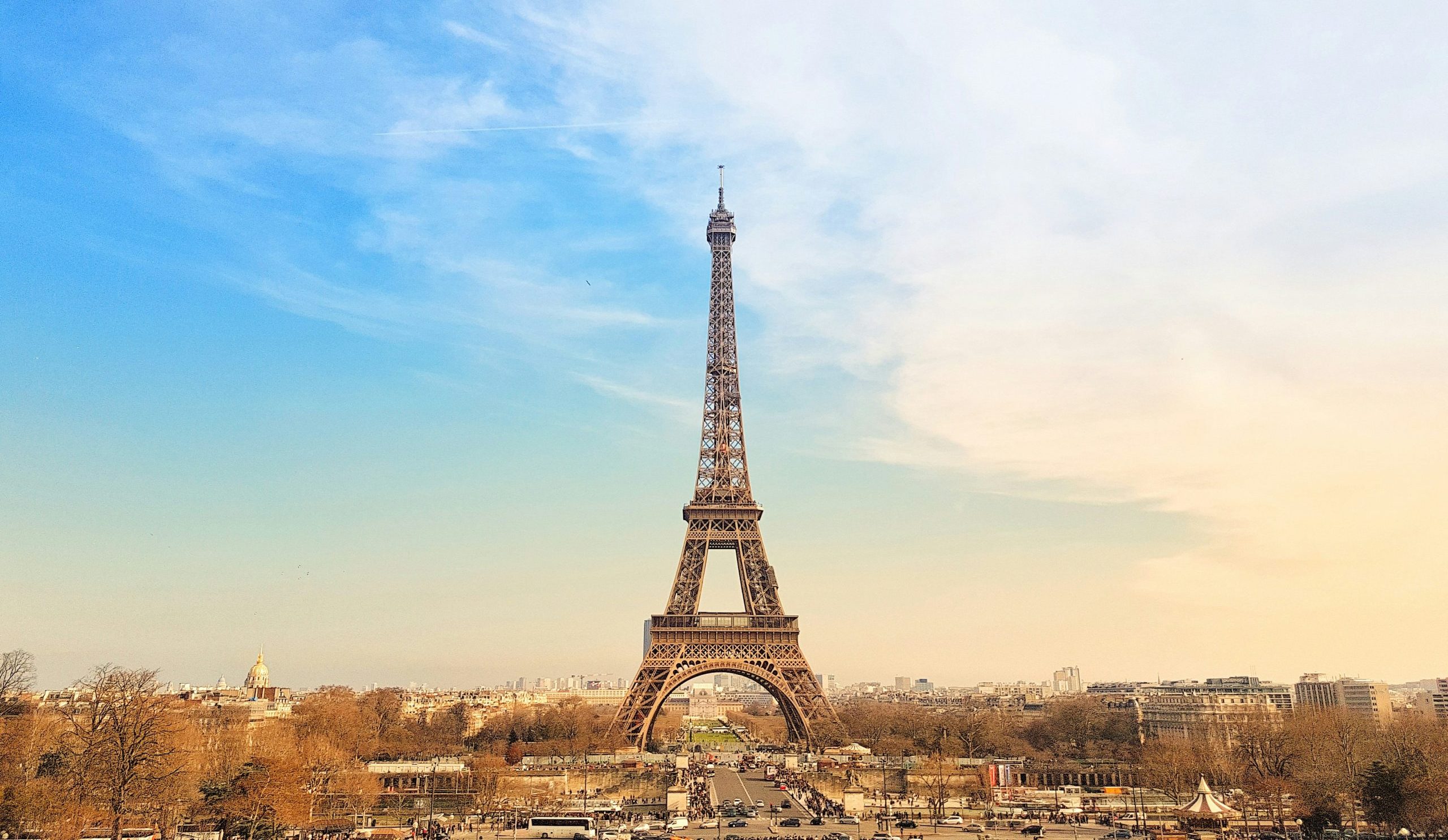
- Eiffel Tower – The city’s most famous landmark and skyline icon.
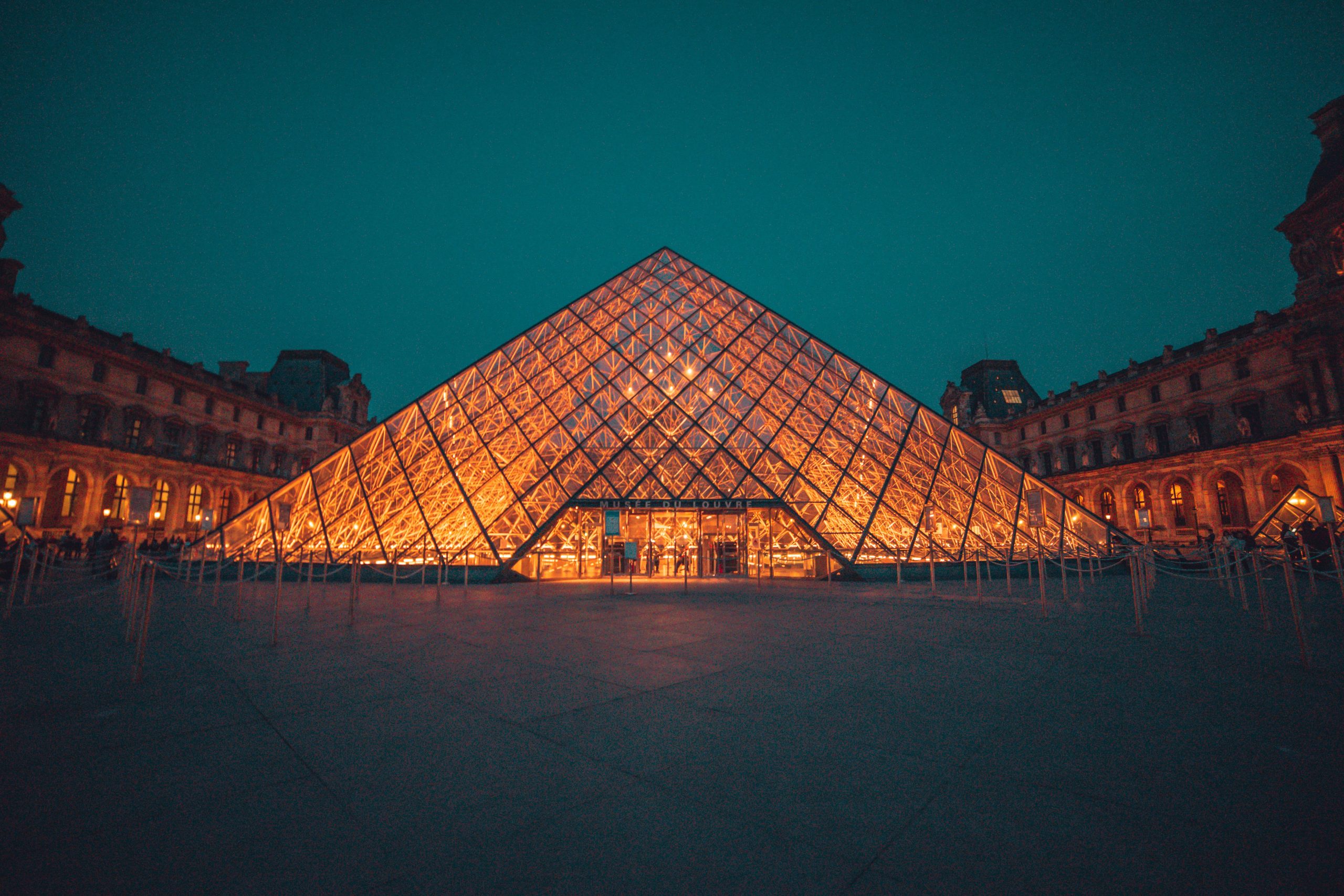
- Louvre Museum – World-renowned museum with masterpieces like the Mona Lisa.
- Notre-Dame Cathedral – Reopened in December 2024 after restoration (crowds remain very high).
- Sacré-Cœur – Basilica on Montmartre with panoramic city views.
- Musée d’Orsay – Impressionist art in a converted former train station.
- Arc de Triomphe & Champs-Élysées – Iconic monument and avenue at the heart of Paris.
- Luxembourg Gardens – Classic Parisian park, especially popular with students.
Local Gems
- Canal Saint-Martin – Student-friendly cafés, bars, and picnic spots along the canal.
- Shakespeare & Company – Legendary English-language bookshop and literary landmark.
- Belleville street art & cheap eats – Great value food and a creative local vibe.
- Parc des Buttes-Chaumont – Dramatic hilltop park with views and a more local feel.
- Latin Quarter jazz clubs & indie cinemas – A classic student night out with a cultural twist.
Pre-departure Essentials
Documents & Visas: EU/EEA students do not need a visa. UK and other non-EU students typically need a long-stay student visa (often linked to university admission). Non-EU young professionals usually need a work-authorised route (for example Talent Passport or an employee work authorisation pathway, depending on role and employer).
Health Insurance: EU students can use a valid EHIC. Non-EU students typically register for French health cover as students (and many also take additional private top-up cover for better reimbursements).
Banking: BNP Paribas, Société Générale, and Crédit Agricole are common. Online banks (e.g., Revolut, N26) are widely used, but a French bank account is often helpful for rent, utilities, and some contracts.
SIM Cards: Orange, SFR, Bouygues Telecom, and Free Mobile are the main providers, with plans commonly starting around €10–20/month.
Post-arrival Essentials
Registration: Non-EU students usually need to validate their long-stay visa shortly after arrival (timelines depend on visa type). Keep copies of your accommodation proof and university documents, as admin processes can require them.
Banking & SIM: Open a French bank account (often needed for housing and monthly bills) and set up a local SIM if you didn’t do this before arrival.
Health & Safety: Get set up with the French student health system if applicable. Identify your nearest pharmacy and local health centre. Emergency number is 112.
Shopping: Everyday supermarkets include Carrefour, Monoprix, Franprix, Lidl, and many local markets for fresh produce.
Apps: Citymapper (getting around), Bonjour RATP / Île-de-France Mobilités (transport), SNCF Connect (trains), Vélib’ (bikes), Deliveroo/Uber Eats (food), Too Good To Go (discount food), Leboncoin (second-hand), Lydia (student payments).