


Pamplona (Spain)
Destination Overview
Pamplona is the capital of Navarra in northern Spain and a lively university city best known internationally for the San Fermín festival and the Running of the Bulls. Beyond the festival, Pamplona offers a strong student atmosphere thanks to the University of Navarra and the Public University of Navarra (UPNA). Surrounded by green hills and within easy reach of the Pyrenees, the city combines tradition, affordability, and outdoor life with a welcoming and student-friendly environment.
Quick Facts, Pamplona

Climate
Winters can feel chilly, while summers are comfortable rather than extreme, making outdoor life enjoyable for much of the year.

Cost of Living
Lower than Spain’s biggest cities. Student rooms usually cost €250–€400 per month, with affordable eating out and weekly grocery costs around €25–40.

Lifestyle
Student-led and balanced, combining university life with strong traditions, outdoor activities, and easy access to nature, hiking, and nearby mountains.

Vibe
Friendly, social, and community-focused. Traditional at heart but youthful thanks to a large student population and active nightlife.

Safety
Very safe city with low crime rates. The main exception is during San Fermín, when crowds are intense and extra awareness is needed.

Transport
Compact and easy to navigate, with most areas walkable and a reliable bus network connecting neighbourhoods and university campuses.
Areas & Neighbourhoods
1. Casco Viejo
▲The historic heart of Pamplona, famous for San Fermín and its lively tapas streets. Very atmospheric and central, with nightlife on your doorstep. Housing is older and the area can be noisy, making it better suited to social, short-term student living.
2. Segundo Ensanche
▼3. Iturrama
▼4. Ermitagaña–Mendebaldea
▼5. San Juan
▼6. Buztintxuri
▼Transport
Within Pamplona

Bus

Walking / Cycling

Taxis / Ride Services
Domestic & International

Bus

Airport

Train
Culture & Lifestyle
Cost of Living: Affordable compared to Madrid or Barcelona. Shared flats typically cost €250–€400 per month, studios €500–€700. Meals €8–12, coffee €1.50–2, beer €2–3. Weekly groceries usually €25–40.
Climate: Mixed oceanic and continental climate. Winters can be cold (3–10°C), while summers are warm but comfortable (25–30°C).
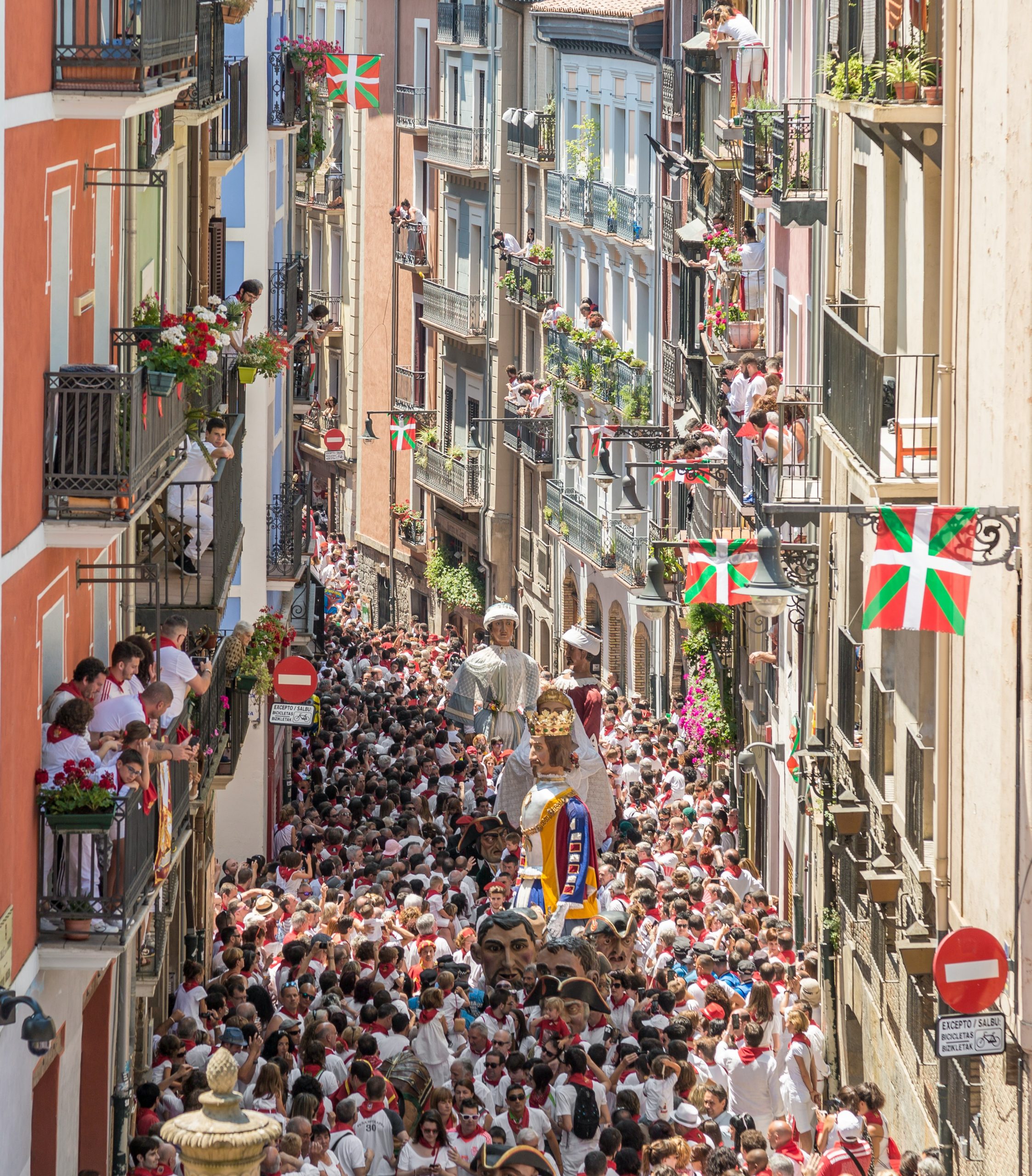
Culture: Strong local identity shaped by Navarrese and Basque influences. San Fermín is the most famous festival, but the city also has a lively year-round cultural calendar.
Social & Nightlife: Student nightlife is concentrated in the Old Town, Iturrama, and along Calle San Nicolás, with pintxos, bars, and late evenings central to social life.
Lifestyle: Green, student-driven, and traditional, with easy access to hiking, skiing, and nature alongside a compact city lifestyle.
Inclusivity & Safety
LGBTQ+ Community
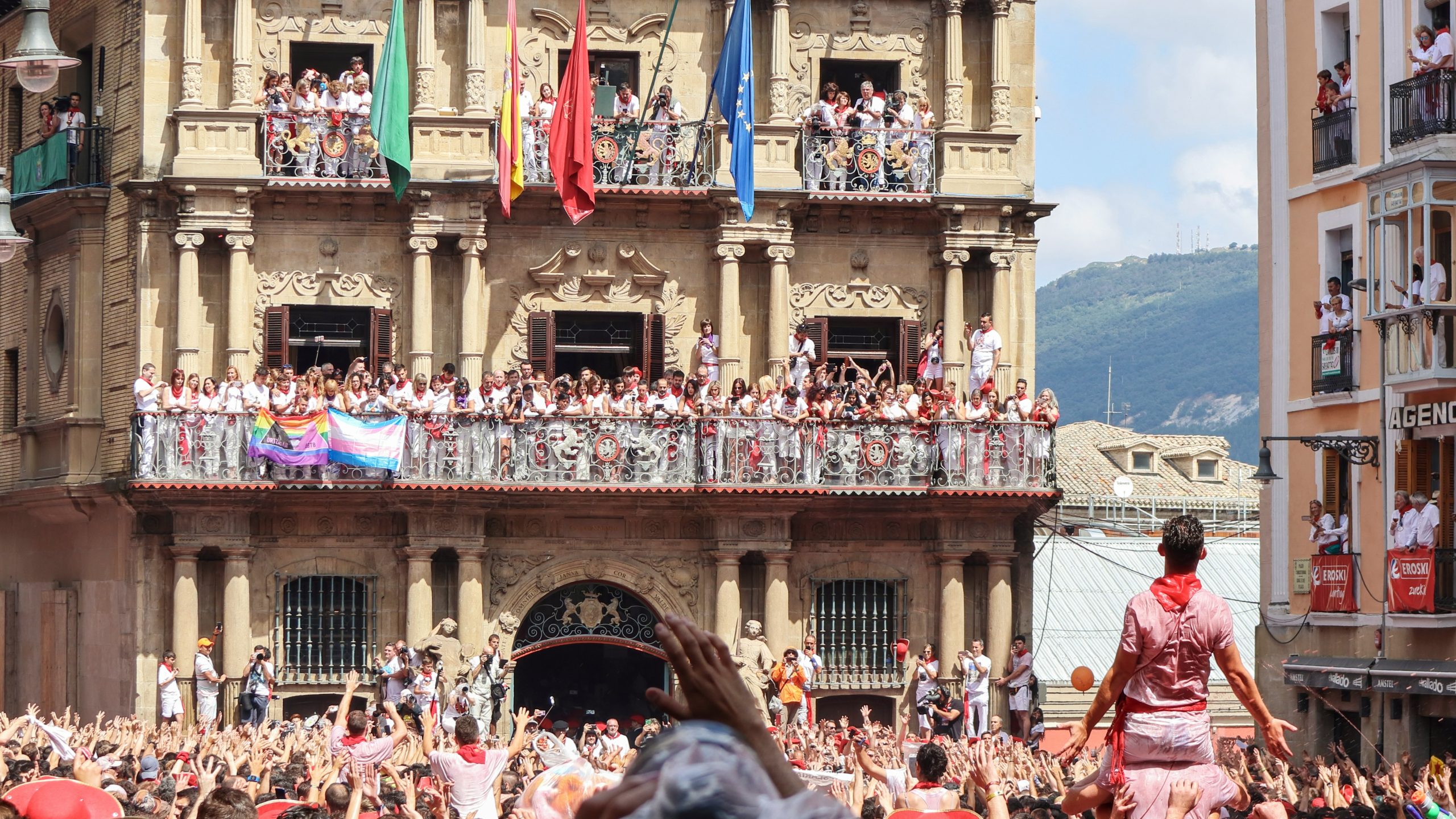
Pamplona is generally welcoming and tolerant, with a visible and growing LGBTQ+ community. While smaller than in Spain’s largest cities, Pride events and inclusive student spaces contribute to a supportive environment.





Top Attractions & Local Experiences

Must-Sees
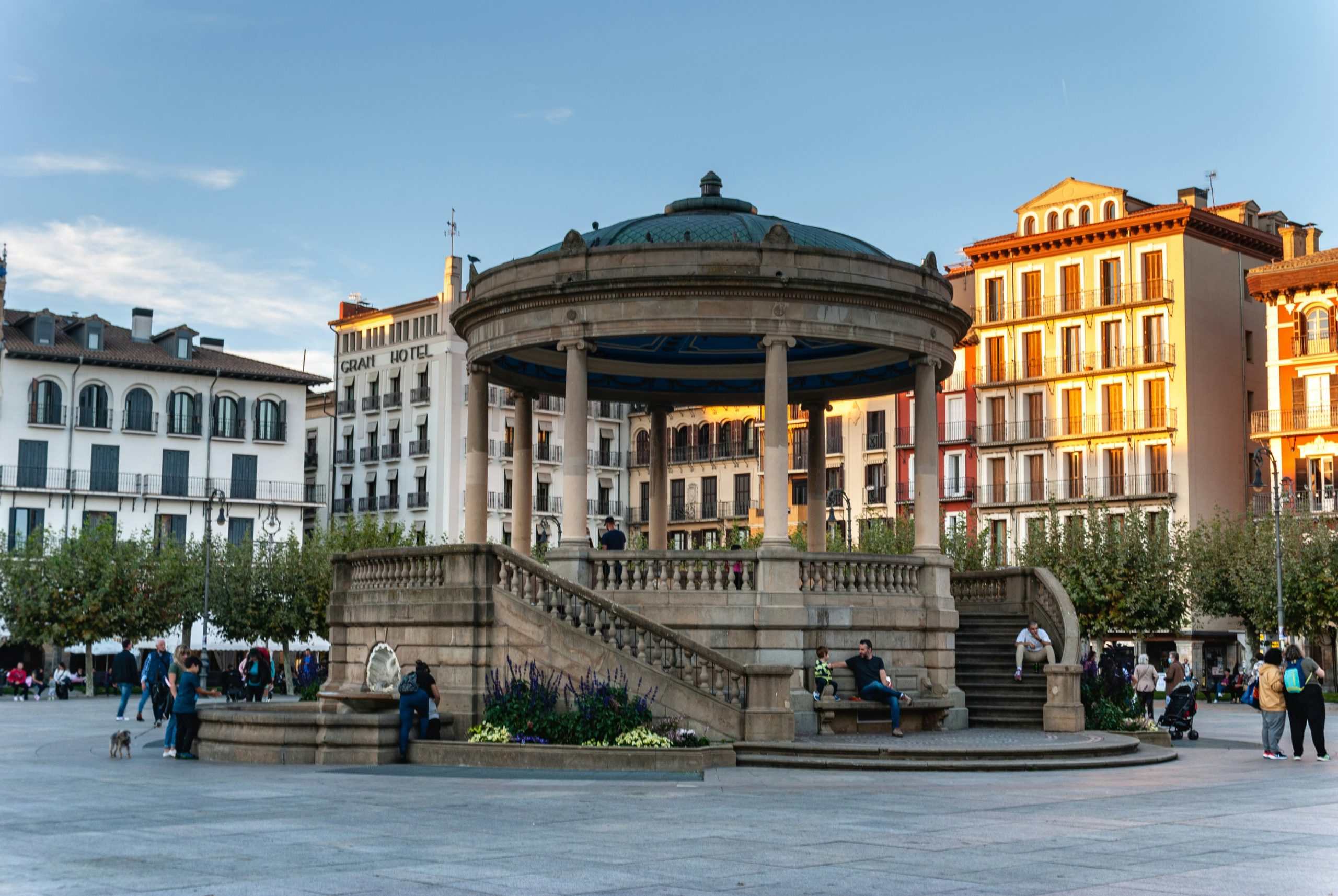
- Plaza del Castillo – Central square and social hub.
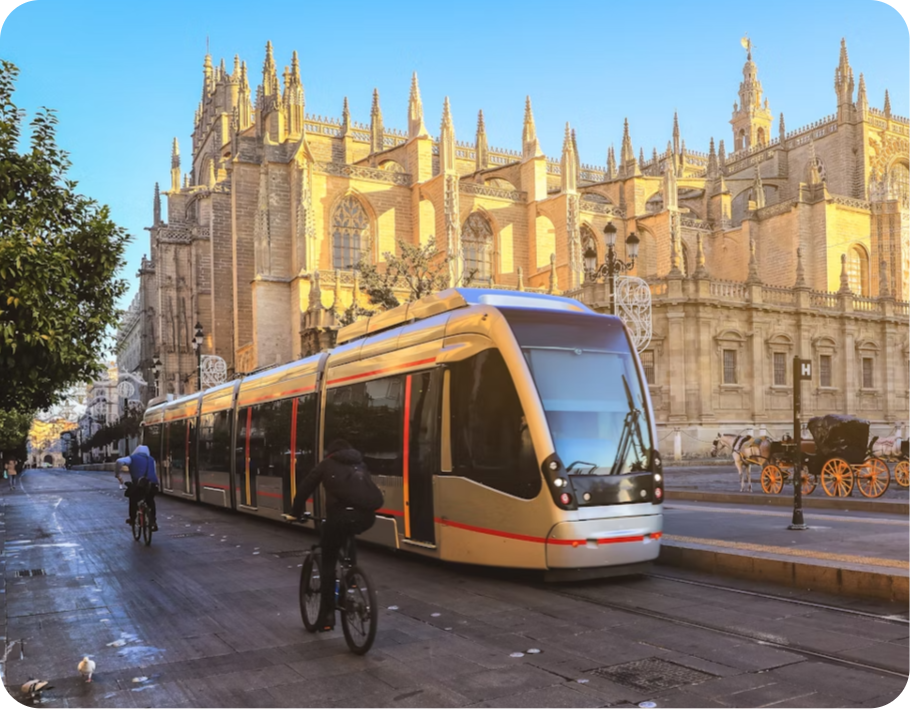
- Pamplona Cathedral – Gothic landmark in the Old Town.
- Ciudadela de Pamplona – 16th-century fortress and green park.
- Church of San Lorenzo – Home of San Fermín’s chapel.
- Running of the Bulls route – Historic streets used during San Fermín.
- Parque de la Taconera – Oldest park in Pamplona.
- Museum of Navarra – Regional art and history collections.
Local Gems
- Pintxos in Calle Estafeta and San Nicolás – Student favourite for food and nightlife.
- University of Navarra Museum – Contemporary art and cultural exhibitions.
- Yamaguchi Park – Japanese-style garden and popular green space.
- Camino de Santiago – Pilgrims passing through the city.
- Day trips to the Pyrenees or Bardenas Reales – Mountains and desert landscapes nearby.
Pre-departure Essentials
Documents & Visas: EU students do not need a visa to study or live in Spain. UK students and other non-EU nationals usually need a Spanish student visa if staying longer than 90 days, arranged before arrival through the Spanish consulate.
Health Insurance: EU students should bring a valid EHIC. UK students should apply for a GHIC. Non-EU students must arrange private health insurance that meets visa requirements.
Banking: Spanish banks such as Santander, BBVA, and CaixaBank are widely used. Many students also use Revolut or N26, though a Spanish account may be required for rent.
SIM Cards: SIM cards are easy to buy from Movistar, Vodafone, Orange, and MásMóvil, with monthly plans from around €10–20.
Post-arrival Essentials
Registration: Students staying longer than three months must register their address at the town hall (empadronamiento). Non-EU students must apply for a Foreigner Identity Card (TIE).
Banking & SIM: Open a Spanish bank account and purchase a local SIM card if not arranged before arrival.
Health & Safety: Carry your EHIC/GHIC or insurance details. Emergency number is 112. Pharmacies are widely available.
Shopping: Major supermarkets include Mercadona, Eroski, Carrefour, and Lidl.
Apps: Useful apps include Moovit (transport), Glovo (delivery), Too Good To Go (discount food), and Bizum (payments).