


Montreal (Canada)
Destination Overview
Montréal is one of North America’s most vibrant and multicultural cities, where European charm meets North American energy. A bilingual (French–English) hub for creativity, education, and culture, it’s home to world-renowned universities and a thriving student community. Known for its affordability, arts scene, and café culture, Montréal offers an ideal mix of historic architecture, festivals, and neighbourhood life in a compact, cosmopolitan setting — making it a favourite for students and young professionals alike.
Quick Facts, Montreal

Climate
Montréal has four distinct seasons, with cold, snowy winters and warm, humid summers. Autumn is especially beautiful, while spring brings the start of festival season.

Cost of Living
Living costs are lower than most major North American cities, with shared rooms typically costing CA $600–$900 per month and weekly groceries averaging CA $60–$80.

Lifestyle
Easygoing and artistic, blending café culture with festivals, parks, and neighbourhood living in a highly walkable city.

Vibe
Creative, bilingual, and student-driven. Montréal attracts internationals looking for culture, affordability, and a strong academic scene.

Safety
Very safe overall, with low violent crime. Petty theft and bike theft are the most common issues.

Transport
Reliable metro system, strong cycling culture, and good regional and international connections.
Areas & Neighbourhoods
1/2. Downtown / Ville-Marie
▲Central core around major universities, packed with cafés, nightlife, and student housing. Busy, convenient, and extremely well connected by metro.
3. Plateau-Mont-Royal
▼4. Mile End
▼5. Outremont
▼6. Rosemont–La Petite-Patrie
▼7. Hochelaga-Maisonneuve (HoMa)
▼8. Griffintown
▼9. Verdun
▼Transport
Within Montreal

Metro

Buses

Cycling

Walking
Domestic & International

Bus

Airport

Train
Culture & Lifestyle

Cost of Living: Affordable compared to most major North American cities. Shared flats cost around CA $600–$900 per month, studios CA $1,000–$1,400. Meals out range from CA $12–$20, coffee CA $3–$5, and groceries usually total CA $60–$80 per week.
Climate: Cold winters with snow, warm summers, and colourful autumns, followed by long spring festival seasons.
Culture: Strong French influence mixed with global diversity. Music, film, comedy, and food shape daily life, with festivals running year-round.
Social & Nightlife: The Plateau and Latin Quarter host countless bars, live music venues, and cafés. Student nightlife is lively but relatively affordable.
Lifestyle: Inclusive and creative, with a strong focus on community, sustainability, and enjoying public spaces.
Inclusivity & Safety
LGBTQ+ Community
Exceptionally inclusive, with the Gay Village recognised as one of the largest and most visible LGBTQ+ neighbourhoods in North America.





Top Attractions & Local Experiences
Must-Sees
- Mount Royal Park – Panoramic city views and hiking trails.
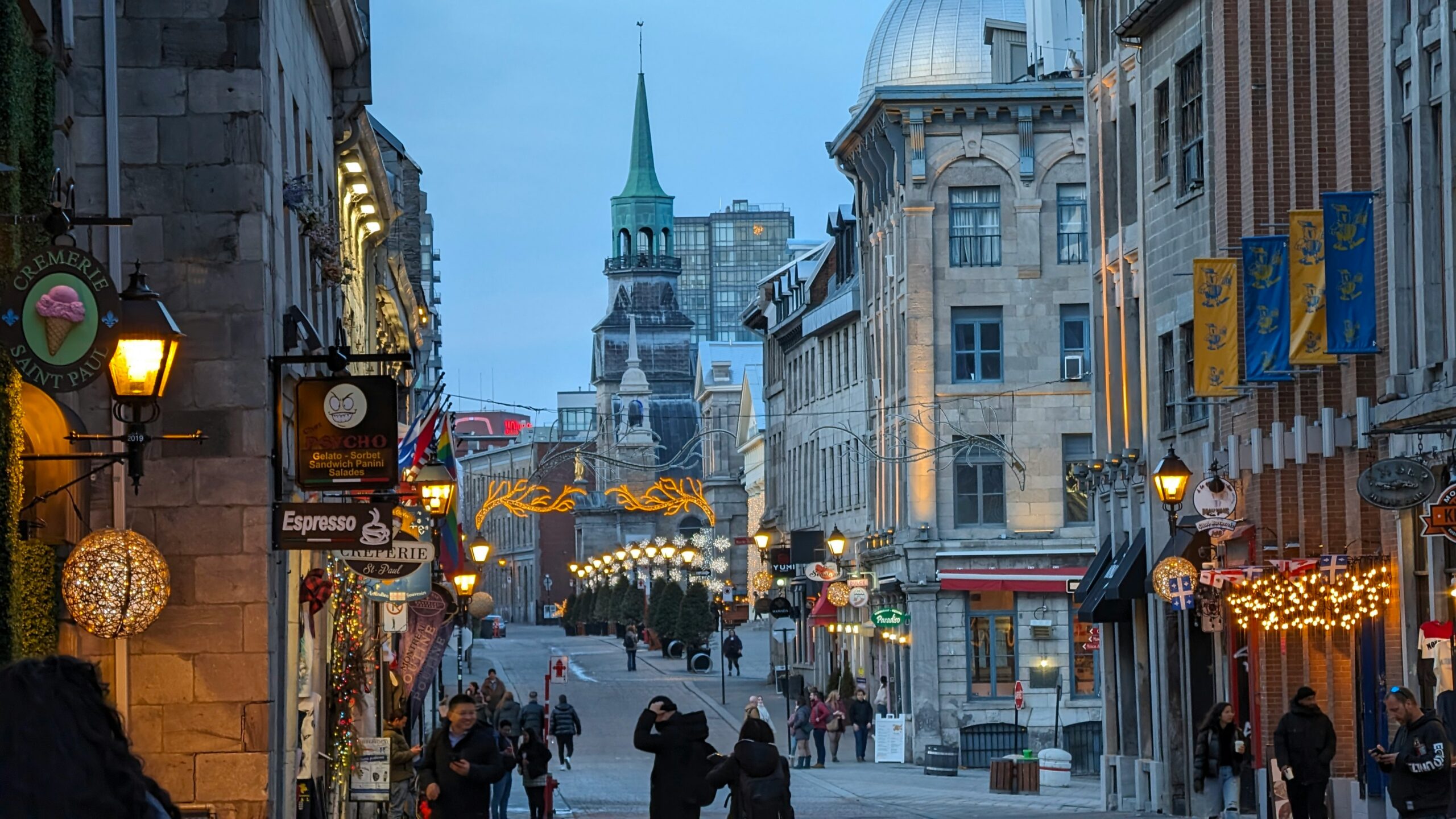
- Old Montréal – Cobblestone streets and historic waterfront.
- Notre-Dame Basilica – Stunning Gothic Revival architecture.
- Jean-Talon Market – Iconic open-air food market.
- Musée des Beaux-Arts – Major art collections and exhibitions.
- Olympic Park & Biodome – Museums, exhibits, and urban nature.
Local Gems
- Saint-Laurent Boulevard – Street art, bars, and nightlife.
- Laurier Park & La Fontaine Park – Popular student hangouts.
- Mile End bagel shops – Local legends for cheap eats.
- Atwater Market & Lachine Canal – Weekend food stops and cycling routes.
- Festival season (May–September) – Outdoor concerts and street events across the city.


Pre-departure Essentials
Documents & Visas: Most international students require a Canadian Study Permit, plus a Québec Acceptance Certificate (CAQ). Applications should be started at least three months before arrival.
Health Insurance: International students must have health coverage. Québec offers partial reciprocity for some European countries; others use university plans.
Banking: Major banks include RBC, BMO, TD, and Desjardins. Many students also use Koho or Wise.
SIM Cards: Bell, Rogers, Fido, and Videotron offer prepaid or monthly plans, typically costing CA $30–$50.
Post-arrival Essentials
Registration: Students should complete university orientation and confirm CAQ paperwork if applicable.
Banking & SIM: Open a Canadian bank account and set up a local SIM for easier payments and student discounts.
Health & Safety: Emergency number is 911. Clinics and hospitals are widely available.
Shopping: Major supermarkets include Metro, IGA, Super C, and Provigo.
Apps: Useful apps include Transit (transport), BIXI (bike share), Uber, Too Good To Go (discount food), and PayByPhone (parking).