


Milan (Italy)
Destination Overview
Milan, Italy’s second-largest city and economic powerhouse, is best known as a global capital of fashion, design, and finance. Alongside its modern business focus, the city is home to historic landmarks such as the Duomo and La Scala. With major universities including the University of Milan, Bocconi University, and Politecnico di Milano, Milan attracts a large international student population. Although it is one of Italy’s most expensive cities, it offers excellent transport, strong career opportunities, and a vibrant social and cultural scene.
Quick Facts, Milan

Climate
Milan has hot, humid summers and cold, often foggy winters. Spring and autumn are the most comfortable seasons for city life.

Cost of Living
Milan is one of Italy’s most expensive cities. Shared rooms usually cost €500–€700, with weekly groceries around €40–€60.

Lifestyle
Fast-paced and cosmopolitan, with a strong focus on careers, fashion, and socialising. Aperitivo culture plays a big role in daily life.

Vibe
Modern, stylish, and international. Milan feels more business-oriented than other Italian cities but still offers vibrant student life.

Safety
Generally safe, with very low violent crime. Pickpocketing can occur in busy areas and transport hubs, so awareness is important.

Transport
Excellent public transport, including five metro lines, trams, buses, and strong national and international rail connections.
Areas & Neighbourhoods
1. Centro Storico
▲Home to the Duomo, La Scala, and Galleria Vittorio Emanuele II. Prestigious and lively but very expensive and tourist-heavy, making it less practical for most students long term.
2. Brera
▼3. Navigli
▼4. Porta Romana
▼5. Porta Venezia
▼6. Isola
▼7. Città Studi
▼8. Porta Ticinese
▼Transport
Within Milan

Metro

Buses / Trams

Cycling / Scooters
Domestic & International

Bus

Airport

Train
Culture & Lifestyle
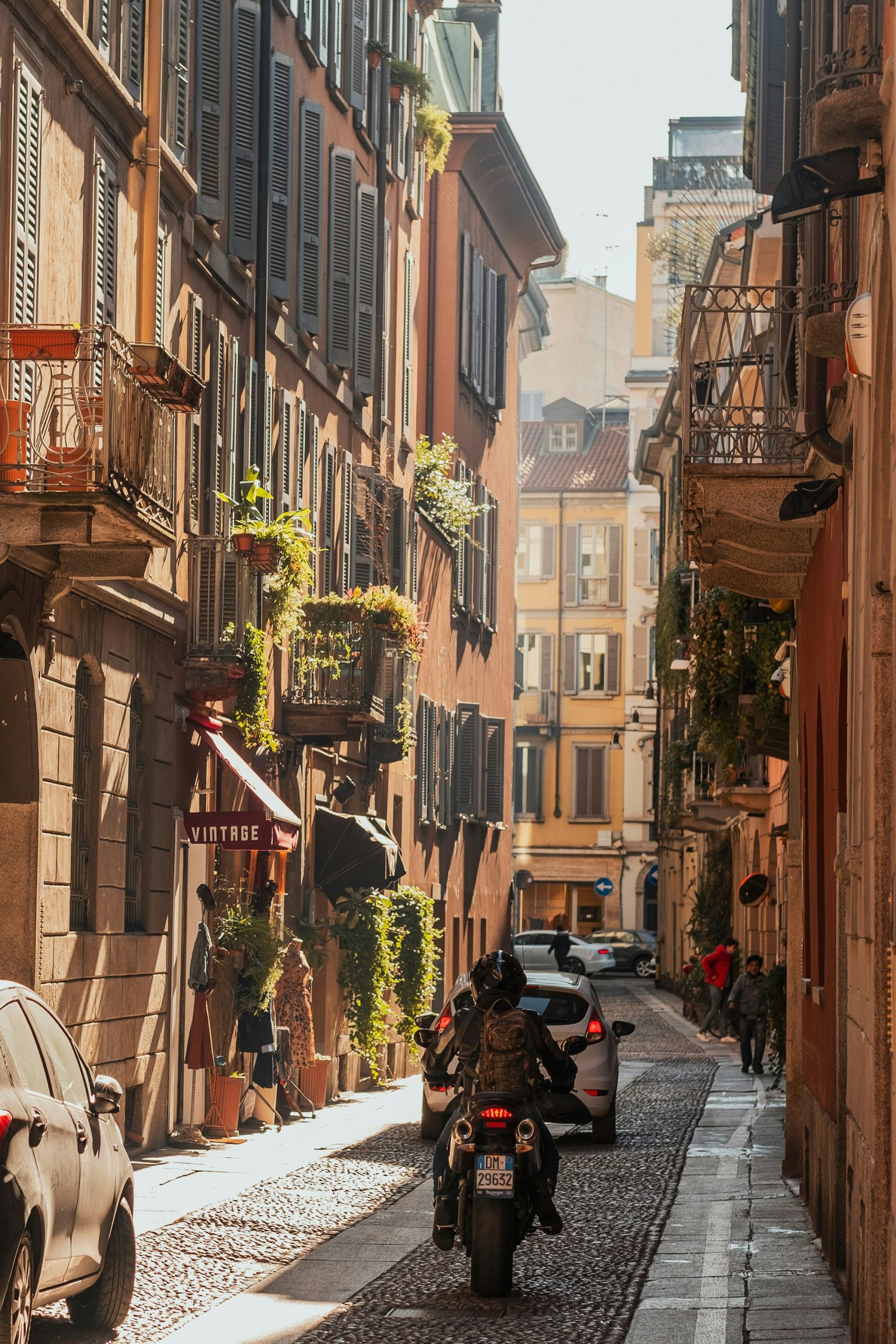
Cost of Living: Shared accommodation typically costs €500–€700 per month, with studios €900+. Eating out: pizza or pasta €8–€12, coffee €1.50–€2. Aperitivo (€8–€12) often replaces dinner. Groceries average €40–€60 per week.
Climate: Hot, humid summers (28–34°C) and cold winters (0–6°C). Spring and autumn are mild and ideal for outdoor life.
Culture: Renowned for fashion, design, and opera. Home to La Scala, Triennale di Milano, and major events such as Fashion Week and Design Week. Strong contemporary arts and exhibition scene.
Social & Nightlife: Evenings revolve around aperitivo culture across the city. Student nightlife thrives in Navigli, Porta Romana, and Colonne di San Lorenzo, while Porta Venezia is central to LGBTQ+ nightlife.
Lifestyle: Career-driven and cosmopolitan, attracting ambitious students and young professionals. Despite its fast pace, green spaces like Parco Sempione offer balance.
Inclusivity & Safety
LGBTQ+ Community
Highly visible and well-established, particularly in Porta Venezia. Milan hosts Milan Pride and Queer Week and has a wide range of LGBTQ+ venues.



Top Attractions & Local Experiences
Must-Sees
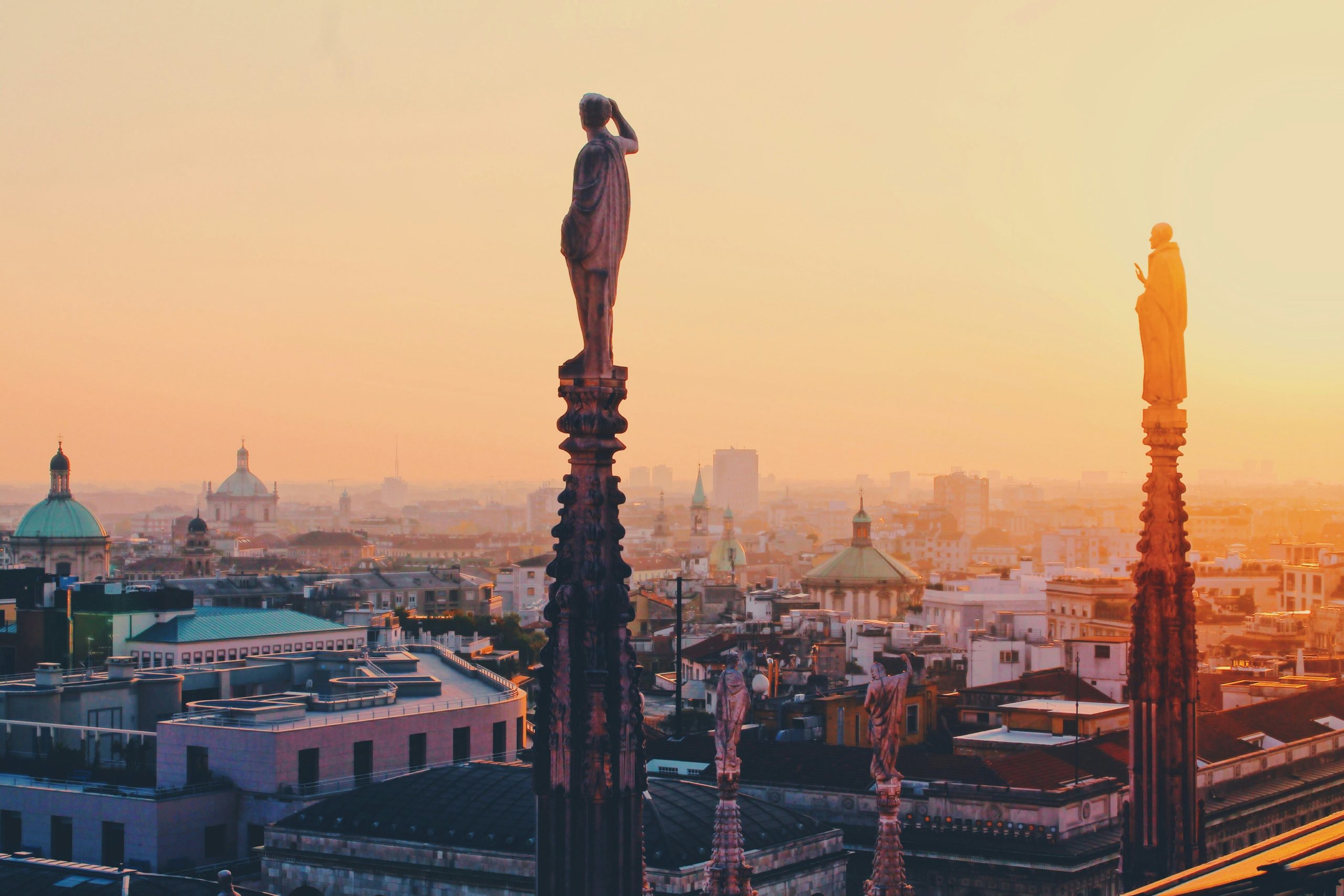
- Duomo di Milano – Iconic Gothic cathedral
- Galleria Vittorio Emanuele II – Historic shopping arcade
- La Scala – World-famous opera house
- Sforza Castle – Renaissance fortress and museums
- Santa Maria delle Grazie – Home to The Last Supper
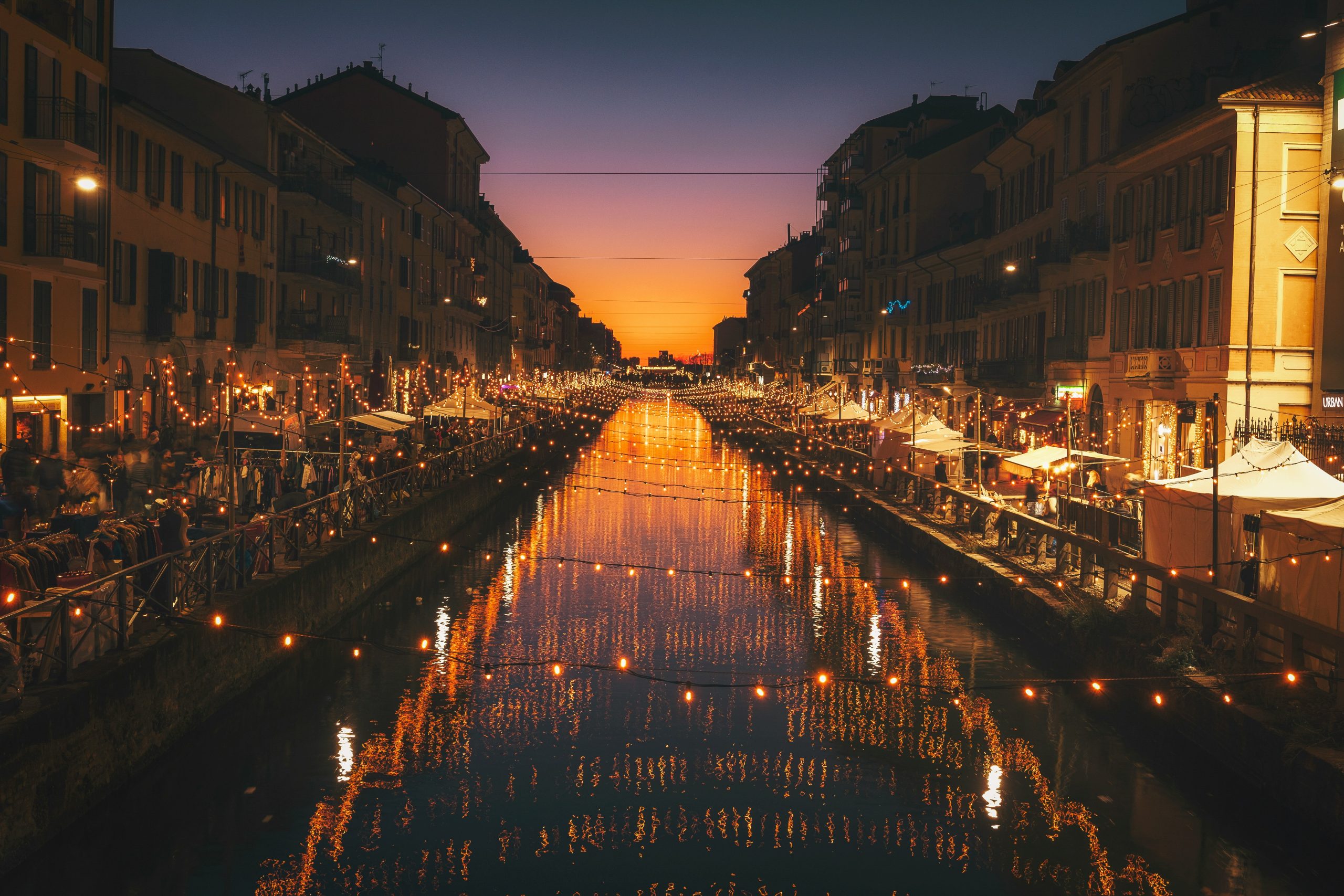
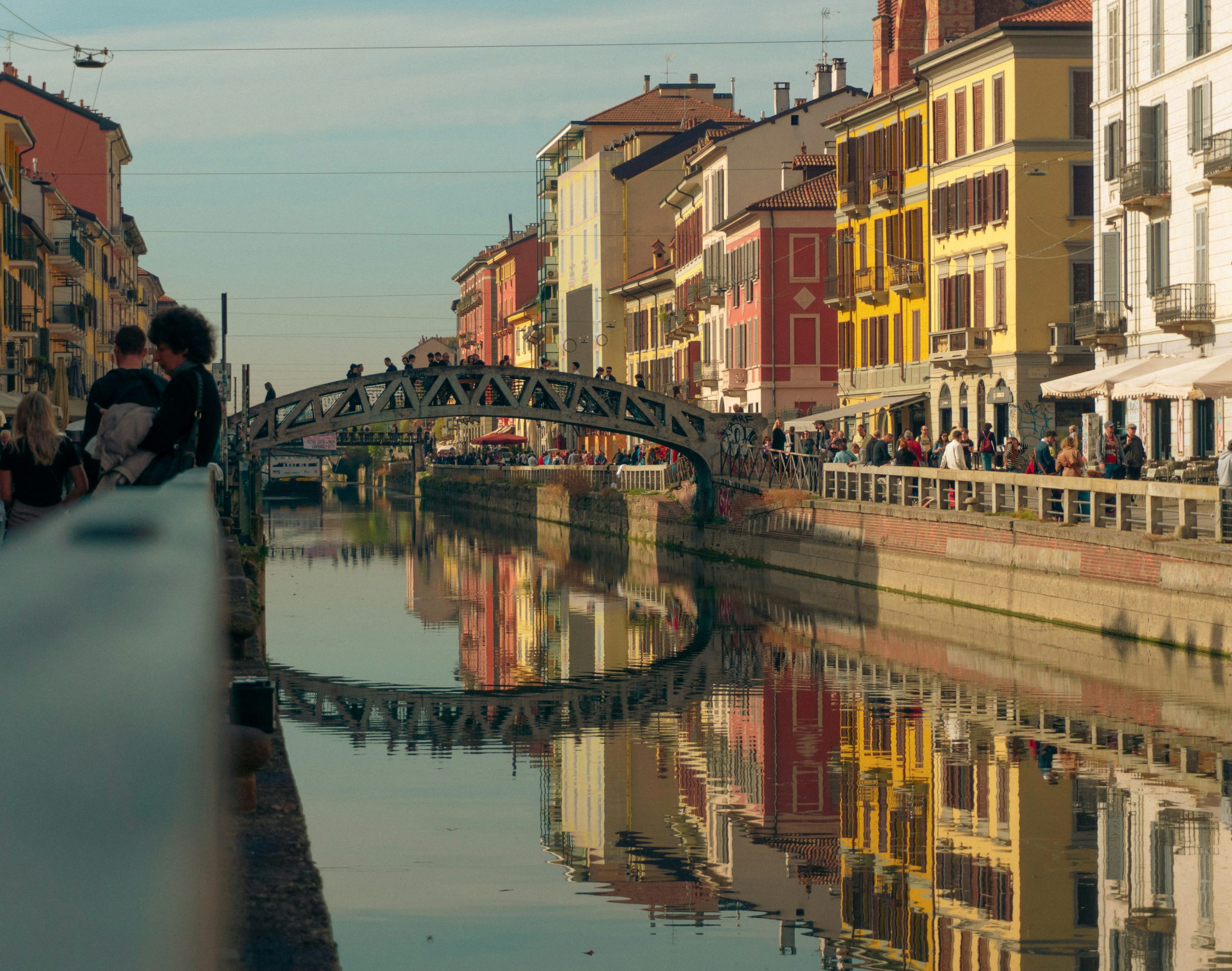
- Navigli canals – Nightlife and dining
- CityLife & Porta Nuova – Modern Milan: skyscrapers, design, and urban regeneration
Local Gems
- Navigli aperitivo scene – A core part of Milanese student life.
- Colonne di San Lorenzo – Roman ruins turned student meeting spot.
- Parco Sempione – Central green space next to Sforza Castle.
- Città Studi cafés – Affordable, student-focused hangouts near universities.
- Bosco Verticale (Isola) – Iconic modern architecture and neighbourhood vibe.
- Fondazione Prada – Contemporary art in a unique industrial space.
Pre-departure Essentials
Documents & Visas: EU/EEA students do not need a visa. Non-EU students must apply for an Italian student visa before arrival and later apply for a residence permit.
Health Insurance: EU students can use a valid EHIC. Non-EU students can register for the Italian public health service (SSN) or use private insurance.
Banking: Major banks include UniCredit, Intesa Sanpaolo, and Banco BPM. Many students start with online banks such as Revolut or N26.
SIM Cards: TIM, Vodafone, WindTre, and Iliad offer plans from around €10–€20 per month.
Post-arrival Essentials
Registration: Non-EU students must apply for a residence permit within eight days of arrival. EU students should register with local authorities if staying long term.
Banking & SIM: Open an Italian bank account if needed and activate a local SIM card.
Health & Safety: Register with the Italian National Health Service if eligible. Emergency services are accessed via 112.
Shopping: Major supermarkets include Esselunga, Coop, Carrefour, Lidl, and Aldi. Street markets are ideal for affordable produce.
Apps: Useful apps include ATM Milano (transport), MyCicero (tickets), Glovo or Deliveroo (food delivery), Subito (second-hand items), Satispay (payments), Too Good To Go (discount food), and Trenitalia or Italo (trains).