


Melbourne (Australia)
Destination Overview
Melbourne is one of Australia’s most popular student cities, known for its creative culture, coffee scene, street art, live music, and diverse international community. Home to major universities including the University of Melbourne, RMIT, Monash, and Swinburne, it offers a strong mix of academic opportunity, city life, and neighbourhood culture. While the weather is famously changeable and living costs can be high, Melbourne’s student-friendly atmosphere makes it one of Australia’s best destinations for international students.
Quick Facts, Melbourne

Climate
Melbourne has mild summers, cool winters, and famously unpredictable weather, with locals often describing it as having “four seasons in one day.”

Cost of Living
Melbourne is cheaper than Sydney but still expensive, with shared student accommodation often costing around AUD $300–$450 per week.

Lifestyle
The city is known for coffee, culture, sport, live music, food, and creative neighbourhoods, making it ideal for students who enjoy urban living.

Vibe
Melbourne feels artistic, multicultural, relaxed, and student-friendly, with a strong community feel across its inner suburbs.

Safety
Melbourne is generally considered safe for students, though normal precautions are still needed in nightlife areas and late at night.

Transport
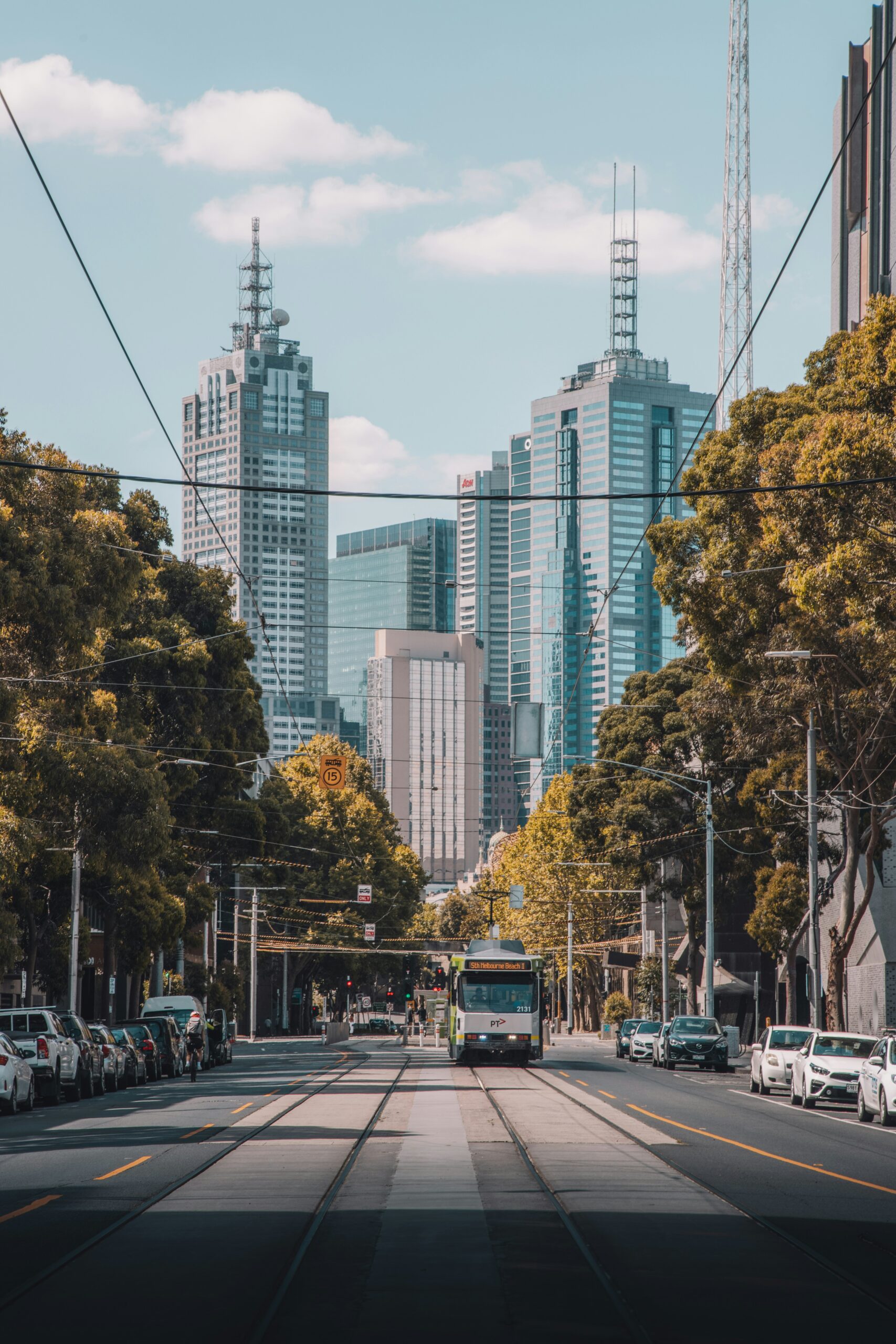
Melbourne has excellent tram, train, and bus networks, with a free tram zone covering much of the city centre.
Areas & Neighbourhoods
1. CBD (Central Business District)
▲Melbourne’s central hub, full of laneways, cafes, shops, nightlife, and student apartments. Very convenient for transport and city living, although accommodation is usually expensive and compact.
2. Carlton
▼3. Fitzroy
▼4. Collingwood
▼5. Brunswick
▼6. North Melbourne
▼7. Southbank
▼8. Docklands
▼9. St Kilda
▼10. Richmond
▼11. Hawthorn
▼12. Caulfield
▼Transport
Within Melbourne

Trains

Buses

Trams

Cycling
Domestic & International

Bus

Airport

Train
Culture & Lifestyle
Cost of Living: Melbourne is generally slightly cheaper than Sydney but still expensive by international student standards. Shared rooms or flatshares often cost around AUD $300–$450 per week, while studios can range from around AUD $500–$750 depending on location and quality. Everyday costs are also relatively high, with coffees around AUD $5, meals out around AUD $15–25, beers often AUD $8–10, and weekly groceries usually around AUD $70–100. Housing near major campuses and inner suburbs can be competitive, so students should start searching early.
Climate: Melbourne has a temperate climate with warm summers, cool winters, and very changeable weather. Summers can reach 25–35°C, while winter is often grey, windy, and cooler than many students expect.
Culture: Melbourne is widely seen as Australia’s cultural capital, known for street art, independent cafes, galleries, festivals, live music, comedy, sport, and food from around the world. Its laneways and inner suburbs are a major part of the city’s identity.
Social & Nightlife: Fitzroy, Collingwood, Brunswick, St Kilda, Richmond, and the CBD are some of the main nightlife and social areas. Students can find everything from rooftop bars and pubs to live music venues, comedy nights, clubs, and late-night food.
Lifestyle: Melbourne has a relaxed but urban lifestyle, with a strong focus on coffee, sport, food, creativity, and local neighbourhood culture. Students often spend weekends exploring markets, parks, music venues, galleries, beaches, and day trips around Victoria.
Inclusivity & Safety
LGBTQ+ Community
Melbourne is very LGBTQ+ friendly, with inclusive venues, university societies, and major events such as Midsumma Festival. Areas like Fitzroy, Collingwood, St Kilda, and the inner north are especially known for inclusive social scenes.





Top Attractions & Local Experiences
Must-Sees
- Federation Square – Central cultural hub and popular meeting point.
- Royal Botanic Gardens – Large green space close to the city.
- Queen Victoria Market – Historic market for food, produce, and student-friendly shopping.
- National Gallery of Victoria – Major art gallery with free permanent exhibitions.
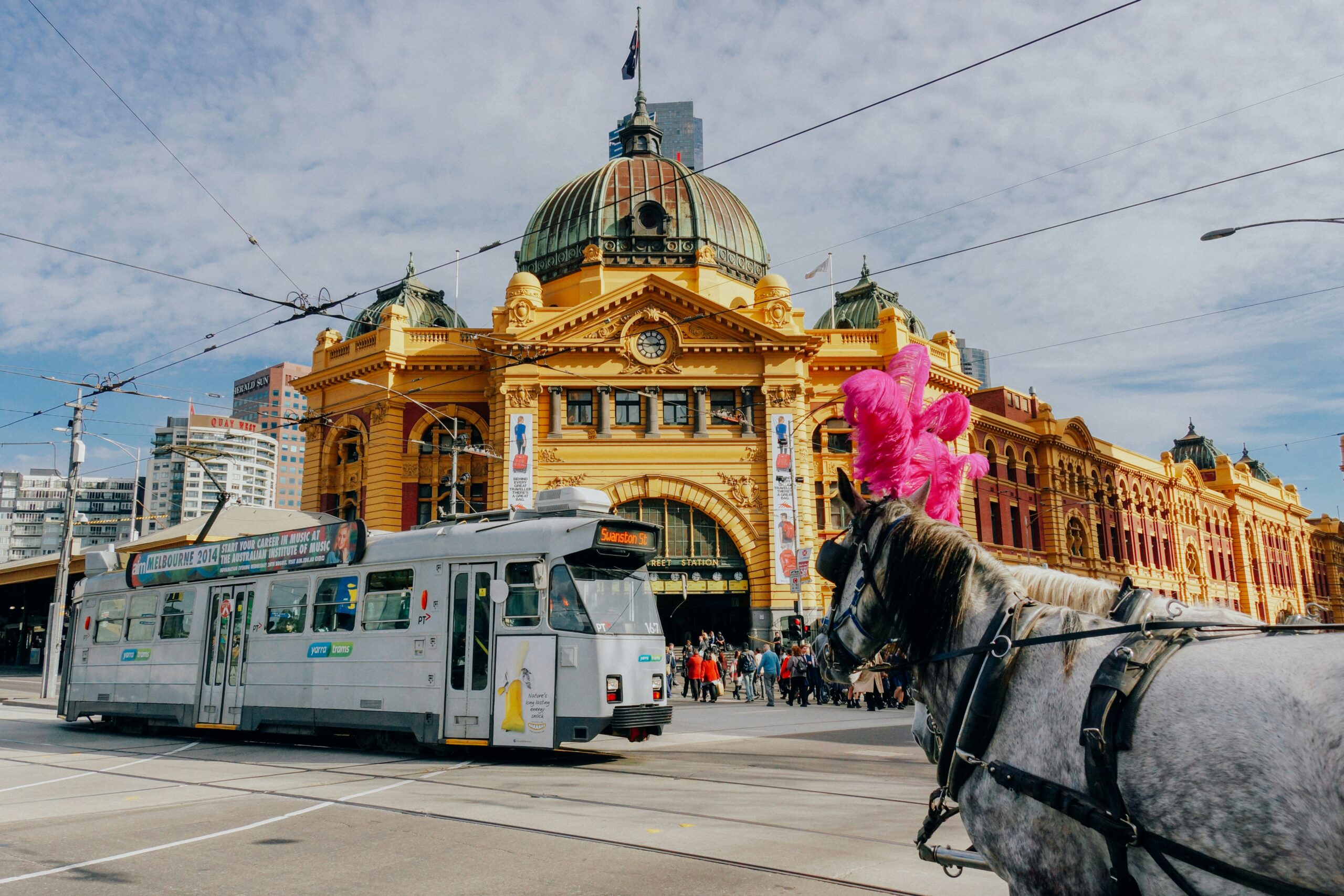
- Flinders Street Station & Laneways – Iconic city landmarks, street art, and hidden cafes.
- Melbourne Cricket Ground – Major sports stadium for AFL, cricket, and events.
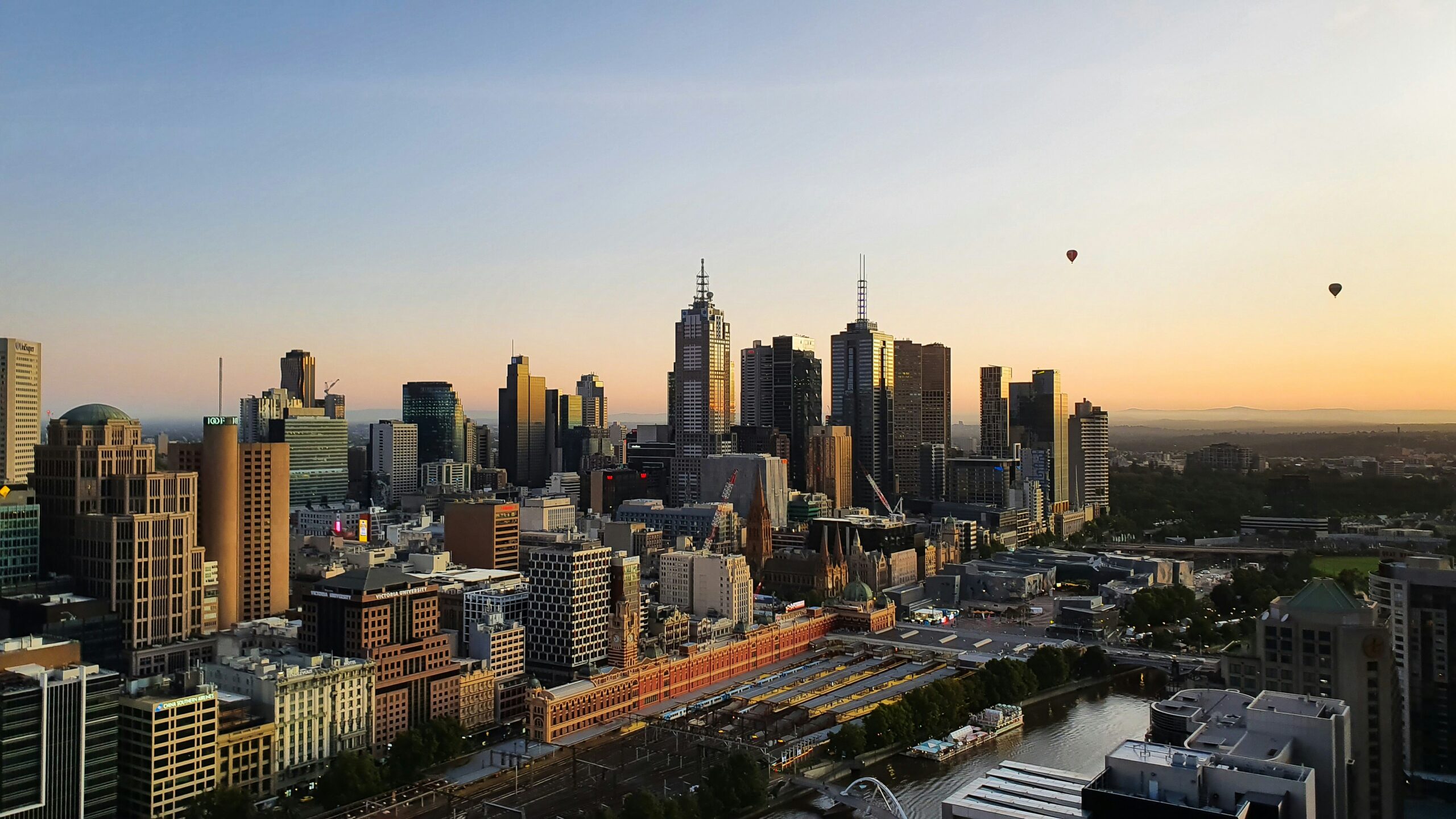
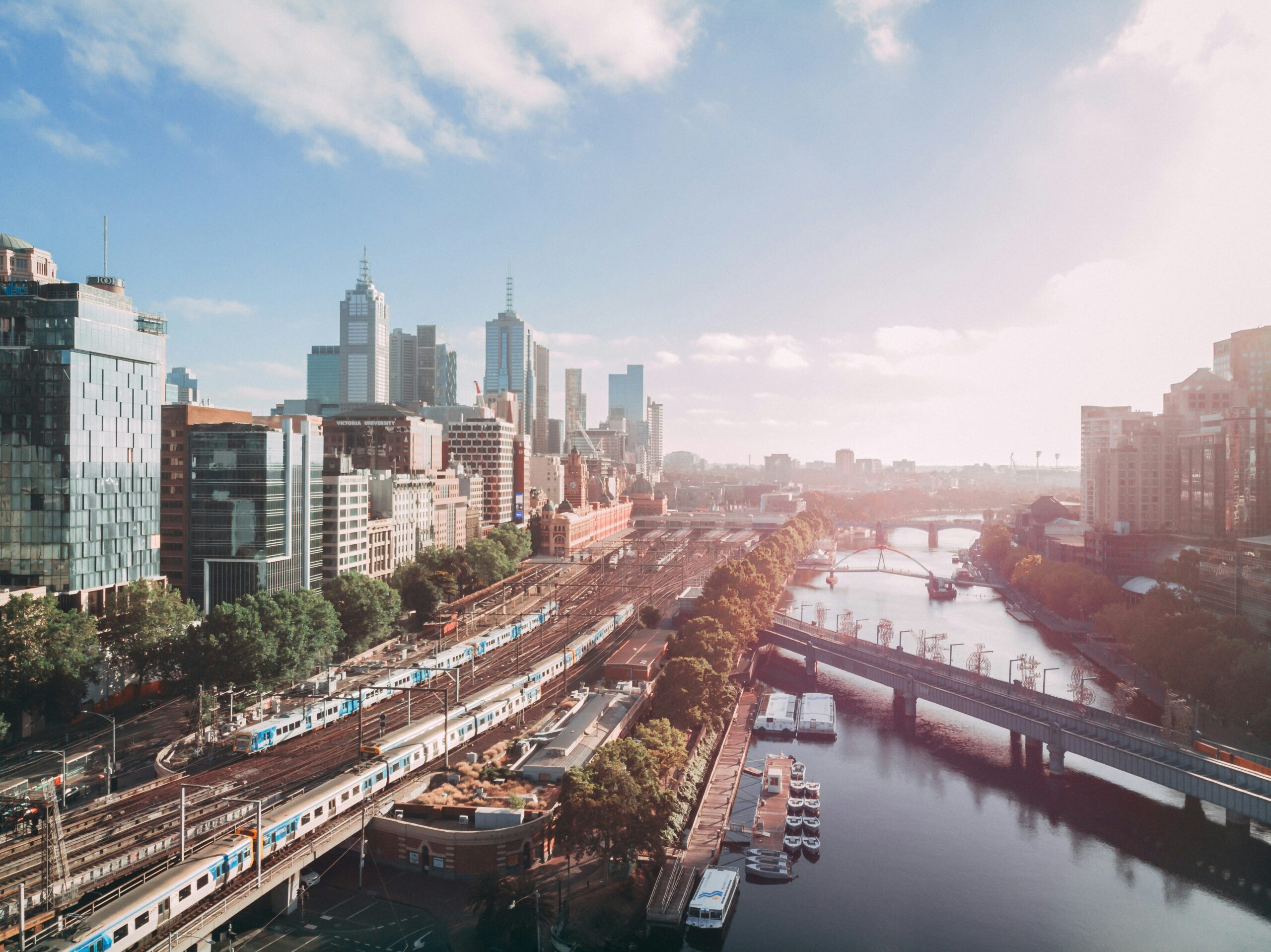
- Yarra River & Southbank – Riverside walks, restaurants, bars, and city views.
Local Gems
- Fitzroy Gardens – Relaxed green space near the CBD.
- Brighton Beach – Famous bathing boxes and coastal views.
- Chapel Street – Shopping, bars, cafes, and nightlife.
- Abbotsford Convent – Arts, food, gardens, and community events.
- Great Ocean Road – One of Australia’s most famous day trips.
- St Kilda Esplanade Market – Weekend market by the beach.
- Brunswick’s Sydney Road – Multicultural food, live music, and student nightlife.
Pre-departure Essentials
Documents & Visas: International students usually need a Subclass 500 Student Visa to study in Australia. Applications should be started early, and students may need to show enrolment, financial capacity, English language evidence, and health insurance depending on their situation.
Health Insurance: Overseas Student Health Cover, known as OSHC, is mandatory for most international students and must usually cover the full length of the stay.
Banking: Major Australian banks include Commonwealth Bank, ANZ, NAB, and Westpac. Many students also use Wise or Revolut for international transfers and spending before opening a local account.
SIM Cards: Telstra, Optus, and Vodafone offer prepaid and monthly SIM plans, usually starting from around AUD $20–40 per month depending on data allowance.
Post-arrival Essentials
Registration: Students should complete university registration and orientation processes shortly after arrival, and make sure their contact details are kept up to date with both their university and visa records where required.
Banking & SIM: Opening an Australian bank account and arranging a local SIM card are usually among the first priorities after arrival, especially for rent payments, part-time work, and everyday spending.
Health & Safety: Students should familiarise themselves with nearby medical centres, pharmacies, and university wellbeing services. Emergency services are reached via 000.
Shopping: Coles, Woolworths, and Aldi are the main supermarkets, while Queen Victoria Market is popular for fresh produce, food stalls, and cheaper everyday items.
Apps: Useful apps in Melbourne include PTV for public transport, Uber and DiDi for rides, Uber Eats, DoorDash and Menulog for food delivery, Gumtree and Facebook Marketplace for second-hand items, Flatmates.com.au for housing, and Wise or Revolut for international banking and transfers.