


Málaga (Spain)
Destination Overview
Málaga is a sunny and cosmopolitan city on Spain’s Costa del Sol, known for its beaches, Mediterranean lifestyle, and growing cultural scene. Famous as the birthplace of Pablo Picasso, the city blends historic landmarks with modern development. Home to the University of Málaga and a large Erasmus community, Málaga is increasingly popular with international students and young professionals looking for an affordable, relaxed lifestyle with easy access to both the sea and the mountains.
Quick Facts, Málaga

Climate
Warm and sunny year-round, with hot summers and mild winters.

Cost of Living
Affordable for a coastal city, with student rooms €250–€400 and groceries €25–45 per week.

Lifestyle
Beach-focused, relaxed, and outdoorsy, with strong student and expat communities.

Vibe
International, social, and laid-back, blending tradition with modern living.

Safety
Generally very safe, with low crime rates and busy public areas.

Transport
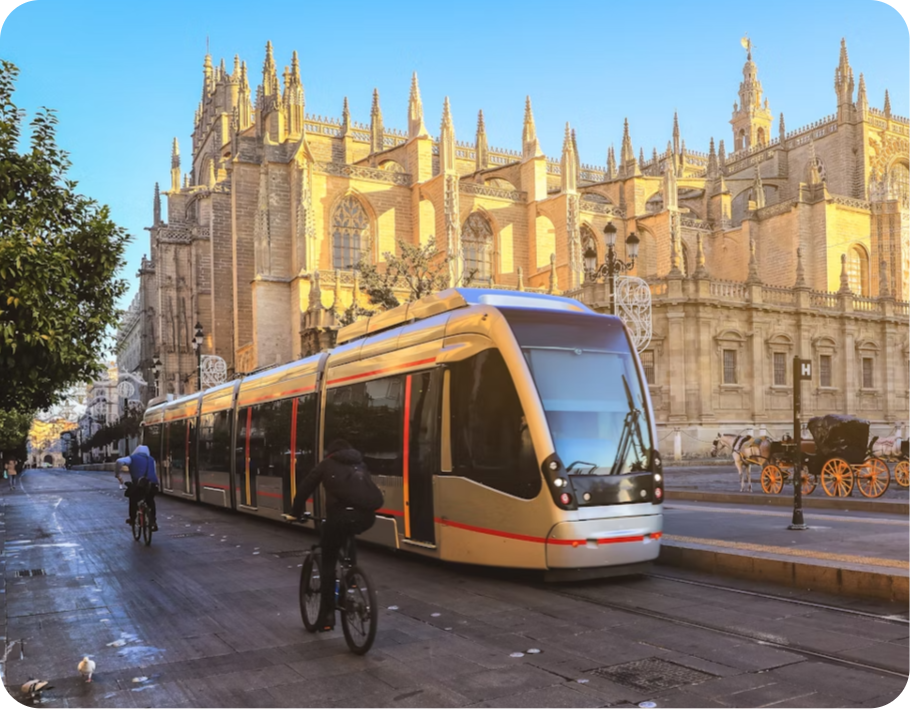
Good public transport, a walkable centre, and excellent rail and air connections.
Areas & Neighbourhoods
1. Centro Histórico
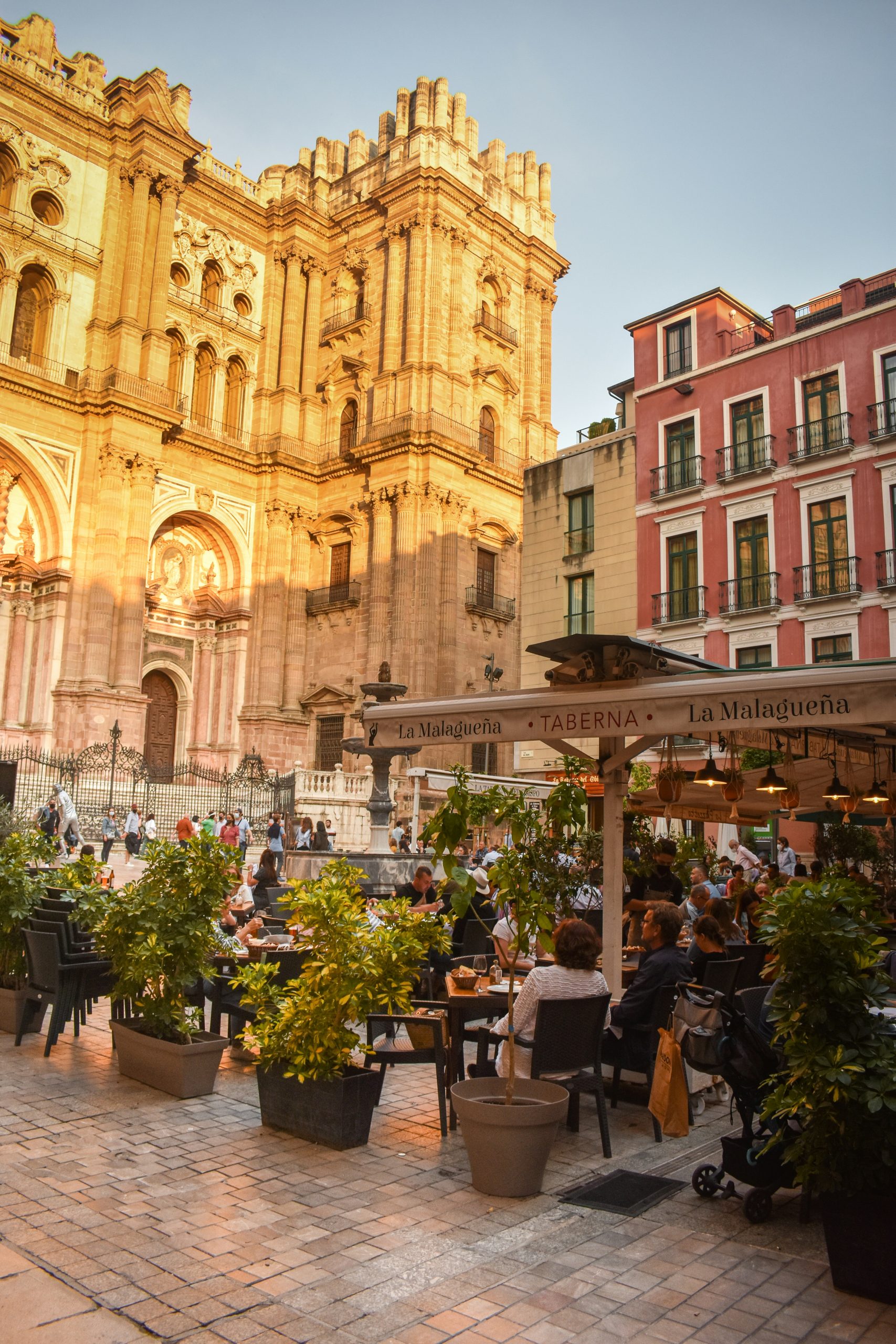
▲The historic heart of Málaga, full of lively plazas, tapas bars, museums, and nightlife. Extremely popular and atmospheric, but rents are higher and the area can be noisy, especially at night.
2. Teatinos
▼3/4. El Palo & Pedregalejo
▼5. Soho
▼6. Cruz de Humilladero
▼7. Huelin
▼Transport
Within Málaga

Metro

Buses

Walking / Cycling
Domestic & International

Bus

Airport

Train
Culture & Lifestyle
Cost of Living: Affordable compared to Madrid or Barcelona. Shared flats typically cost €250–€400 per month, studios €500–€700. Meals €8–12, coffee €1.50–2.50, beer €2–3. Weekly groceries usually €25–45.
Climate: Mediterranean climate with mild winters (12–18°C) and hot summers (30–35°C). Over 300 days of sunshine per year.
Culture: A mix of Andalusian traditions and modern cultural life. Highlights include the Picasso Museum, festivals, flamenco, and a growing arts scene.
Social & Nightlife: Tapas culture is central to social life, alongside beach bars (chiringuitos) and nightlife in the historic centre, El Palo, and Teatinos.
Lifestyle: Relaxed, outdoorsy, and international, with beach life, hiking, and strong Erasmus networks shaping daily life.
Inclusivity & Safety
LGBTQ+ Community
Málaga is welcoming and inclusive, with Pride events and LGBTQ+-friendly nightlife, particularly in the city centre.





Top Attractions & Local Experiences
Must-Sees
- Alcazaba – Moorish fortress overlooking the city.
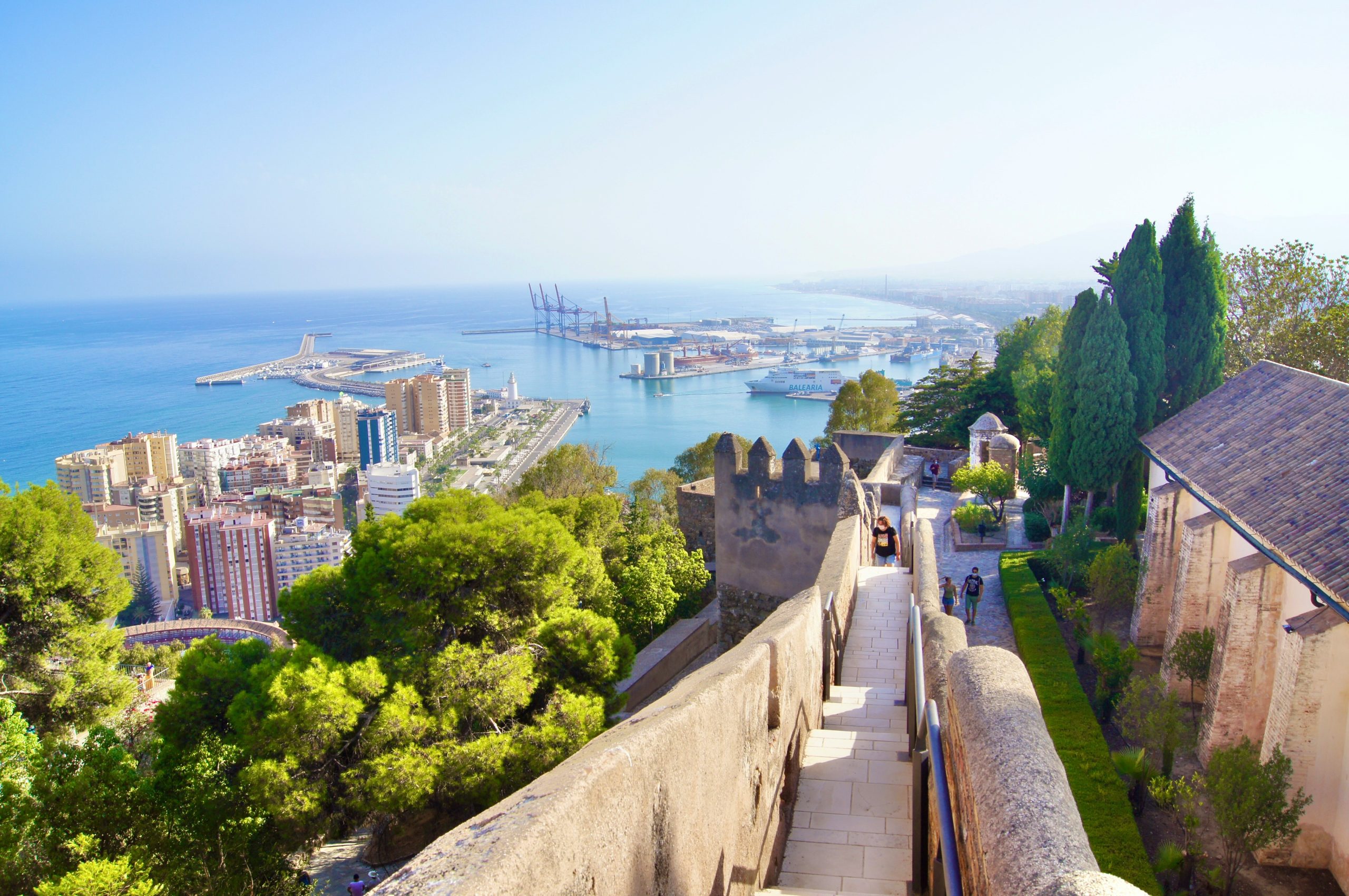
- Gibralfaro Castle – Panoramic views over Málaga and the coast.
- Málaga Cathedral – Renaissance landmark known as “La Manquita”.
- Picasso Museum & Birthplace – Cultural highlights celebrating the artist.
- Centre Pompidou Málaga – Modern art museum in the port area.
- Roman Theatre – Ancient remains at the foot of the Alcazaba.
- La Malagueta Beach – Central city beach.
Local Gems
- Pedregalejo & El Palo – Beach bars and seafood by the sea.
- Atarazanas Market – Fresh food and affordable tapas.
- Soho street art – Creative quarter with murals and galleries.
- Semana Santa & Feria de Málaga – Major annual festivals.
- Montes de Málaga Natural Park – Hiking and nature just outside the city.
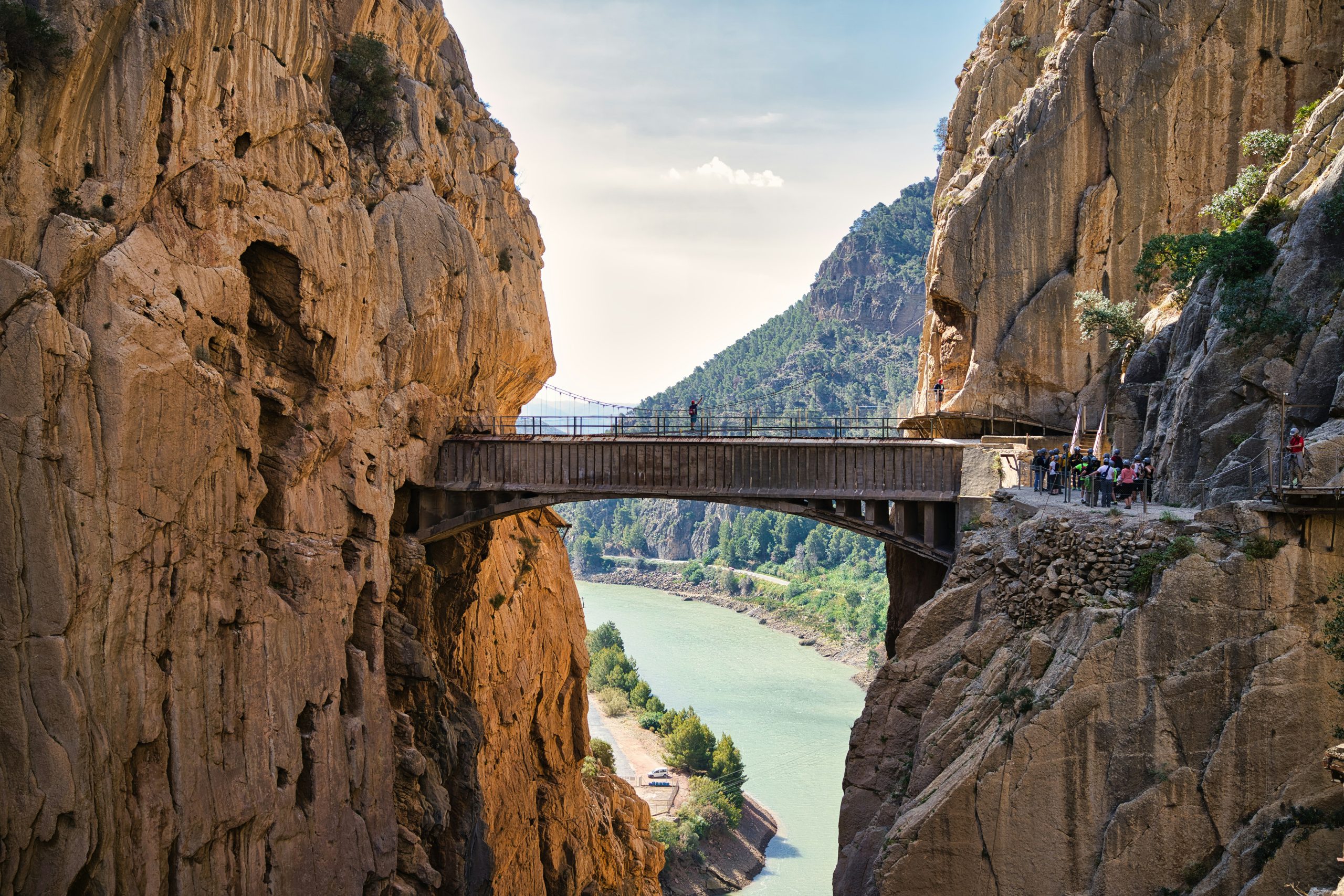
- Caminito del Rey – Dramatic cliffside walkway through the El Chorro gorge, around 1–1.5 hours from Málaga. A hugely popular student day trip and one of Andalusia’s most iconic outdoor experiences.

Pre-departure Essentials
Documents & Visas: EU students do not need a visa to study or live in Spain. UK students and other non-EU nationals usually need a Spanish student visa if staying longer than 90 days, arranged before arrival through the Spanish consulate.
Health Insurance: EU students should bring a valid EHIC. UK students should apply for a GHIC. Non-EU students must arrange private health insurance that meets visa requirements.
Banking: Spanish banks such as Santander, BBVA, and CaixaBank are widely used. Many students also use Revolut or N26, though a Spanish account may be required for rent.
SIM Cards: SIM cards are easy to buy from Movistar, Vodafone, Orange, and MásMóvil, with monthly plans from around €10–20.
Post-arrival Essentials
Registration: Students staying longer than three months must register their address at the town hall (empadronamiento). Non-EU students must apply for a Foreigner Identity Card (TIE).
Banking & SIM: Open a Spanish bank account and purchase a local SIM card if not arranged before arrival.
Health & Safety: Carry your EHIC/GHIC or insurance details. Emergency number is 112. Pharmacies are widespread.
Shopping: Major supermarkets include Mercadona, Carrefour, Lidl, and Dia.
Apps: Useful apps include EMT Málaga (buses), Renfe (trains), Glovo (delivery), Too Good To Go (discount food), and Bizum (payments).