


Madrid (Spain)
Destination Overview
Madrid is Spain’s capital and largest city, located in the heart of the country. Known for its grand boulevards, royal palace, and world-class art museums, it is a major centre for culture, politics, and student life. With a cosmopolitan atmosphere, diverse neighbourhoods, and legendary nightlife, Madrid offers international students endless opportunities, alongside a higher cost of living than many other Spanish cities.
Quick Facts, Madrid

Climate
Madrid has hot, dry summers and cool winters, with spring and autumn offering the most comfortable weather for studying and exploring the city.

Cost of Living
Living costs are higher than most Spanish cities, with rooms typically ranging from €450–€700 and weekly groceries averaging around €40–€60.

Lifestyle
The city is highly walkable with excellent public transport, offering a fast-paced urban lifestyle balanced by large green spaces and a strong café culture.

Vibe
Madrid is energetic, social, and cosmopolitan, combining a strong student presence with culture, nightlife, and a distinctly local way of life.

Safety
Madrid is generally safe and well lit, with low violent crime. Pickpocketing can occur in busy central and tourist areas, so basic precautions are advised.

Transport
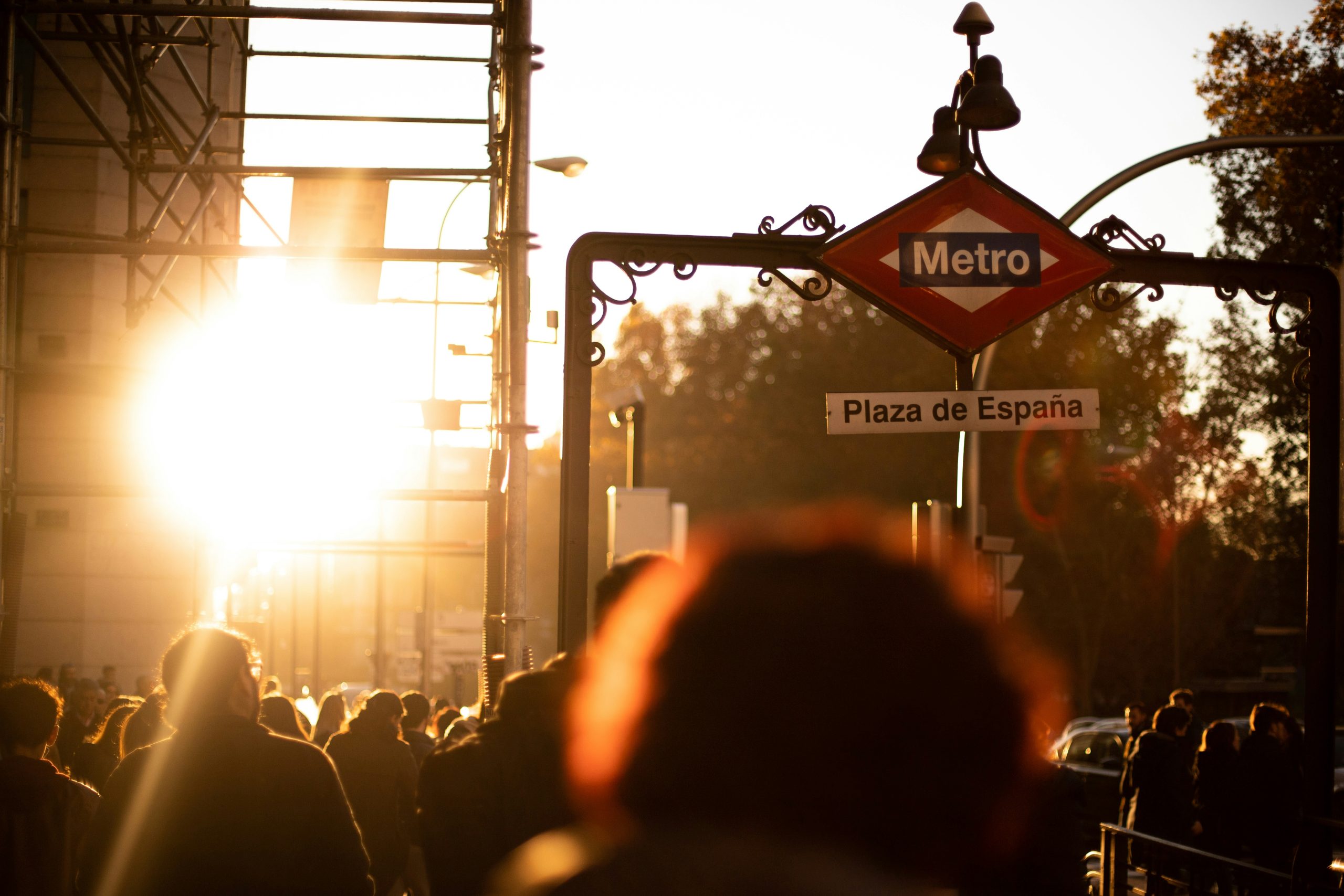
Madrid has one of Europe’s largest metro systems, extensive bus routes, and high-speed train connections, making it easy to get around the city and beyond.
Areas & Neighbourhoods
1/2. Sol & Gran Vía
▲Central and iconic, home to Madrid’s busiest streets, major shopping areas, theatres, and nightlife. Very tourist-heavy and among the most expensive areas. Less common for long-term student housing, but unbeatable for central access.
3. Malasaña
▼4. Chueca
▼5. Lavapiés
▼6. Salamanca
▼7. Argüelles & Moncloa
▼8. La Latina
▼9. Chamberí
▼10. Retiro
▼Transport
Within Madrid

Metro

Buses

Cercanías trains

Bikes & Scooters
Domestic & International

Bus

Airport

Train
Culture & Lifestyle

Cost of Living: Higher than most Spanish cities. Shared flats: €450–€700/month; studios €900+. Tapas €3–€4; coffee €2–€3; groceries €40–€60/week.
Climate: Hot summers (30–40°C) and cool winters (5–10°C). Spring and autumn are the most comfortable seasons.
Culture: Home to the Prado, Reina Sofía, and Thyssen museums, as well as theatres, flamenco, and football culture (Real Madrid & Atlético). Festivals like San Isidro showcase local traditions.
Social & Nightlife: Legendary nightlife with clubs, rooftop terraces, and tapas crawls. Social life runs late, with dinners often starting around 10pm.
Lifestyle: Fast-paced and cosmopolitan, balanced by large green spaces such as Retiro Park. Strong café culture and highly walkable centre.
Inclusivity & Safety
LGBTQ+ Community
One of Europe’s most LGBTQ+-friendly cities, centred on Chueca. Hosts one of the world’s largest Pride festivals.




Top Attractions & Local Experiences
Must-Sees
- Prado Museum – Spain’s most famous art museum, home to masterpieces by Velázquez, Goya, and El Greco.
- Royal Palace – The official residence of the Spanish royal family, showcasing grand halls, art collections, and ceremonial rooms.
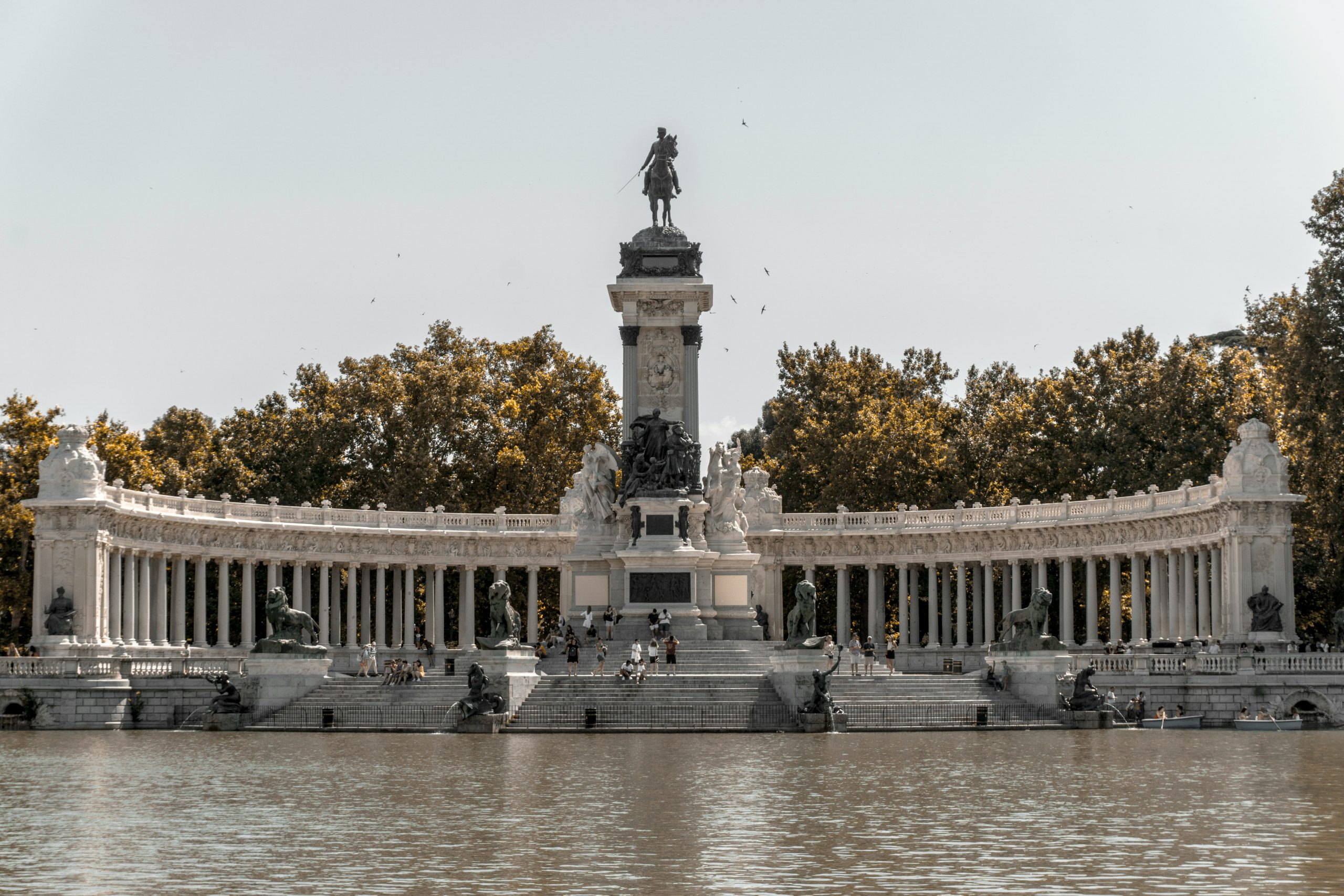
- Retiro Park – A vast green space in the city centre with gardens, sculptures, and a boating lake, popular with students and locals alike.
- Reina Sofía Museum – Spain’s leading modern art museum, best known for Picasso’s Guernica and works by Dalí and Miró.
- Gran Vía – Madrid’s iconic avenue, lined with theatres, flagship shops, cinemas, and nightlife venues.
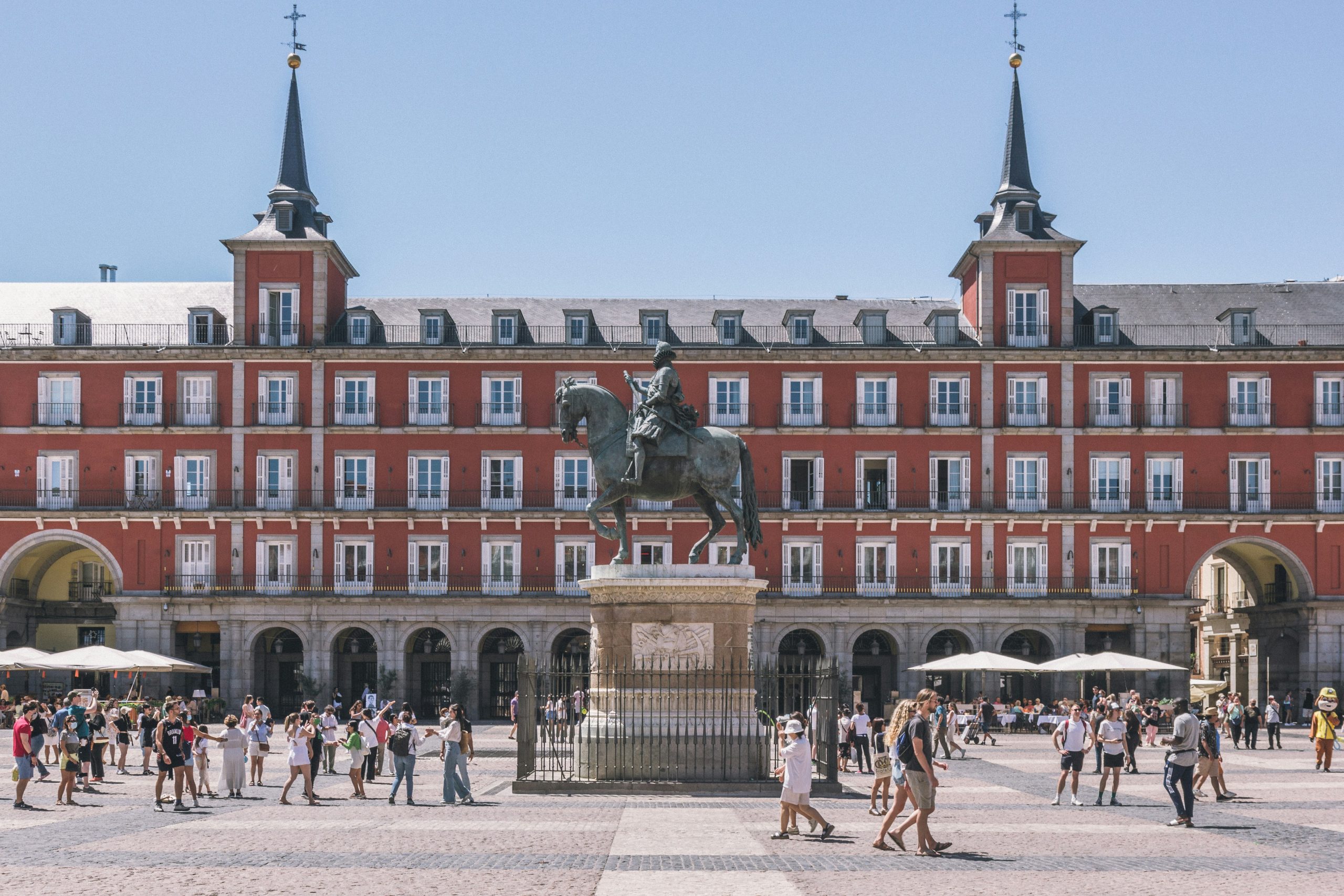
- Plaza Mayor – A historic square surrounded by cafés and arcaded buildings, often hosting markets and events.
- Puerta del Sol – Madrid’s central square and symbolic “kilometre zero” of Spain, always busy and full of energy.
Local Gems
- El Rastro Flea Market – Madrid’s famous open-air market in La Latina, held every Sunday and popular for vintage finds and street food.
- Templo de Debod – An ancient Egyptian temple relocated to Madrid, offering some of the city’s best sunset views.
- Lavapiés Street Art & Dining – A creative area known for murals, cultural centres, and affordable international food.
- Malasaña Independent Shops & Bars – The heart of Madrid’s alternative scene, full of vintage stores, record shops, and student-friendly nightlife.
- Rooftop Bars near Gran Vía – Terraces offering panoramic skyline views, especially popular at sunset and in summer.
Pre-departure Essentials
Documents & Visas: EU students do not need a visa to study or live in Spain. UK students and other non-EU nationals usually need a Spanish student visa if staying longer than 90 days, which must be arranged before arrival through the Spanish consulate. Non-EU young professionals normally require a work visa organised in advance by their employer.
Health Insurance: EU students can use a valid EHIC. UK students should apply for a GHIC. Non-EU students must arrange private health insurance that meets Spanish visa requirements and covers the full stay.
Banking: Spanish banks such as Santander, BBVA, and CaixaBank are widely used. Many students also use online banks like Revolut or N26, though a Spanish account may be required for rent or contracts.
SIM Cards: Unlocked phones work well in Spain. SIM cards are easy to buy from Movistar, Vodafone, Orange, and Yoigo, with pay-as-you-go or monthly plans starting from around €10–20.
Post-arrival Essentials
Registration: Students staying longer than three months must register their address at the local town hall (empadronamiento). Non-EU students also need to apply for a Foreigner Identity Card (TIE) shortly after arrival.
Banking & SIM: If not arranged before departure, students should open a Spanish bank account and purchase a local SIM card once in Madrid.
Health & Safety: Carry your EHIC/GHIC or insurance details at all times. Once settled, locate your nearest public health centre and pharmacy. Emergency services are accessed via 112.
Shopping: Major supermarkets include Mercadona, Dia, Carrefour, and El Corte Inglés food halls. Many shops close on Sundays.
Apps: Useful apps include Moovit (public transport), Glovo (food delivery), Wallapop (second-hand items), Bizum (mobile payments), and BiciMAD (bike sharing).