




Lyon is a diverse city with visible ethnic minority communities, particularly in student and central districts. Ethnic minority students generally feel comfortable and well integrated.
Lyon (France)
Destination Overview
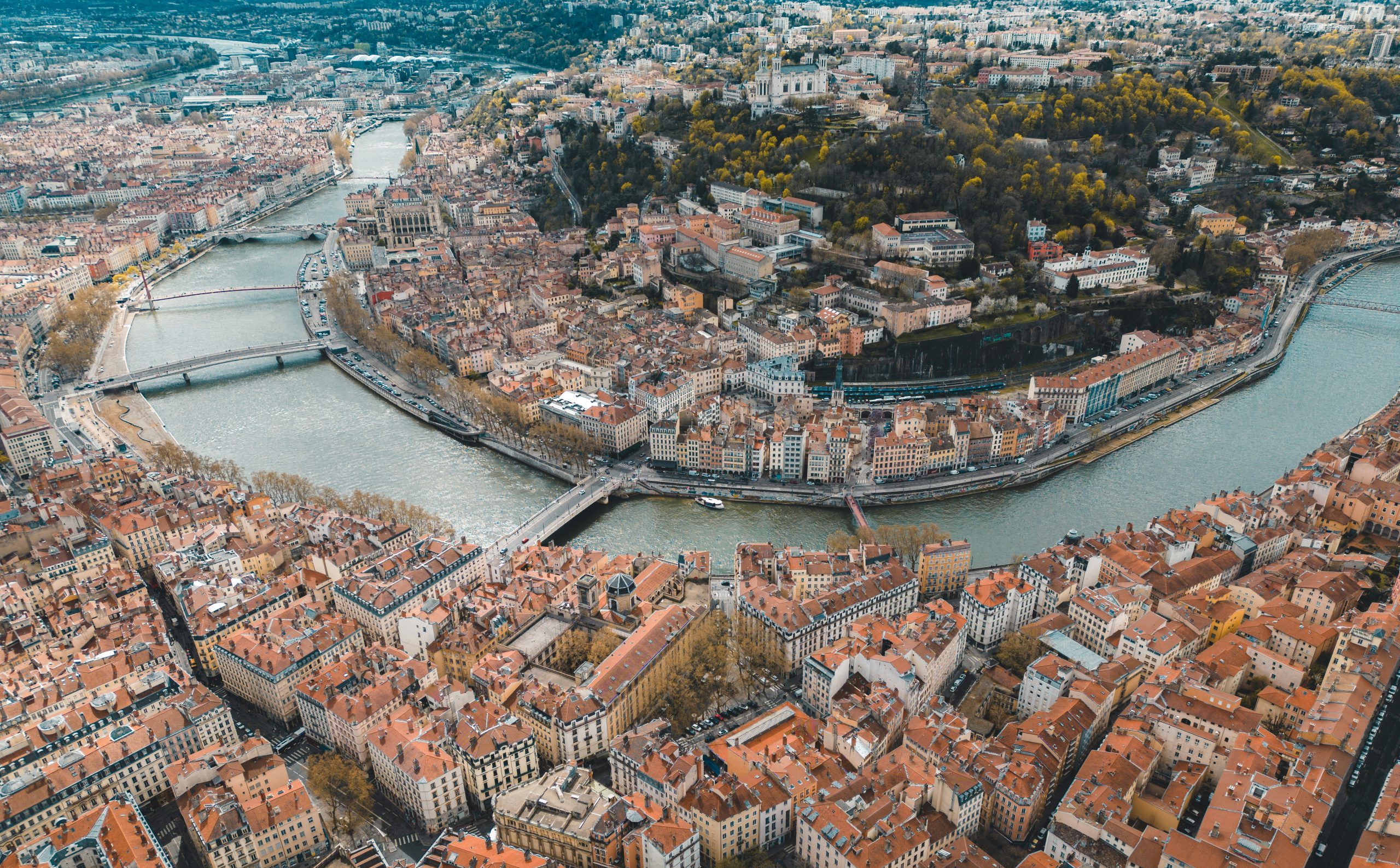
Lyon is France’s third-largest city and is widely regarded as the country’s gastronomic capital. Located between Paris and Marseille, it combines Roman history, UNESCO-listed old towns, and a vibrant modern student culture. Home to several major universities and grandes écoles, Lyon attracts a large international student population. It offers a high quality of life, strong job prospects, and a lower cost of living than Paris while remaining highly connected across France and Europe.
Quick Facts, Lyon

Climate
Lyon has warm summers and cool winters, with plenty of sunshine from spring to autumn and occasional cold snaps in winter.

Cost of Living
Living costs are lower than Paris but higher than smaller French cities, with rooms typically €400–€600 and weekly groceries around €40–60.

Lifestyle
A balanced city lifestyle with rivers, cafés, green spaces, and easy access to the Alps for outdoor activities year-round.

Vibe
Student-friendly, cultural, and food-focused, with a strong international presence and a relaxed but lively social scene.

Safety
Generally safe and well organised, especially in central areas, with low violent crime and busy streets in the evenings.

Transport
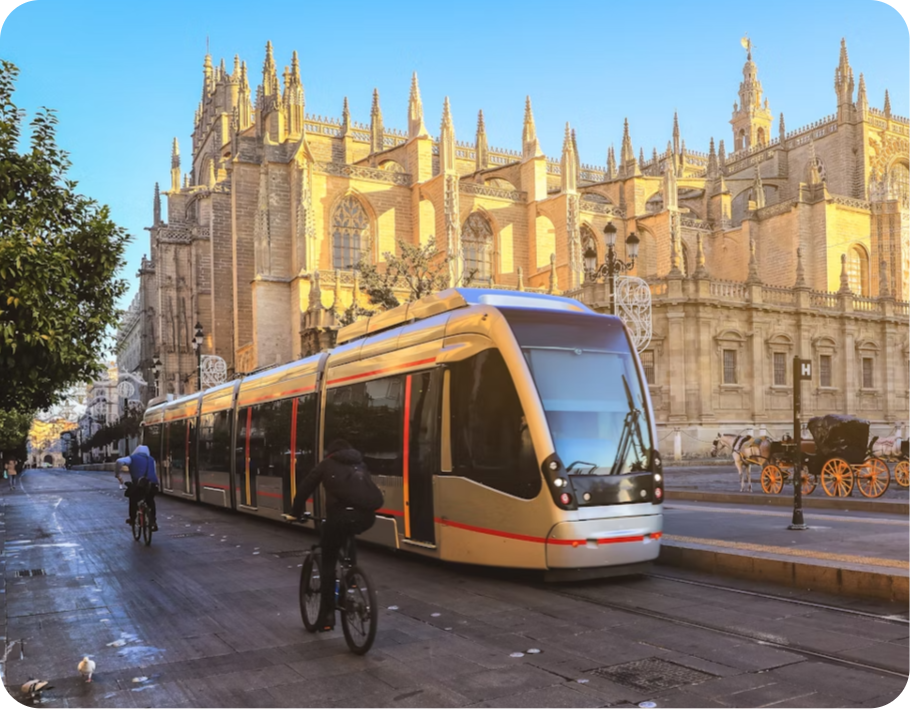
Excellent public transport with metro, trams, and buses covering the whole city, plus strong national and international train links.
Areas & Neighbourhoods
1. Presqu’île
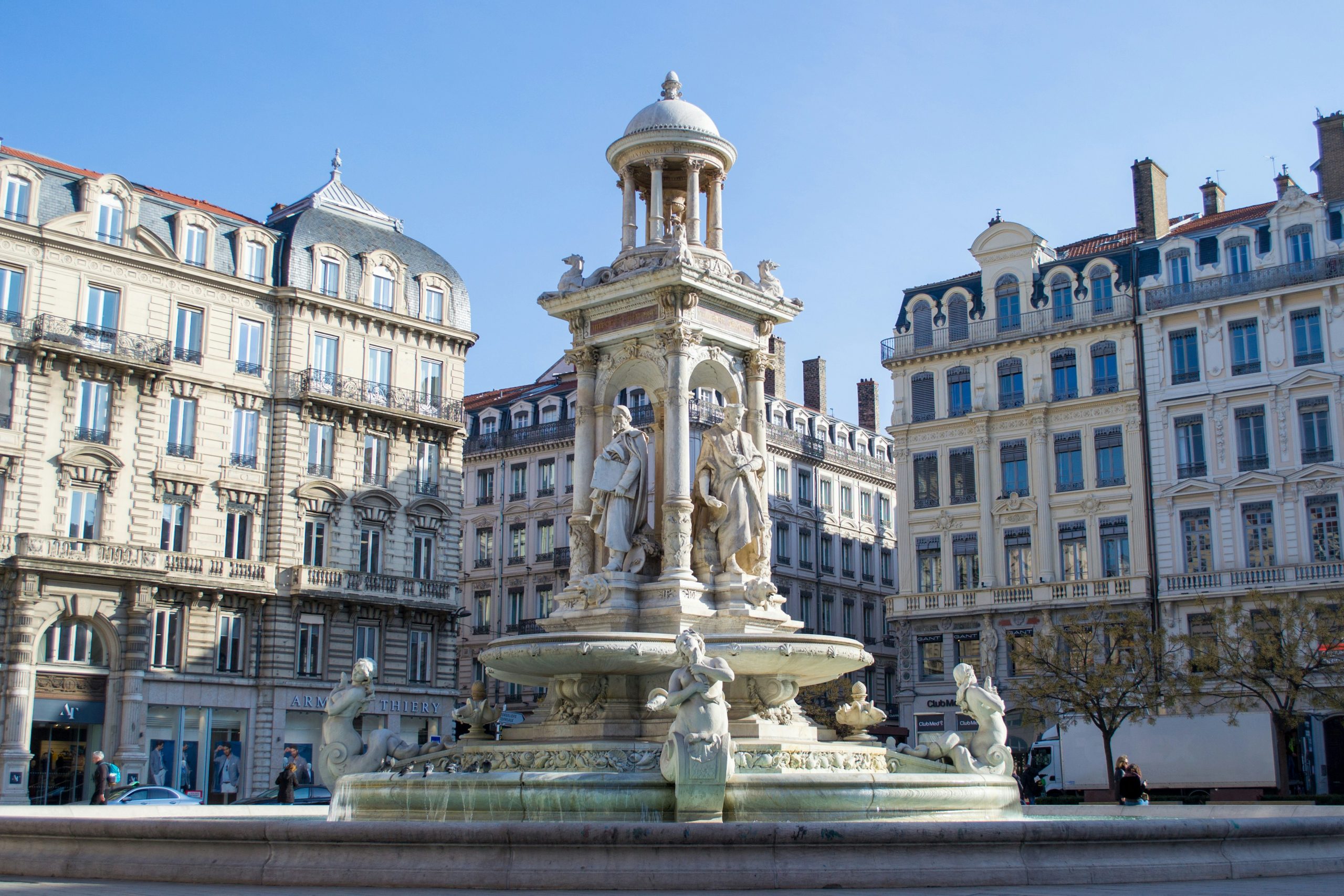
▲The central peninsula between the Rhône and Saône rivers. Full of shops, cafés, bars, and nightlife, with excellent transport links. Very popular with students and young professionals, though rents are slightly higher.
2. Guillotière
▼3. Vieux Lyon (Old Town)
▼4. Croix-Rousse
▼5. Part-Dieu
▼6. Villeurbanne
▼Transport
Within Lyon

Metro
Lyon’s metro system has 4 lines (A, B, C, and D) and is the fastest way to travel across the city. It connects major student areas, universities, and transport hubs efficiently. A monthly TCL pass covers unlimited metro travel and is widely used by students, with discounted rates for under-26s.

Trams
Lyon has an extensive tram network that complements the metro, serving areas not directly covered underground. Trams are especially useful for reaching newer districts, university campuses, and residential neighbourhoods. They are modern, frequent, and fully included in the standard TCL travel pass.

Buses
The citywide bus network fills in the gaps between metro and tram routes, reaching outer neighbourhoods and hilly areas. Buses run frequently during the day, with night services available on key routes. Like the metro and trams, buses are covered by the same TCL student travel passes.

Cycling & Walking
The city is highly walkable in central areas. The Vélo’v bike-share scheme is cheap and widely used by students, with strong cycling infrastructure along the rivers.
Domestic & International

Bus
Long-distance coaches such as FlixBus and BlaBlaBus offer affordable travel across France and Europe.

Airport
Lyon–Saint Exupéry Airport is around 25 minutes from the centre via the Rhônexpress tram. Budget alternatives include buses and ride-sharing.

Train
Lyon Part-Dieu and Perrache stations connect to the national TGV network: Paris (2h), Geneva (1h30), Marseille (3h), and regional destinations like Annecy and Grenoble.
Culture & Lifestyle
Cost of Living: More affordable than Paris. Shared flats usually cost €400–€600/month, studios €700–€900. Eating out is reasonably priced, and groceries average €40–60 per week.
Climate: Warm summers (25–30°C) and cool winters (0–8°C), with occasional snow. Spring and autumn are especially pleasant.
Culture: Famous for gastronomy, historic traboules (hidden passageways), and major events like the Fête des Lumières and Nuits Sonores festival.
Social & Nightlife: Student bars and nightlife are strongest in Guillotière, Presqu’île, and Croix-Rousse, with riverside hangouts popular in warmer months.
Lifestyle: Balanced and high-quality, with green spaces, river walks, and easy access to the Alps for skiing and hiking.
Inclusivity & Safety
LGBTQ+ Community
Lyon is inclusive and welcoming, with Pride events and LGBTQ+ venues mainly around Presqu’île and Guillotière.


Top Attractions & Local Experiences
Must-Sees
- Vieux Lyon – Renaissance old town with traboules
- Basilica of Notre-Dame de Fourvière – Hilltop church with panoramic views
- Parc de la Tête d’Or – Large central park with lake and zoo
- Place Bellecour – One of Europe’s largest squares
- Musée des Confluences – Striking modern museum at the river junction
- Croix-Rousse – Historic silk-weaving district
Local Gems
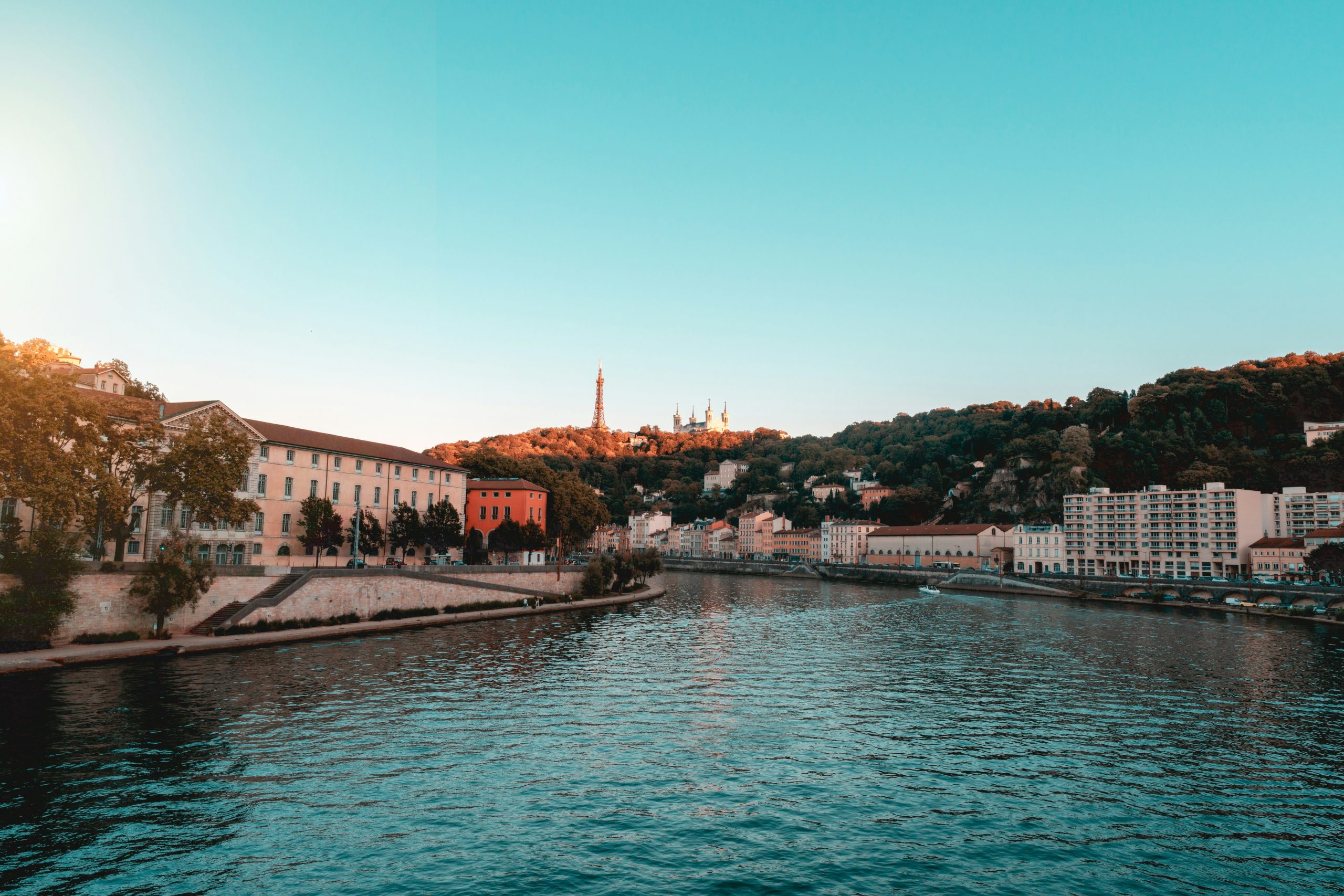
- Rhône & Saône Riverbanks – Popular student hangout spots for picnics, sunset drinks, cycling, and evening socialising along the water.
- Les Halles de Lyon Paul Bocuse – Famous indoor food market showcasing Lyon’s gastronomic heritage, from cheeses and pastries to local specialities.
- Croix-Rousse Street Markets – Lively neighbourhood markets offering fresh produce, local goods, and a strong community atmosphere in one of Lyon’s most characterful districts.
- Traboules – Hidden passageways running through historic buildings, especially in Vieux Lyon and Croix-Rousse, originally used by silk workers and now a unique way to explore the city.
- Nuits Sonores Festival – Renowned electronic music festival held each spring, attracting international DJs, students, and young creatives from across Europe.
Pre-departure Essentials
Documents & Visas: EU students do not need a visa. Non-EU students require a long-stay French student visa, arranged before arrival with university documentation.
Health Insurance: EU students can use an EHIC. Non-EU students must register for French student health insurance (Sécurité Sociale). Private cover is recommended initially.
Banking: French banks such as BNP Paribas, Crédit Agricole, and Société Générale are common. Online banks like Revolut and N26 are also widely used.
SIM Cards: Orange, SFR, Bouygues, and Free Mobile offer monthly plans from €10–20.
Post-arrival Essentials
Registration: Non-EU students must validate their visa online within 3 months of arrival and complete OFII requirements.
Banking & SIM: Open a French bank account and purchase a local SIM if not already arranged.
Health & Safety: Register with the French health system, locate your nearest pharmacy, and keep emergency number 112 saved.
Shopping: Major supermarkets include Carrefour, Monoprix, Franprix, and Lidl. Fresh food markets are common across the city.
Apps: TCL (public transport), Vélo’v (bike sharing), Too Good To Go (discount food), Deliveroo/Uber Eats (delivery), Lydia (payments).