


Kuala Lumpur (Malaysia)
Destination Overview
Kuala Lumpur (KL) is Malaysia’s dynamic capital — a multicultural metropolis where modern skyscrapers meet traditional markets and green city parks. A major hub for business, education, and culture in Southeast Asia, the city attracts thousands of international students each year. English is widely spoken, public transport is improving rapidly, and KL’s blend of Malay, Chinese, and Indian influences creates one of Asia’s most diverse urban experiences. With affordable living costs, incredible food, and a vibrant social scene, Kuala Lumpur offers students and young professionals an accessible introduction to life in a modern Asian megacity.
Quick Facts, Kuala Lumpur

Climate
Tropical and hot year-round (26–33°C), with heavier monsoon rains typically from October to March.

Cost of Living
Very affordable for a major Asian city. Shared flats usually cost RM 800–1,500/month, with weekly groceries around RM 200–300.

Lifestyle
Relaxed but lively, centred around food culture, shopping malls, cafés, and weekend trips to beaches or highlands.

Vibe
Multicultural, friendly, and fast-growing — blending modern city life with traditional Southeast Asian culture.

Safety
Generally safe, with low violent crime. Petty theft can occur in busy areas.

Transport
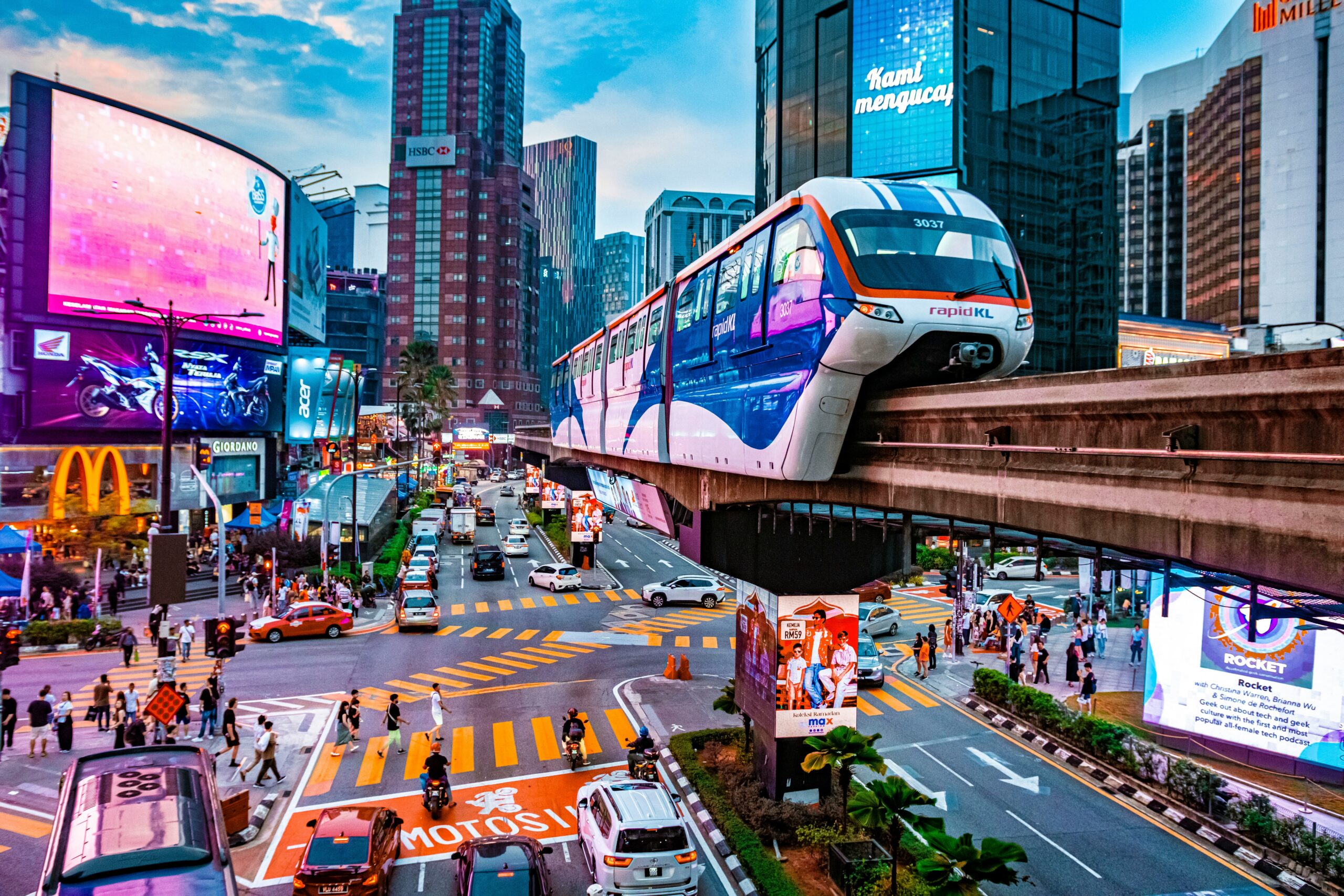
Well-connected metro and rail network, affordable buses, and widespread ride-hailing.
Areas & Neighbourhoods
1. Bukit Bintang
▲Central and energetic, packed with shopping malls, restaurants, and nightlife. Close to transport links and student-friendly serviced apartments. Lively and convenient, though it can be noisy at night.
2. KLCC (Kuala Lumpur City Centre)
▼3. Bangsar
▼4. Mont Kiara
▼5. Damansara (Utama / Heights)
▼6. Subang Jaya
▼7. Petaling Jaya (PJ)
▼8. Cheras
▼Transport
Within Kuala Lumpur

Metro & Urban Rail (MRT, LRT, Monorail, KTM Komuter)

Public Buses

Ride-hailing

Walking / Cycling
Domestic & International

Bus

Airport

Train
Culture & Lifestyle
Cost of Living: Shared flats average RM 800–1,500/month, studios RM 2,000–3,000. Meals cost RM 10–25, coffee RM 8–15, beer RM 20–30, and groceries usually total RM 200–300 per week.
Climate: Hot and humid year-round, with heavier rain during monsoon months.
Culture: A rich blend of Malay, Chinese, and Indian traditions, reflected in festivals, architecture, and world-famous street food.
Social & Nightlife: Bukit Bintang, Bangsar, and KLCC host rooftop bars, lounges, and student-friendly nightlife.
Lifestyle: Relaxed and affordable. Students spend time in malls, cafés, parks, and on weekend trips to beaches or hill resorts.
Inclusivity & Safety
LGBTQ+ Community
Public LGBTQ+ expression is limited legally and socially, though discreet, private-friendly spaces exist in expat and nightlife areas. Most international students report feeling safe when respectful of local norms.





Top Attractions & Local Experiences
Must-Sees
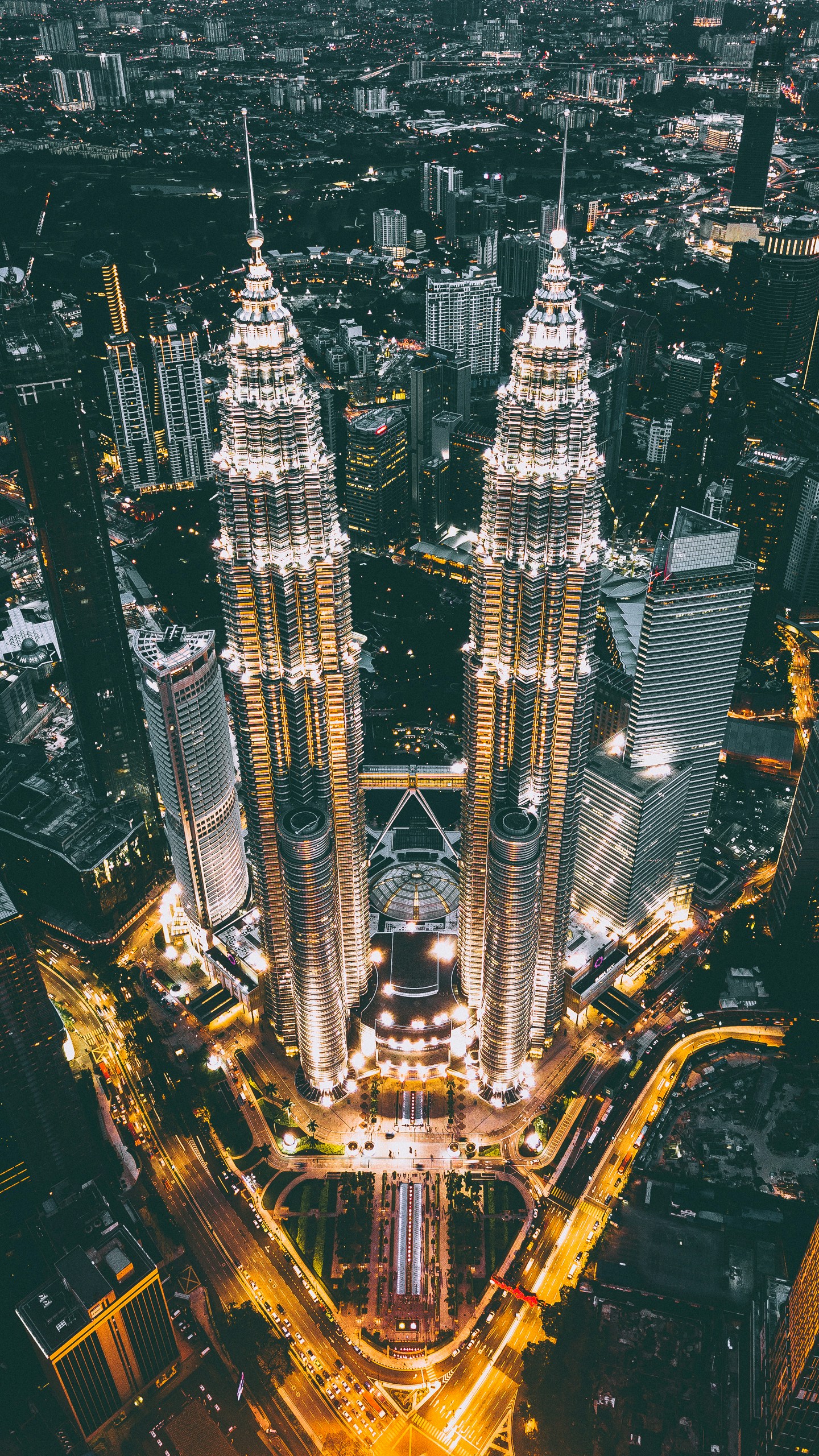
- Petronas Twin Towers – Iconic skyline symbol with skybridge views.
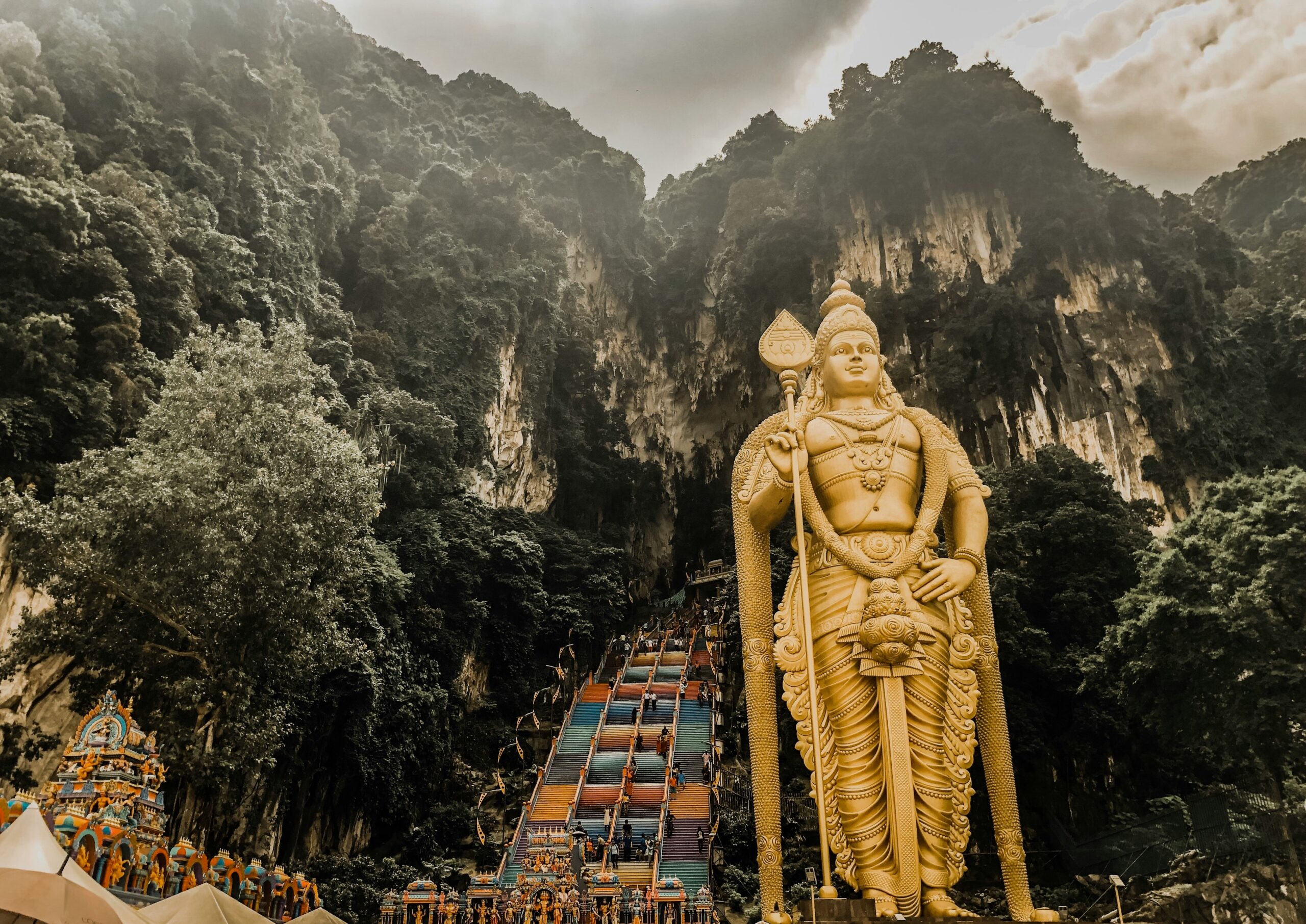
- Batu Caves – Hindu temple complex inside dramatic limestone caves.
- Merdeka Square – Colonial-era buildings and national landmarks.
- KL Tower – Observation deck with panoramic city views.
- Bukit Bintang – Shopping, nightlife, and food streets.
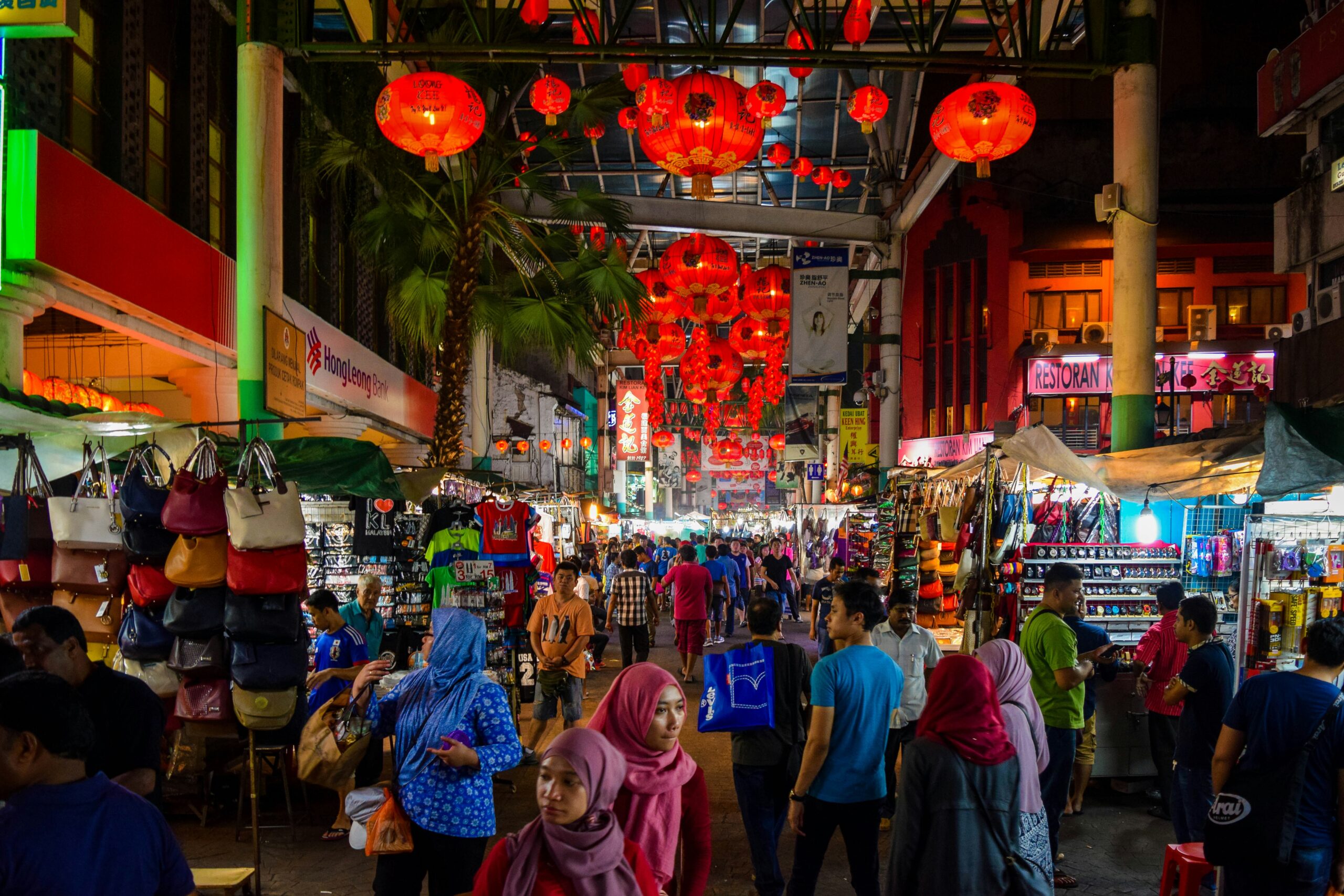
- Central Market & Chinatown (Petaling Street) – Souvenirs, street food, and heritage shops.
Local Gems
- Jalan Alor – Famous late-night street food strip.
- Perdana Botanical Gardens & Taman Tugu – Green escapes in the city.
- The Row & Publika – Creative hubs with cafés and events.
- Brickfields (Little India) – Colourful temples and South Indian cuisine.
- Kampung Baru – Traditional Malay village with skyline views.
- Genting Highlands – Hill resort about one hour away.
Pre-departure Essentials
Documents & Visas: Most international students require a Malaysian Student Pass issued through EMGS (Education Malaysia Global Services) after receiving their university offer. Your institution usually handles much of the process, but you’ll need a valid passport (minimum 12 months), passport photos, medical screening documents, and proof of enrolment. Apply as early as possible to avoid delays.
Health Insurance: Mandatory for all international students. Universities typically arrange basic medical coverage as part of enrolment, though some students choose to upgrade to private insurance for wider hospital access.
Banking: Major banks include Maybank, CIMB, RHB, and HSBC. You can open a student account with your passport, visa approval letter, and university confirmation. Many students also use Wise or Revolut initially for international transfers.
SIM Cards: Celcom, Digi, Maxis, and U Mobile all offer prepaid or student-friendly plans from around RM 20–40 per month. SIM cards can be purchased at the airport, shopping malls, or official provider stores.
Post-arrival Essentials
Registration: After arrival, complete your university check-in and EMGS registration. This usually includes passport verification and final Student Pass processing.
Banking & SIM: Once settled, open a local bank account for rent and everyday expenses, and activate a Malaysian SIM card if you haven’t already done so.
Health & Safety: Emergency number is 999. Public and private hospitals are modern and affordable, and most staff speak English.
Shopping: Major supermarkets include Lotus’s (formerly Tesco), Jaya Grocer, AEON, Giant, and Mydin. Local wet markets are also great for fresh produce at lower prices.
Apps: Useful apps include Grab (transport and food), Touch ‘n Go (cashless payments), Moovit (public transport), Foodpanda (delivery), and Shopee or Lazada for online shopping.