


Granada (Spain)
Destination Overview
Granada, in southern Spain’s Andalusia region, is a historic city famous for its Moorish architecture, student atmosphere, and stunning mountain backdrop. Home to the University of Granada, one of Spain’s largest and most international universities, students make up around a quarter of the city’s population. Granada offers affordable living, vibrant nightlife, and a unique blend of Spanish and Arab culture, with the Alhambra Palace as its crown jewel.
Quick Facts, Granada

Climate
Granada has hot summers and mild winters, with cooler temperatures in winter due to its inland location and proximity to the mountains.

Cost of Living
Granada is one of Spain’s most affordable student cities, with rooms typically costing €200–€350 and weekly groceries around €25–40.

Lifestyle
The city offers a relaxed, student-led lifestyle, with free tapas culture, walkable neighbourhoods, and easy access to mountains and beaches.

Vibe
Granada is historic, multicultural, and youthful, shaped strongly by its large international student population.

Safety
Granada is considered very safe, with low violent crime. Petty theft can occur in tourist areas, so basic precautions are advised.

Transport
Granada is compact and walkable, supported by buses and a light-rail metro connecting key neighbourhoods and campuses.
Areas & Neighbourhoods
1. Centro
▲The historic and commercial heart of Granada, full of shops, bars, and major attractions. Very convenient and lively, but more tourist-heavy and slightly more expensive.
2. Albaicín
▼3. Realejo
▼4. Cartuja
▼5. Camino de Ronda
▼6. Zaidín
▼7. Beiro
▼Transport
Within Granada

Metro (Light Rail)

Buses

Walking & Cycling
Domestic & International

Bus

Airport

Train
Culture & Lifestyle
Cost of Living: Very affordable. Shared flats €200–€350/month, studios €450–€600. Meals €7–10, coffee €1.50–2, beer €2–3. Groceries €25–40/week.
Climate: Mediterranean with continental touches. Hot summers (30–38°C), mild winters (5–15°C), occasional snow in Sierra Nevada.
Culture: Unique blend of Spanish and Moorish influences. Highlights include the Alhambra, flamenco, Arab baths, and tea houses. Strong cultural calendar with festivals like Semana Santa and Corpus Christi.
Social & Nightlife: Famous for free tapas with drinks. Student nightlife thrives in Realejo, Camino de Ronda, and Pedro Antonio de Alarcón.
Lifestyle: Affordable, multicultural, relaxed, and student-driven. Access to both Sierra Nevada for skiing and beaches on the Costa Tropical within 1–2 hours.
Inclusivity & Safety
LGBTQ+ Community
Generally welcoming, with Pride events and LGBTQ+ bars and cafés in the city. While smaller than in Madrid or Barcelona, the community is visible and growing.






Top Attractions & Local Experiences

Must-Sees
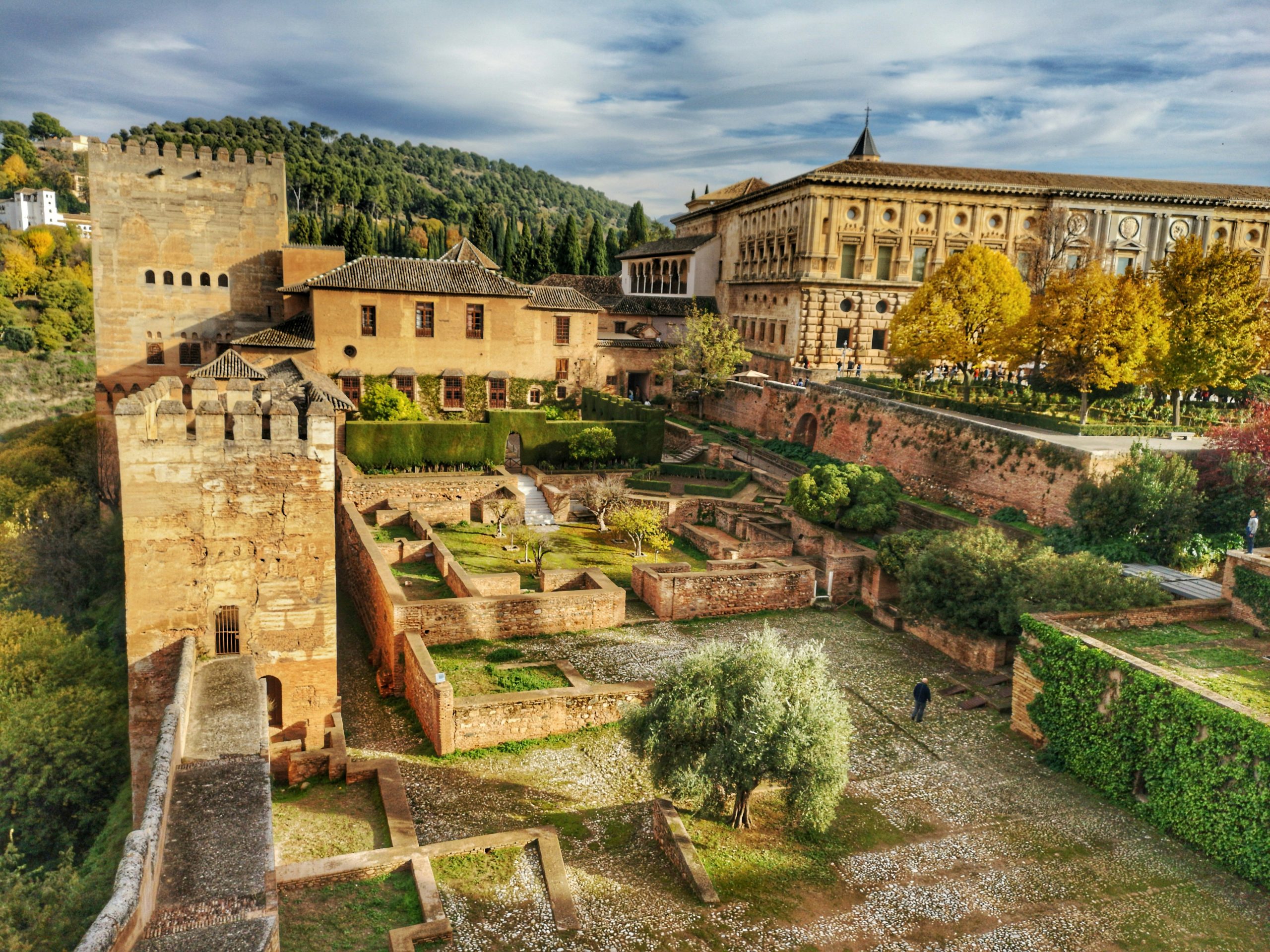
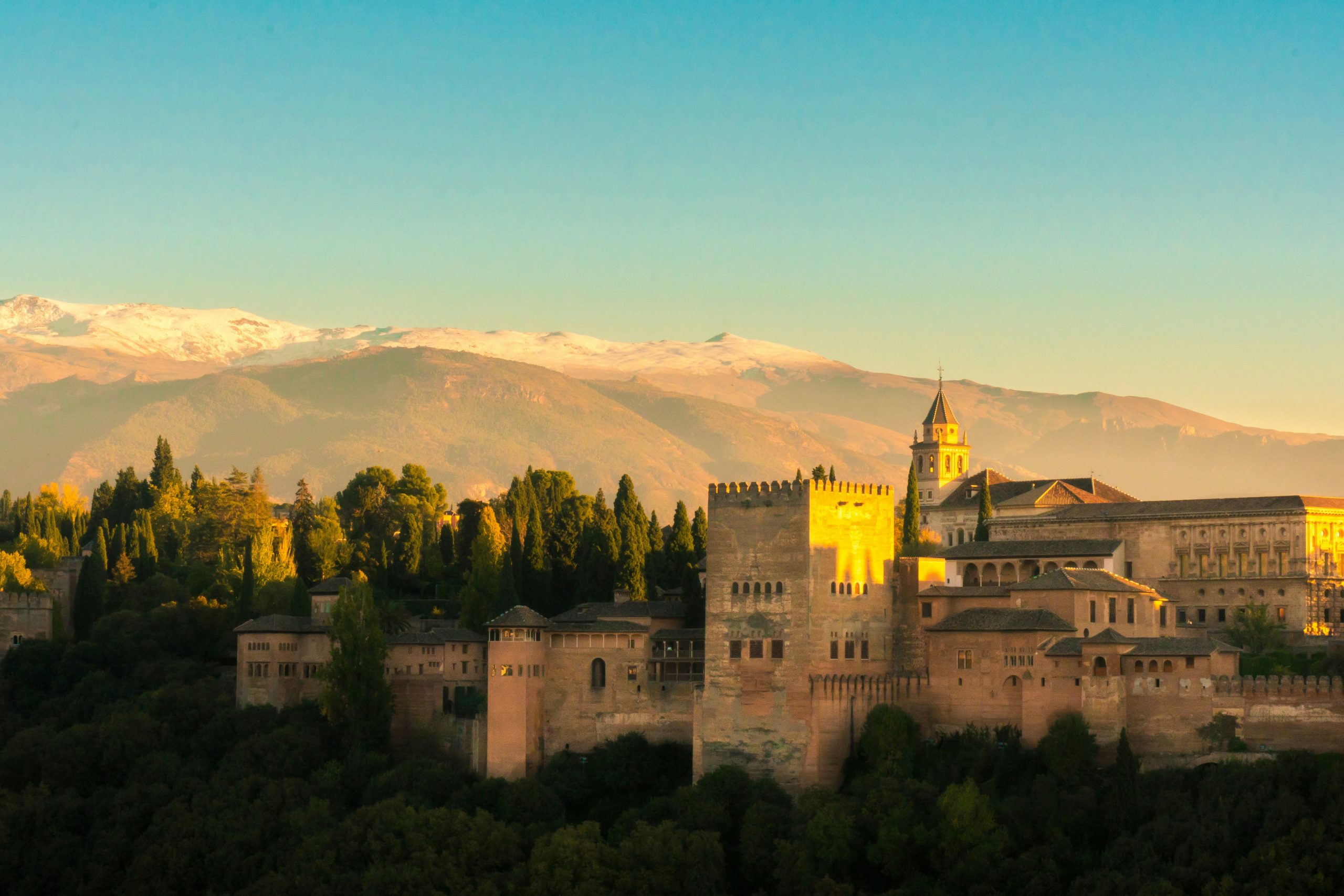
- Alhambra Palace – UNESCO World Heritage Site and Granada’s most famous landmark, showcasing Nasrid palaces, courtyards, and gardens.
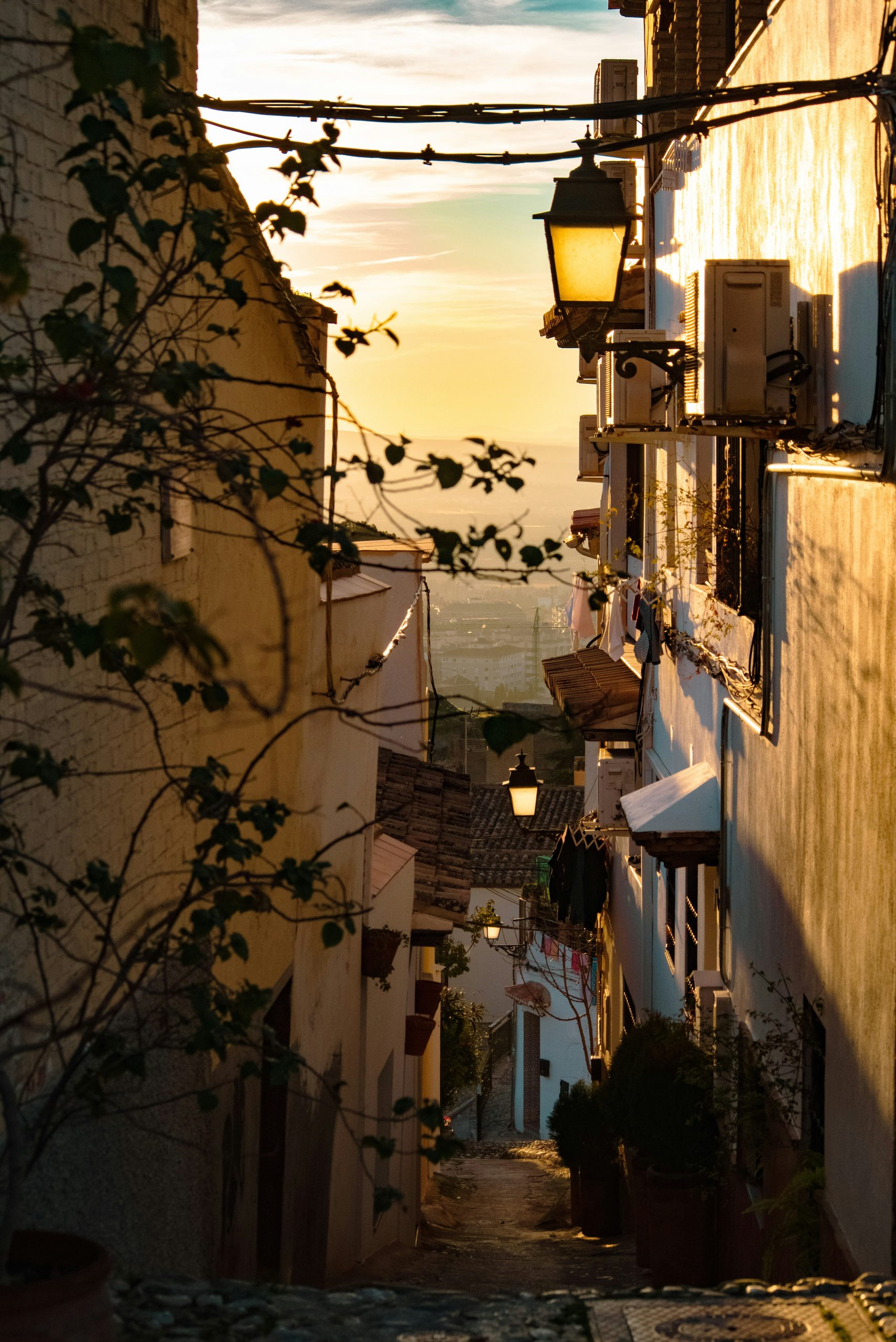
- Albaicín – Moorish old quarter with narrow streets, whitewashed houses, and panoramic views of the Alhambra.
- Generalife Gardens – Former summer palace of the Nasrid rulers, known for landscaped gardens and fountains.
- Granada Cathedral & Royal Chapel – Renaissance cathedral and burial place of the Catholic Monarchs, Ferdinand and Isabella.
- Mirador de San Nicolás – Iconic viewpoint offering sunset views over the Alhambra with the Sierra Nevada backdrop.
- Sacromonte – Historic neighbourhood famous for cave houses and traditional flamenco performances.
- Sierra Nevada – Mountain range just outside the city, offering skiing in winter and hiking year-round.
- Corral del Carbón – Well-preserved 14th-century Moorish monument in the city centre.
Local Gems
- Arab baths (hammams) & teterías – Relaxing bathhouses and tea houses reflecting Granada’s Arab heritage.
- Tapas crawl in Realejo & Centro – Famous free tapas culture with drinks, popular among students.
- Parque de las Ciencias – Interactive science museum popular with students and visitors.
- Carmen de los Mártires – Peaceful gardens with views over the Alhambra and city.
- Street art in Realejo – Murals and alternative culture throughout the neighbourhood.
- Calle Calderería Nueva – “Little Morocco” street lined with tea houses and shops.
- Pedro Antonio de Alarcón – Student nightlife street packed with bars and cheap drinks.
- Las Alpujarras – Whitewashed mountain villages nearby, ideal for weekend trips and hiking.
Pre-departure Essentials
Documents & Visas: EU students do not need a visa to study or live in Spain. UK students and other non-EU nationals usually need a Spanish student visa if staying longer than 90 days, which must be arranged before arrival through the Spanish consulate. Non-EU young professionals normally require a work visa organised in advance by their employer.
Health Insurance: EU students can use a valid EHIC. UK students should apply for a GHIC. Non-EU students must arrange private health insurance that meets Spanish visa requirements and covers the full stay.
Banking: Spanish banks such as Santander, BBVA, and CaixaBank are widely used. Many students also use online banks like Revolut or N26, though a Spanish account may be required for rent or contracts.
SIM Cards: Unlocked phones work well in Spain. SIM cards are easy to buy from Movistar, Vodafone, Orange, and MásMóvil, with monthly plans typically starting from €10–20.
Post-arrival Essentials
Registration: Students staying longer than three months must register their address at the local town hall (empadronamiento). Non-EU students also need to apply for a Foreigner Identity Card (TIE) shortly after arrival.
Banking & SIM: If not arranged before departure, students should open a Spanish bank account and purchase a local SIM card once in Granada.
Health & Safety: Carry your EHIC/GHIC or insurance details at all times. Once settled, locate your nearest public health centre and pharmacy. Emergency services are accessed via 112.
Shopping: Major supermarkets include Mercadona, Carrefour, Lidl, and Dia. Local food markets are also popular.
Apps: Useful apps include Moovit (transport), Glovo (food delivery), Too Good To Go (discount food), Bizum (payments), Wallapop (second-hand items), and Badi (flatshares).