


Frankfurt (Germany)
Destination Overview
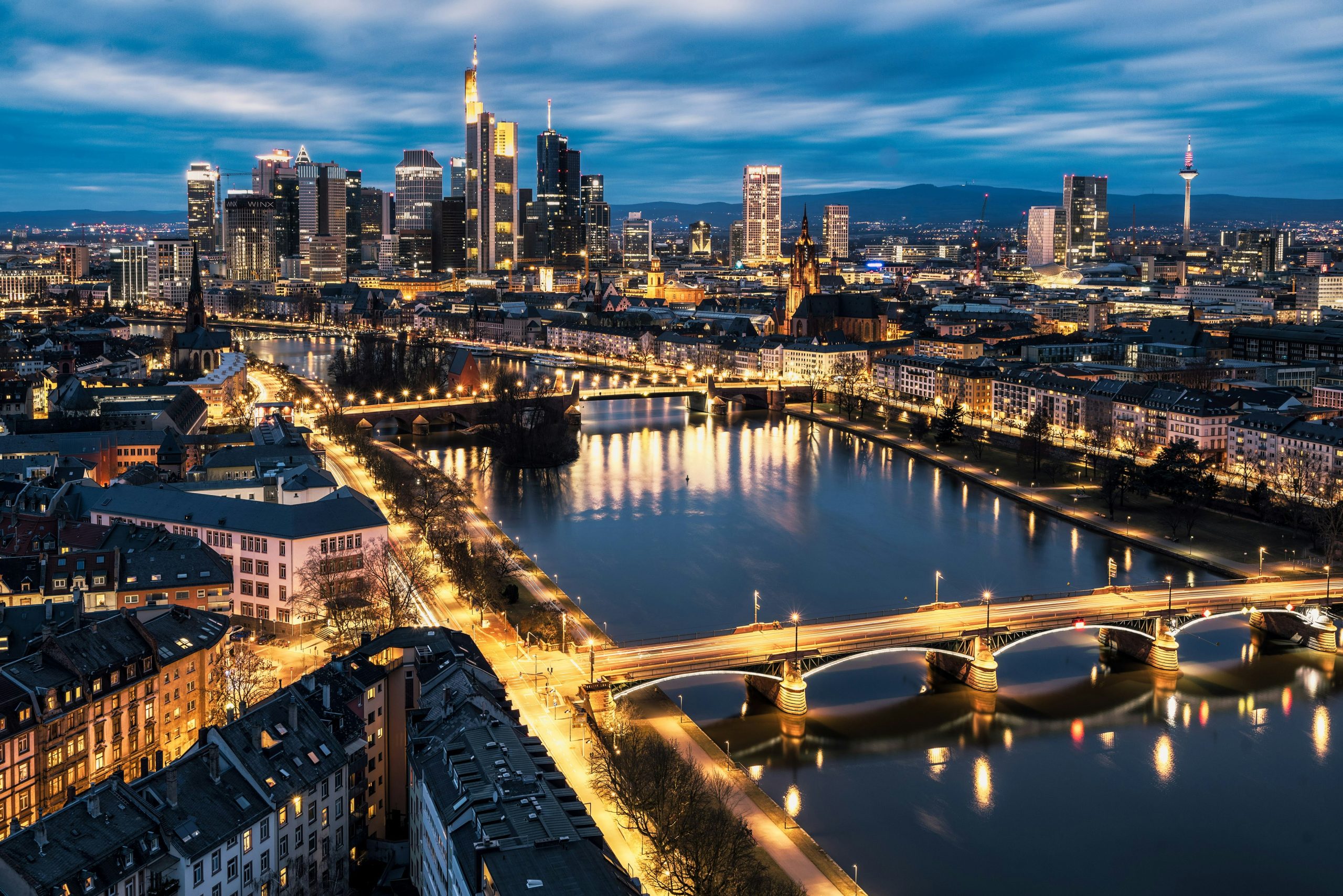
Frankfurt am Main is Germany’s financial capital and one of Europe’s most international cities. Known for its skyline, trade fairs, and global connectivity, it is also a major student hub thanks to institutions such as Goethe University and the Frankfurt School of Finance. While living costs are higher than in many German cities, Frankfurt offers strong career opportunities, cultural diversity, and one of the best transport networks in Europe, making it particularly attractive to students and young professionals.
Quick Facts, Frankfurt

Climate
Frankfurt has mild winters and warm summers, with occasional heatwaves. Spring and early autumn are the most comfortable seasons.

Cost of Living
Living costs are relatively high for Germany. Shared rooms usually cost €500–€700, with weekly groceries around €40–€70.

Lifestyle
Fast-paced, international, and career-focused, balanced by green spaces and riverside social life.

Vibe
Modern and global, with a strong student and expat presence alongside finance and business culture.

Safety
Generally safe, though petty crime is more common around the main station area at night.

Transport
Excellent local, national, and international transport, including one of Europe’s largest airports.
Areas & Neighbourhoods
1. Innenstadt (City Centre)
▲The commercial and shopping heart of Frankfurt, home to Zeil and major offices. Extremely central and well connected, but busy, touristy, and expensive for housing.
2. Bockenheim
▼3. Nordend
▼4. Bornheim
▼5. Sachsenhausen (Nord & Alt)
▼6. Westend
▼7. Gallus
▼8. Ostend
▼9. Bahnhofsviertel
▼Transport
Within Frankfurt

U-Bahn & S-Bahn:

Trams & Buses:

Cycling & E-scooters
Domestic & International

Bus

Airport

Train
Culture & Lifestyle
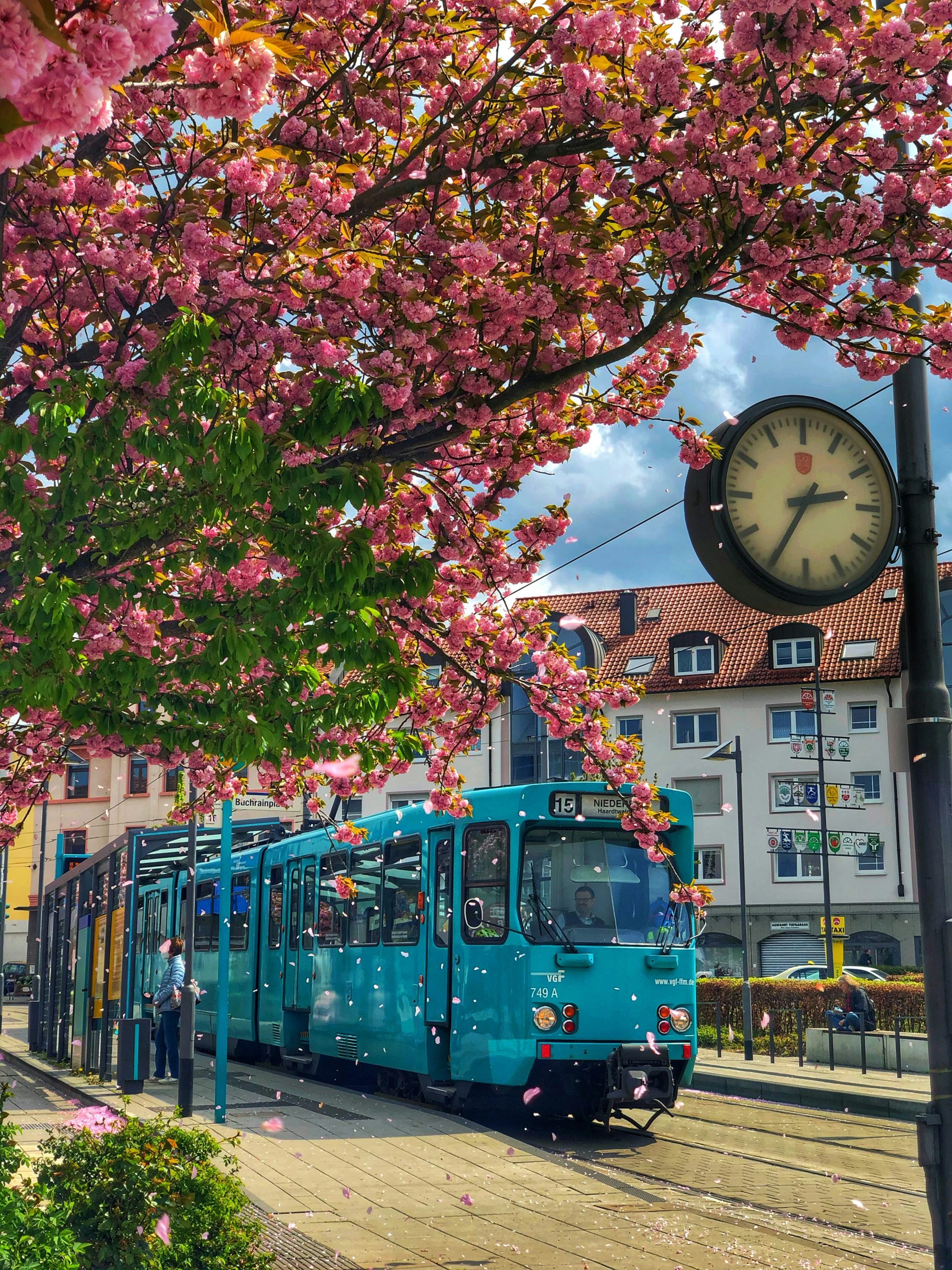
Cost of Living: Shared accommodation €500–€700 per month, studios €900–€1,200. Meals €10–€15, coffee around €3, beer €4–€5. Weekly groceries €40–€70.
Climate: Mild winters (0–7°C) and warm summers (22–30°C), with occasional heatwaves.
Culture: A mix of modern skyscrapers and historic quarters. The Museumsufer hosts world-class museums, and the city is known for major events like the Frankfurt Book Fair.
Social & Nightlife: Nightlife centres around Sachsenhausen and Bornheim, with apple wine taverns, student pubs, clubs, and international food spots.
Lifestyle: Cosmopolitan and career-driven, balanced by parks, riverside hangouts, and a highly international community.
Inclusivity & Safety
LGBTQ+ Community
Frankfurt is one of Germany’s most LGBTQ+ friendly cities, with Pride events, a strong nightlife scene, and active student and community support networks.




Top Attractions & Local Experiences
Must-Sees
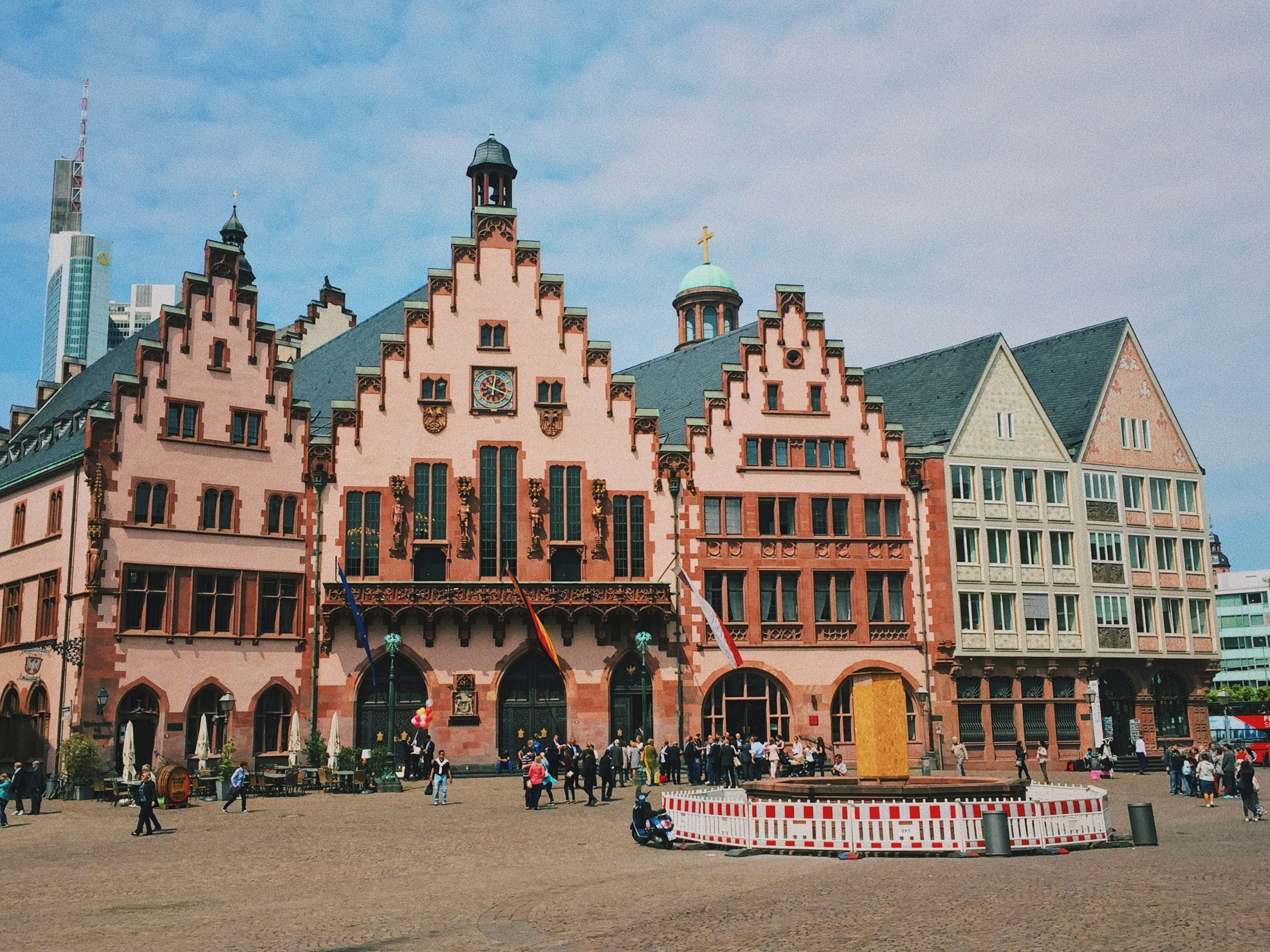
- Römerberg – Historic old town square
- Frankfurt Cathedral – Gothic landmark
- Main Tower – Skyline views
- Städel Museum – Renowned art collection
- Museumsufer – Cluster of world-class museums
- Palmengarten – Botanical garden
Local Gems
- Berger Straße (Bornheim) – Student-friendly cafés and pubs
- Kleinmarkthalle – Local food market
- Eiserner Steg – Pedestrian bridge with skyline views
- Apple wine taverns (Sachsenhausen) – Traditional social hubs
- Nidda Park – Relaxed green space
- Schweizer Straße – Cafés and laid-back nightlife
Pre-departure Essentials
Documents & Visas: EU/EEA students do not need a visa. Non-EU students must apply for a German student visa, usually requiring proof of funds via a blocked account.
Health Insurance: Mandatory. EU students can use EHIC. Non-EU students must arrange German statutory or private health insurance.
Banking: Popular banks include Deutsche Bank, Commerzbank, and Sparkasse. Online banks such as Revolut and N26 are widely used.
SIM Cards: Telekom, Vodafone, O2, and Aldi Talk offer plans from around €10–€20 per month.
Post-arrival Essentials
Registration: All residents must register their address (Anmeldung) at the Bürgeramt within 14 days.
Banking & SIM: Open a German bank account if required and activate a local SIM card.
Health & Safety: Emergency services are accessed via 112. Pharmacies are widespread.
Shopping: Main supermarkets include Rewe, Edeka, Lidl, Aldi, and Penny. Weekly markets are also popular.
Apps: Useful apps include RMV (transport), Too Good To Go (discount food), Lieferando (delivery), and banking apps.