


Florence (Italy)
Destination Overview
Florence (Firenze), the capital of Tuscany, is world-renowned as the birthplace of the Renaissance and a UNESCO World Heritage city. Filled with historic architecture, art, and culture, it also has a strong student presence thanks to the University of Florence, Polimoda, and numerous international study-abroad programmes. Smaller and more compact than Rome or Milan, Florence offers a unique mix of historic charm, lively student life, and easy access to Tuscany’s landscapes.
Quick Facts, Florence

Climate
Florence has hot summers and mild winters. Spring and autumn are the most comfortable seasons for studying and exploring the city.

Cost of Living
Living costs are moderate for Italy. Shared rooms usually cost €400–€600, with weekly groceries around €35–€55.

Lifestyle
Relaxed, artistic, and social. Life revolves around piazzas, cafés, aperitivo, and walking everywhere.

Vibe
Historic and charming, with a strong international student presence. Florence feels intimate, creative, and culturally rich.

Safety
Florence is very safe, with low violent crime. Pickpocketing can occur in busy tourist areas.

Transport
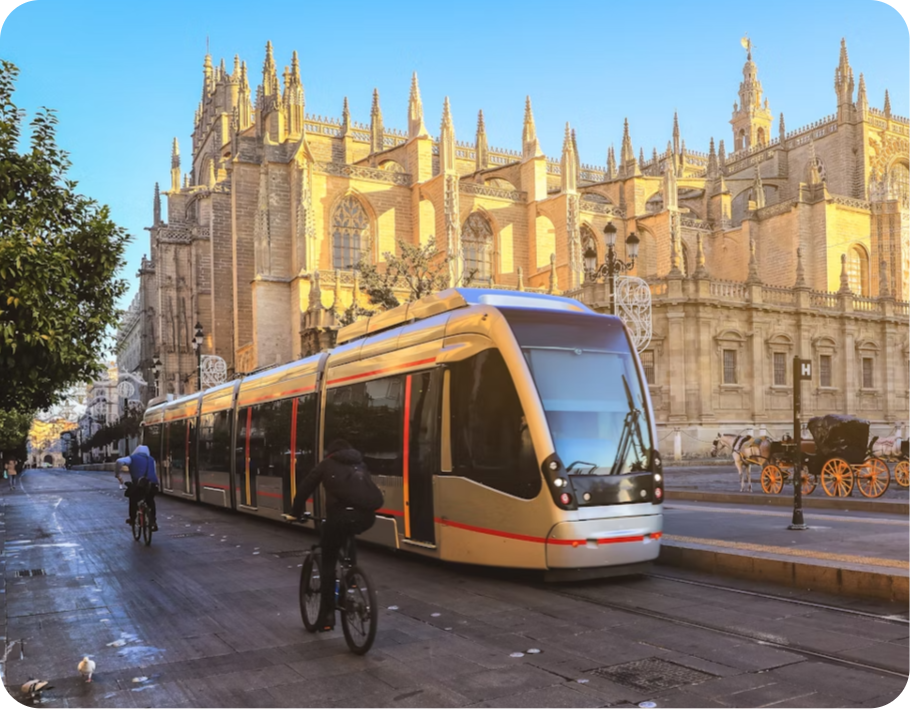
Compact and walkable, supported by buses, trams, and excellent train connections across Italy.
Areas & Neighbourhoods
1. Centro Storico (Historic Centre)
▲UNESCO-listed and home to the Duomo, Ponte Vecchio, and Florence’s main attractions. Bustling and atmospheric but tourist-heavy and very expensive, making it impractical for most long-term student housing.
2. Santa Croce
▼3. San Lorenzo
▼4. Oltrarno
▼5. San Marco & Sant’Ambrogio
▼6. Campo di Marte
▼7. Novoli
▼Transport
Within Florence

Buses / Trams

Cycling / Scooters

Walking
Domestic & International

Bus

Airport

Train
Culture & Lifestyle
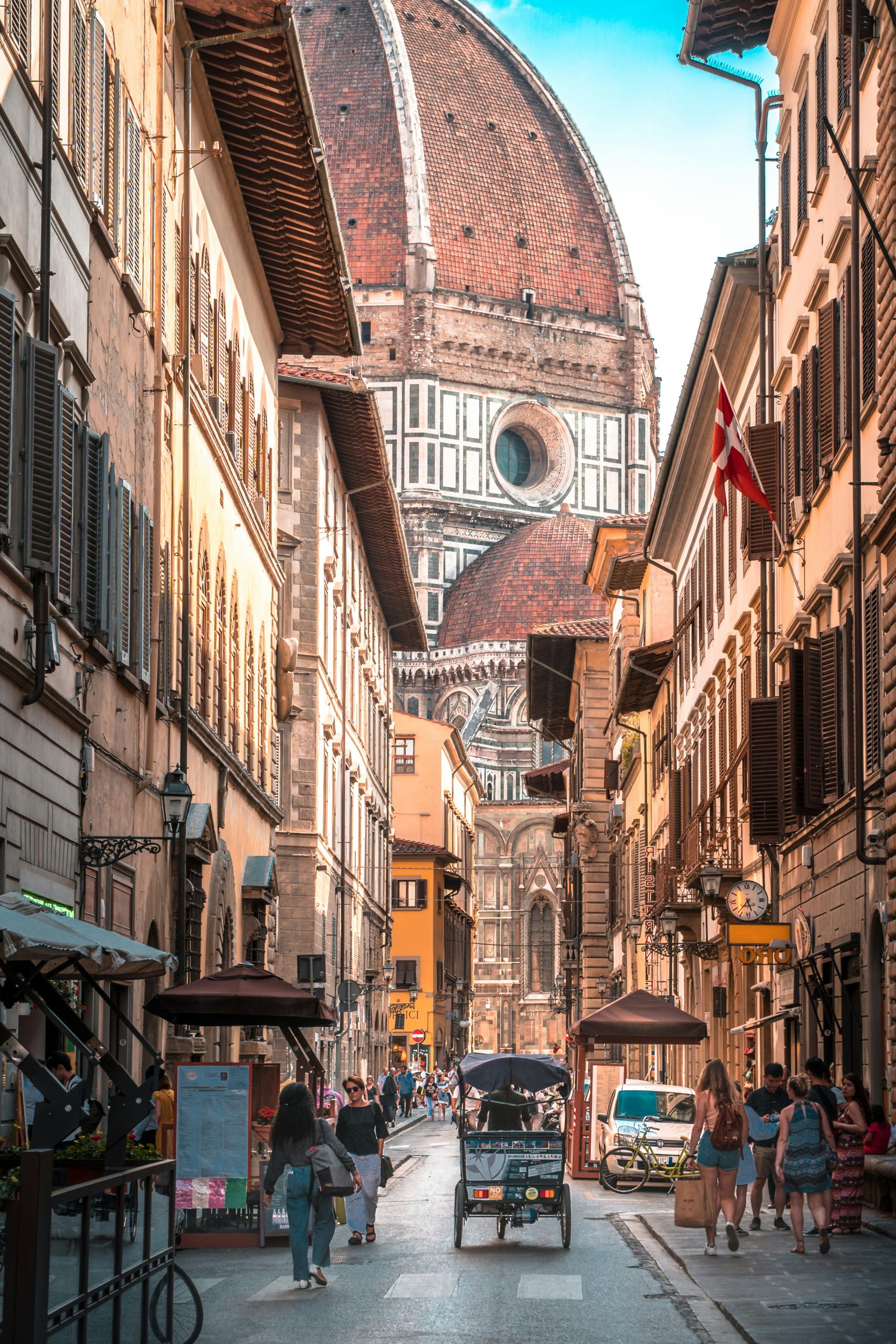
Cost of Living: Shared accommodation costs €400–€600 per month, with studios €800–€1,000. Meals €10–€15, coffee around €1.50, aperitivo €8–€12. Groceries average €35–€55 per week.
Climate: Hot summers (30–35°C) and mild winters (5–10°C), with occasional rain in spring and autumn.
Culture: A global cultural capital, home to Renaissance masterpieces, world-class museums, and historic churches. The city also hosts film, art, and music festivals year-round.
Social & Nightlife: Student nightlife centres around Santa Croce and San Lorenzo, with bars, cafés, and small clubs. Aperitivo culture is central to social life.
Lifestyle: Relaxed and creative, with outdoor dining, piazza gatherings, and riverside walks shaping everyday life.
Inclusivity & Safety
LGBTQ+ Community
Florence is LGBTQ+ friendly, with bars, community groups, and Pride celebrations. Most activity centres around nightlife and cultural events.





Top Attractions & Local Experiences
Must-Sees
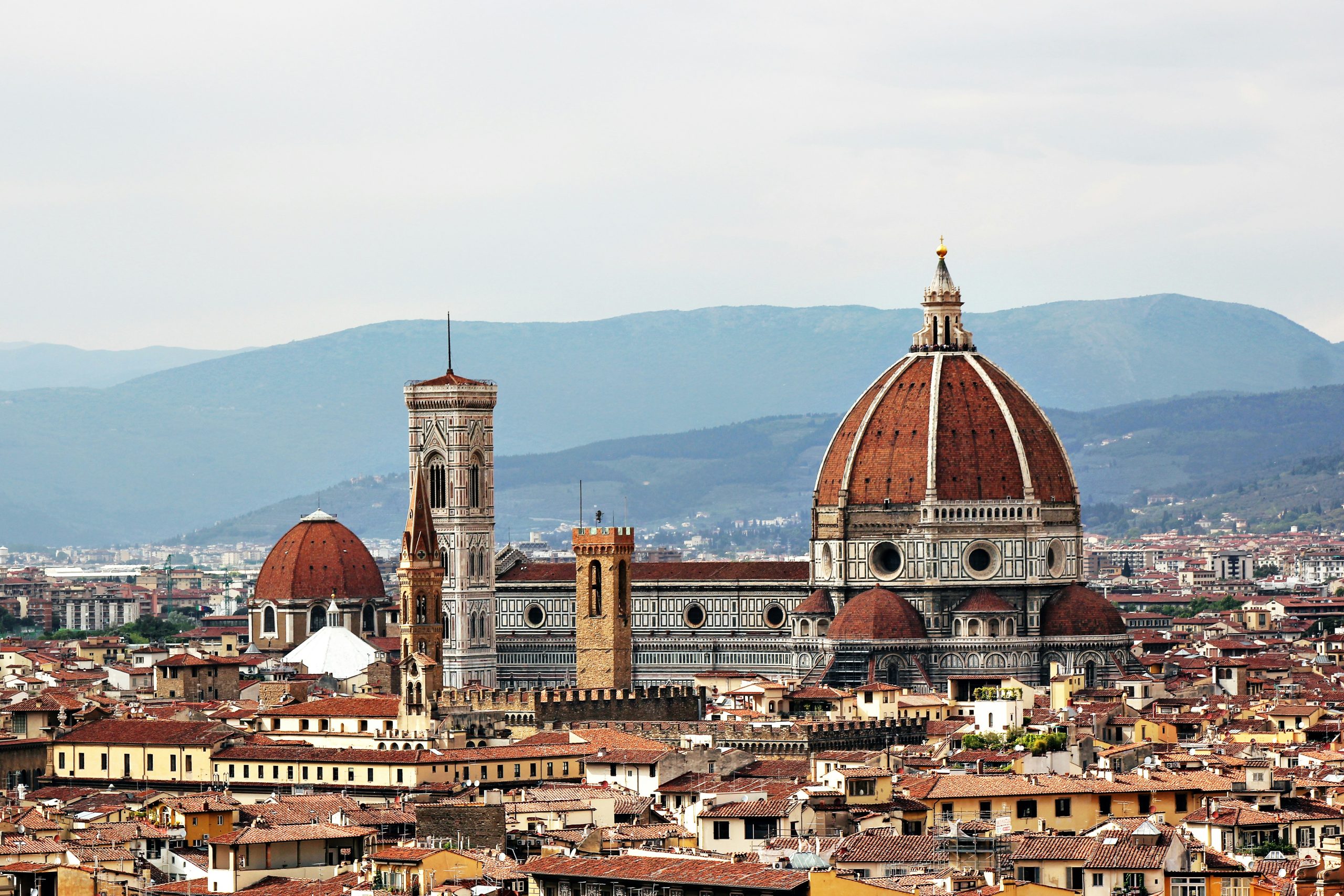
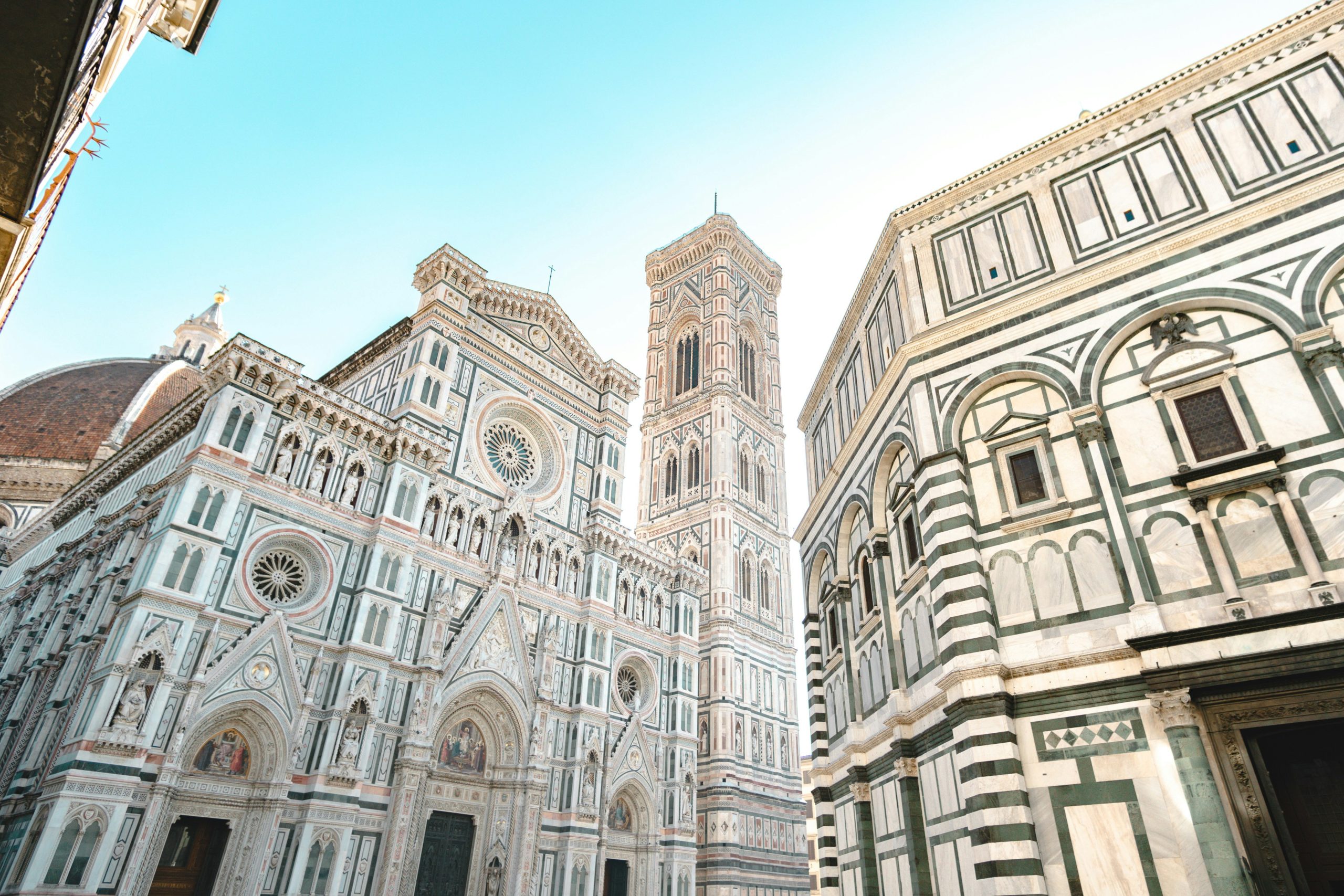
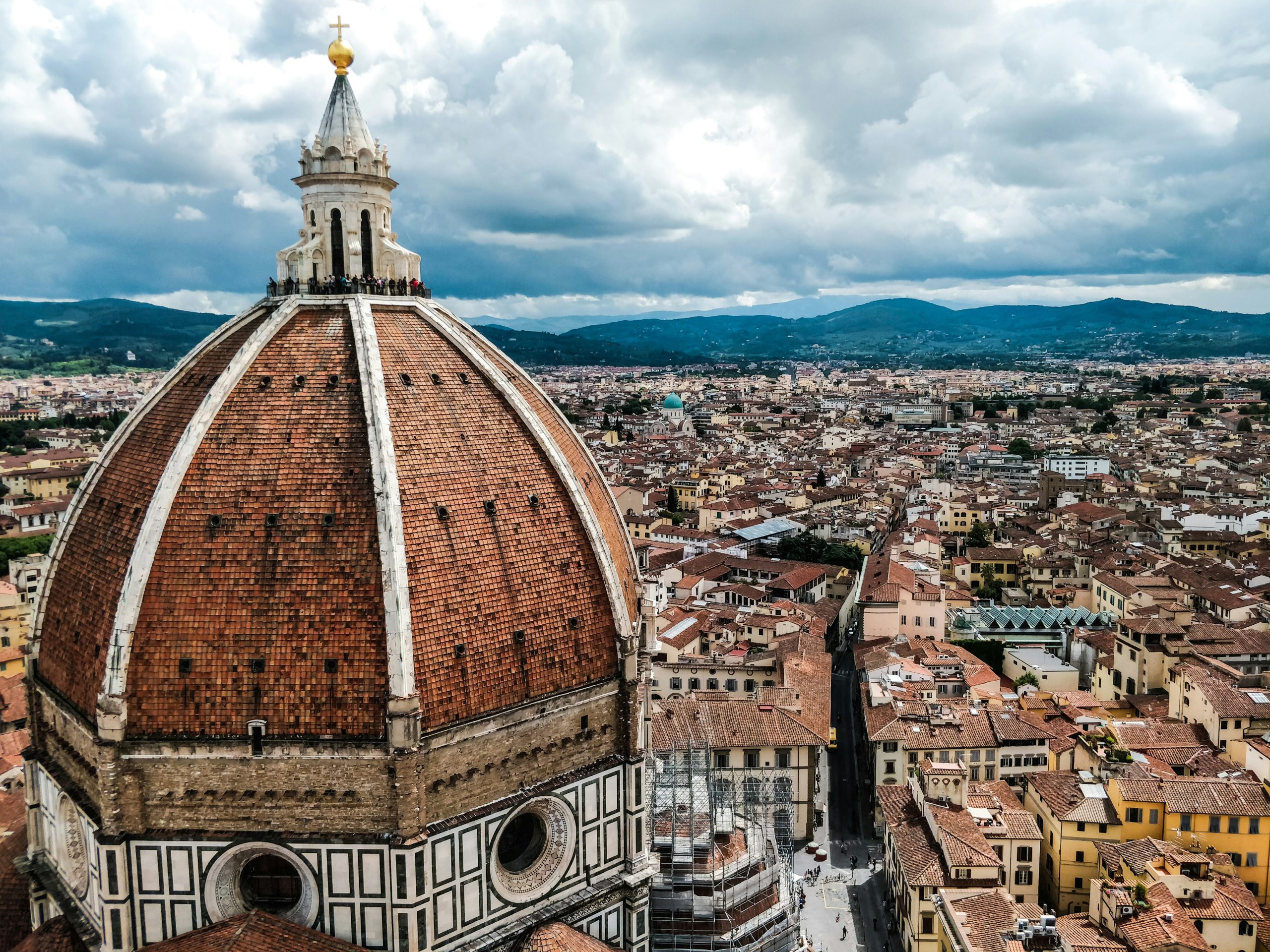
- Duomo (Santa Maria del Fiore) – Iconic Renaissance cathedral
- Uffizi Gallery – One of the world’s most important art museums
- Ponte Vecchio – Florence’s famous medieval bridge
- Palazzo Vecchio – Historic town hall and city symbol
- Accademia Gallery – Home to Michelangelo’s David
Local Gems
- Piazzale Michelangelo – Panoramic views over the city
- Mercato Centrale – Affordable food and student-friendly eats
- Santo Spirito – Local nightlife, cafés, and square life
- Oltrarno workshops – Artisan traditions and creative culture
- Fiesole – Hilltop town with views and hiking just outside Florence
Pre-departure Essentials
Documents & Visas: EU/EEA students do not need a visa. Non-EU students require an Italian student visa and must apply for a residence permit after arrival.
Health Insurance: EU students can use a valid EHIC. Non-EU students must arrange Italian public health insurance (SSN) or private cover.
Banking: Major banks include UniCredit, Intesa Sanpaolo, and Monte dei Paschi. Online banks such as Revolut and N26 are widely used.
SIM Cards: TIM, Vodafone, WindTre, and Iliad offer plans from around €10–€20 per month.
Post-arrival Essentials
Registration: Non-EU students must apply for a residence permit within eight days of arrival. EU students should register at the local Anagrafe if staying long term.
Banking & SIM: Open an Italian bank account if required and purchase a local SIM card.
Health & Safety: Register with the SSN if eligible. Emergency services are accessed via 112. Pharmacies are easy to spot by green crosses.
Shopping: Main supermarkets include Conad, Coop, Carrefour, and Esselunga. Sant’Ambrogio Market is popular for fresh produce.
Apps: Useful apps include ATAF or Moovit (transport), Trenitalia and Italo (trains), Glovo or Deliveroo (food delivery), Subito (second-hand items), and Satispay (payments).