


Faro (Portugal)
Destination Overview
Faro, the capital of Portugal’s Algarve region, is a relaxed coastal city known for its historic old town, lagoon landscapes, and easy access to beaches. It is home to the University of Algarve, which attracts a large Erasmus and international student population each year. With an affordable cost of living, warm climate, and strong outdoor lifestyle, Faro is ideal for students and young professionals looking for a balance between study, social life, and nature.
Quick Facts, Faro

Climate
Mediterranean, with very hot summers (30–35°C) and mild winters (10–17°C). One of the sunniest cities in Europe, with over 300 sunny days per year.

Cost of Living
Low compared to most Western European cities. Shared accommodation typically costs €250–€400 per month, making Faro particularly attractive for students.

Lifestyle
Relaxed and outdoors-focused, with beach trips, cycling, and café culture forming part of everyday life.

Vibe
Small, friendly, and international. Faro feels calm during the day and lively at night during term time, especially around student areas.

Safety
Very safe overall, with low crime rates. Petty theft can occur in tourist areas, but violent crime is rare.

Transport
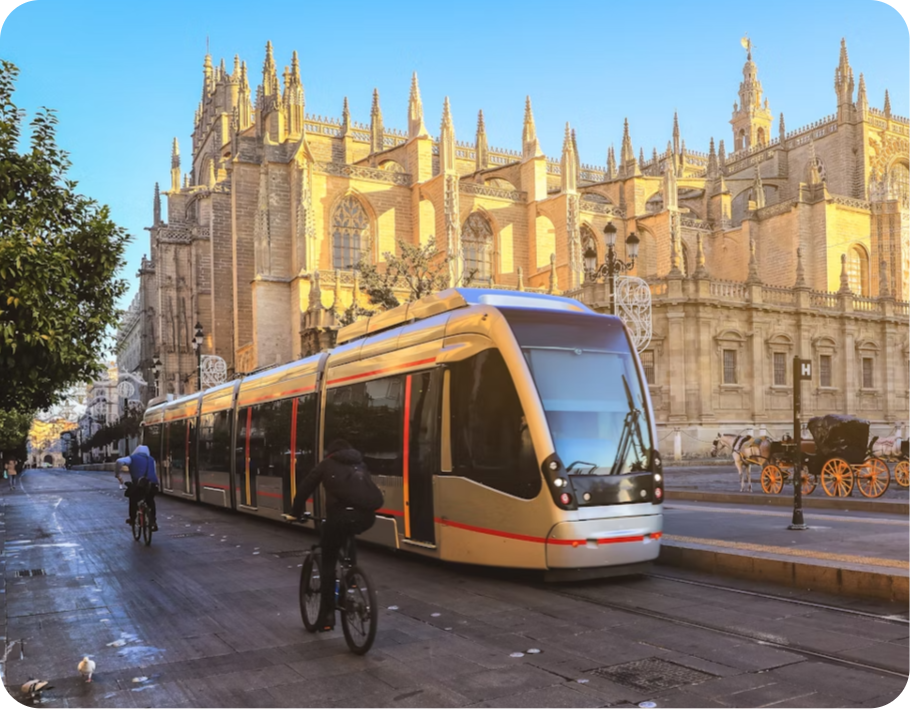
Compact and easy to navigate on foot or by bus. Most student areas are close to university campuses or the city centre.
Areas & Neighbourhoods
1. Baixa (Downtown Faro)
▲The commercial and social heart of the city, home to shops, cafés, bars, and restaurants. It’s very central and well connected, with both the train and bus stations nearby. Popular with students who want nightlife and convenience, though housing stock is often older and can be noisier.
2. Penha
▼3. Gambelas
▼4. Montenegro
▼5. Cidade Velha (Old Town)
▼Transport
Within Faro

Buses

Taxis

Walking / Cycling
Domestic & International

Bus

Airport

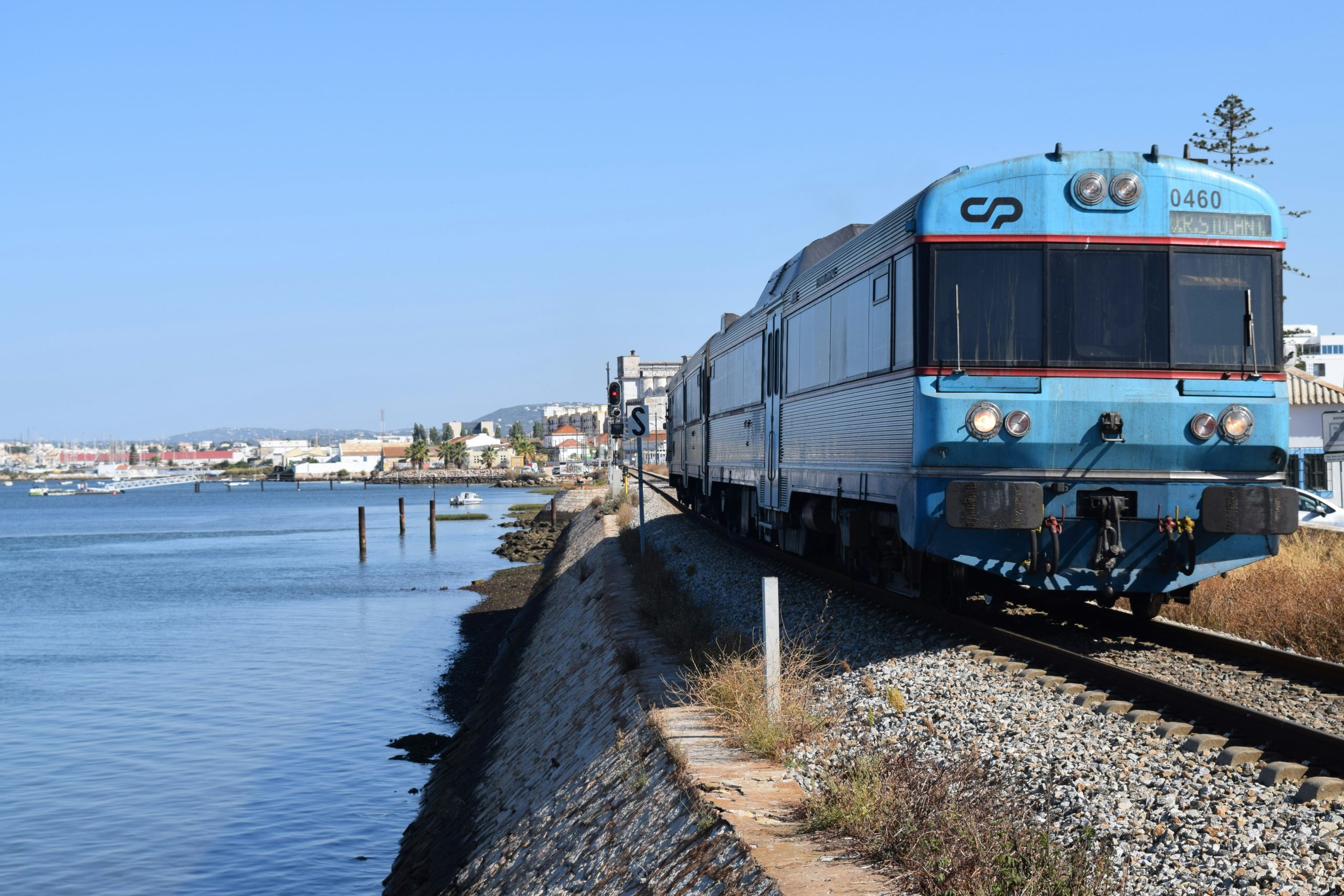
Train
Culture & Lifestyle
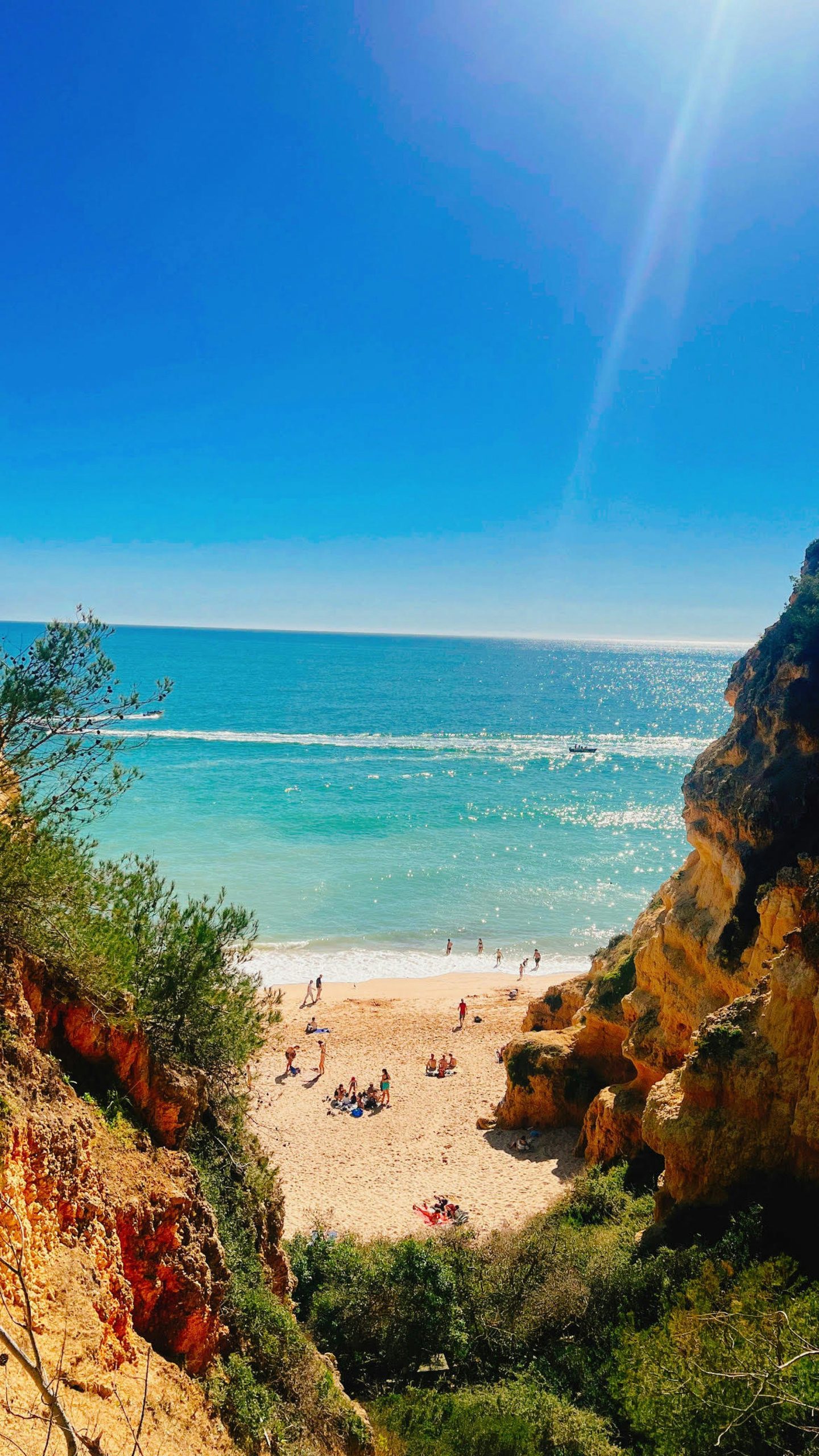
Cost of Living: Affordable by Portuguese standards. Shared flats €250–€400/month, studios €500–€650. Meals €8–12, coffee €1, beer €2–3. Groceries €20–40/week.
Climate: Hot, dry summers and mild winters make outdoor living a big part of daily life.
Culture: Strong Algarve identity, seafood-based cuisine, historic architecture, and natural landscapes such as the Ria Formosa lagoon.
Social & Nightlife: Nightlife is centred in Baixa, with student bars, pubs, and seasonal beach clubs. Student social life is strongest around the Penha campus.
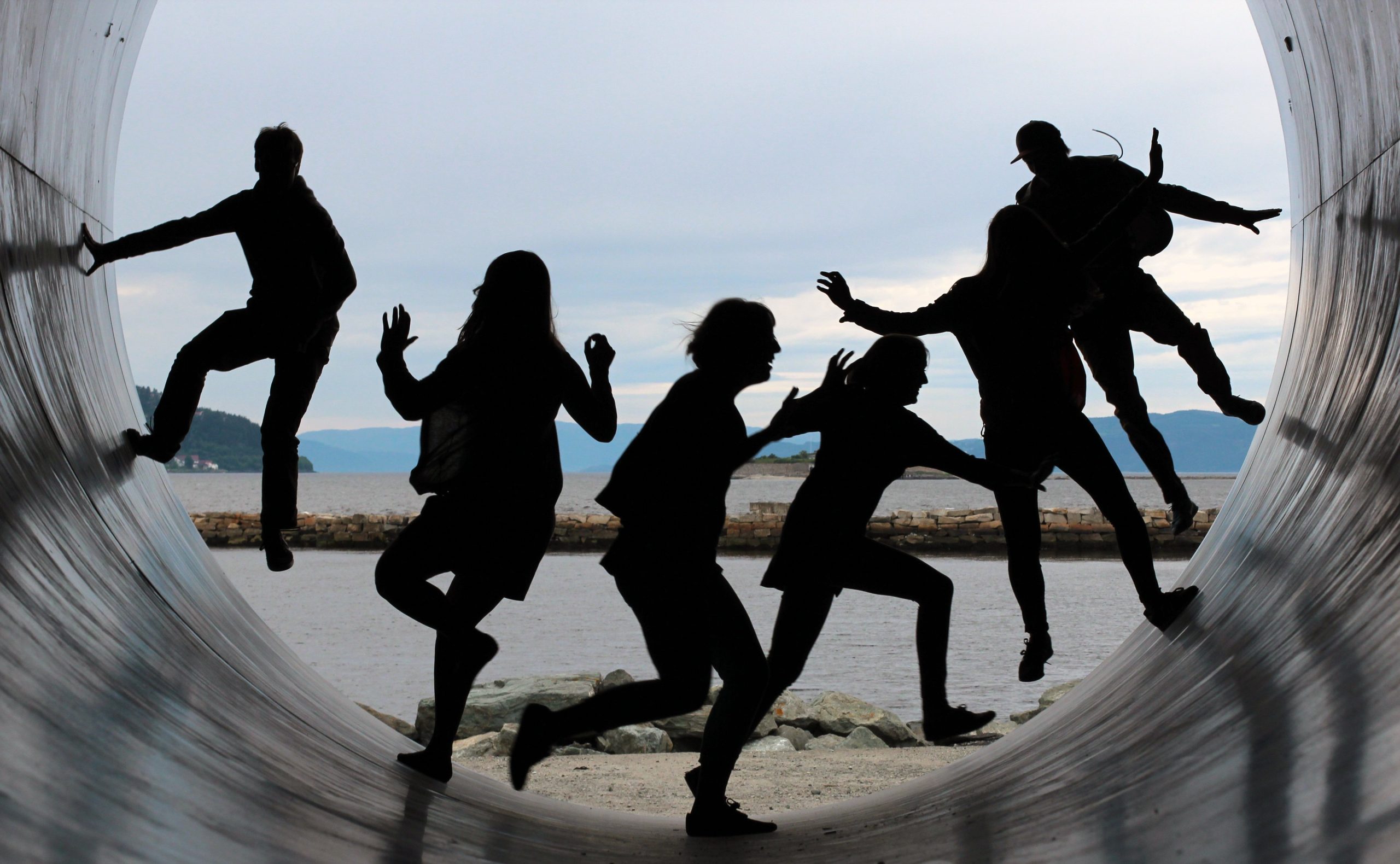
Lifestyle: Slow-paced, sunny, and outdoors-oriented. Beach days, cycling, and café culture are central to student life.
Inclusivity & Safety
LGBTQ+ Community
Welcoming and open, with a small but visible scene. Algarve Pride and inclusive events take place annually.




Top Attractions & Local Experiences
Must-Sees
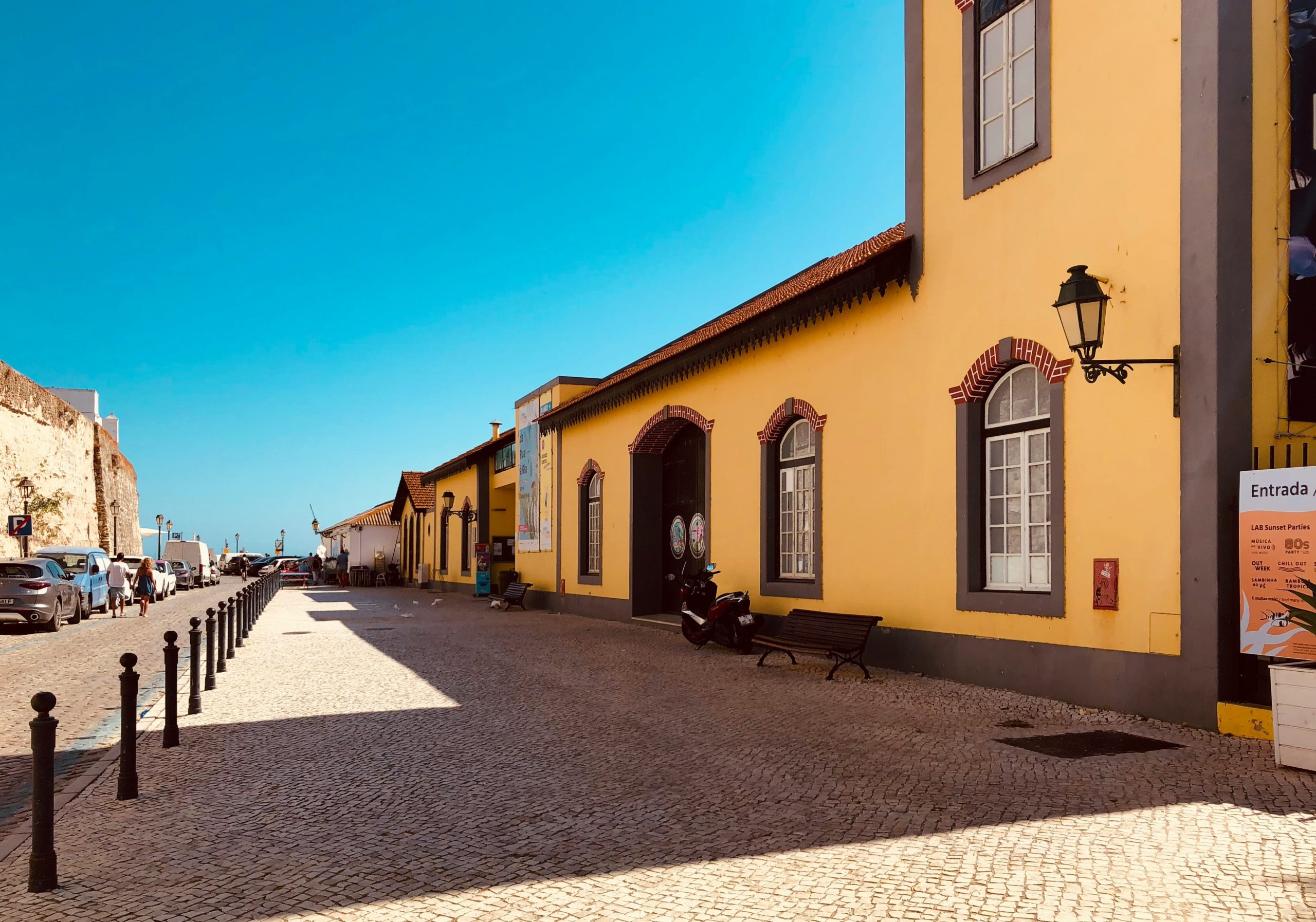
- Cidade Velha & Arco da Vila – Historic old town entrance and city walls.
- Faro Cathedral (Sé) – Landmark cathedral with views over the city and lagoon.
- Carmo Church & Chapel of Bones – Famous baroque church with a unique ossuary.
- Ria Formosa Natural Park – Protected lagoon ideal for cycling, walking, and boat trips.
- Faro Marina – Lively waterfront area with cafés and sunset views.
- Praia de Faro – Long sandy beach easily reached by bus.
- Algarve Regional Museum – Local history and archaeology.
Local Gems
- Day trips to Lagos, Tavira, and Albufeira – Easy and affordable by train or bus.
- Seafood markets and local tascas – Cheap and authentic Algarve food.
- Boat trips in Ria Formosa – Island hopping and wildlife spotting.
- Student life around Penha campus – Affordable bars and social spaces.
- Sunset at Faro Beach – A classic student ritual.

Pre-departure Essentials
Documents & Visas: EU/EEA students don’t need a visa to study in Portugal. Non-EU students must apply for a Portuguese long-stay (Type D) student visa before arrival, usually requiring proof of university enrolment, accommodation, health insurance, and sufficient funds.
Health Insurance: EU students can use their EHIC for basic healthcare during their stay. Non-EU students need private health insurance or Portuguese national health coverage if eligible. Proof of insurance is often required for visa and residence permit applications.
Banking: Common Portuguese banks include Millennium BCP, Novo Banco, Santander Totta, and Caixa Geral. Many students initially use online banks such as Revolut or N26 for convenience, then open a local account if required for rent, utilities, or university administration.
SIM Cards: Vodafone, MEO, and NOS offer reliable coverage across Portugal. Prepaid and monthly plans typically range from €10–20 and can be bought easily at airports, shopping centres, or phone shops with a passport.
Post-arrival Essentials
Registration: Non-EU students must apply for a residence permit after arrival. EU students staying longer than three months should register at the local town hall (Câmara Municipal) to obtain a residency certificate.
Banking & SIM: If needed, open a Portuguese bank account using your passport, address, and proof of enrolment. Activate a local SIM card if not already arranged, as many services and apps rely on a Portuguese phone number.
Health & Safety: The emergency number in Portugal is 112. Pharmacies (farmácias) are widespread and clearly marked with green crosses. Local health centres (centros de saúde) are the first point of contact for non-emergency care.
Shopping: Forum Algarve is the main shopping centre, offering clothes, electronics, and food courts. Supermarkets such as Continente, Pingo Doce, Lidl, and Aldi are affordable and student-friendly, while local markets are great for fresh produce and seafood.
Apps: EVA (local buses), Bolt and Uber (transport), Glovo and Uber Eats (food delivery), Too Good To Go (discounted surplus food), and OLX (housing and second-hand items) are widely used by students and make daily life in Faro much easier.