


Dublin (Ireland)
Destination Overview
Dublin is Ireland’s capital and a lively, youthful city known for its friendly atmosphere, strong student culture, and rich literary heritage. Home to several major universities, it attracts a large international student population and has an energetic social scene. Compact and fairly walkable, with historic streets alongside modern developments,
Dublin offers a welcoming, community-focused lifestyle despite its higher cost of living.
Quick Facts, Dublin

Climate
Mild and wet year-round. Winters are damp but usually above 0°C, while summers are cool (around 18–22°C). Rain and wind are common, so waterproof layers are essential.

Cost of Living
High compared to most European student cities. Rooms in shared houses or flats often cost €700–€900 per month, with weekly groceries typically €60–€80 depending on lifestyle and location.

Lifestyle
Social and city-based, with a strong pub, café, and live music culture. Many students combine study with part-time work, and weekends often include coastal day trips or park time.

Vibe
Friendly, energetic, and international. Dublin feels youthful thanks to its universities, with a busy centre, strong student communities, and a lively cultural calendar.

Safety
Generally safe, with low violent crime. The main issues are petty theft and late-night disturbances around nightlife areas, especially on weekends.

Transport
Easy to get around without a car. Buses and the Luas tram network cover most key areas, while DART trains are ideal for coastal trips. Walking is practical in central Dublin.
Areas & Neighbourhoods
1. City Centre (Temple Bar, Trinity, Grafton Street)
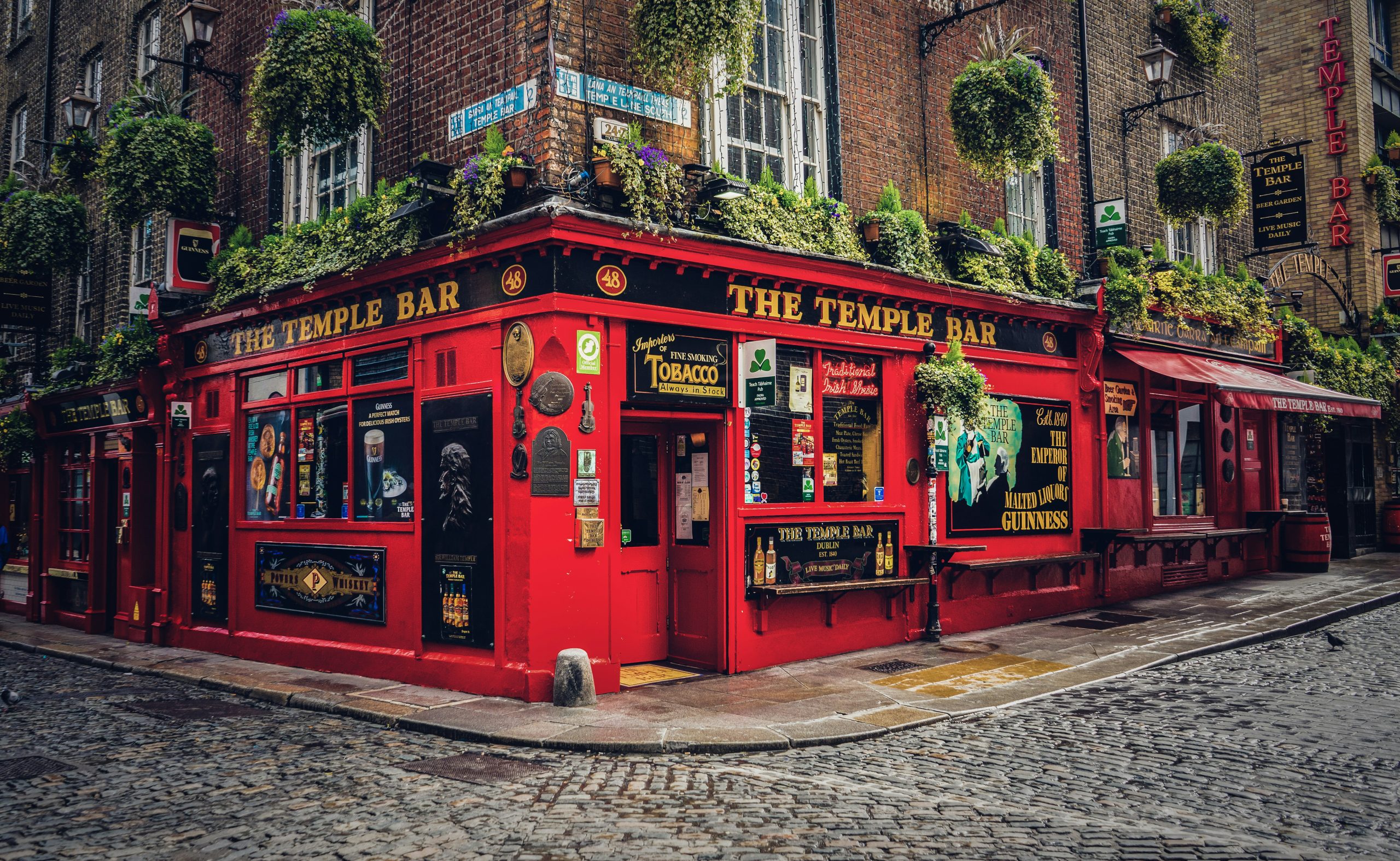
▲Central, historic, and lively, with pubs, shops, and nightlife. Temple Bar is iconic but tourist-heavy and expensive, while the Trinity/Grafton Street area has a strong student presence, cultural institutions, and shopping. Popular for short stays and social life rather than long-term affordability.
2. Rathmines
▼3. Ranelagh
▼4. Phibsborough
▼5. Drumcondra
▼6. Ballsbridge
▼7. Stoneybatter
▼8. Portobello
▼9. Smithfield
▼Transport
Within Dublin

DART & Commuter Rail

Buses

Luas (Tram)

Bikes & Scooters
Domestic & International

Ferries

Airport

Train
Culture & Lifestyle
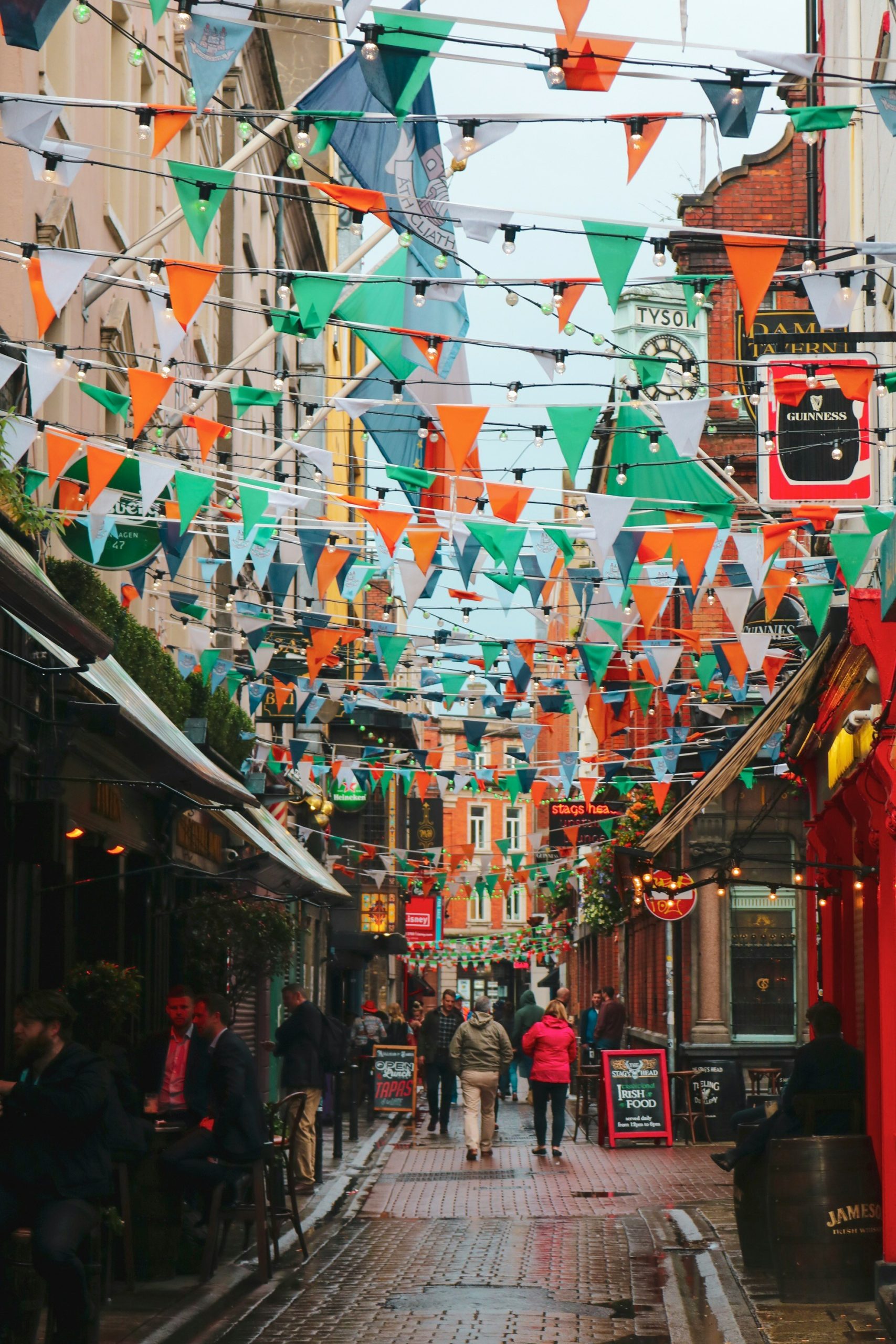
Cost of Living: Dublin is one of Europe’s more expensive capitals. Shared flats typically cost €700–€900/month, studios €1,200+. Meals average €12–18, coffee €3–4, and a pint €5–7. Weekly groceries are around €60–80.
Climate: Mild but wet year-round. Winters are damp but rarely below 0°C, while summers are cool and mild (18–22°C). Rain is frequent, so waterproof clothing is essential.
Culture: Renowned for its literary heritage (Joyce, Beckett, Yeats), live music, and pub culture. Georgian architecture sits alongside modern tech offices. Museums, theatres, and festivals — especially St Patrick’s Day — shape the city’s cultural life.
Social & Nightlife: Temple Bar is the tourist hotspot, but students and young professionals favour Rathmines, Phibsborough, Camden Street, and Harcourt Street for more affordable nightlife. Strong live music, comedy, and pub scenes dominate social life.
Lifestyle: Friendly, social, and community-driven, with strong career opportunities from Dublin’s tech and business sectors. Green spaces like Phoenix Park and coastal escapes such as Howth and Dún Laoghaire are popular day trips.
Inclusivity & Safety
LGBTQ+ Community
Dublin is one of Europe’s most LGBTQ+ friendly capitals. Dublin Pride is one of Ireland’s largest events, and areas around George’s Street and Pantibar are central to LGBTQ+ nightlife and culture.



Top Attractions & Local Experiences
Must-Sees
- Trinity College & Book of Kells – Historic university campus and iconic manuscript
- Dublin Castle – Former seat of power with gardens and exhibitions
- Temple Bar – Cultural quarter known for pubs and nightlife
- Guinness Storehouse – Brewery experience with city views from the Gravity Bar
- St Patrick’s Cathedral – Ireland’s largest cathedral
- Christ Church Cathedral – Medieval cathedral with crypts
- Phoenix Park – One of Europe’s largest enclosed city parks
- Kilmainham Gaol – Historic prison central to Irish independence
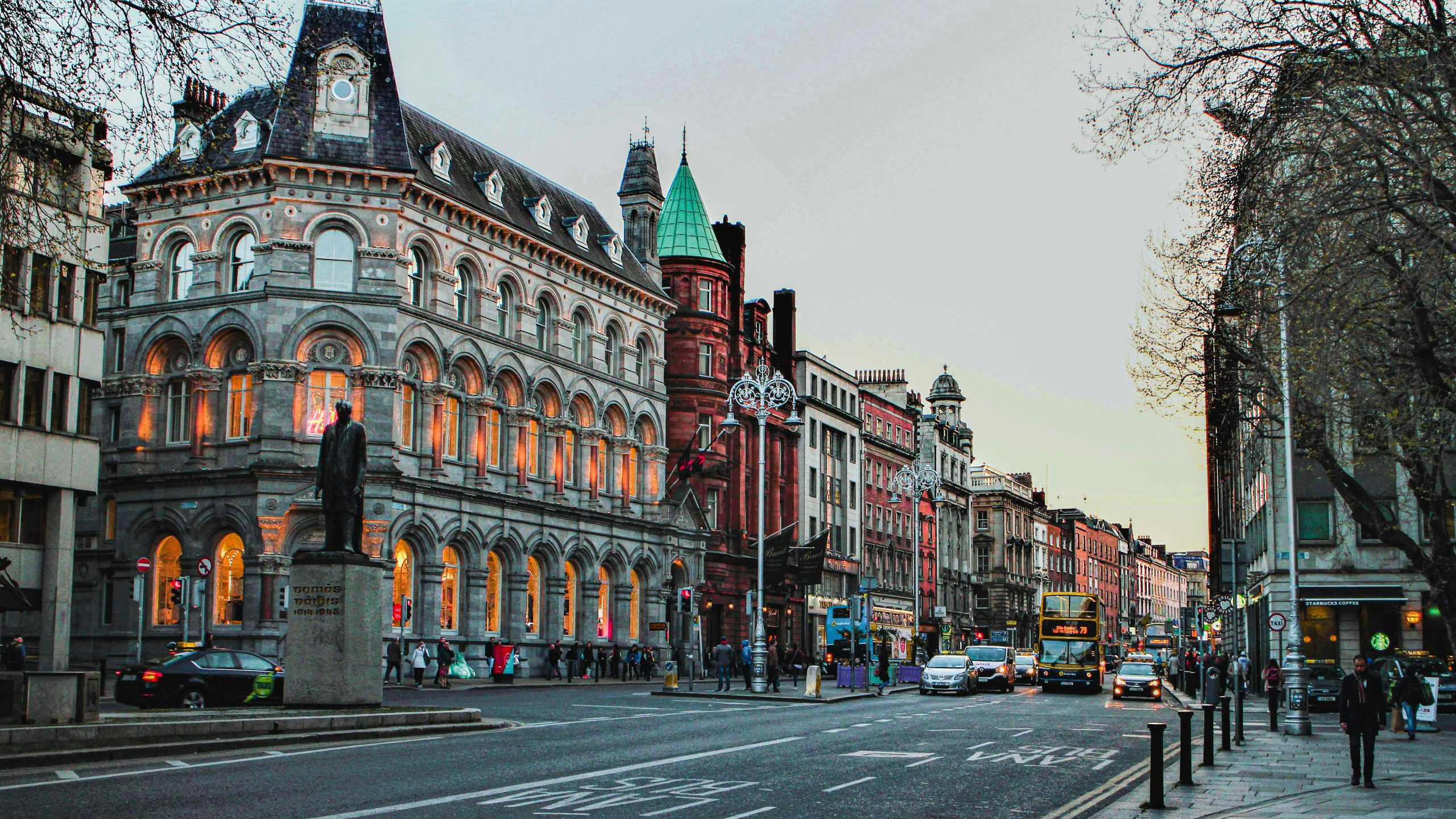
- Grafton Street – Main shopping street with street performers
Local Gems
- Stoneybatter – Community pubs, cafés, and creative atmosphere
- Howth Coastal Walk – Scenic cliffs, seafood, and sea views
- National Botanic Gardens – Peaceful green escape
- Irish Museum of Modern Art (IMMA) – Contemporary art in historic grounds
- Camden Street – Student nightlife and live music
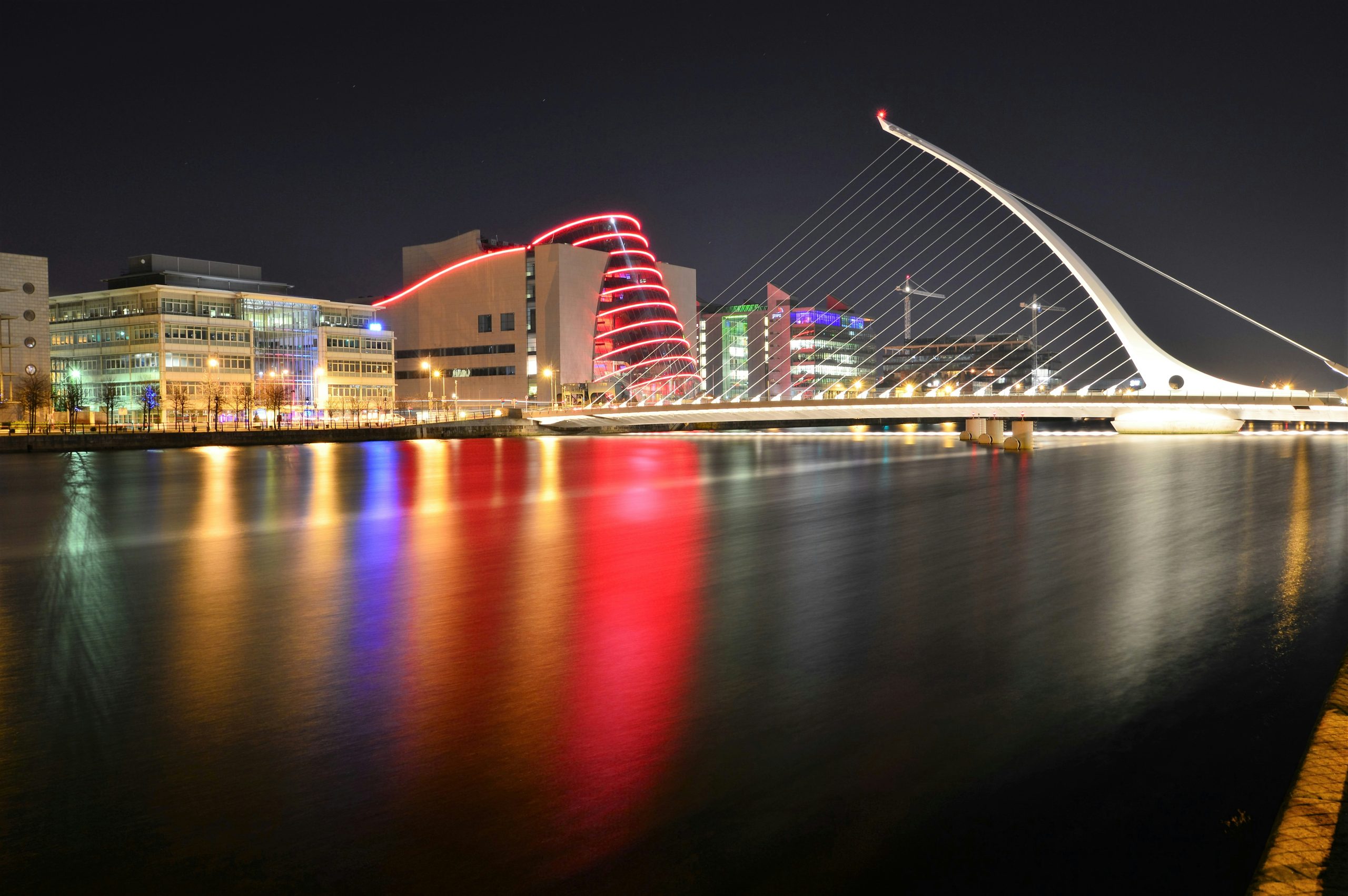
- Great South Wall & Poolbeg Lighthouse – Unique seaside walk
- Dún Laoghaire – Coastal town with pier walks and sea swimming
Pre-departure Essentials
Documents & Visas: EU/EEA students don’t need a visa to study in Ireland. Non-EU students usually require an Irish student visa (Type D), which must be arranged before arrival using university admission documents and proof of finances.
Health Insurance: EU students can use a valid EHIC. Non-EU students must arrange private health insurance covering their full stay, which is required for both visa approval and registration after arrival.
Banking: Major Irish banks include AIB, Bank of Ireland, and Permanent TSB. Online banks such as Revolut and N26 are widely used by students, though a local bank account may be needed for rent or part-time work.
SIM Cards: Vodafone, Three, and Eir offer student-friendly plans, with monthly packages typically costing €15–25 depending on data and call allowances.
Post-arrival Essentials
Registration: Non-EU students must register with Irish Immigration (GNIB) within 90 days of arrival to obtain a residence permit. Appointments should be booked early, as waiting times can be long.
Banking & SIM: If not set up before arrival, students should open an Irish bank account and activate a local SIM card once settled.
Health & Safety: The emergency number in Ireland is 112. Public and private healthcare services are available, and pharmacies are widespread across the city.
Shopping: Major supermarkets include Tesco, Dunnes Stores, Lidl, Aldi, and SuperValu. Convenience shops are common for everyday essentials.
Apps: Useful apps include Leap Card (public transport), TFI Live (real-time transport updates), Deliveroo and JustEat (food delivery), Revolut (payments), and DublinBikes (bike sharing).