


Dubai (Dubai)
Destination Overview
Dubai is a global crossroads of innovation, luxury, and cultural diversity — a city where futuristic architecture meets Arabian heritage. As the Middle East’s educational and business hub, it attracts students from around the world, particularly to its international campuses in Dubai International Academic City and Dubai Knowledge Park. With year-round sunshine, world-class infrastructure, and a vibrant social scene, Dubai offers a unique mix of modern cosmopolitan living and traditional Emirati hospitality. English is widely spoken, and the city’s safety, diversity, and career opportunities make it one of the most attractive study destinations in the region.
Quick Facts, Dubai

Climate
Hot desert climate with very hot summers (35–45°C) and warm winters (18–25°C). Outdoor life is best from October to April.

Cost of Living
Mid-to-high. Shared flats average AED 2,500–4,000/month, with groceries around AED 300–500 per week.

Lifestyle
Modern, ambitious, and convenience-driven, with beaches, malls, gyms, and cafés shaping daily life.

Vibe
Cosmopolitan and international, blending Emirati heritage with global culture and fast-paced development.

Safety
Extremely safe, with very low crime and strong public order.

Transport
Clean, air-conditioned metro and tram systems, extensive buses, and affordable taxis.
Areas & Neighbourhoods
1. Dubai Marina
▲Modern waterfront district packed with high-rise apartments, gyms, cafés, and beach access. Very popular with students and young professionals, especially those studying near Knowledge Park. Excellent metro and tram connections, but rents are higher.
2/3. Jumeirah & Jumeirah Beach Residence (JBR)
▼4. Al Barsha
▼5. Downtown Dubai
▼6. Business Bay
▼7. Academic City
▼8/9. Deira & Bur Dubai
▼10. Jumeirah Village Circle (JVC)
▼Transport
Within Dubai

Metro

Buses

Trams

Taxis & Ride-hailing
Domestic & International

Intercity Bus

Airport

Metro & Regional Travel:
Culture & Lifestyle
Cost of Living: Shared flats typically cost AED 2,500–4,000/month, studios AED 5,000–7,000. Meals average AED 30–60, coffee around AED 20, beer AED 45 (served only in licensed venues). Weekly groceries usually total AED 300–500.
Climate: Extremely hot summers and warm winters. Most daily life takes place indoors during peak summer months.
Culture: A fusion of Emirati traditions and global influences. Alcohol is limited to licensed venues, but the city has a lively international food and arts scene.
Social & Nightlife: Dubai Marina, JBR, Downtown, and Business Bay host rooftop lounges, beach clubs, and student events.
Lifestyle: Fast-paced and aspirational. Students spend weekends at beaches, malls, or on desert excursions, with strong gym and café culture.
Inclusivity & Safety
LGBTQ+ Community
Public LGBTQ+ expression is restricted under UAE law, and students are advised to be discreet. While Dubai is cosmopolitan and generally tolerant in private settings, it operates within conservative legal boundaries.



Top Attractions & Local Experiences
Must-Sees
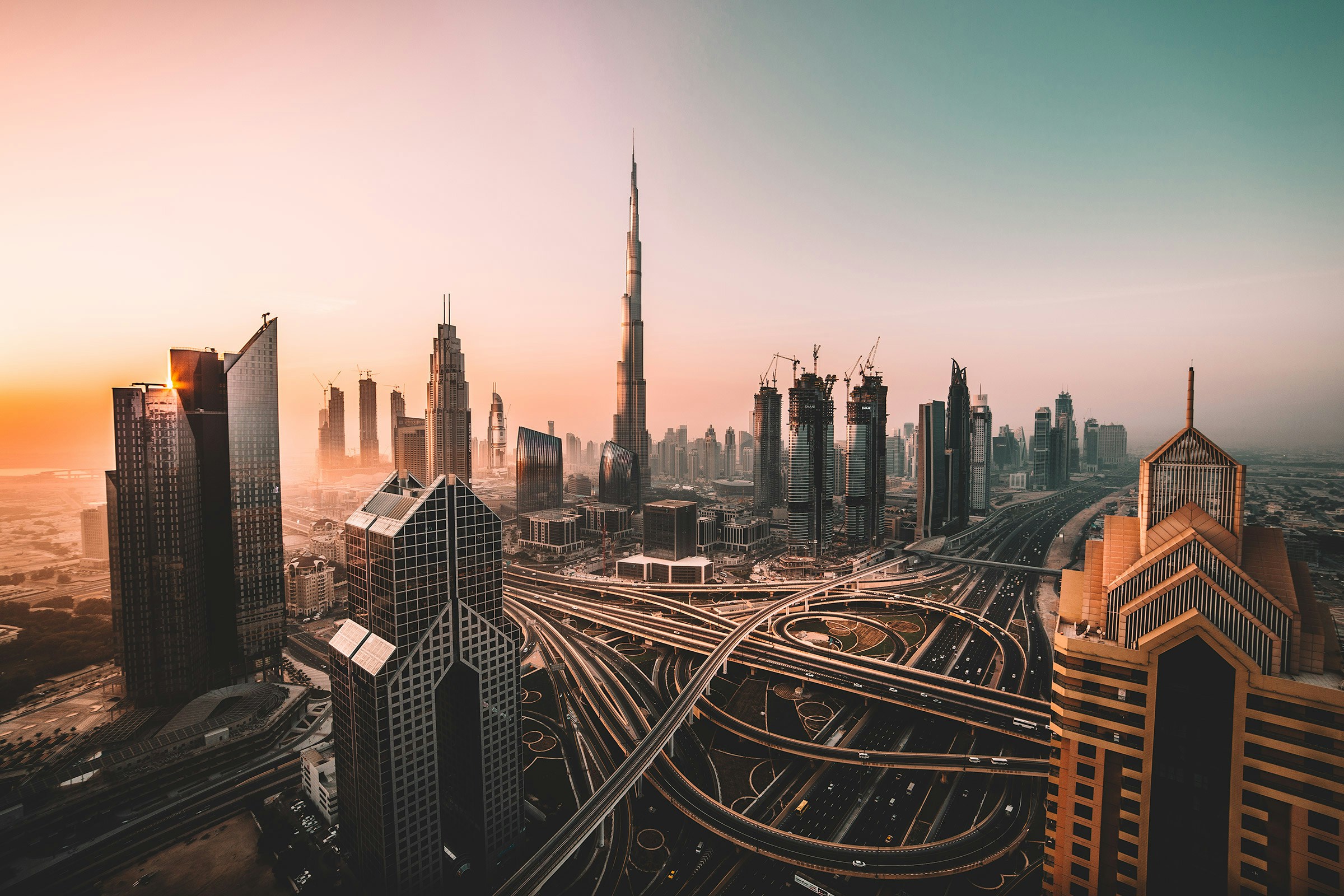
- Burj Khalifa – World’s tallest tower with panoramic viewing decks.
- The Dubai Mall – Giant shopping complex with aquarium and ice rink.
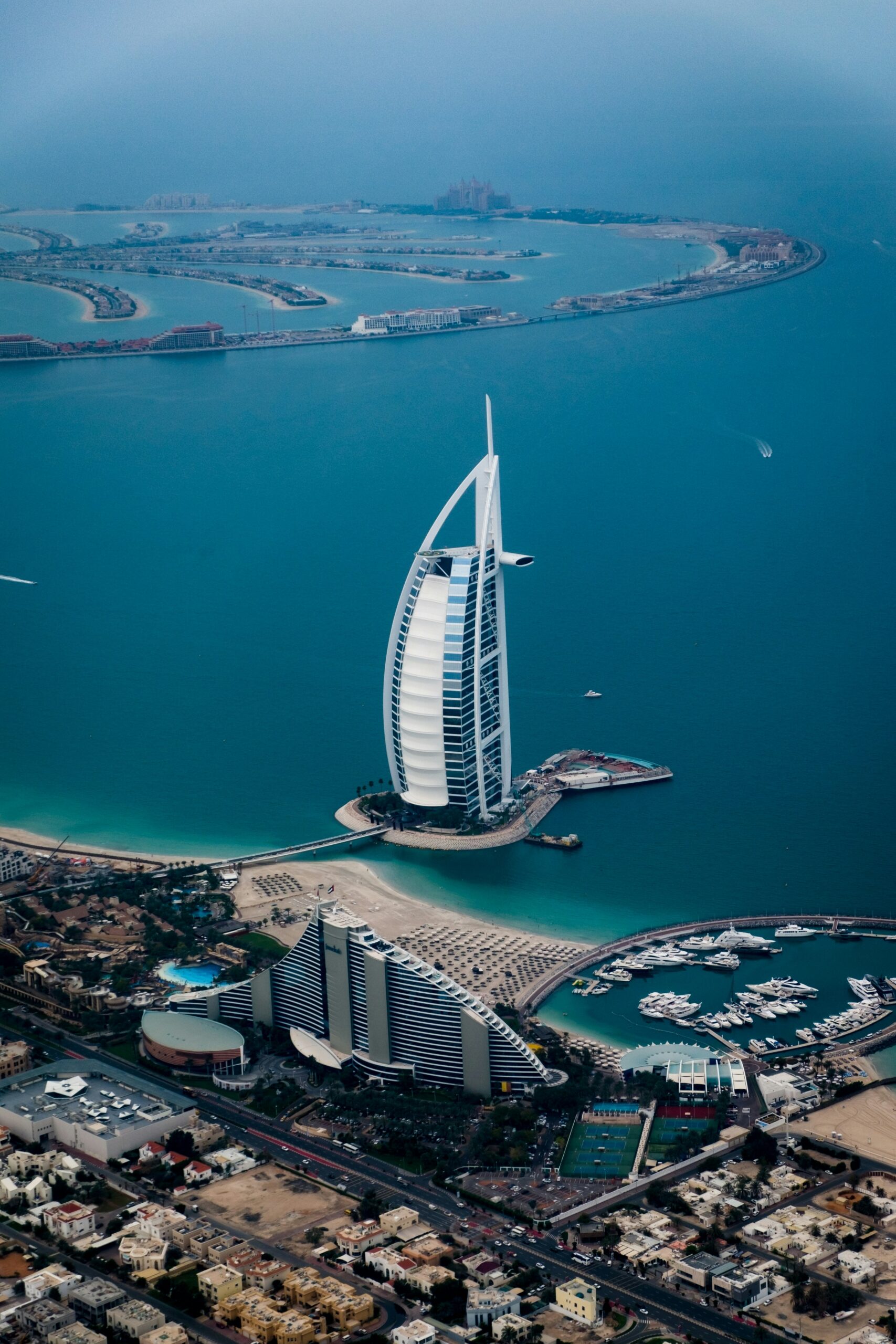
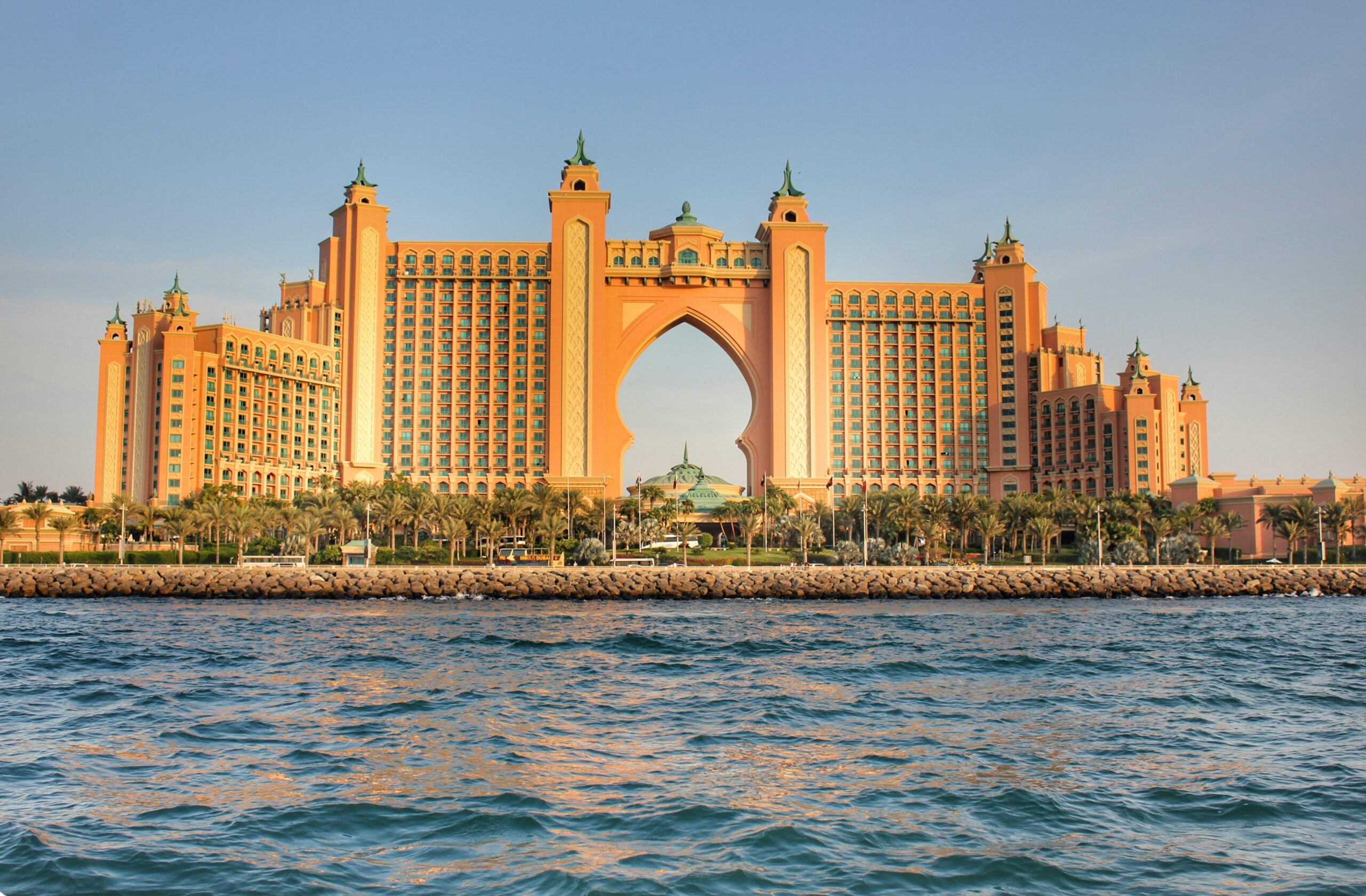
- Palm Jumeirah – Iconic man-made island with beaches and resorts.
- Dubai Marina Walk – Waterfront promenade with cafés and nightlife.
- Dubai Creek – Historic heart of the city with traditional abra boats.
- Jumeirah Mosque – Architectural highlight open to visitors.
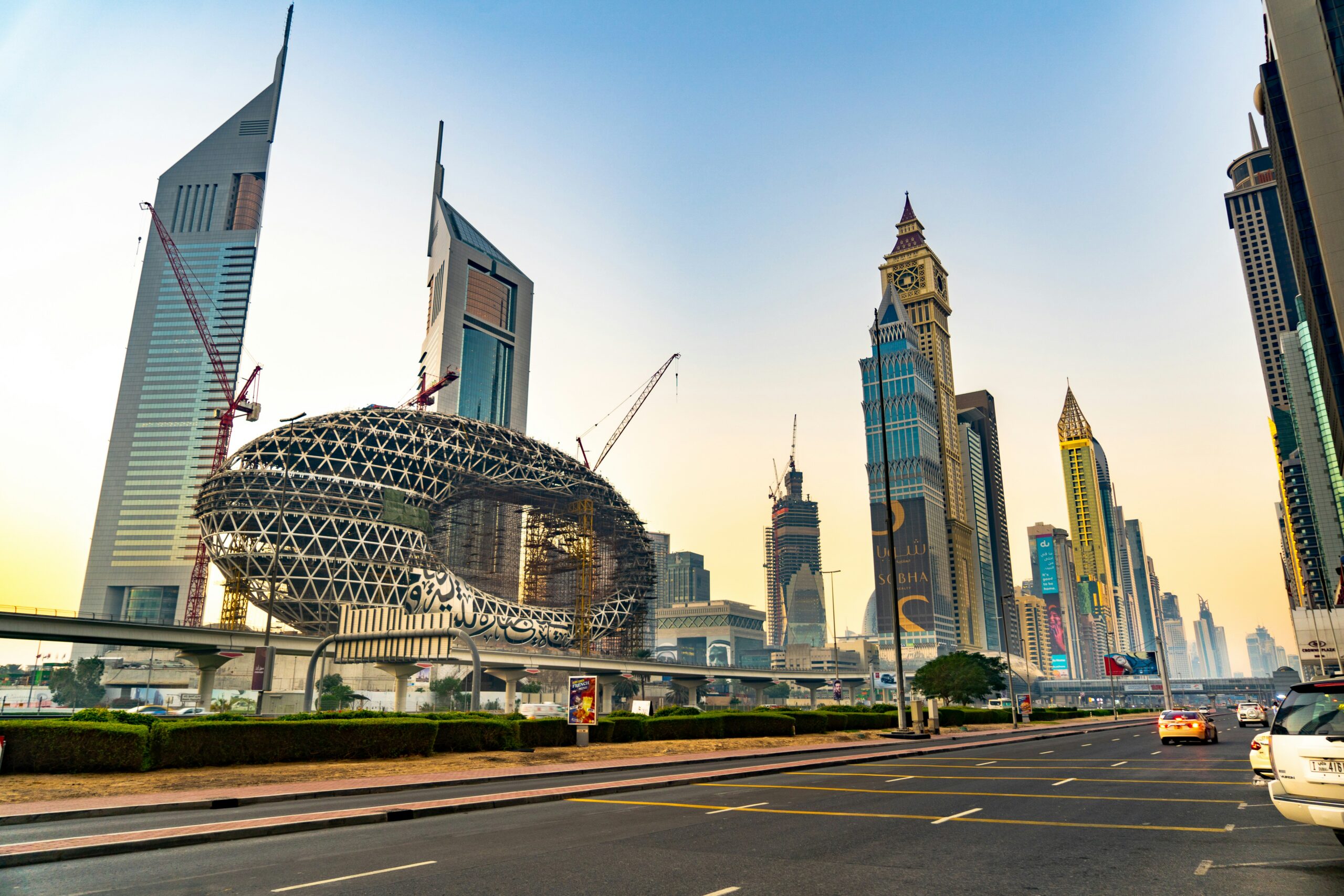
- Museum of the Future – Futuristic science and technology landmark.
Local Gems
- Al Fahidi Historical District – Old Dubai charm with museums and cafés.
- Kite Beach – Student favourite for swimming, jogging, and food trucks.
- Alserkal Avenue – Creative hub of galleries and design spaces.
- Global Village – Seasonal multicultural fair.
- Desert safaris – Dune driving and stargazing just outside the city.
Pre-departure Essentials
Documents & Visas: All international students need a UAE student visa, usually arranged through their university. Passport must be valid for at least six months.
Health Insurance: Mandatory; most universities include coverage.
Banking: Emirates NBD, Mashreq, and ADCB are common. Many students use Revolut or Wise for international transfers.
SIM Cards: Etisalat and du offer prepaid plans from AED 100–200/month.
Post-arrival Essentials
Registration: Complete medical screening and Emirates ID registration within 30 days.
Banking & SIM: Open a local account for rent payments and set up mobile service.
Health & Safety: Emergency number: 999. Hospitals and clinics are modern and high quality.
Shopping: Carrefour, Lulu, and Spinneys are main supermarkets.
Apps: RTA Dubai (transport), Careem (rides), Talabat/Zomato (food), Dubizzle (second-hand), Entertainer (student discounts).