


Delhi (India)
Destination Overview
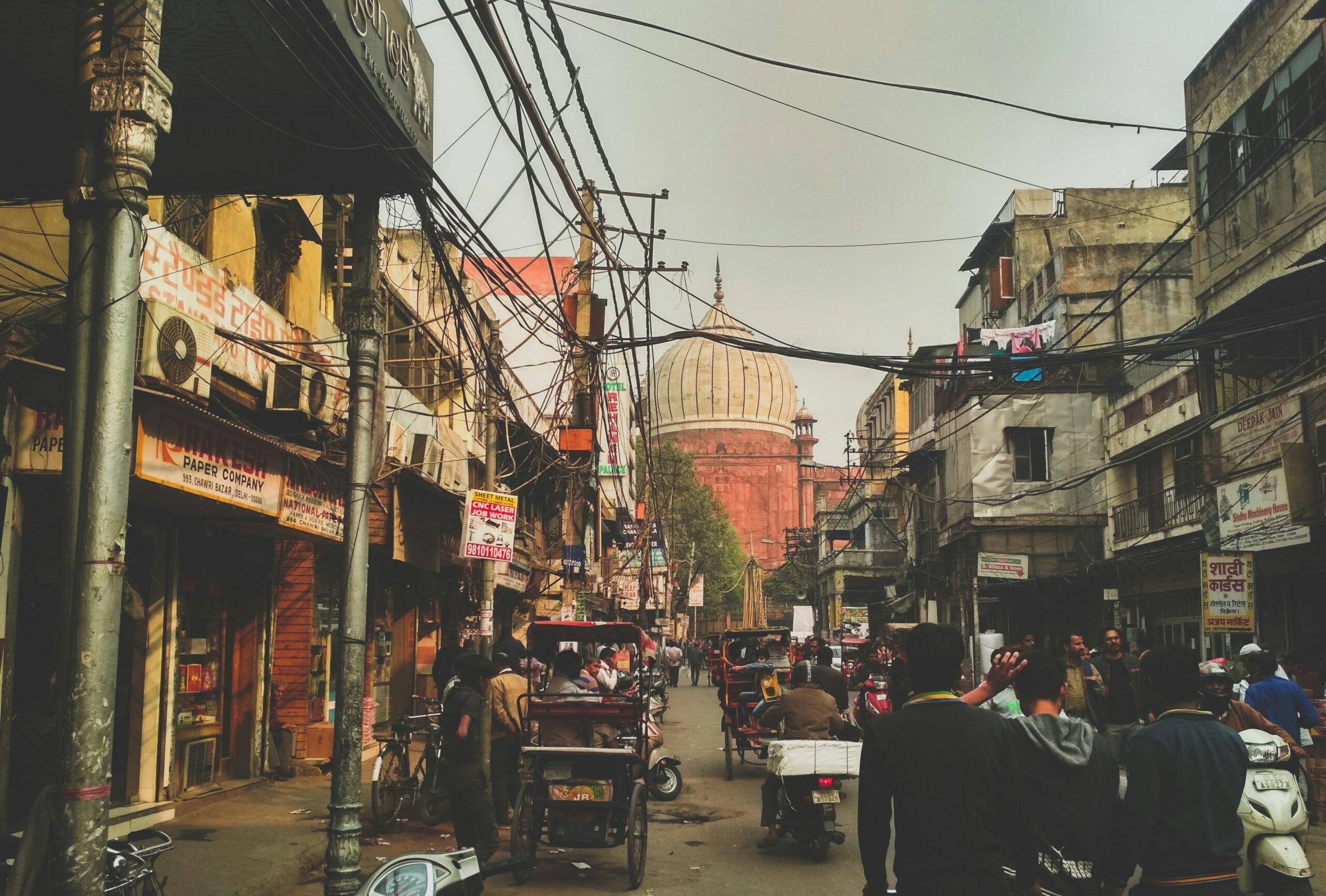
Delhi, India’s capital, is a dynamic mix of ancient history and modern energy — Mughal monuments sit alongside sleek metro lines and buzzing student hubs. Home to major universities such as the University of Delhi (DU), Jawaharlal Nehru University (JNU), and IIT Delhi, it attracts students from across India and the world, offering cultural diversity, outstanding food, heritage sites, and strong student communities, alongside intense summers, busy traffic, and a pace that rewards confidence and curiosity.
Quick Facts, Delhi

Climate
Extreme weather — very hot summers (often 40°C+), cooler winters, and monsoon rains from July to September.

Cost of Living
Affordable for a capital city. Shared flats typically cost ₹15,000–30,000/month, with student-friendly food options across campus areas.

Lifestyle
Busy and energetic, with a strong student café culture, markets, museums, and plenty of green spaces for breaks.

Vibe
Historic, diverse, and fast-moving — a city where tradition and modern life run side by side.

Safety
Generally safe in student and central areas, but stay aware of pickpocketing and scams in crowded tourist zones.

Transport
Excellent metro system plus buses and ride-hailing apps make getting around easy, even across long distances.
Areas & Neighbourhoods
1. Central Delhi (Connaught Place, Civil Lines)
▲The colonial-era core of the city, packed with cafés, shops, offices, and nightlife. Extremely well connected by metro and close to major landmarks. Housing is limited and expensive, but unbeatable for convenience and atmosphere.
2. North Campus / DU Area (Kamla Nagar, Hudson Lane)
▼3. South Delhi (Hauz Khas, Green Park, Greater Kailash)
▼4. South Campus (Satya Niketan, Dhaula Kuan)
▼5. Lajpat Nagar
▼6. Saket
▼7. Vasant Kunj
▼8. Noida (Delhi NCR)
▼Transport
Within Delhi

Metro

Buses (DTC)

Auto-rickshaws & Ride Apps

Cycling / Walking
Domestic & International

Intercity Bus

Airport

Train
Culture & Lifestyle
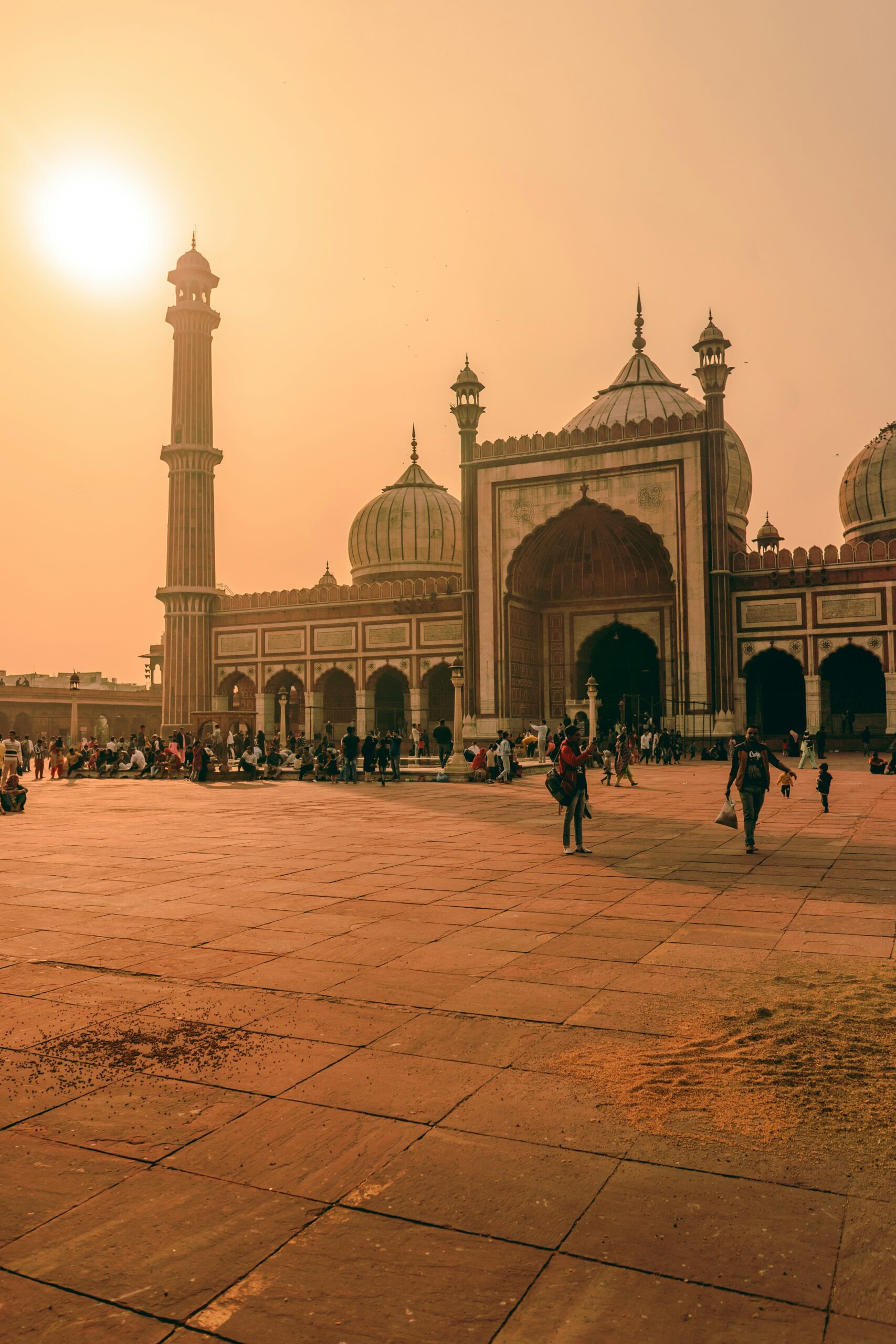
Cost of Living: Shared flats ₹15,000–30,000/month (€170–340); studios ₹35,000–60,000 (€400–650). Meals ₹200–400 (€2–4), coffee ₹150 (€1.50), beer ₹250–350 (€3–4).
Climate: Extreme — very hot summers (up to 45°C), mild winters (5–20°C), monsoon season July–September.
Culture: Deeply historical and hugely diverse. Museums, street markets, festivals, and food culture shape daily life, from Chandni Chowk to modern art spaces.
Social & Nightlife: Hauz Khas, Connaught Place, and Khan Market are the main student-friendly nightlife zones.
Lifestyle: Fast-paced and intense, balanced by green parks, campus communities, and endless food options.
Inclusivity & Safety
LGBTQ+ Community
Growing visibility, especially around university circles and creative districts. Annual Pride events take place, and several inclusive cafés and spaces exist, though public expression remains more conservative than in Western cities.




Top Attractions & Local Experiences
Must-Sees
- Red Fort – Mughal-era UNESCO landmark.
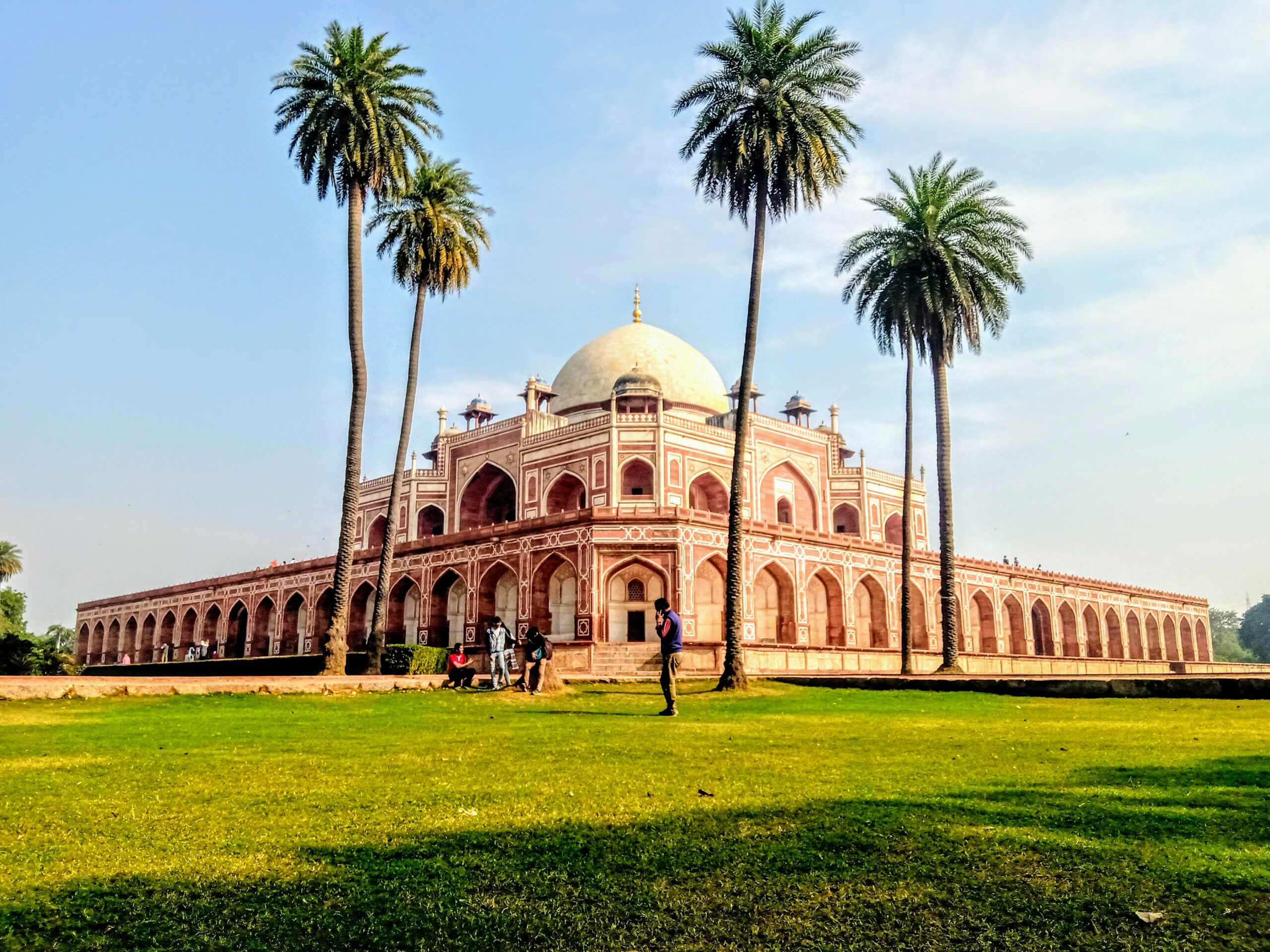
- Humayun’s Tomb – Precursor to the Taj Mahal.
- Qutub Minar – Iconic medieval tower.
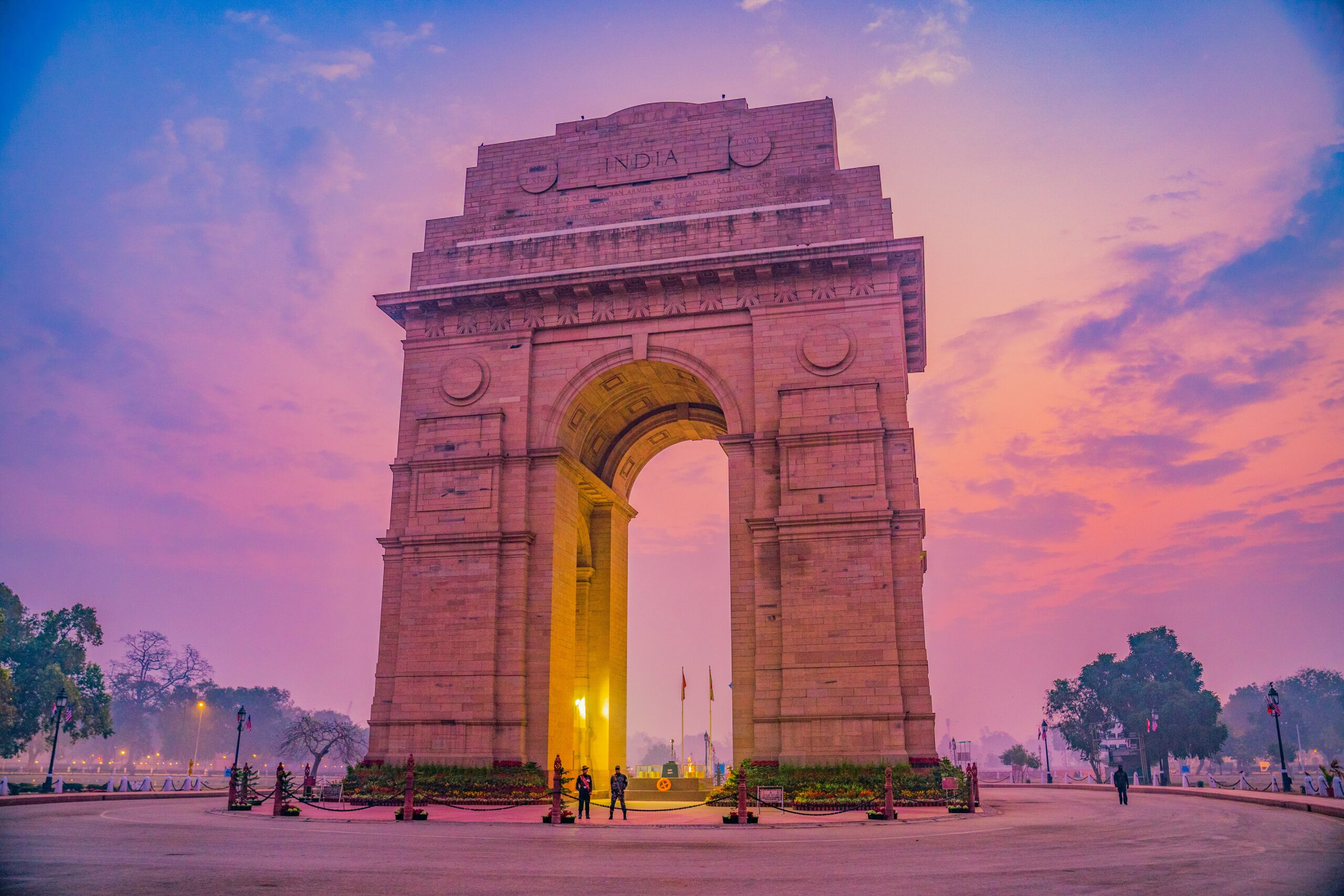
- India Gate – Central ceremonial monument.
- Lotus Temple – Modern architectural landmark.
Local Gems
- Hauz Khas Village – Lakeside cafés and nightlife.
- Dilli Haat – Artisan market and food stalls.
- Lodhi Art District – Open-air street art gallery.
- Mehrauli Archaeological Park – Quiet heritage ruins near Qutub Minar.
- Connaught Place – Historic shopping and student hangout hub.
Pre-departure Essentials
Documents & Visas: Most international students require an Indian Student Visa arranged before arrival using a university acceptance letter and proof of accommodation.
Health Insurance: Private or university-provided insurance is essential, as healthcare is largely paid out of pocket.
Banking: HDFC, ICICI, and SBI are widely used. Foreign students can open accounts with passport, student visa, and address proof. Many students initially rely on Wise or international cards.
SIM Cards: Jio, Airtel, and Vi offer prepaid plans from around ₹300–600/month. SIMs can be purchased at airports or official stores with passport and visa.
Post-arrival Essentials
Registration: Foreign nationals staying over 180 days must register with the FRRO within 14 days. Universities usually help guide this process.
Banking & SIM: Open a local bank account and set up a mobile plan for rent, ride apps, and daily payments.
Health & Safety: Emergency services: 112. Hospitals and pharmacies are widespread; most central clinics have English-speaking staff.
Shopping: Big Bazaar and Reliance Smart for groceries; local markets for fresh produce and affordable meals.
Apps: Zomato & Swiggy (food), Uber/Ola (transport), Paytm or Google Pay (payments), Delhi Metro App (navigation).