


Córdoba (Spain)
Destination Overview
Córdoba, in Andalusia, is one of Spain’s most historic and visually striking cities. Once the capital of Moorish Spain, it is world-famous for its UNESCO-listed Mezquita-Cathedral, winding old town streets, and flower-filled patios. Today, Córdoba is a medium-sized, affordable student city with a relaxed pace of life, home to the University of Córdoba and a growing Erasmus community. It’s ideal for students who want culture, sunshine, and value for money in a manageable city.
Quick Facts, Córdoba

Climate
Very hot summers and mild winters. Summer temperatures regularly exceed 40°C, while spring and autumn are ideal for outdoor life.

Cost of Living
Very hot summers and mild winters. Summer temperatures regularly exceed 40°C, while spring and autumn are ideal for outdoor life.

Lifestyle
Relaxed and traditional, with a strong student presence. Life centres around food, history, and socialising in plazas and patios.

Vibe
Historic, atmospheric, and calm, with lively student pockets. Smaller-scale than Seville but very welcoming and walkable.

Safety
Historic, atmospheric, and calm, with lively student pockets. Smaller-scale than Seville but very welcoming and walkable.

Transport
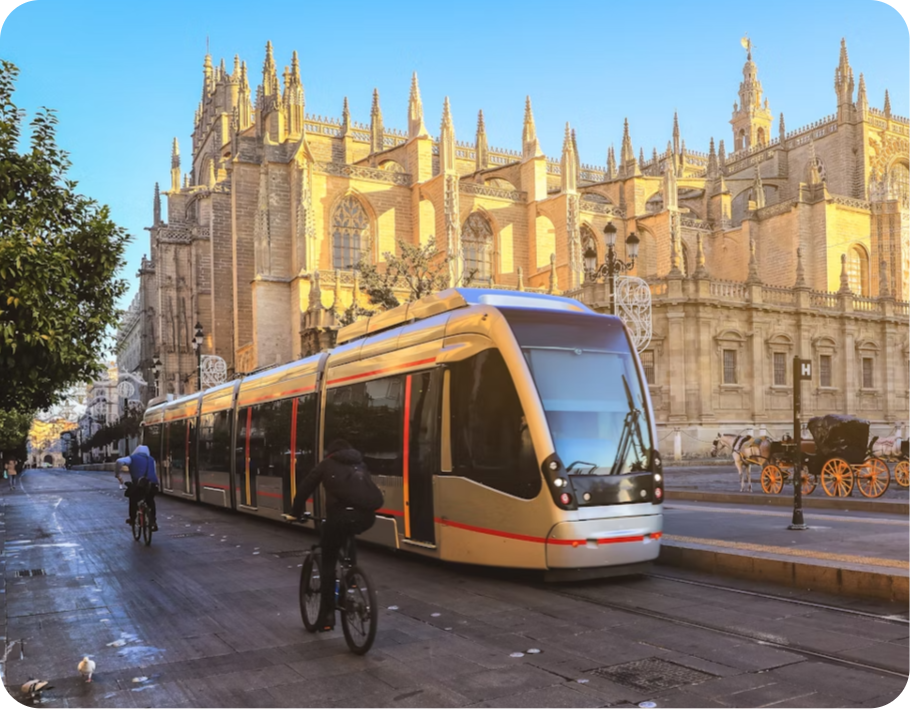
Compact and easy to navigate. Most daily journeys are on foot or by bus.
Areas & Neighbourhoods
1. Centro
▲The historic heart of Córdoba, surrounding the Mezquita-Catedral and the Jewish Quarter. Full of narrow streets, tapas bars, museums, and atmosphere. Lively and cultural but touristy, with older and sometimes noisy housing.
2. Ciudad Jardín
▼3. Poniente Sur
▼4. Vista Alegre
▼5. Santa Rosa
▼6/7. Levante / Fátima
▼8/9. El Brillante & El Naranjo
▼Transport
Within Córdoba

Buses

Walking / Cycling

Taxis
Domestic & International

Airport

Train

Bus
Culture & Lifestyle
Cost of Living: Very affordable. Shared flats €200–€350/month, studios €400–€600. Eating out is cheap, with tapas €2–3, coffees around €1.50, and groceries €25–40/week.
Climate: Mediterranean with extreme summer heat. Summers are long and very hot, while winters are mild and pleasant.
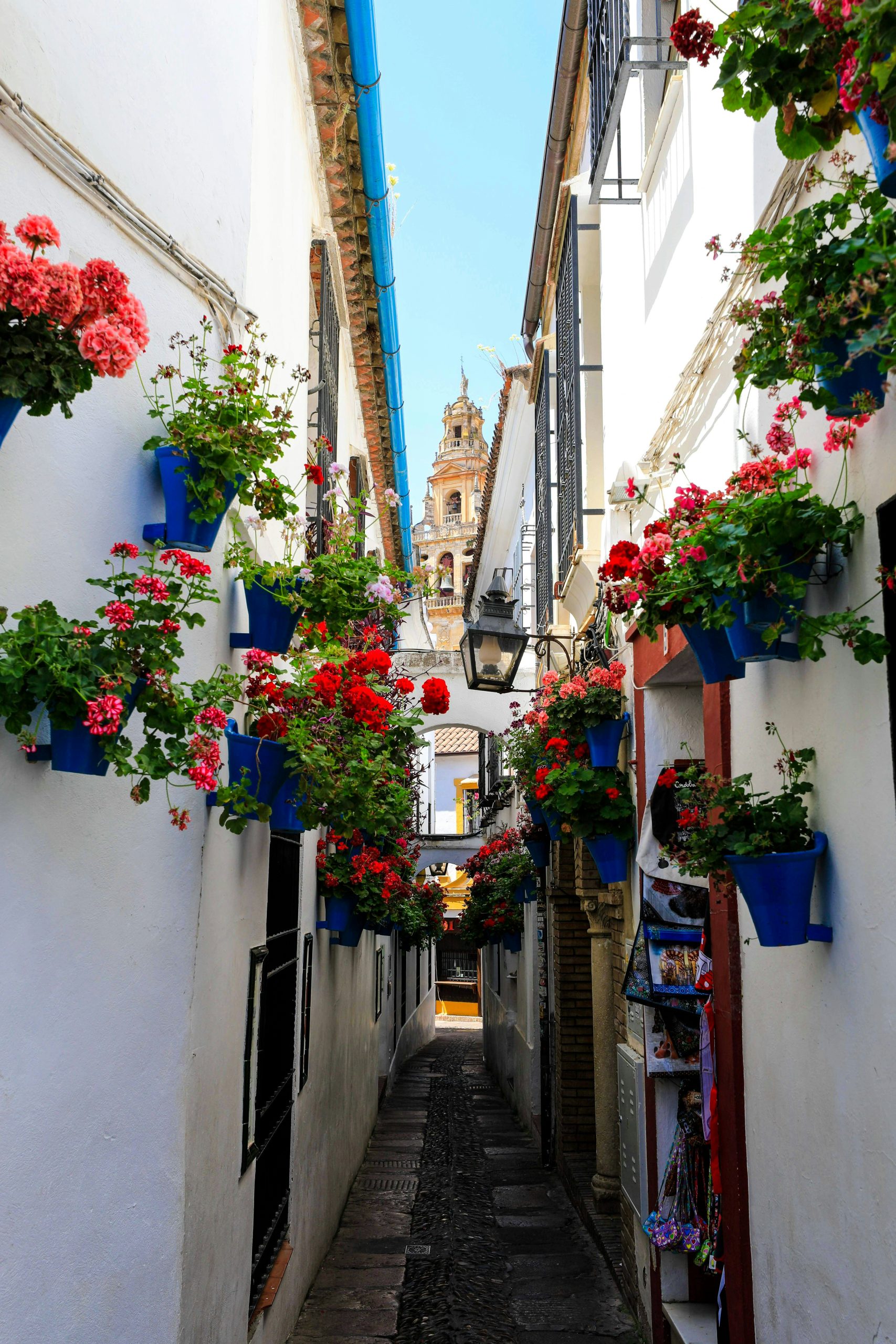
Culture: Strong Moorish and Andalusian heritage, reflected in architecture, festivals, and daily life. The Patios Festival and Semana Santa are major highlights.
Social & Nightlife: Student nightlife centres around Ciudad Jardín, Plaza de la Corredera, and parts of the old town. Social life is relaxed and terrace-based.
Lifestyle: Slow-paced, historic, and sociable. Smaller and quieter than Seville, but very student-friendly and easy to settle into.
Inclusivity & Safety
LGBTQ+ Community
Córdoba is welcoming and tolerant, with Pride events and a small but visible LGBTQ+ scene. While nightlife options are limited compared to larger cities, students generally feel comfortable and accepted.





Top Attractions & Local Experiences

Must-Sees
- Mezquita-Cathedral – Córdoba’s iconic Moorish landmark and UNESCO site.
- Alcázar de los Reyes Cristianos – Fortress-palace with gardens and history.
- Roman Bridge – Historic crossing of the Guadalquivir River.
- Medina Azahara – Archaeological ruins of a former caliphal city outside Córdoba.
- Jewish Quarter (La Judería) – Narrow streets and historic synagogues.
- Plaza de la Corredera – One of Spain’s few rectangular main squares.
- Palacio de Viana – Famous for its series of traditional patios.
Local Gems
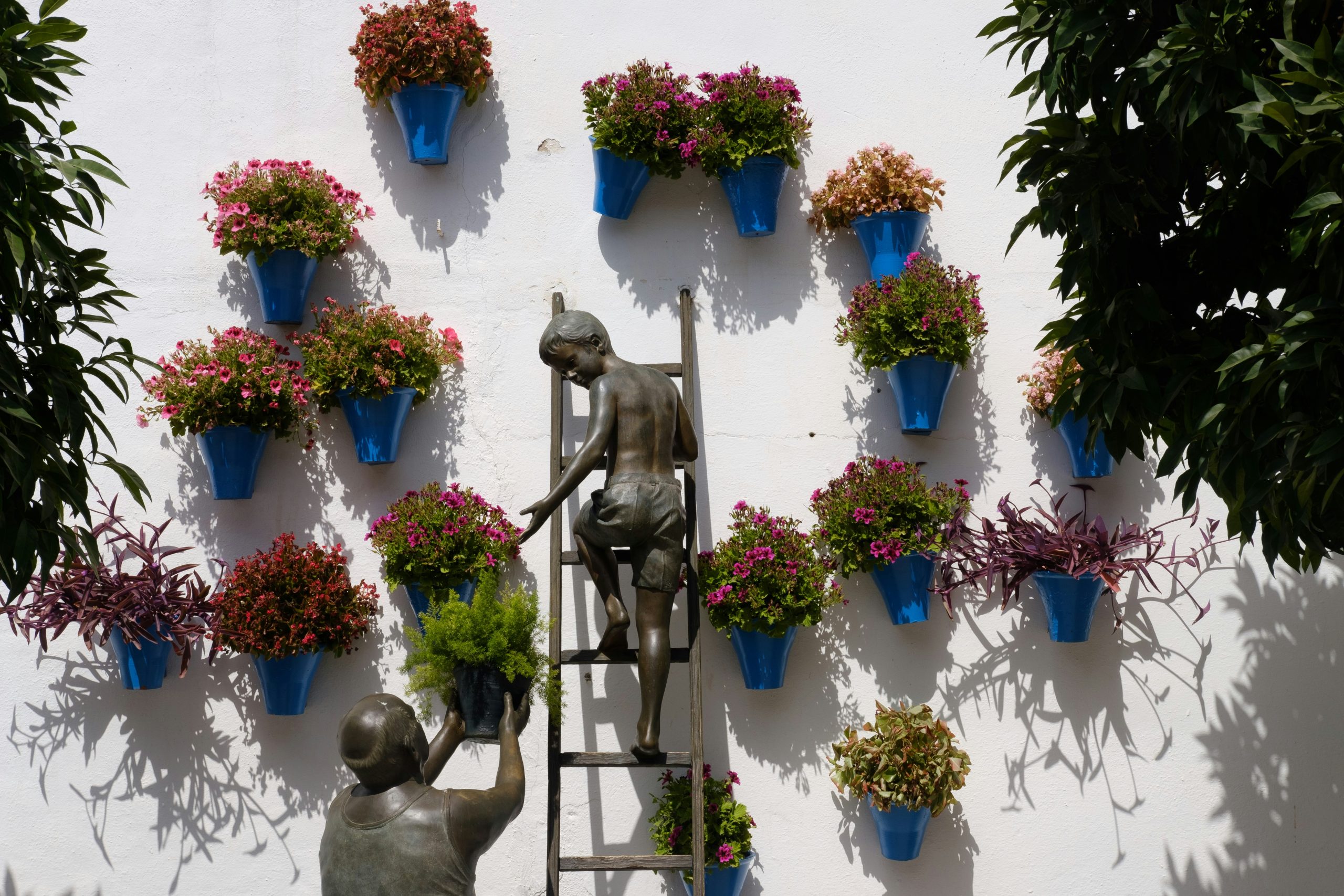
- Festival de los Patios (May) – Flower-filled courtyards opened to the public.
- Tapas in Ciudad Jardín – Affordable and student-friendly dining.
- Flamenco peñas – Authentic local performances.
- Evening walks by the Mezquita and Roman Bridge – Especially atmospheric at night.
- Sierra de Hornachuelos Natural Park – Hiking and nature trips nearby.

Pre-departure Essentials
Documents & Visas: EU students do not need a visa. UK and other non-EU students usually require a Spanish student visa if staying longer than 90 days, which must be arranged before arrival.
Health Insurance: EU students can use an EHIC. UK students should apply for a GHIC. Non-EU students must arrange private health insurance meeting visa requirements.
Banking: Spanish banks such as Santander, BBVA, CaixaBank, and Unicaja are widely used. Online banks like Revolut or N26 are also common, though a Spanish account may be required for rent.
SIM Cards: SIM cards are easy to buy from Movistar, Vodafone, Orange, and MásMóvil, with monthly plans from €10–20.
Post-arrival Essentials
Registration: Students staying longer than three months must register their address at the town hall (empadronamiento). Non-EU students must also apply for a Foreigner Identity Card (TIE).
Banking & SIM: Open a Spanish bank account and purchase a local SIM if not arranged before arrival.
Health & Safety: Carry your EHIC/GHIC or insurance details. Emergency services are accessed via 112. Pharmacies are widespread and easy to access.
Shopping: Major supermarkets include Mercadona, Carrefour, Dia, Lidl, and El Corte Inglés.
Apps: Useful apps include Moovit (transport), Glovo (food delivery), Too Good To Go (discount food), and Bizum (mobile payments).