


Copenhagen (Denmark)
Destination Overview
Copenhagen, Denmark’s capital, is a vibrant, student-friendly city known for its canals, colourful harbour, cycling culture, and progressive lifestyle. It is home to top universities such as the University of Copenhagen, Copenhagen Business School, and the Technical University of Denmark, attracting thousands of international students each year. While the cost of living is high, the city offers excellent quality of life, sustainability, and a welcoming international atmosphere.
Quick Facts, Copenhagen

Climate
Oceanic climate with cool, dark winters and mild summers. Summers bring long daylight hours, while winters are colder and windier.

Cost of Living
High. Student room rentals typically range from €600–900 per month, with weekly grocery costs around €60–80.

Lifestyle
Eco-friendly, active, and community-focused, with cycling at the centre of daily life.

Vibe
Clean, creative, and progressive. Calm and relaxed during the week, social and lively at weekends.

Safety
Extremely safe, with very low violent crime. Bike theft is the most common issue.

Transport
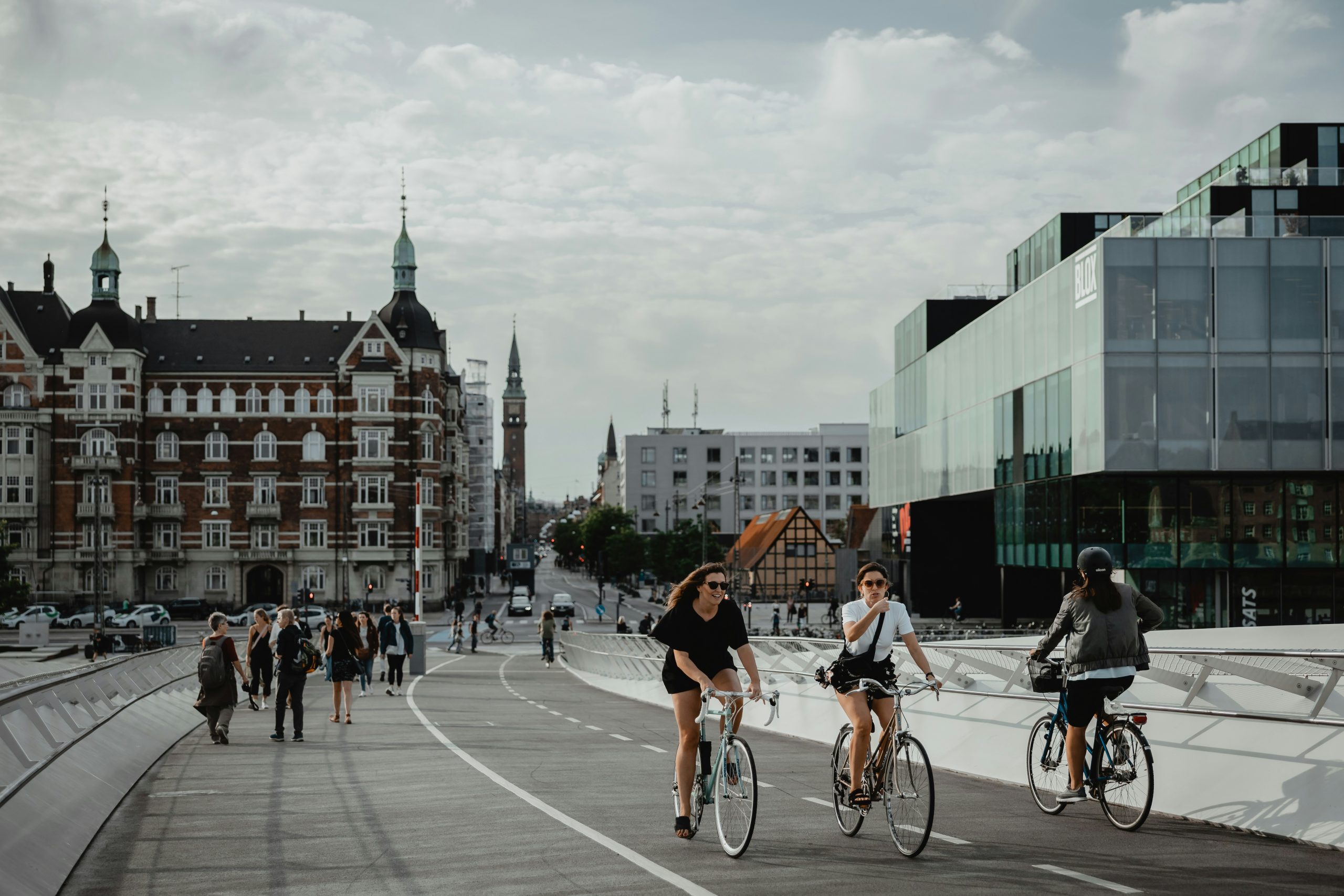
Excellent public transport and world-class cycling infrastructure. Easy to live without a car.
Areas & Neighbourhoods
1. Indre By (City Centre)
▲Historic heart of Copenhagen, home to Nyhavn, Strøget, and many cultural landmarks. Central and lively but expensive and tourist-heavy, with limited student housing.
2. Nørrebro
▼3. Vesterbro
▼4. Østerbro
▼5. Amager
▼6. Frederiksberg
▼7. Christianshavn
▼Transport
Within Copenhagen

Metro & S-trains

Buses & Harbour Buses

Cycling
Domestic & International

Bus

Airport

Train
Culture & Lifestyle

Cost of Living: Shared accommodation usually costs DKK 4,500–6,500 (€600–900) per month, with studios often exceeding €1,200. Meals cost €12–20, coffee €4–5, and beer €6–8. Weekly groceries average €60–80. Student discounts are common for transport and cultural venues.
Climate: Cool winters (0–5°C) with limited daylight and mild summers (20–25°C) with long evenings. Wind and rain are common year-round.
Culture: Copenhagen blends Scandinavian design, history, and innovation. Museums, architecture, music festivals, and food culture play a central role in city life, alongside the Danish concept of hygge.
Social & Nightlife: Student nightlife centres around Nørrebro and Vesterbro, with bars, clubs, and live music venues. Large festivals like Distortion and Copenhagen Jazz Festival shape the social calendar.
Lifestyle: Sustainable, outdoors-focused, and community-driven. Easy access to parks, beaches, and nearby islands supports a healthy work–life balance.
Inclusivity & Safety
LGBTQ+ Community
Very welcoming and visible. Copenhagen has a long history of LGBTQ+ rights, hosts major Pride events, and offers inclusive nightlife and community spaces citywide.





Top Attractions & Local Experiences
Must-Sees
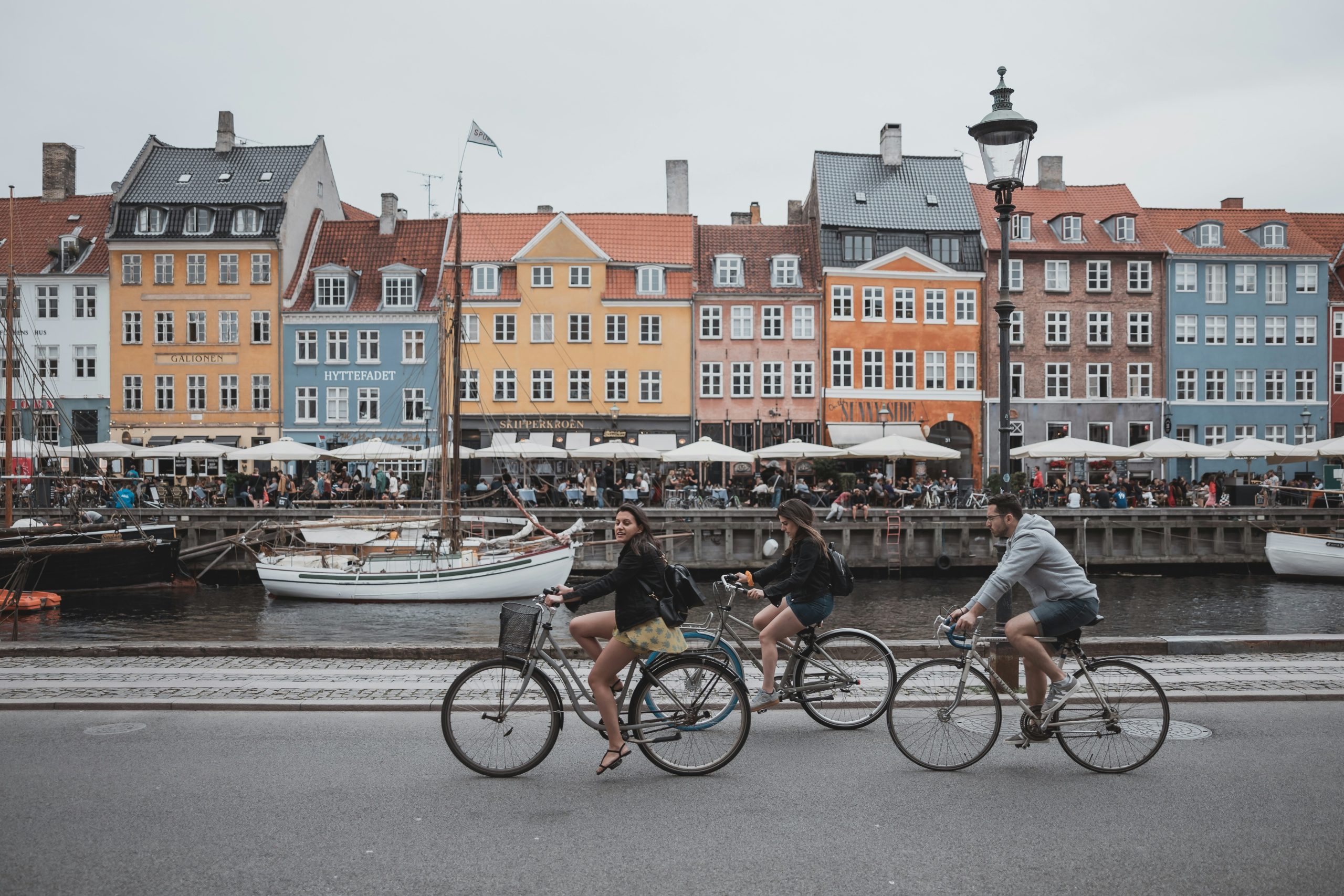
- Nyhavn – Iconic colourful harbour and social meeting point.
- Tivoli Gardens – Historic amusement park and cultural venue.
- Amalienborg Palace – Home of the Danish royal family.
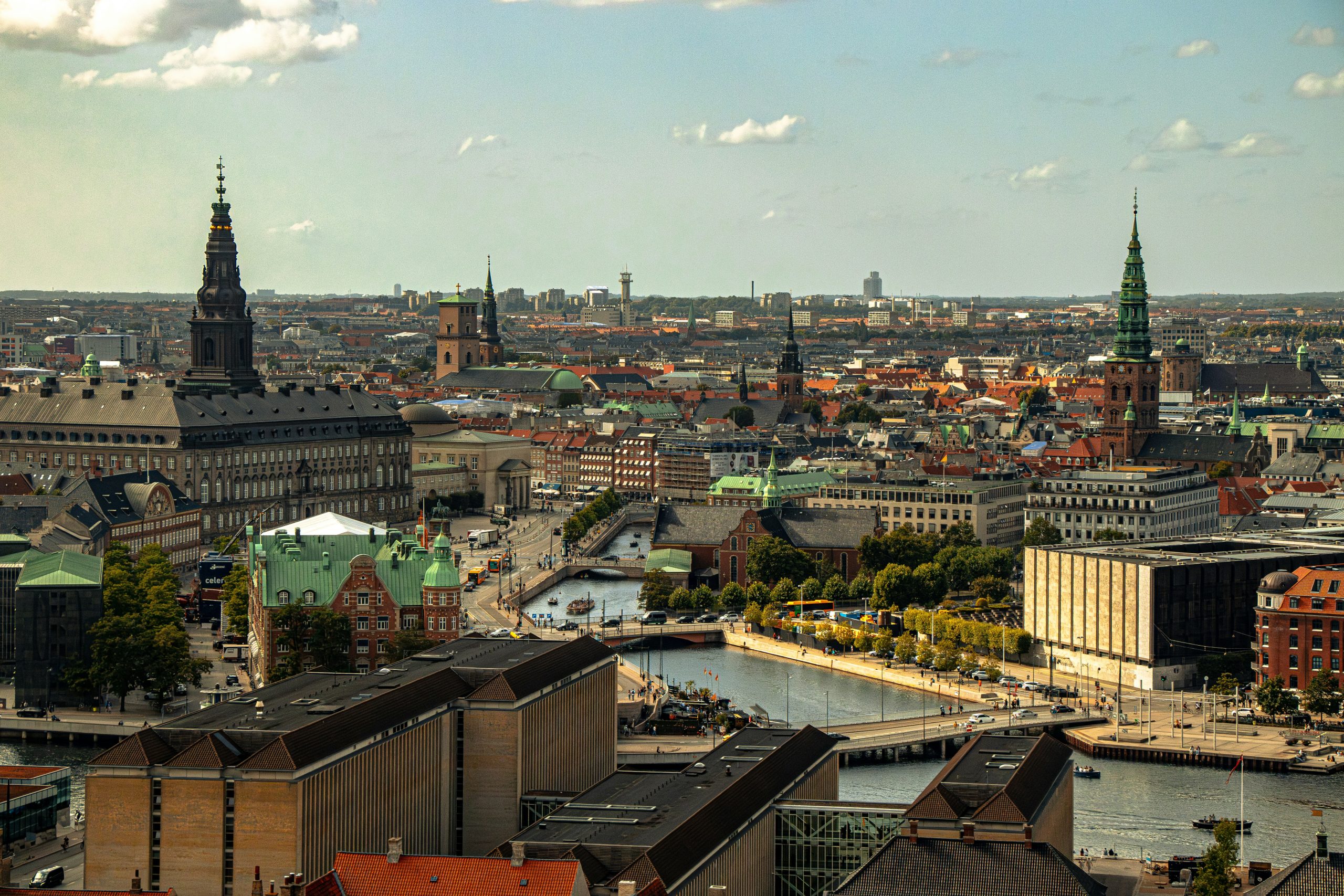
- Christiansborg Palace – Seat of parliament and historic centre.
- Rosenborg Castle – Renaissance palace and crown jewels.
Local Gems
- Superkilen Park (Nørrebro) – Social, multicultural urban park.
- Islands Brygge Harbour Baths – Outdoor swimming in summer.
- Reffen – Street food market and student hangout.
- Kødbyen (Meatpacking District) – Nightlife, bars, and dining.
- Amager Strandpark – Beach access for cycling, swimming, and sunsets.
- Traditional student bars & cafés – Affordable and central to student life.
Pre-departure Essentials
Documents & Visas: EU/EEA students do not need a visa. Non-EU students must apply for a Danish student residence permit before arrival.
Health Insurance: EU students can use a valid EHIC initially. Non-EU students staying longer than three months must obtain a CPR number to access Denmark’s public healthcare system.
Banking: Common banks include Danske Bank, Nordea, and Nykredit. Many students initially use Revolut or N26 before opening a Danish account.
SIM Cards: Telia, Telenor, YouSee, and Lebara offer prepaid and monthly plans, typically €10–20.
Post-arrival Essentials
Registration: All students must register at Borgerservice to obtain a CPR number. This is required for healthcare, banking, and many housing contracts.
Banking & SIM: Open a Danish bank account if required and purchase a local SIM if not already arranged.
Health & Safety: Emergency services are accessed via 112. Pharmacies (Apotek) are widely available. Healthcare is free once registered with a CPR number.
Shopping: Netto and Rema 1000 are the cheapest supermarkets, with Lidl, Føtex, and Irma offering broader ranges.
Apps: Useful apps include Rejseplanen (journey planning), DOT (transport tickets), MobilePay (essential for payments), Too Good To Go (discount food), and Wolt or Bolt Food (delivery).