


Cologne (Germany)
Destination Overview
Cologne (Köln), on the Rhine River in western Germany, is one of the country’s largest and most historic cities. Famous for its Gothic cathedral, Roman heritage, and vibrant cultural scene, it is also known for its carnival celebrations and riverside living. With the University of Cologne, Cologne University of Applied Sciences, and several art and music schools, the city has a huge student population, making it lively, affordable, and diverse.
Quick Facts, Cologne

Climate
Cologne has a mild, oceanic climate with cool winters and warm summers. Rain is fairly common year-round.

Cost of Living
Living costs are moderate by German standards. Shared rooms typically cost €400–€600, with weekly groceries around €30–€50.

Lifestyle
Social, relaxed, and student-heavy, with strong community spirit and riverside living.

Vibe
Friendly, open, and informal. Cologne is known for its welcoming attitude and strong local identity.

Safety
Generally safe, with low violent crime. Pickpocketing can occur in busy nightlife and tourist areas.

Transport
Well-connected public transport and excellent rail links across Germany and Europe.
Areas & Neighbourhoods
1. Altstadt (Old Town)
▲Central and historic, stretching along the Rhine and home to major landmarks and nightlife. Lively and atmospheric, but housing is limited and more expensive due to tourism.
2. Ehrenfeld
▼3. Belgisches Viertel (Belgian Quarter)
▼4. Südstadt
▼5. Nippes
▼6. Deutz
▼7. Lindenthal
▼Transport
Within Cologne

S-Bahn & U-Bahn:

Buses & Trams

Cycling / E-scooters
Domestic & International

Bus

Airport

Train
Culture & Lifestyle
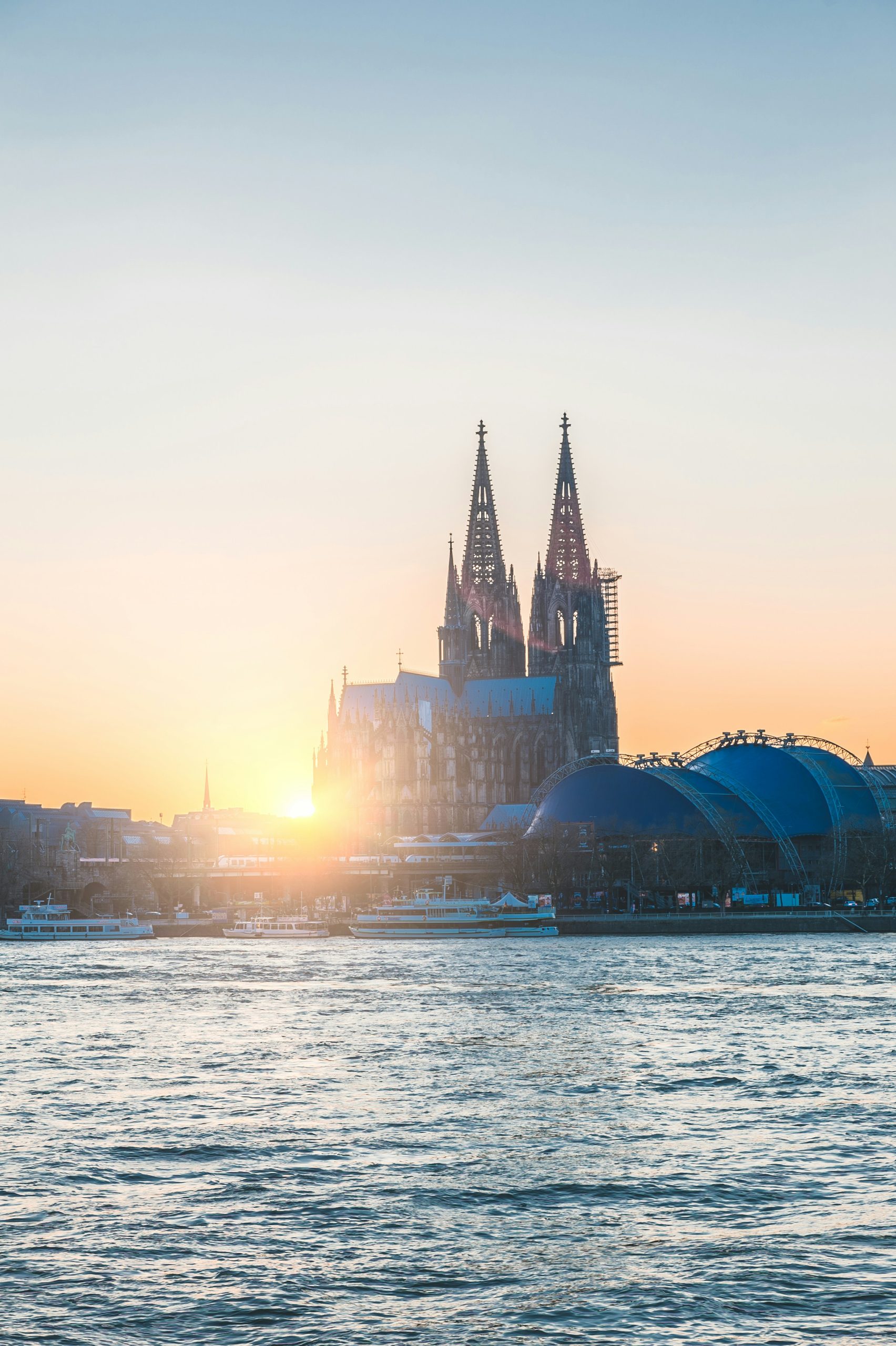
Cost of Living: Shared accommodation €400–€600 per month, studios €650–€900. Meals €10–€15, coffee around €3, beer €2.50–€3.50. Weekly groceries €30–€50.
Climate: Mild winters (1–7°C) and warm summers (22–28°C), with regular rainfall.
Culture: Famous for Cologne Cathedral, Roman history, and Carnival. Strong media, arts, and music scenes shape city life.
Social & Nightlife: Nightlife centres around Ehrenfeld, the Belgian Quarter, and Südstadt. Carnival season transforms the entire city into a giant street festival.
Lifestyle: Relaxed, social, and student-focused, with riverside walks, parks, and a strong sense of community.
Inclusivity & Safety
LGBTQ+ Community
Cologne is one of Germany’s most LGBTQ+ friendly cities and hosts Cologne Pride (Christopher Street Day), one of Europe’s largest Pride events. Inclusive nightlife and student groups are well established.





Top Attractions & Local Experiences
Must-Sees
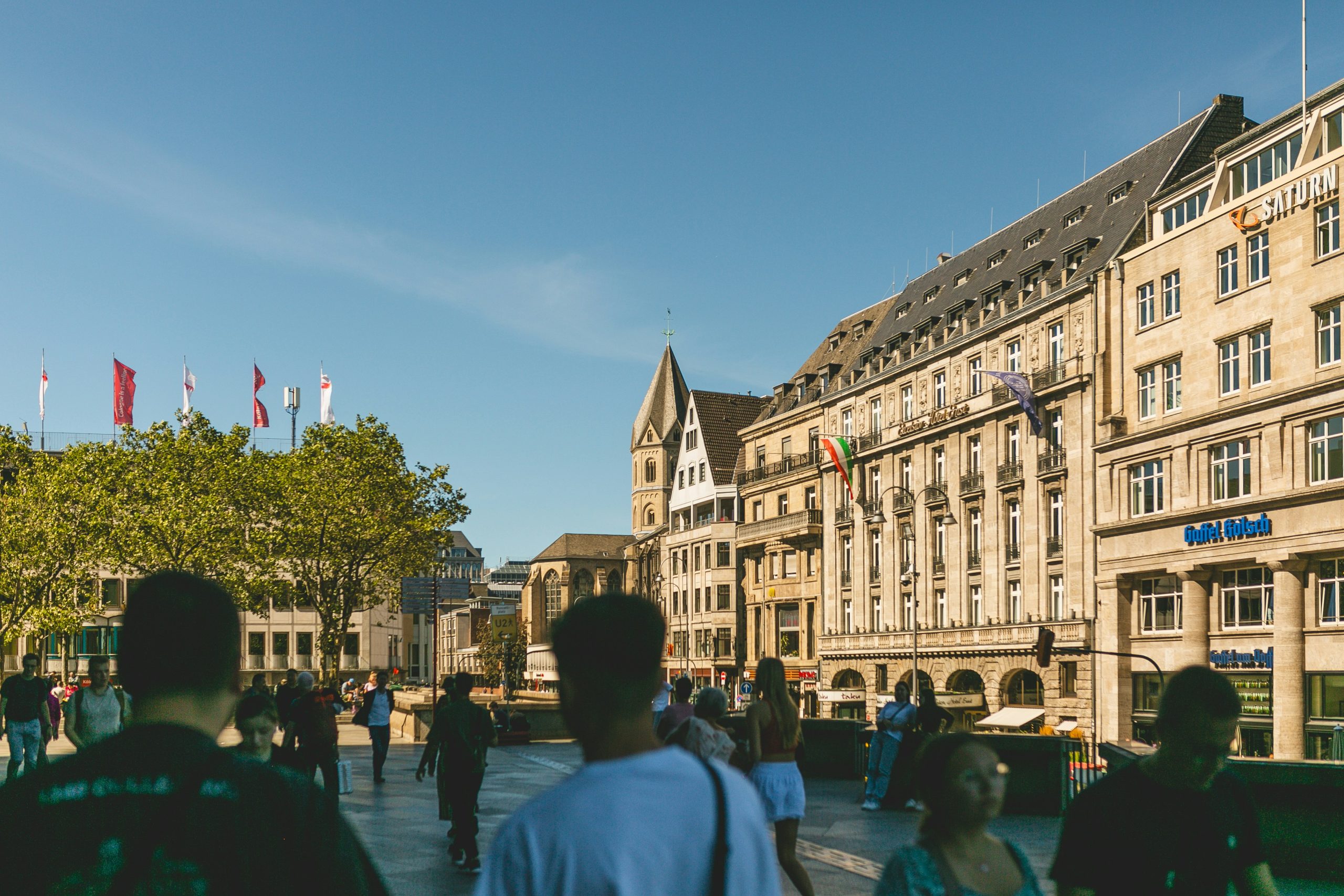
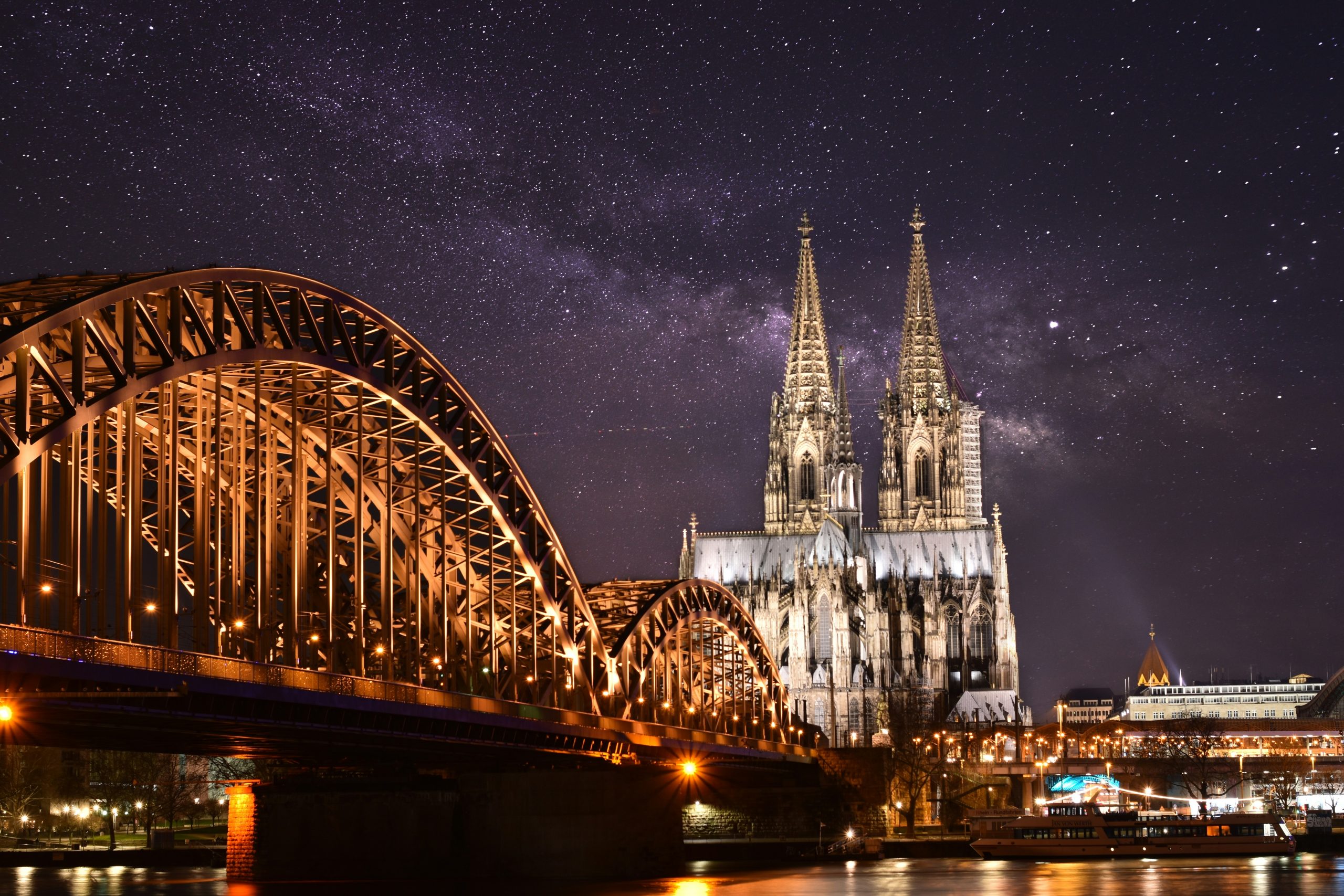
- Cologne Cathedral (Kölner Dom) – UNESCO World Heritage Site and the city’s most iconic landmark, dominating the skyline with its Gothic towers.
- Rhine River Promenade & Hohenzollern Bridge – Scenic riverside walk with views of the cathedral and the famous love-lock bridge.
- Museum Ludwig – One of Germany’s leading modern art museums, with works by Picasso, Warhol, and other major artists.
- Roman-Germanic Museum – Showcases Cologne’s Roman history, including mosaics, artefacts, and archaeological remains.
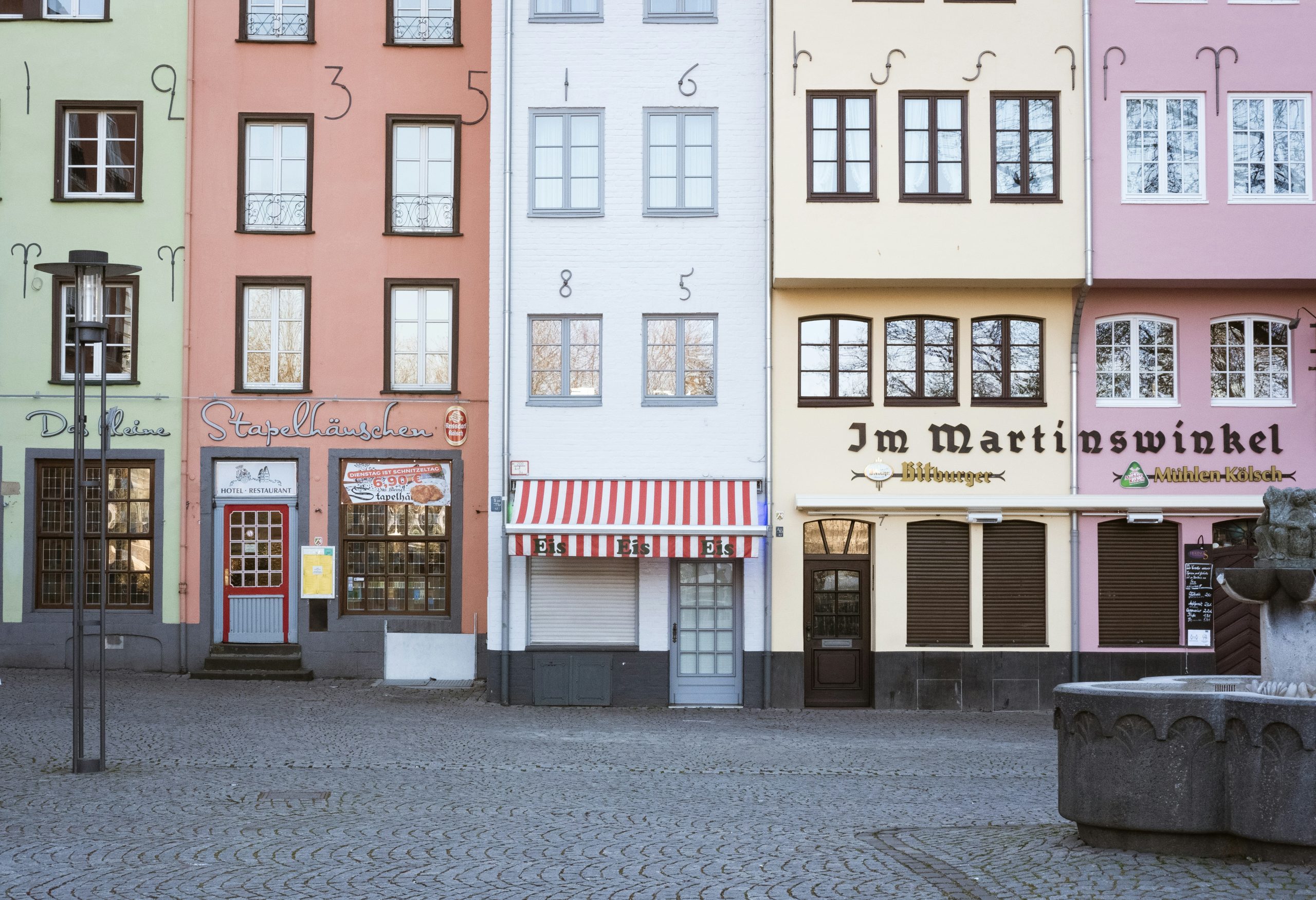
- Cologne Old Town & Alter Markt – Historic centre filled with traditional buildings, breweries, and lively squares.
- Lanxess Arena – Major venue for concerts, sports events, and international performances.
Local Gems
- Carnival of Cologne – One of Europe’s largest street festivals, transforming the entire city with parades, costumes, and celebrations.
- Belgian Quarter bars & cafés – Stylish nightlife and café scene popular with students and young professionals.
- Ehrenfeld street art & live music venues – Creative district known for murals, alternative culture, and independent music spaces.
- Chocolate Museum – Interactive museum exploring Cologne’s chocolate-making history, located on the Rhine.
- Day trips along the Rhine – Easy excursions to Bonn, Düsseldorf, and nearby castle towns along the river.
Pre-departure Essentials
Documents & Visas: EU/EEA students do not need a visa. Non-EU students must apply for a German student visa before arrival.
Health Insurance: Mandatory. EU students can use EHIC; non-EU students must arrange German public or private health insurance.
Banking: Common banks include Deutsche Bank, Sparkasse KölnBonn, Commerzbank, and N26.
SIM Cards: Telekom, Vodafone, O2, and Aldi Talk offer plans from around €10–€20 per month.
Post-arrival Essentials
Registration: All residents must register their address (Anmeldung) at the Bürgeramt. Non-EU students must also apply for a residence permit.
Banking & SIM: Open a German bank account if required and activate a local SIM card.
Health & Safety: Emergency services are accessed via 112. Pharmacies are widespread.
Shopping: Main supermarkets include Rewe, Edeka, Lidl, Aldi, Penny, and Kaufland.
Apps: Useful apps include KVB (transport), Lieferando (food delivery), Too Good To Go (discount food), WG-Gesucht (housing), and mobile payment apps.