


Coimbra (Portugal)
Destination Overview
Coimbra, located in central Portugal, is one of Europe’s oldest university cities and the historic heart of Portuguese student culture. Home to the University of Coimbra—founded in 1290 and now a UNESCO World Heritage Site—the city is defined by academic traditions, student festivals, and a strong sense of community. Affordable, compact, and welcoming, Coimbra is a top choice for international students seeking an authentic and immersive study-abroad experience.
Quick Facts, Coimbra

Climate
Mediterranean climate with warm, sunny summers (often 28–34°C) and mild winters (7–15°C). Cooler evenings are common due to the city’s hills and river.

Cost of Living
Very affordable, even by Portuguese standards. Shared accommodation typically ranges from €200–€350 per month, making Coimbra one of the cheapest student cities in Western Europe.

Lifestyle
Strongly student-led and community-focused. Daily life revolves around the university calendar, traditions, cafés, and socialising with classmates.

Vibe
Historic, academic, and authentic. Coimbra feels deeply rooted in tradition, with a close-knit student atmosphere and a slower pace than Lisbon or Porto.

Safety
Very safe overall, with low crime rates and a visible student presence throughout the city, especially during term time.

Transport
Compact city mainly navigated on foot and by bus. Most student areas are close together, though the hilly terrain can make walking more demanding.
Areas & Neighbourhoods
Baixa (Downtown)
▲The historic lower town along the Mondego River, filled with cafés, bars, shops, and nightlife. Very central and lively, making it popular with students who prioritise social life. Accommodation is often older, and noise can be an issue at night.
Alta Universitária
▼Celas
▼Santo António dos Olivais
▼Santa Clara
▼Solum
▼Transport
Within Coimbra

Buses

Taxis

Walking
Domestic & International

Bus

Airport

Train
Culture & Lifestyle
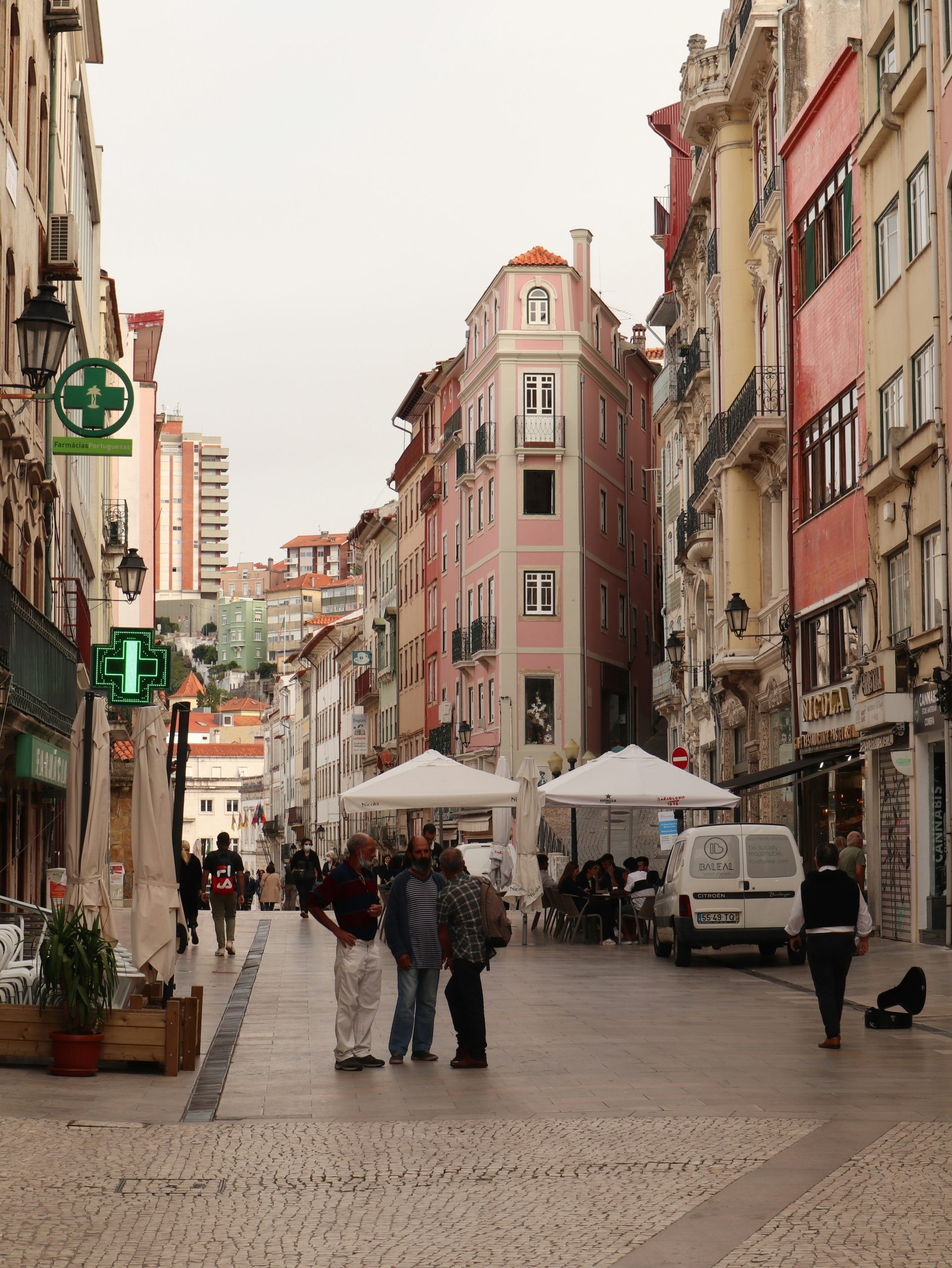
Cost of Living: Shared flats €200–€350/month, studios €400–€550. Meals €6–€10, coffee €1, beer €1.50–€2. Weekly groceries €20–€40.
Climate: Warm summers (28–34°C) and mild winters (7–15°C), with plenty of sunshine.
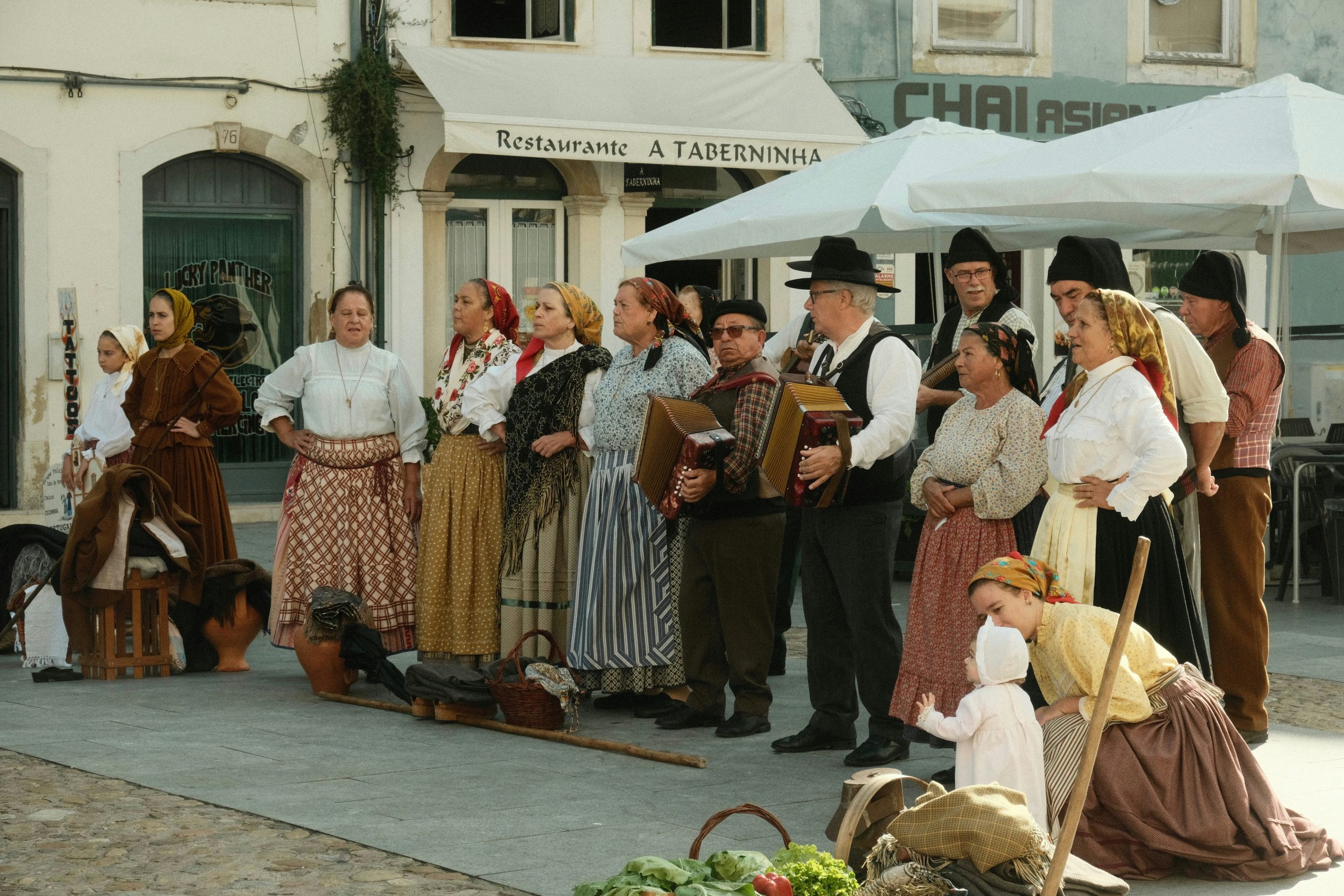
Culture: Strong academic traditions, student fado music, historic architecture, and festivals linked to the university calendar. Coimbra is one of the cultural symbols of Portuguese student life.
Social & Nightlife: Student nightlife centres around Praça da República, Alta Universitária, and Baixa, with bars, clubs, and live music venues catering almost entirely to students.
Lifestyle: Affordable, authentic, and very student-driven. Life revolves around the university, traditions, and socialising with classmates.
Inclusivity & Safety
LGBTQ+ Community
Welcoming and inclusive, with student-led LGBTQ+ associations and social spaces linked to the university.





Top Attractions & Local Experiences
Must-Sees
- University of Coimbra & Joanina Library – Historic university complex and UNESCO site, home to one of the world’s most beautiful baroque libraries.
- Sé Velha (Old Cathedral) – Romanesque cathedral in the historic upper town.
- Botanical Garden – Large and peaceful gardens popular with students for studying and relaxing.
- Praça da República – Central student square surrounded by cafés and bars.
- Portugal dos Pequenitos – Miniature park showcasing Portuguese architecture and history.
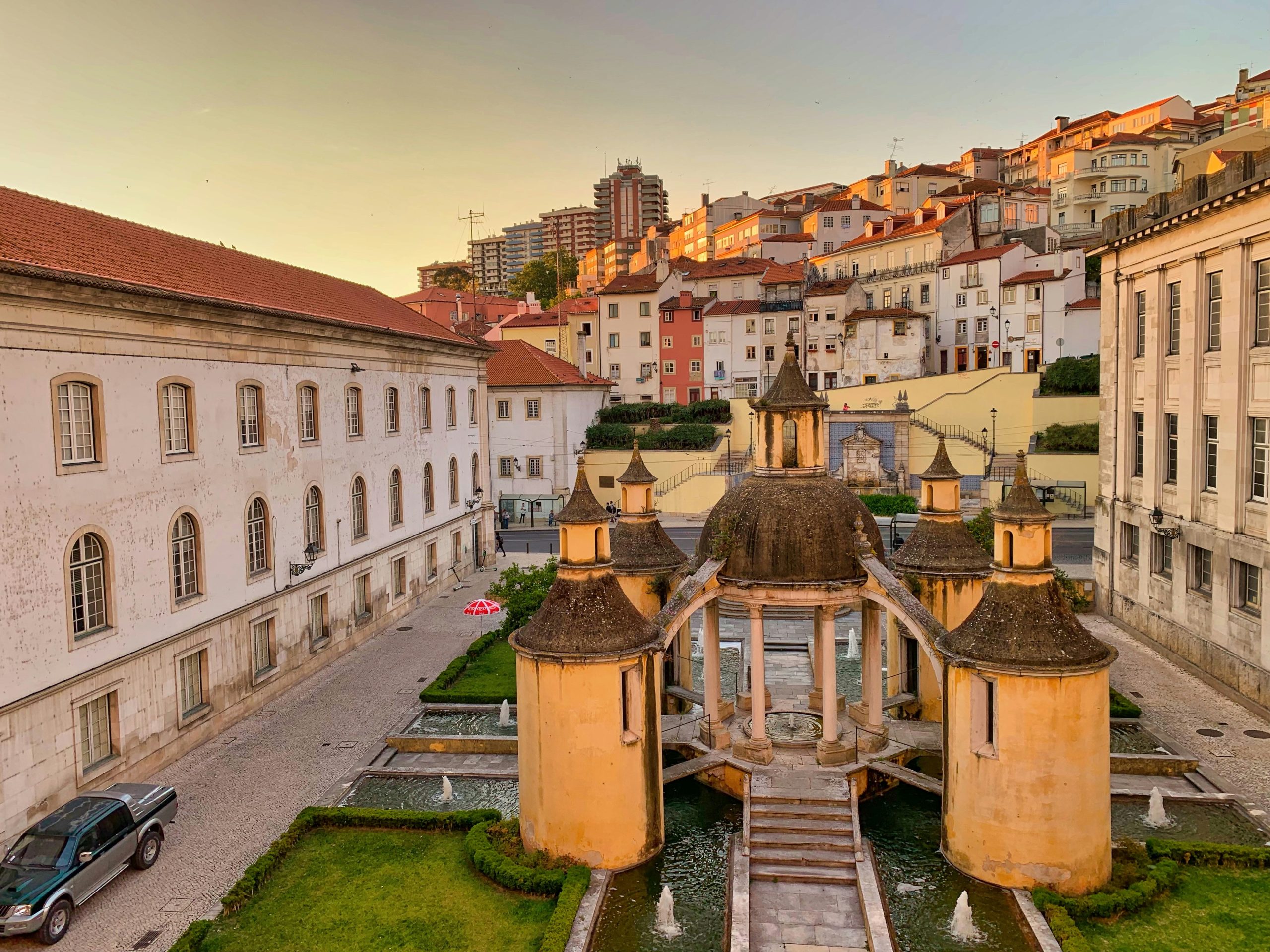
- Santa Clara-a-Velha Monastery – Historic riverside monastery ruins.
- Machado de Castro Museum – Major museum featuring Roman ruins and Portuguese art.
Local Gems
- Queima das Fitas – Iconic student festival celebrating the academic year with parades and parties.
- Coimbra Serenades (Fado) – Traditional student fado performances, often held at night in historic settings.
- Mondego River Walks – Relaxed riverside paths popular for walks and socialising.
- Academic Traditions & Traje Académico – Distinctive student robes and rituals unique to Coimbra.
- Day Trips to Conímbriga – Well-preserved Roman ruins just outside the city.
- Buçaco Forest – Natural park and forested area ideal for day trips and hikes.

Pre-departure Essentials
Documents & Visas: EU/EEA students do not need a visa. Non-EU students require a Portuguese student visa.
Health Insurance: EU students can use EHIC. Non-EU students must arrange private or Portuguese public coverage.
Banking: Major banks include Caixa Geral, Millennium BCP, Novo Banco, and Santander Totta. Online banks like Revolut and N26 are common.
SIM Cards: Vodafone, MEO, and NOS offer student plans from €10–€20/month.
Post-arrival Essentials
Registration: Non-EU students must apply for a residence permit. EU students should register locally if staying longer than three months.
Banking & SIM: Open a Portuguese bank account and arrange a SIM card if needed.
Health & Safety: Emergency number is 112. Pharmacies are widespread and easy to access.
Shopping: Continente, Pingo Doce, Lidl, Aldi, and municipal markets cover most student needs.
Apps: SMTUC (buses), Bolt/Uber, Glovo/Uber Eats, Too Good To Go, and OLX.pt.