


Canberra (Australia)
Destination Overview
Canberra is far more than government buildings. Australia’s capital is a spacious, youthful city built around a beautiful lake and surrounded by hills, bushland and wildlife. Life moves between lively precincts, excellent cafés, free museums, lakeside cycling and relaxed evenings with friends. It is quieter than Australia’s larger capitals, but colourful festivals, distinct seasons and effortless access to nature give the city a character that quickly wins people over.
Quick Facts, Canberra

Climate
Four distinct seasons, with hot summers, colourful autumns, cold frosty winters and changeable spring weather.

Cost of Living
Housing and groceries can be expensive, although free museums, outdoor activities and public transport on Fridays help balance everyday spending.

Lifestyle
Calm and outdoorsy, shaped by cycling, brunch, sport, cultural institutions, bushwalks and weekends exploring the surrounding region.

Vibe
Green, intelligent and understated, with considerably more creativity and energy than its political reputation suggests.

Safety
Generally safe, with winter cold, summer heat, bushfire smoke, wildlife on roads and normal nightlife awareness the main concerns.

Transport
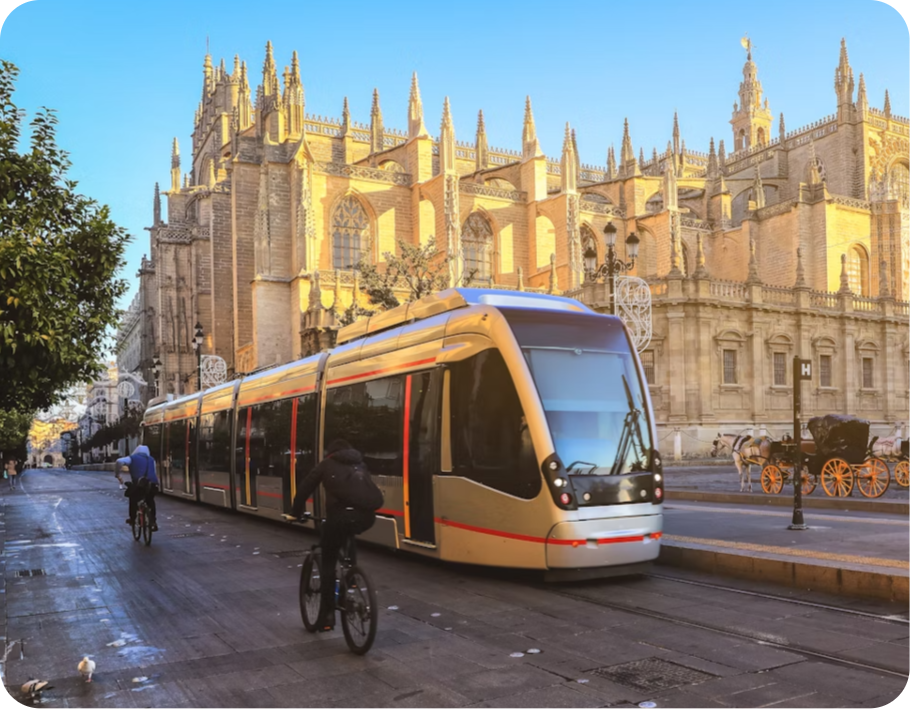
Buses and one light rail corridor serve the city, but Canberra’s dispersed layout makes cycling, route planning or access to a car especially useful.
Areas & Neighbourhoods
1. Canberra City & Braddon
▲Civic brings together shopping, transport, entertainment and much of Canberra’s nightlife. Immediately north, Braddon adds apartments, independent cafés, restaurants and breweries around Lonsdale Street. This is the city’s liveliest central area, with ANU within easy walking distance.
2. Acton & NewActon
▼3. Dickson & the Inner North
▼4. Kingston, Manuka & the Inner South
▼5. Belconnen & Bruce
▼6. Woden, Phillip & Garran
▼7. Gungahlin
▼Transport
Within Canberra

Buses

Light Rail

Cycling

Walking & E-scooters
Domestic & International

Coaches

Flights

Trains
Culture & Lifestyle
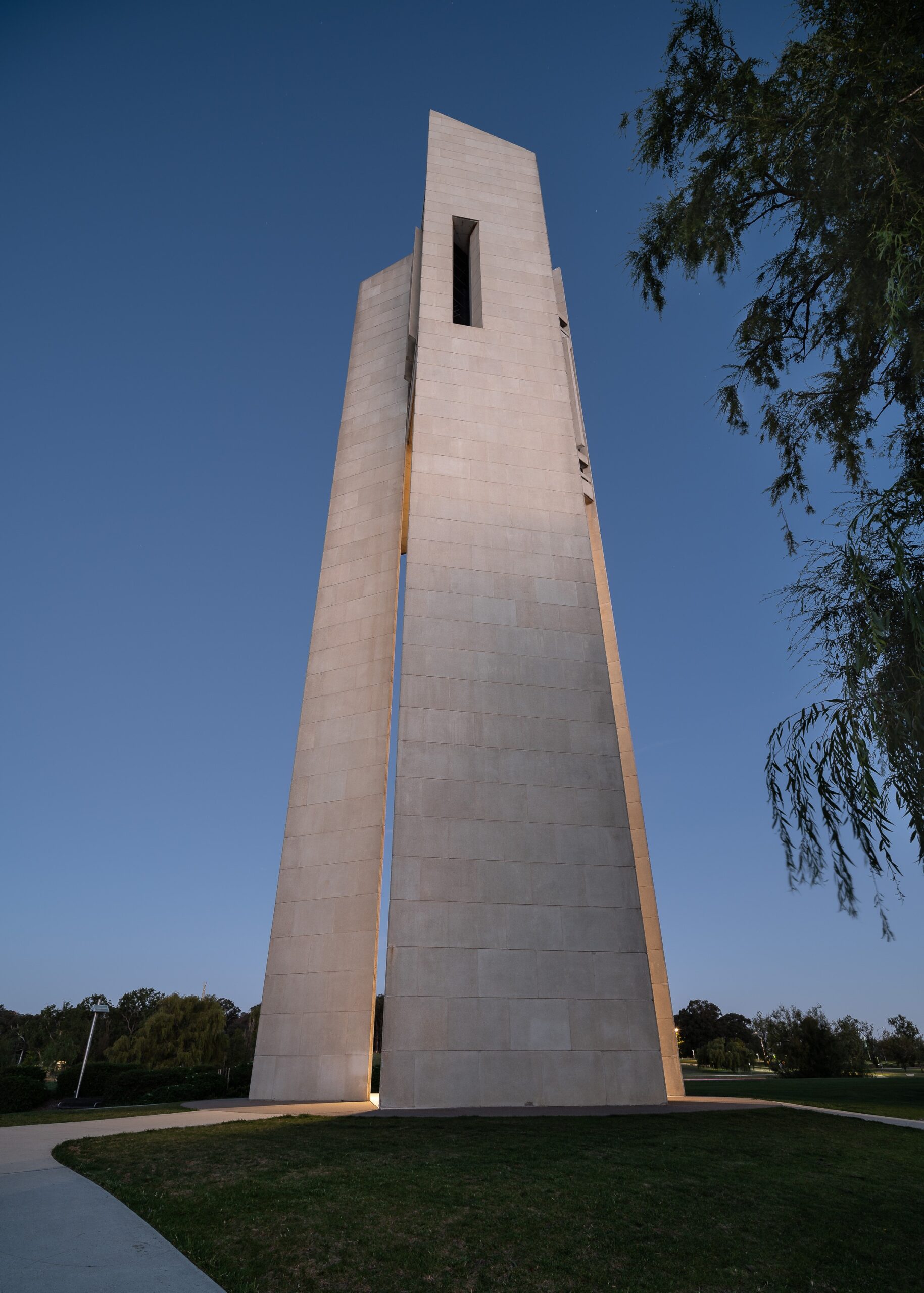
Cost of Living: Canberra offers many free experiences, but housing and groceries can be expensive. Sharing accommodation usually reduces costs, while winter heating, transport and initial household setup need realistic budgeting.
Climate: Canberra has warm to hot summers and frosty winters, with spring blossoms and colourful autumns between them. Strong ultraviolet exposure, high pollen, summer bushfire conditions and occasional smoke are the main seasonal considerations.
Culture: Ngunnawal culture, national institutions and a growing local arts scene shape Canberra. Floriade, Enlighten, the National Multicultural Festival and the Balloon Spectacular bring major bursts of energy throughout the year.
Social & Nightlife: Braddon and Civic lead for bars, pubs, clubs and late-night food, while Kingston, Manuka and Dickson offer calmer evenings. Live music, sport, house gatherings and community events fill out a scene that is sociable but smaller than Sydney or Melbourne.
Lifestyle: Life is spacious, active and easy to organise once Canberra’s layout makes sense. Lake cycling, weekend markets, bushwalks and long café mornings become normal routines, while wineries, the South Coast and the Snowy Mountains provide excellent escapes.
Inclusivity & Safety
LGBTQ+ Community
Canberra has a visible and well-supported LGBTQ+ community.
SpringOUT Pride, inclusive venues and organisations such as Meridian provide connection and support. ACT law protects sexuality, gender identity and sex characteristics, although individual experiences can still vary.





Top Attractions & Local Experiences
Must-Sees
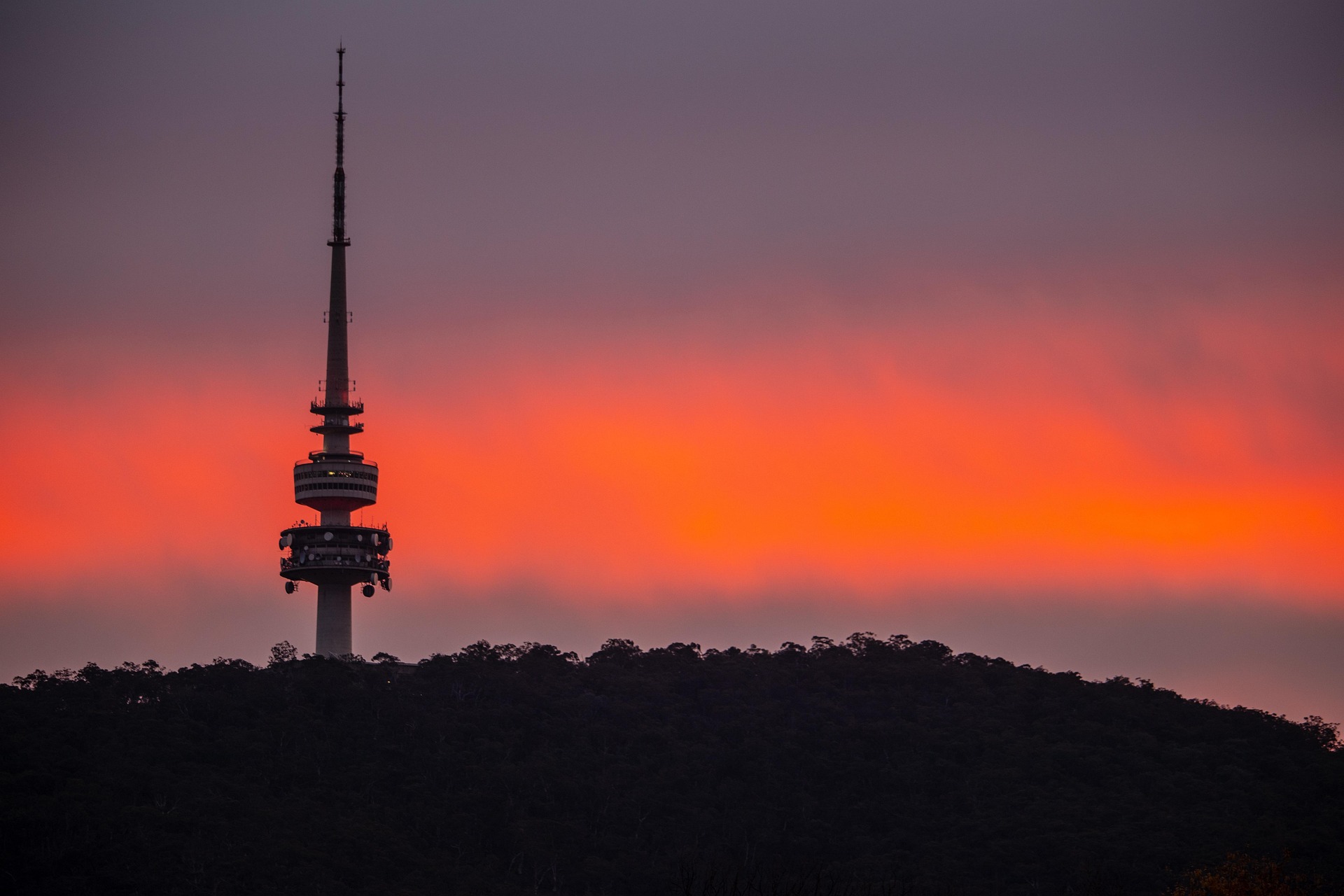
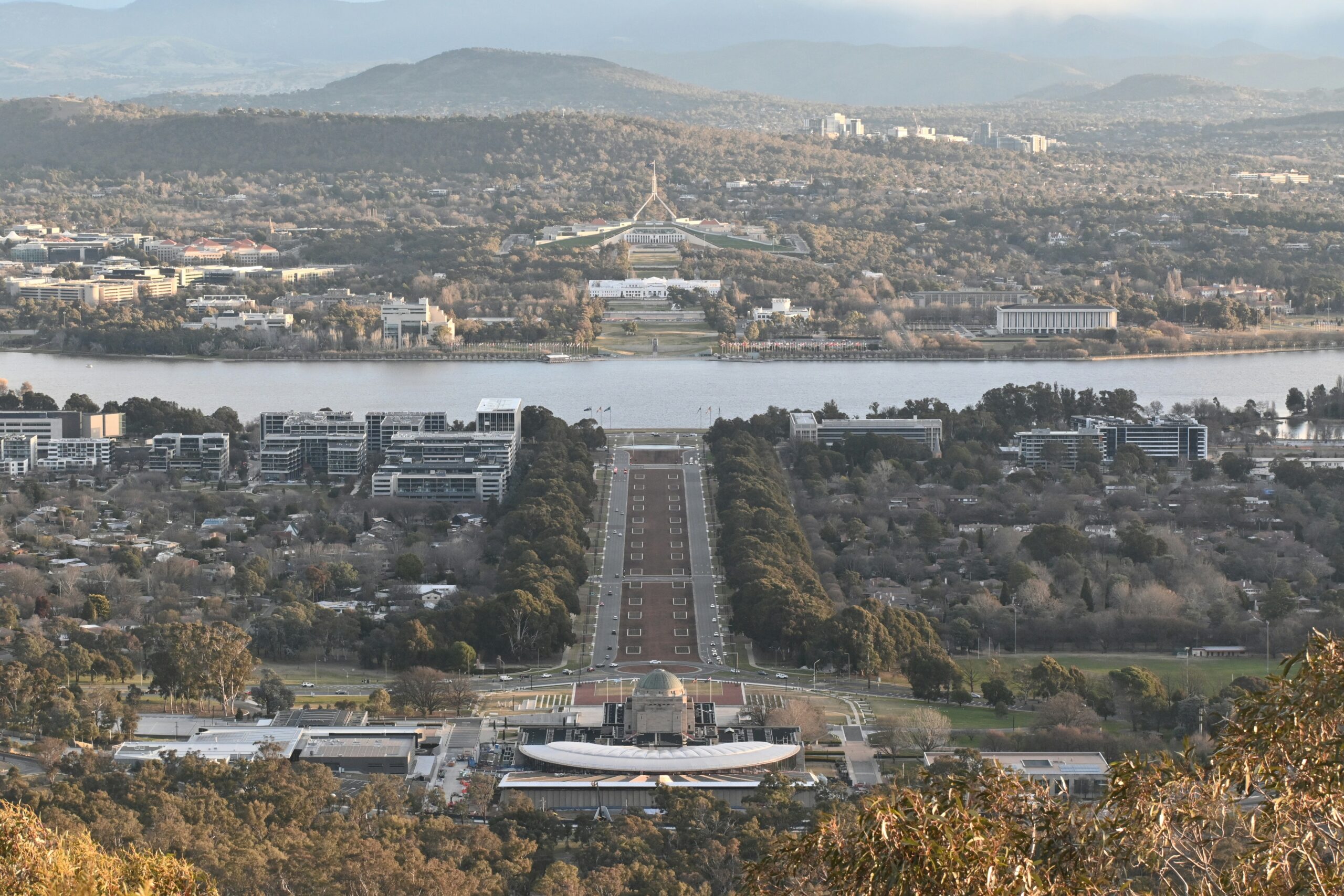
- Australian Parliament House – Politics and rooftop views.
- Australian War Memorial – Galleries and the Last Post Ceremony.
- National Gallery of Australia – Landmark Australian art.
- National Museum of Australia – Stories shaping the nation.
- Lake Burley Griffin – Waterfront walks, cycling and sunsets.
- Mount Ainslie Lookout – Canberra’s classic city panorama.
- Questacon – Hands-on science and interactive exhibits.
- National Arboretum Canberra – Rare forests and sweeping views.
Local Gems
- Haig Park Village Markets – Sunday food, produce and crafts.
- Old Bus Depot Markets – Local food, art and creative stalls.
- Smith’s Alternative – Intimate gigs, comedy and spoken word.
- Dairy Road – Creative businesses, food, beer and bouldering.
- Kambri at ANU – Free talks, events and outdoor concerts.
- Lake Ginninderra – Lakeside picnics, paddling and cycling.
- Black Mountain – Native gardens, bush tracks and wildlife.

Pre-departure Essentials
Documents & Visas: Most international students spending a semester or longer in Australia require a Student visa, subclass 500. Secure your Confirmation of Enrolment before applying through ImmiAccount. Check current financial, English, Genuine Student and health requirements, especially if applying from within Australia or including family members.
Health & Insurance: Student visa holders normally need approved Overseas Student Health Cover for their entire stay, including accompanying dependants. Compare waiting periods, exclusions, ambulance cover and gap fees, and consider separate travel insurance for belongings and cancellations.
Accommodation: Choose your area before searching for rooms and use Google Maps to check real commute times. Book through All Abroad to help avoid scams.
Banking & Money: Set up an Australian bank account after arriving. Commonwealth Bank, ANZ, NAB and Westpac are common options. Bring your passport, Australian address and tax identification details.
SIM & Connectivity: Buy a prepaid SIM or eSIM after arriving. Confirm your phone is unlocked, bring identification and compare Telstra, Optus, Vodafone and cheaper providers using their networks.
Post-arrival Essentials
Registration & Residency: Australia has no general arrival registration for most international students. However, visa condition 8533 normally requires you to give your education provider your residential address within seven days and report later changes within seven days. Check VEVO for any additional conditions.
Healthcare & Safety: Activate your OSHC account, find a nearby GP and pharmacy, and understand claims and gap fees. Call 000 for emergencies or healthdirect on 1800 022 222 for non-emergency health advice.
Transport Setup: Create a MyWay+ account and register your tertiary concession, then link a MyWay+ card or eligible Visa or Mastercard. Full-time tertiary fares are AUD $1.71, with free travel after 30 paid trips in a calendar month. Carry student ID and always tap on and off using the same method.
Shopping: Coles, Woolworths, Aldi, Supabarn and IGA cover groceries, while Dickson and Fyshwick are useful for specialist food. Kmart, Big W, IKEA, op shops and resale groups offer affordable household basics.
Apps: Useful apps include Moovit (public transport), Glovo (food delivery), Wallapop (second-hand items), and Bizum (mobile payments).