


Budapest (Hungary)
Destination Overview
Budapest, the capital of Hungary, is a dynamic and affordable student city that straddles the River Danube. Famous for its thermal baths, historic architecture, and vibrant nightlife, Budapest is also home to top universities such as Eötvös Loránd University (ELTE), Budapest University of Technology and Economics, and Central European University. With a large Erasmus community, low living costs, and a buzzing cultural life, Budapest is one of Central Europe’s most attractive student destinations.
Quick Facts, Budapest

Climate
Continental climate with cold winters and hot summers. Spring and autumn are mild and pleasant.

Cost of Living
Very affordable by European standards. Student room rentals typically range from €250–€450 per month, with weekly grocery costs around €25–40.

Lifestyle
Social, budget-friendly, and student-heavy, with late nights, café culture, and outdoor life in warmer months.

Vibe
Historic and grand by day, lively and party-oriented by night — especially on the Pest side.

Safety
Generally safe, with low violent crime. Pickpocketing can occur in busy tourist and nightlife areas.

Transport
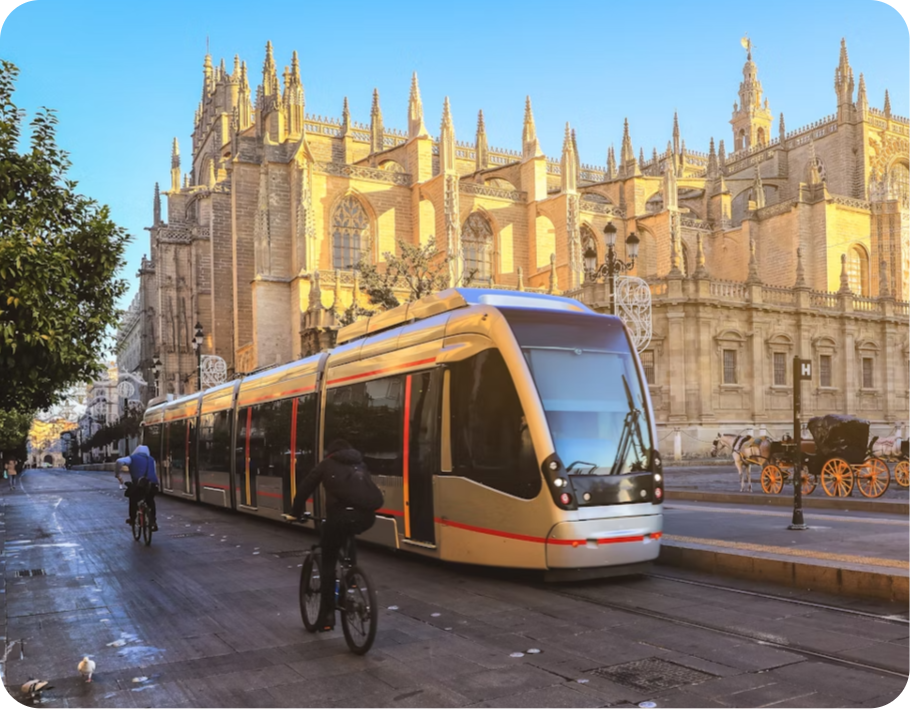
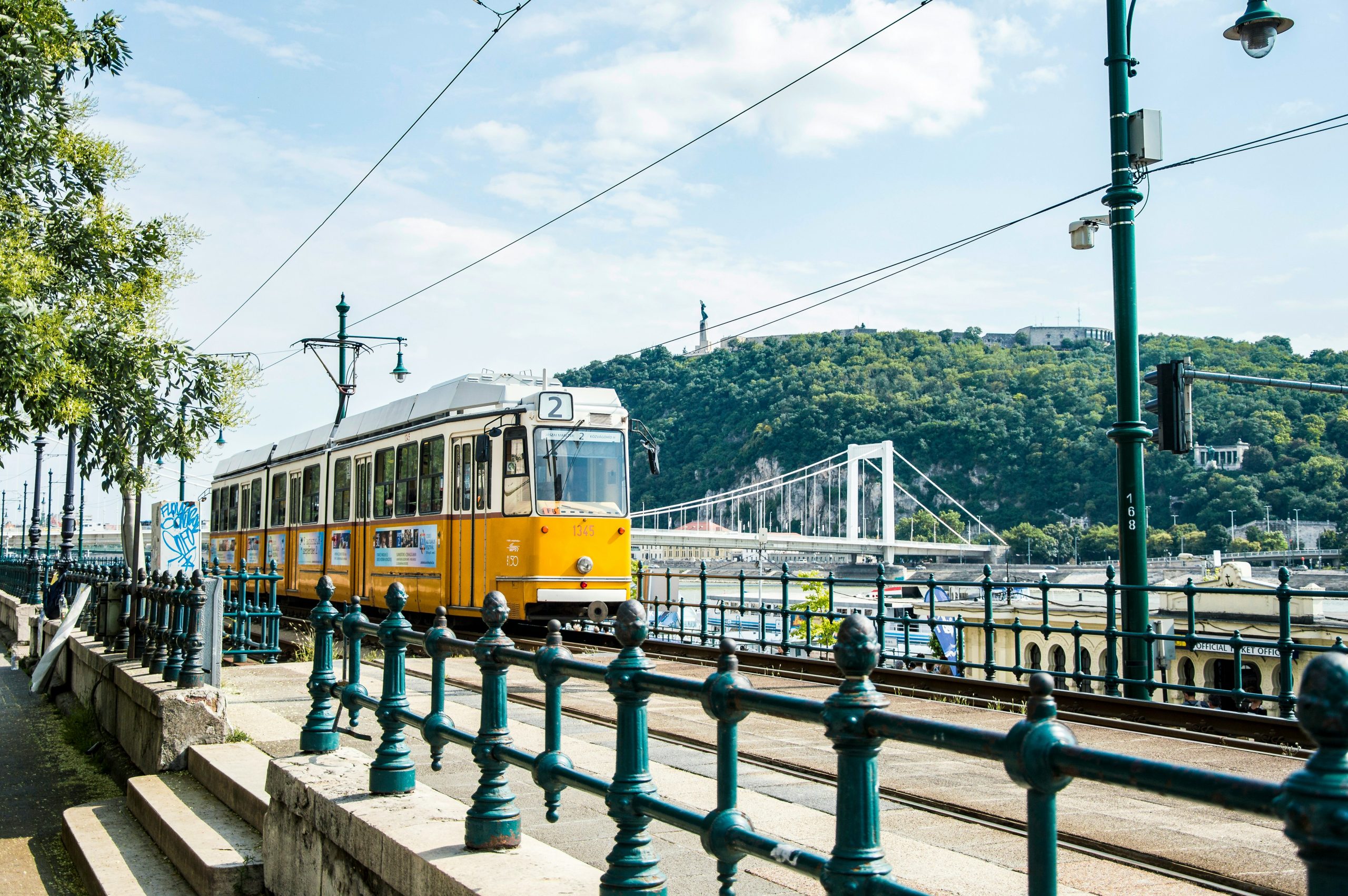
Cheap, extensive public transport with metro, trams, and buses running frequently.
Areas & Neighbourhoods
1. District V (Belváros–Lipótváros)
▲Central and polished, home to Parliament and many cafés, bars, and offices. Very convenient but among the most expensive districts for students.
2. District VII (Erzsébetváros / Jewish Quarter)
▼3. District VIII (Józsefváros)
▼4. District IX (Ferencváros)
▼5. District XI (Újbuda)
▼6. District XIII (Újlipótváros)
▼7. District I (Castle District / Várnegyed)
▼Transport
Within Budapest

Metro

Trams / Buses

Cycling / Scooters
Domestic & International

Bus

Airport

Train
Culture & Lifestyle
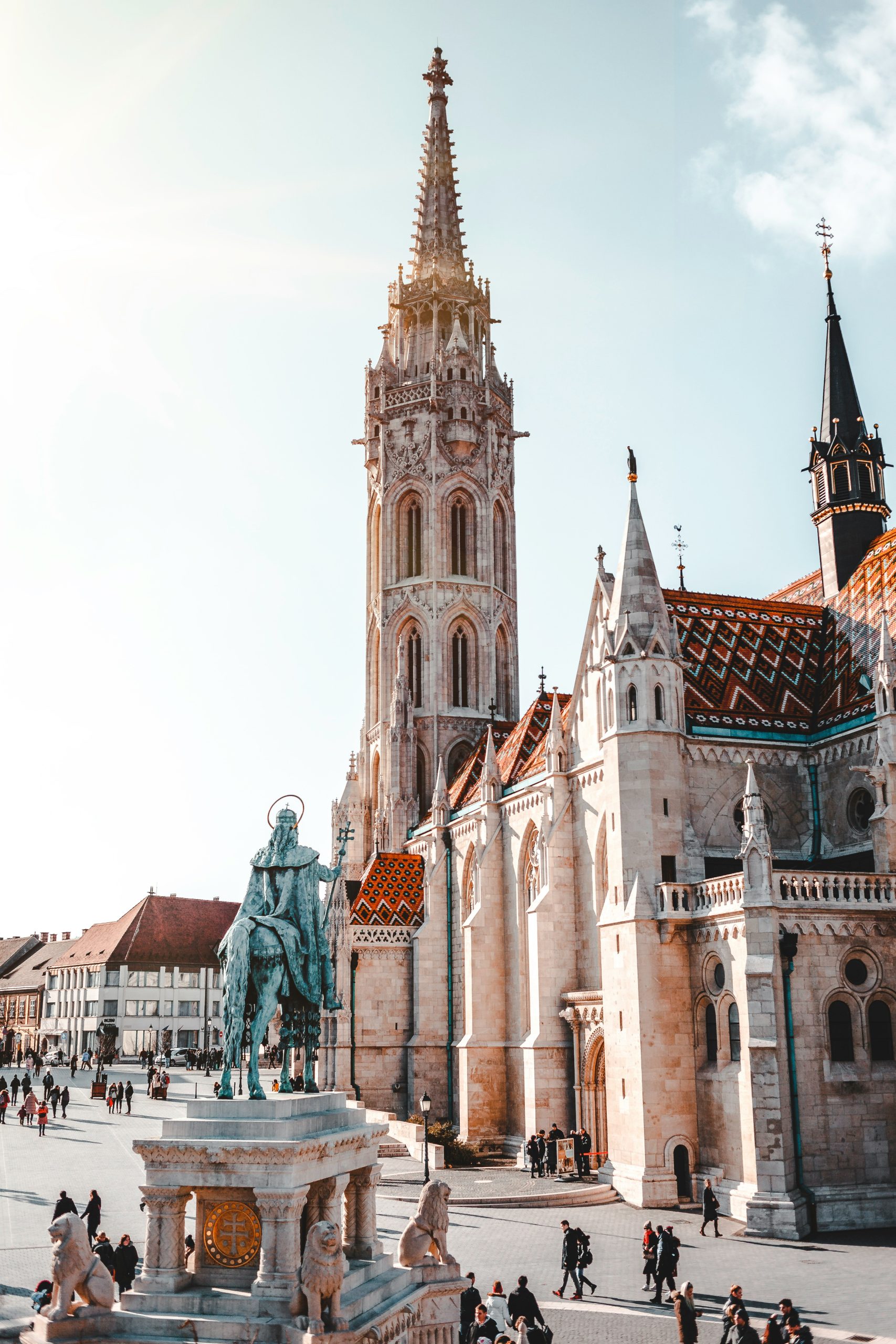
Cost of Living: Shared accommodation typically costs €250–€450 per month, with studios usually €500–€750 depending on location. Meals cost €6–10, coffee around €2, and beer €2–3. Weekly groceries average €25–40.
Climate: Cold winters (–2 to 5°C), hot summers (25–35°C), and mild spring and autumn seasons.
Culture: A blend of Hungarian, Ottoman, and Austro-Hungarian influences. Budapest is known for music festivals, historic cafés, bath culture, and a strong arts scene.
Social & Nightlife: Legendary nightlife centred around District VII, with ruin bars, clubs, and late-night venues. Thermal baths, outdoor festivals, and riverside bars are also popular with students.
Lifestyle: Affordable, fun, and social, with a strong international student presence and plenty of cultural and entertainment options on a student budget.
Inclusivity & Safety
LGBTQ+ Community
Budapest has a visible LGBTQ+ scene, particularly in the city centre and District VII, and Pride is held annually. However, Hungary as a whole is more socially conservative, and experiences may vary outside central areas.




Top Attractions & Local Experiences
Must-Sees
- Parliament Building – Iconic neo-Gothic landmark on the Danube.
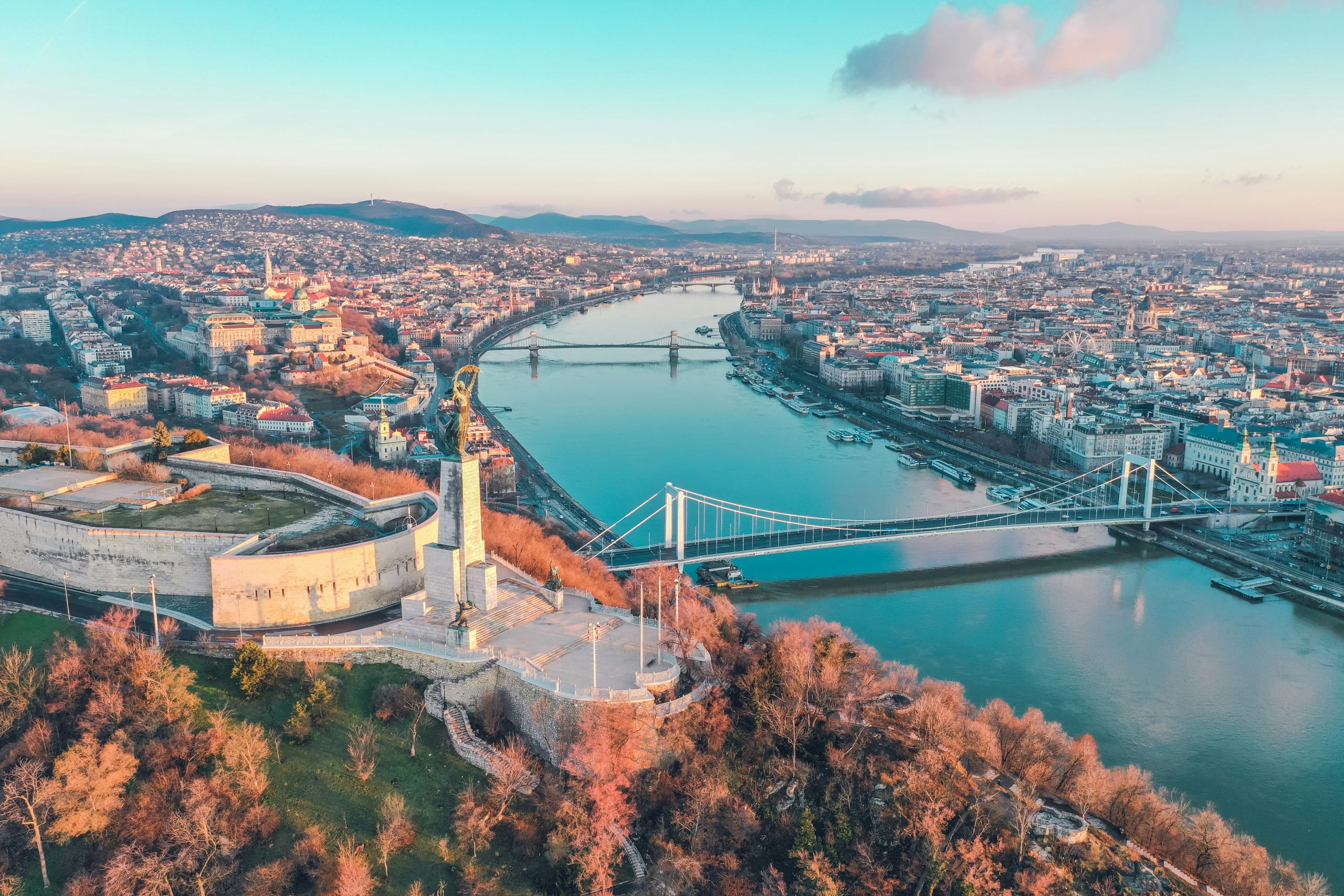
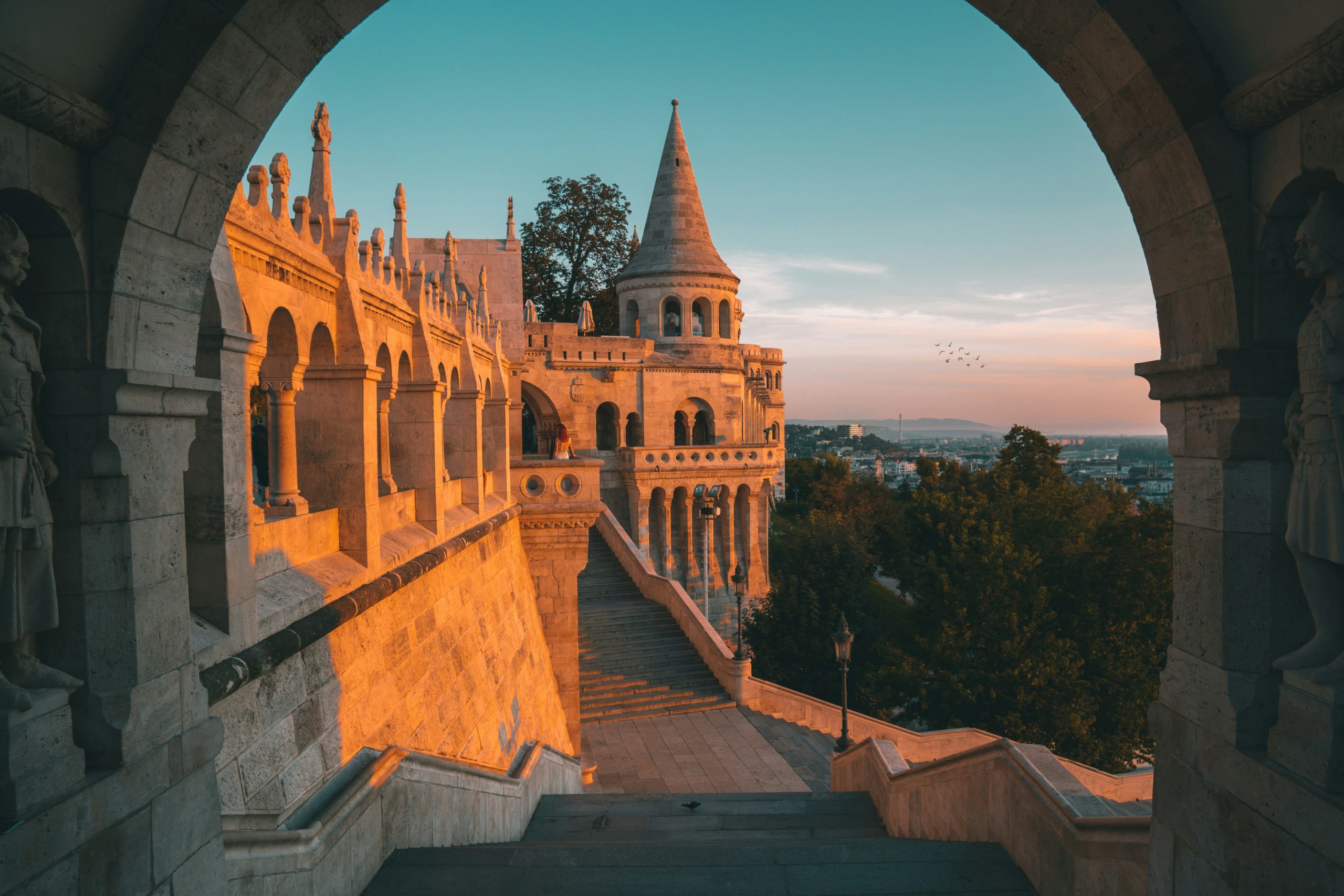
- Buda Castle & Fisherman’s Bastion – Historic hilltop complex with panoramic views.
- St. Stephen’s Basilica – Central cathedral and viewpoint.
- Chain Bridge – Famous crossing linking Buda and Pest.
- Széchenyi Thermal Baths – Budapest’s most famous spa experience.
- Great Market Hall – Traditional food market.
Local Gems
- Ruin bars in District VII – Especially Szimpla Kert and nearby venues.
- Gellért Hill – Sunset views over the city.
- Margaret Island – Green escape for running, picnics, and summer events.
- Rudas Baths – Historic Ottoman-era thermal baths.
- Street food at Karaván – Affordable student-friendly eats.
Pre-departure Essentials
Documents & Visas: EU/EEA students do not need a visa. Non-EU students must apply for a Hungarian student residence permit before arrival.
Health Insurance: EU students can use a valid EHIC. Non-EU students must arrange private health insurance or access Hungarian public healthcare via a TAJ card if eligible.
Banking: Main banks include OTP, K&H, and Erste Bank. Many students also use Revolut or Wise.
SIM Cards: Telekom, Vodafone, and Yettel offer prepaid and monthly plans, typically €8–15.
Post-arrival Essentials
Registration: Students staying longer than 90 days must register their address and complete residence permit requirements.
Banking & SIM: Open a Hungarian bank account and purchase a local SIM card if not arranged beforehand.
Health & Safety: Emergency services are accessed via 112. Pharmacies are widespread across the city.
Shopping: Common supermarkets include Spar, Tesco, Lidl, and Aldi.
Apps: Useful apps include BKK Futár (public transport), Bolt (ride-hailing), Wolt (food delivery), Jófogás (second-hand items), and Revolut (payments).