


Brussels (Belgium)
Destination Overview
Brussels, the capital of Belgium and the European Union, is a multilingual, multicultural city with a strong international presence. It’s home to major EU institutions, international organisations, and universities such as Université libre de Bruxelles (ULB) and Vrije Universiteit Brussel (VUB). Students are drawn to Brussels for its cosmopolitan atmosphere, central location in Europe, and mix of historic charm and modern city life. The cost of living is lower than Paris or Amsterdam but higher than other Belgian cities.
Quick Facts, Brussels

Climate
Temperate maritime climate with mild, wet winters and cool summers. Rain is common year-round, so waterproof clothing is essential.

Cost of Living
Moderate for a European capital. Rooms in shared flats typically cost €500–€700 per month, with weekly groceries around €50–€70.

Lifestyle
International and city-focused, shaped by students, EU workers, and expats. Social life centres on cafés, bars, parks, and cultural events.

Vibe
Cosmopolitan, multilingual, and youthful. Brussels feels busy and global during the week, with a more relaxed pace on weekends.

Safety
Generally safe, with low violent crime. Petty theft can occur in busy areas and major stations, so normal precautions apply.

Transport
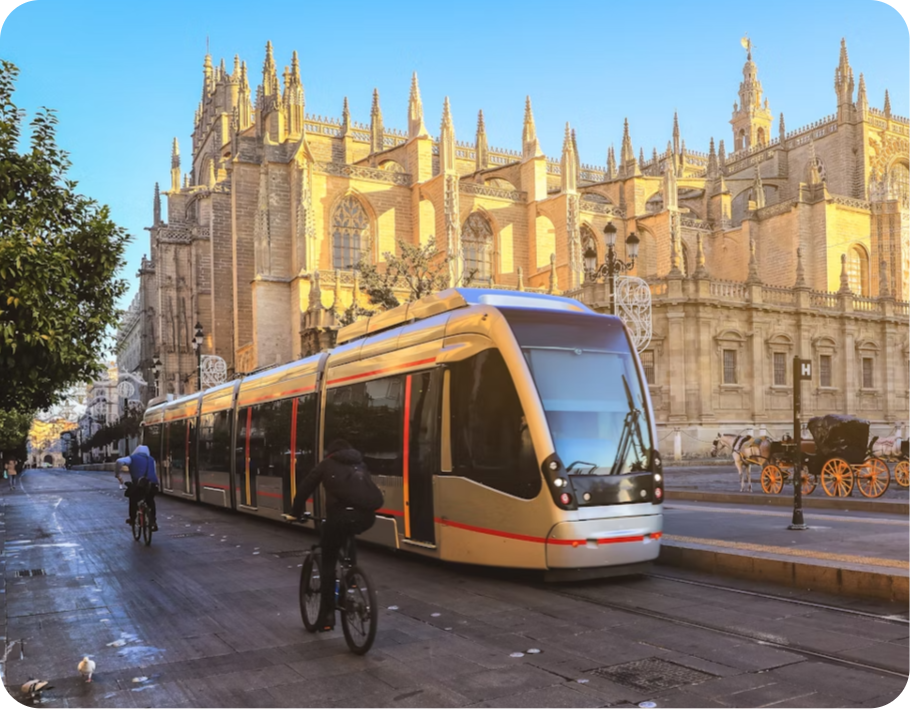
Efficient and affordable public transport including metro, trams, buses, and cycling. No car needed for daily life.
Areas & Neighbourhoods
1. City Centre (Pentagone)
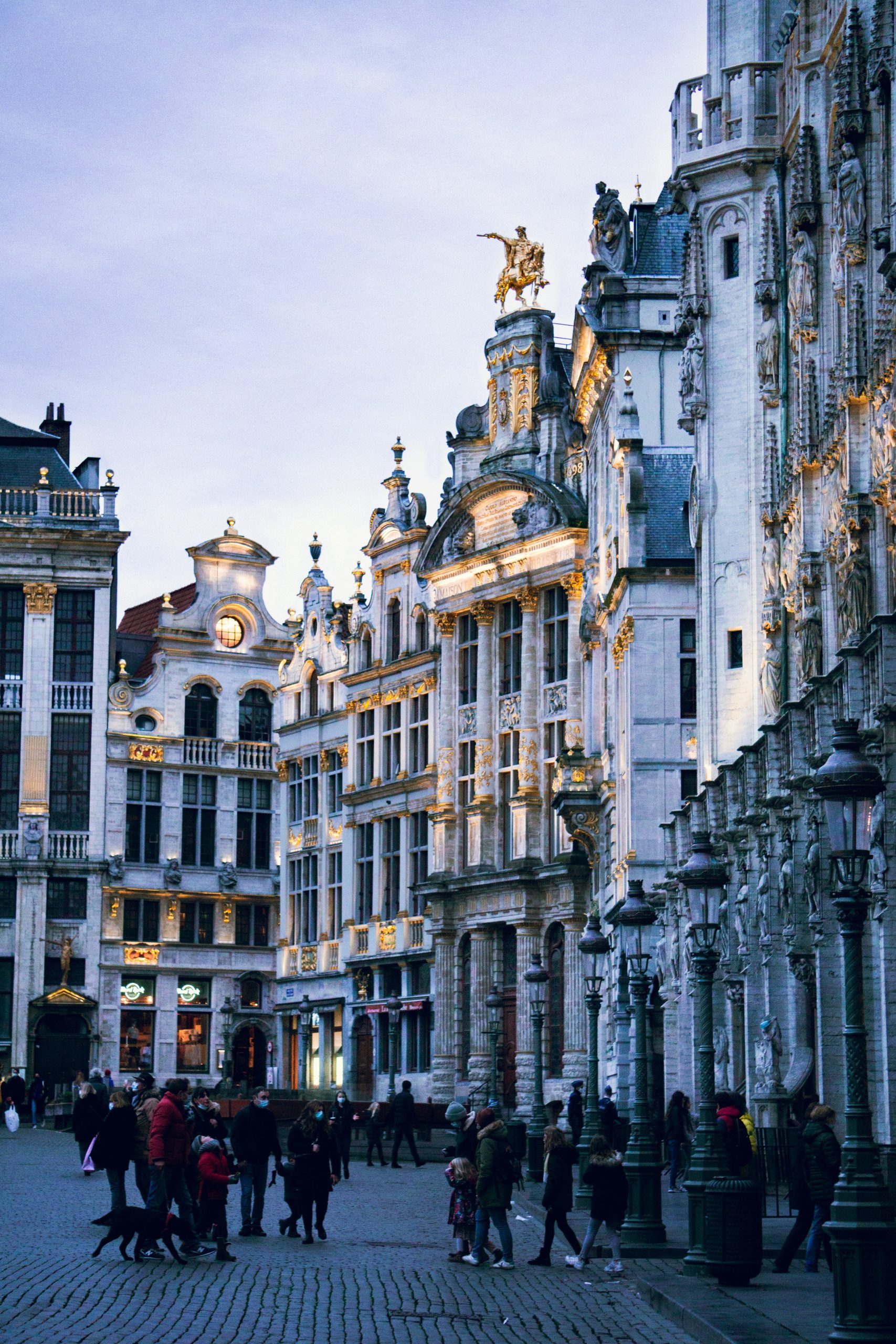
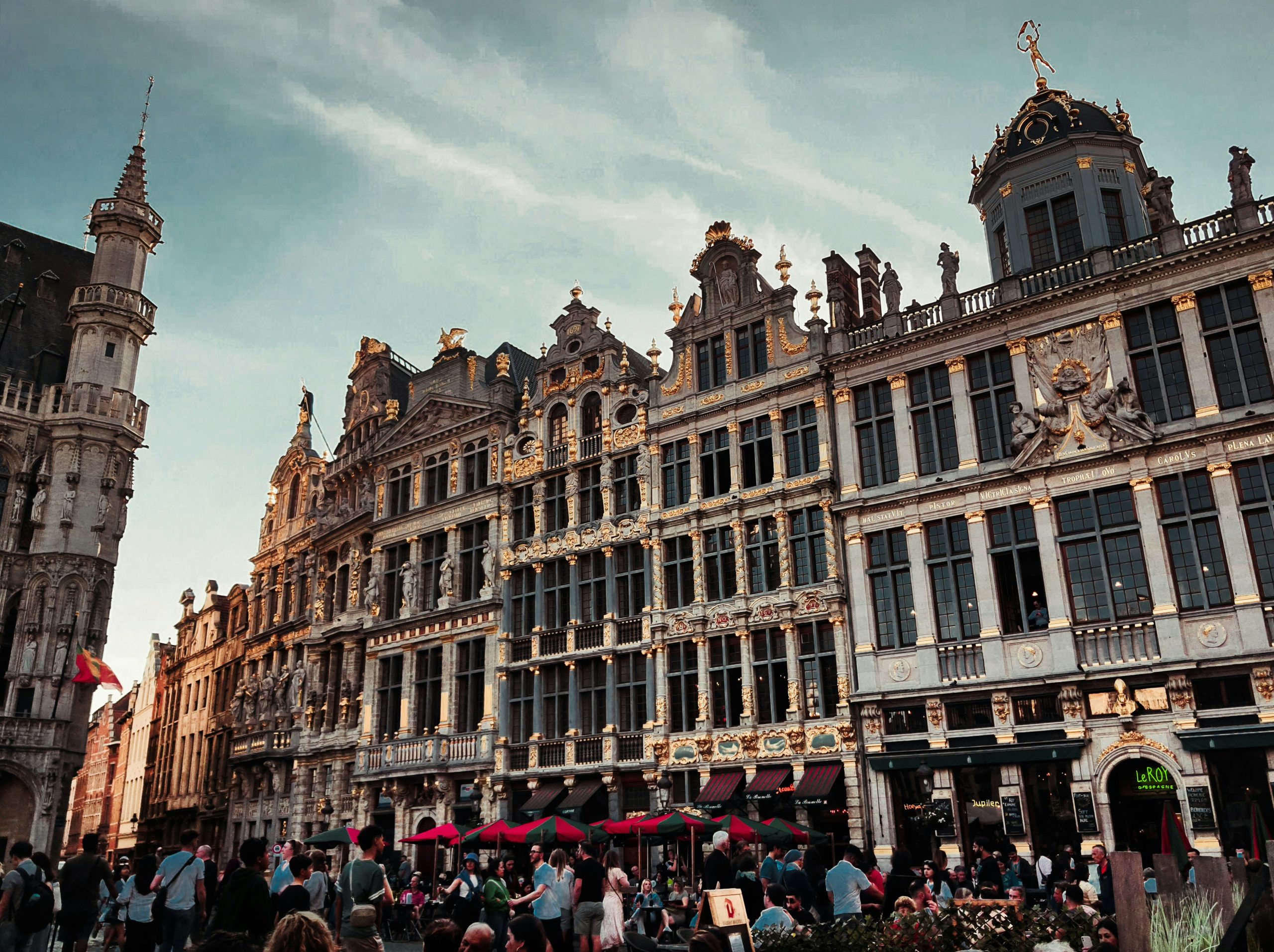
▲The historic heart of Brussels, home to the Grand Place, shops, restaurants, and nightlife. Central and vibrant, but tourist-heavy and more expensive. Best for short stays or those who want to live in the middle of everything.
2. Ixelles (Elsene)
▼3. Saint-Gilles
▼4. Etterbeek
▼5. European Quarter
▼6. Schaerbeek
▼7. Anderlecht
▼Transport
Within Brussels

Metro

Trams / Buses

Bikes / Scooters
Domestic & International

Bus

Airport

Train
Culture & Lifestyle
Cost of Living: Shared flats €500–€700/month, studios €900+. Meals €12–18, coffee €3, beer €3–5. Groceries typically €50–€70/week.
Climate: Mild but often rainy. Winters are cool (0–7°C), summers comfortable (20–25°C).
Culture: Blend of Flemish and French influences, with rich architecture, museums, and political institutions. Famous for comics, beer, chocolate, fries, and waffles.
Social & Nightlife: Student nightlife centres around Ixelles, Saint-Gilles, and the city centre. Mix of pubs, bars, clubs, and international crowds.
Lifestyle: Bilingual (French/Dutch), but English widely spoken. International, political, and cultural, with parks, cafés, and frequent festivals.
Inclusivity & Safety
LGBTQ+ Community
Very LGBTQ+ friendly, with Belgian Pride and venues centred around the Saint-Jacques area near the Grand Place.



Top Attractions & Local Experiences
Must-Sees
- Grand Place – UNESCO-listed central square.
- Atomium – Futuristic landmark with panoramic views.
- Magritte Museum – Surrealist art collection.
- Bozar – Leading centre for exhibitions and concerts.
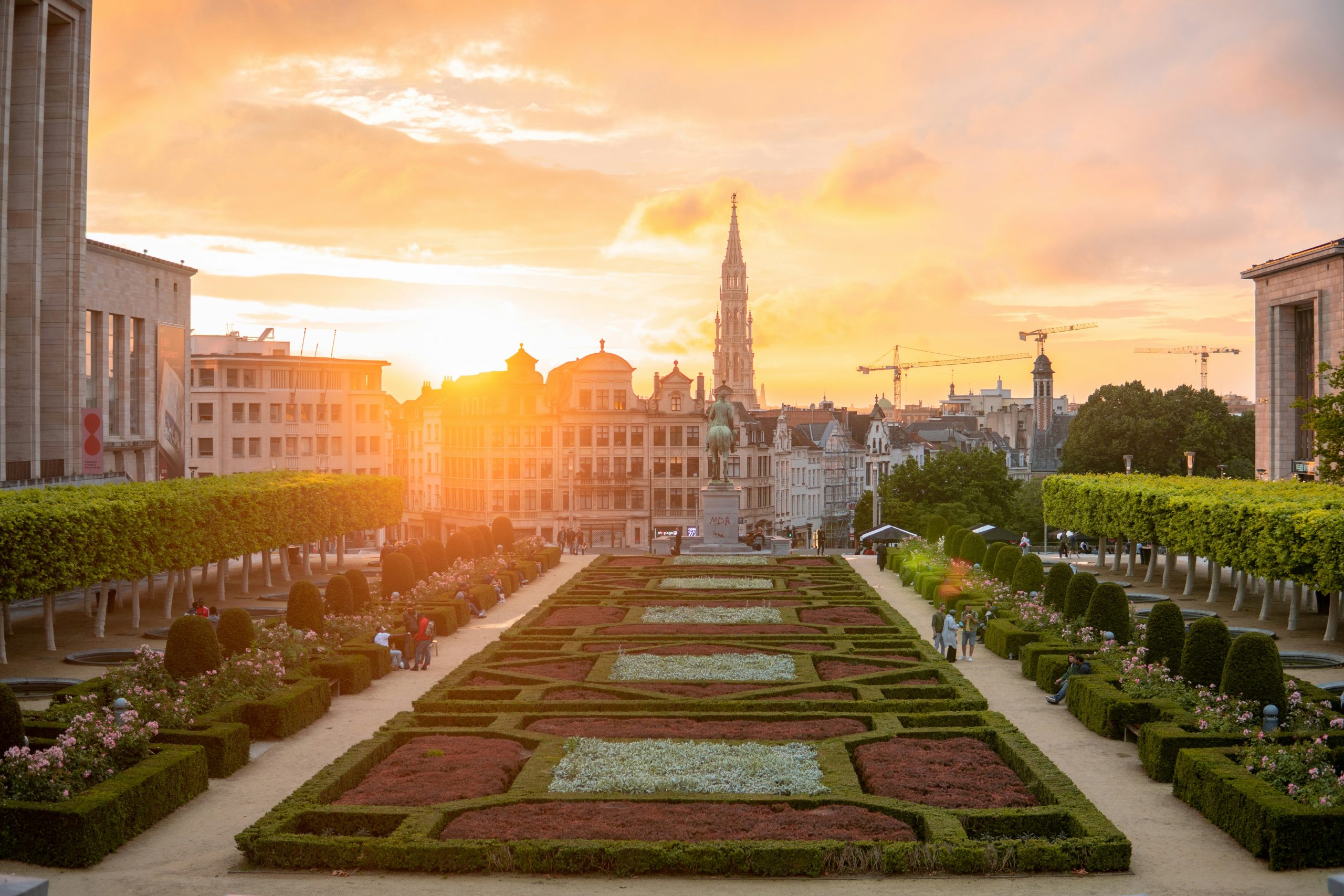
- Mont des Arts – Cultural hub with city viewpoints.
- Parc du Cinquantenaire – Monumental park and museums.
Local Gems
- Flagey & Ixelles Ponds – Popular student hangout.
- Place du Luxembourg (“Plux”) – After-class drinks hub.
- Saint-Géry – Central bars and markets.
- Delirium Café – Famous for its beer selection.
- Comic Strip Route – Street murals across the city.
- Marolles District – Flea market and vintage shops.
- Belgian snack culture – Fries, waffles, and local beers.

Pre-departure Essentials
Documents & Visas: EU/EEA students don’t need a visa to study in Belgium. Non-EU students must apply for a Belgian student visa (Type D) in advance, usually requiring proof of university admission, sufficient funds, accommodation, and health insurance.
Health Insurance: EU students can use their EHIC for basic healthcare. Non-EU students must register with a Belgian health fund (mutuelle) after arrival or arrange approved private health insurance. Universities often help students with registration.
Banking: Major Belgian banks include BNP Paribas Fortis, ING, and KBC. Online banks such as Revolut and N26 are widely used by students and are often quicker to set up. A Belgian bank account may be required for rent payments or part-time work.
SIM Cards: Proximus, Orange, Base, and Lycamobile offer prepaid and monthly plans from €10–20. SIM cards are easy to buy in shops and supermarkets, and coverage is good across the city.
Post-arrival Essentials
Registration: All students must register at their local commune within 8 days of arrival. You’ll need proof of address (rental contract or student housing confirmation), passport, and university documents.
Banking & SIM: If required, open a Belgian bank account after registration and activate your SIM card. Some banks require proof of address and residence registration.
Health & Safety: The emergency number in Belgium is 112. Pharmacies (pharmacie/apotheek) are widespread and clearly marked, and hospitals and health centres are easily accessible in Brussels.
Shopping: Carrefour, Delhaize, Colruyt, Lidl, and Aldi cover most grocery needs. Many supermarkets close on Sundays, but smaller shops, markets, and convenience stores often remain open.
Apps: STIB-MIVB (public transport and tickets), Too Good To Go (discounted food), Deliveroo and Uber Eats (delivery), Payconiq (cashless payments), Villo! (bike sharing), and Bolt/Uber (ride-hailing).