


Brisbane (Australia)
Destination Overview
Brisbane, the capital of Queensland, is one of Australia’s most relaxed and student-friendly cities. Known for its warm climate, riverfront lifestyle, and welcoming atmosphere, it offers a slower pace than Sydney or Melbourne while still providing strong universities, nightlife, and career opportunities. With major institutions including the University of Queensland, QUT, and Griffith University, ty, Brisbane has a large international student community and an outdoors-focused lifestyle centred around sunshine, cafes, parks, and nearby beaches.
Quick Facts, Brisbane

Climate
Brisbane has a warm subtropical climate, with hot summers, mild winters, and sunshine throughout most of the year.

Cost of Living
Brisbane is generally more affordable than Sydney and Melbourne, with shared student accommodation often costing around AUD $250–$400 per week.

Lifestyle
The city has a relaxed outdoor lifestyle centred around riverside living, fitness, cafes, parks, and weekend trips to beaches or nature spots.

Vibe
Brisbane feels friendly, laid-back, youthful, and less hectic than Australia’s larger southern cities.

Safety
Brisbane is generally considered very safe for students, with low violent crime rates and good public infrastructure.

Transport
Brisbane has strong bus, train, and ferry networks, with ferries forming a major part of daily transport around the river.
Areas & Neighbourhoods
1. Brisbane City
▲Compact, walkable, and full of shops, offices, restaurants, and nightlife. Convenient for QUT Gardens Point students and city-based internships, although accommodation is more expensive and less residential.
2. South Bank
▼3. West End
▼4. St Lucia
▼Toowong
▼6. Fortitude Valley
▼7. New Farm
▼8. Kangaroo Point
▼9. Woolloongabba
▼Transport
Within Brisbane

Trains

Buses

Ferries

Cycling
Domestic & International

Bus

Airport

Ferries and Day Trips
Culture & Lifestyle
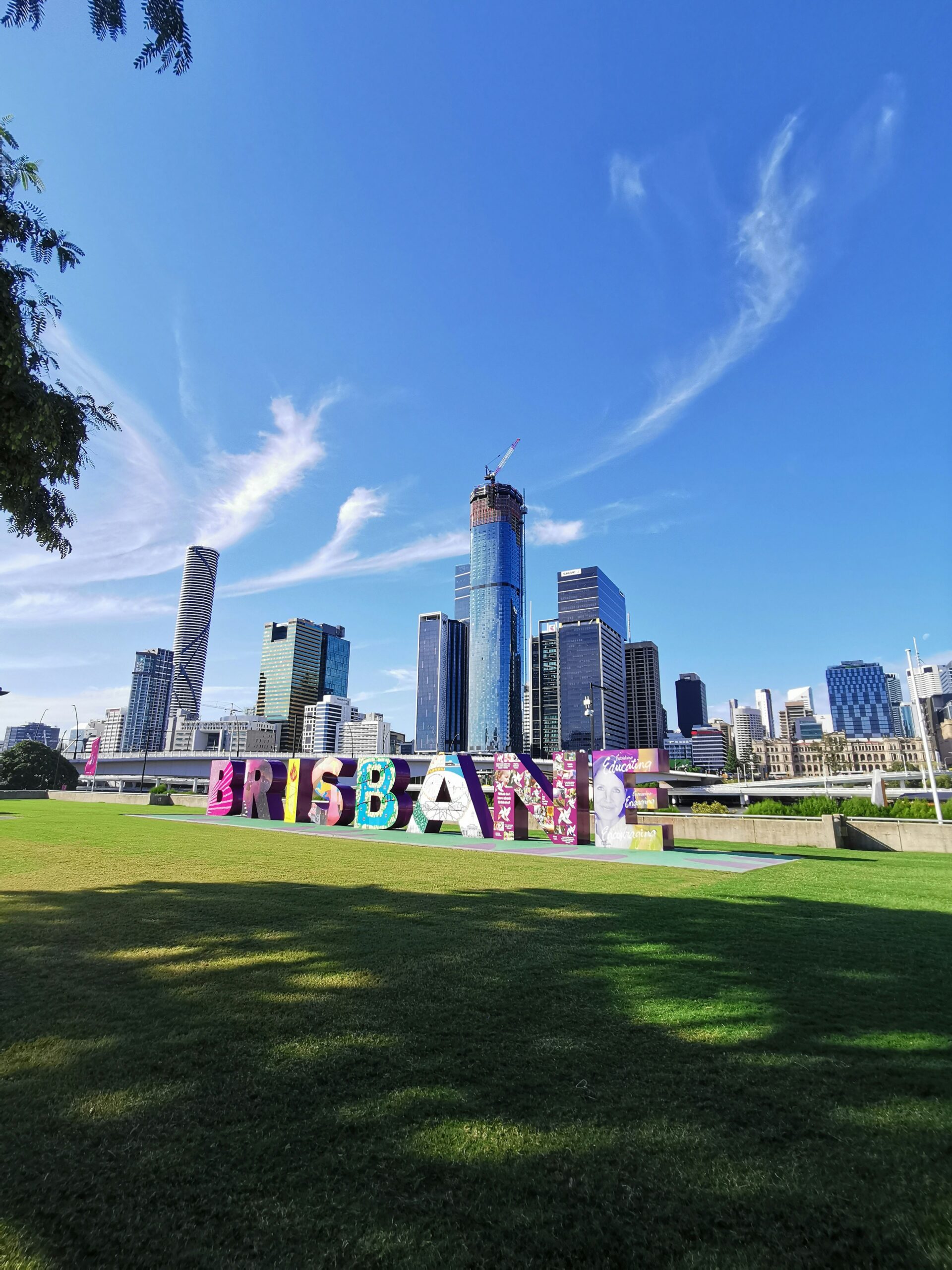
Cost of Living: Brisbane is generally more affordable than Sydney and Melbourne, although costs have risen in recent years. Shared accommodation often costs around AUD $250–$400 per week, while studio apartments are usually around AUD $400–$600 depending on area and quality. Everyday expenses are moderate by Australian standards, with coffees around AUD $5, meals around AUD $15–25, beers around AUD $9, and weekly groceries typically around AUD $70–100.
Climate: Brisbane has a subtropical climate with hot, humid summers and mild, dry winters. Summer temperatures often reach 25–33°C, while winter is generally sunny and mild.
Culture: Brisbane has a growing reputation for live music, food culture, galleries, festivals, and creative spaces. South Bank, West End, and Fortitude Valley are some of the city’s main cultural hubs.
Social & Nightlife: Fortitude Valley is Brisbane’s main nightlife district, while West End and South Bank offer a more relaxed social atmosphere with bars, restaurants, markets, and live music venues.
Lifestyle: Brisbane’s lifestyle is heavily centred around outdoor living, fitness, socialising, and the riverfront. Students often spend weekends exploring beaches, national parks, islands, and nearby coastal destinations.
Inclusivity & Safety
LGBTQ+ Community
Brisbane is generally very LGBTQ+ friendly, with inclusive nightlife, community spaces, and events such as Brisbane Pride. Fortitude Valley and West End are especially known for inclusive social scenes.



Top Attractions & Local Experiences
Must-Sees
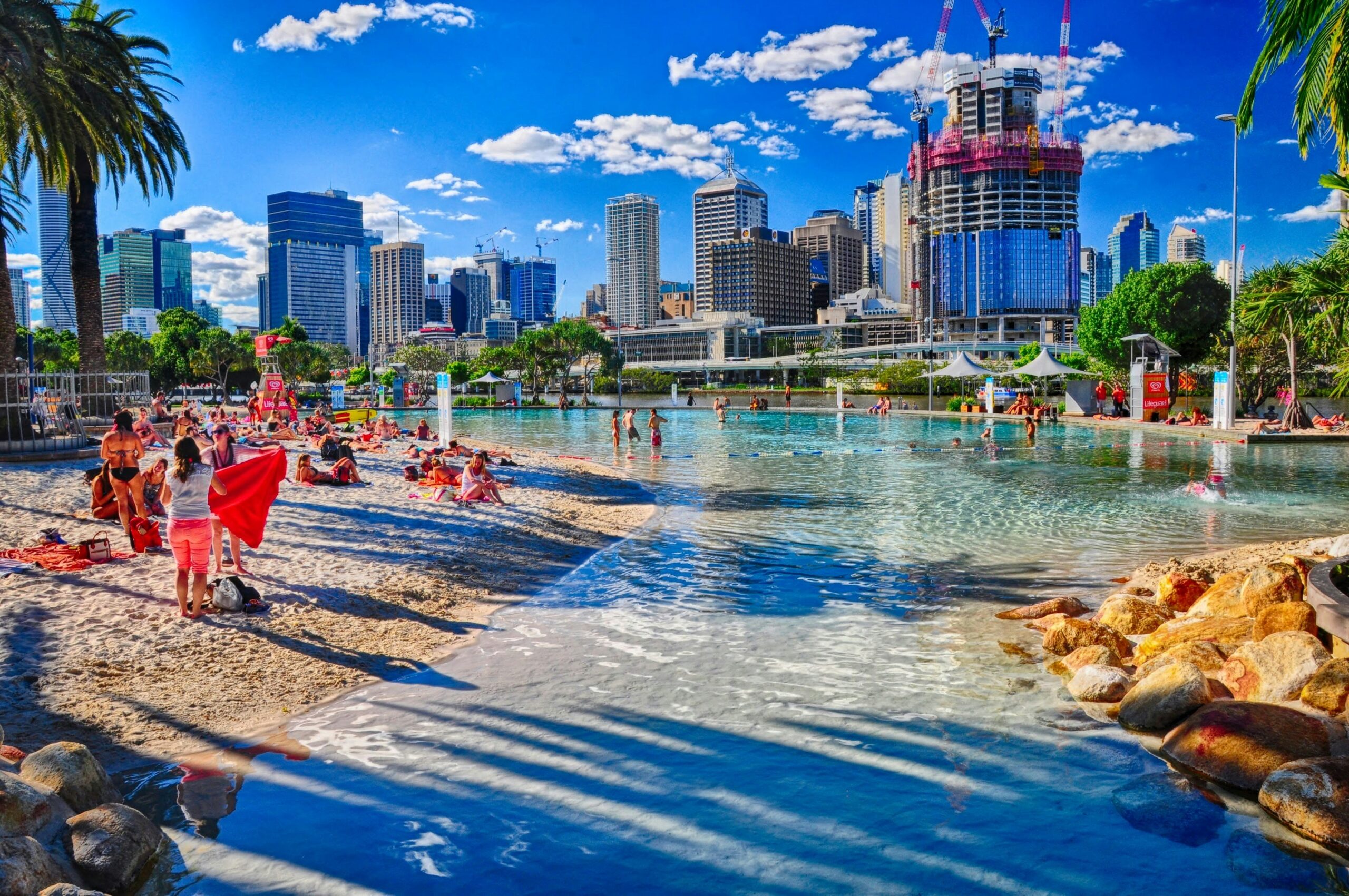
- South Bank Parklands – Riverside leisure area with markets, museums, and Streets Beach.
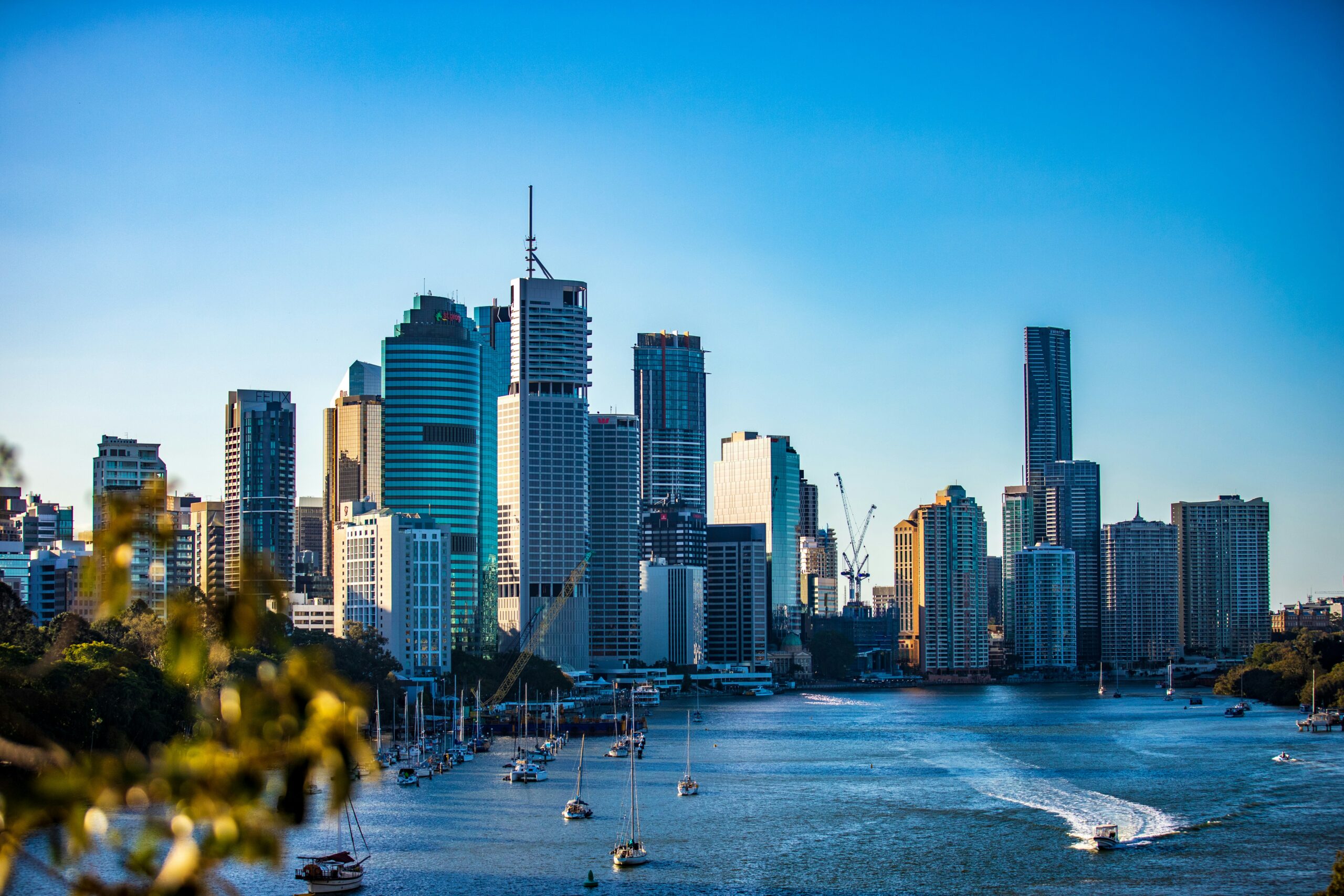
- Mount Coot-tha Lookout – Panoramic views across Brisbane and surrounding hills.
- Brisbane Riverwalk – Popular walking and cycling route along the river.
- Queensland Cultural Centre – Home to galleries, museums, and performing arts venues.
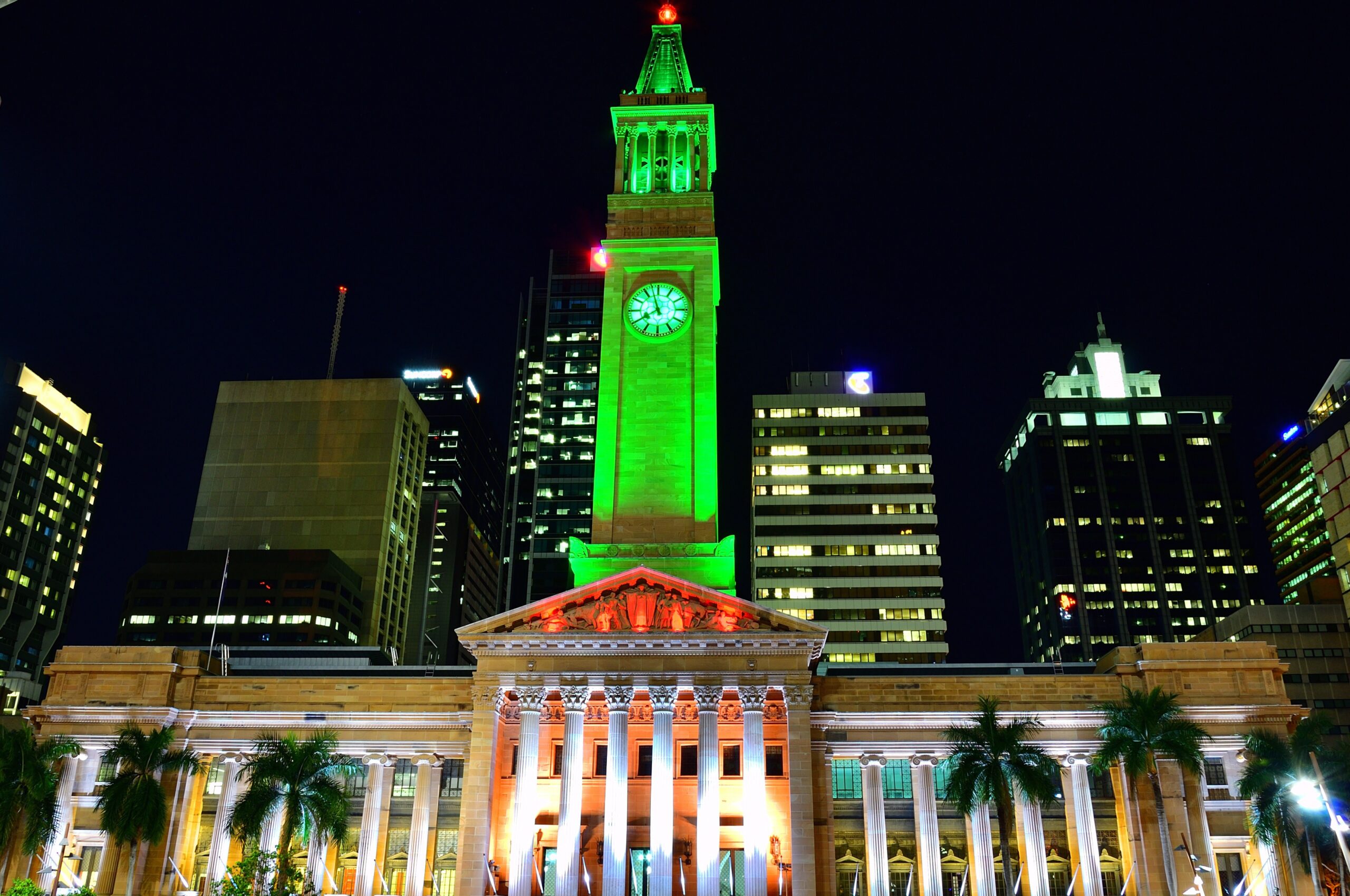
- Story Bridge – One of Brisbane’s most recognisable landmarks.
- Lone Pine Koala Sanctuary – Famous wildlife sanctuary near the city.
- Roma Street Parkland – Large inner-city green space popular with students.
Local Gems
- Eat Street Northshore – Riverside food market made from shipping containers.
- West End Markets – Popular weekend market with food and local stalls.
- Kangaroo Point Cliffs – Picnic, sunset, and climbing spot overlooking the city.
- New Farm Park – Riverside park popular for festivals and socialising.
- Howard Smith Wharves – Bars, restaurants, and riverfront social space beneath the Story Bridge.
- Moreton Island & North Stradbroke Island – Popular beach and wildlife day trips.
- South Brisbane’s Fish Lane – Growing area for cafes, bars, and street art.
Pre-departure Essentials
Documents & Visas: Most international students studying in Australia require a Subclass 500 Student Visa. Applications should usually be started early, and students may need to provide proof of enrolment, financial capacity, English language ability, and health insurance depending on their circumstances.
Health Insurance: Overseas Student Health Cover (OSHC) is mandatory for most international students throughout their stay in Australia.
Banking: Major Australian banks include Commonwealth Bank, ANZ, NAB, and Westpac. Some students also use Wise, Revolut, or Up for international transfers and everyday spending.
SIM Cards: Telstra, Optus, and Vodafone offer prepaid and monthly SIM plans, usually starting from around AUD $20–40 per month depending on data allowance.
Post-arrival Essentials
Registration: Students should complete university registration and orientation processes shortly after arrival and ensure their contact details remain updated where required.
Banking & SIM: Opening an Australian bank account and arranging a local SIM card are usually among the first priorities after arriving in Brisbane.
Health & Safety: Students planning to work part-time should apply for a Tax File Number (TFN). Emergency services are reached via 000, and pharmacies and medical centres are widely available across the city.
Shopping: Coles, Woolworths, and Aldi are the main supermarkets, while local markets are also popular for fresh produce and cheaper food shopping.
Apps: Useful apps in Brisbane include TransLink for public transport, Uber and DiDi for rides, Uber Eats, DoorDash and Menulog for food delivery, Gumtree and Flatmates.com.au for second-hand items and housing, and Wise or Revolut for international banking and transfers.