


Bologna (Italy)
Destination Overview
Bologna, the capital of Italy’s Emilia-Romagna region, is a lively university city known for its medieval towers, endless porticoes, and world-famous cuisine. Home to the University of Bologna — the oldest university in Europe — the city has a huge student population and a strong international community. Bologna blends history, culture, and everyday student life, making it one of Italy’s most popular destinations for Erasmus and study-abroad students.
Quick Facts, Bologna

Climate
Bologna has hot summers and cold winters. Spring and autumn are the most comfortable times to live and study in the city.

Cost of Living
Living costs are moderate for Italy. Shared rooms usually cost €350–€550, with weekly groceries around €30–€50.

Lifestyle
Student-focused and social, with a relaxed pace centred around food, aperitivo, and university life.

Vibe
Young, historic, and lively. Bologna feels authentic and local, with one of the strongest student atmospheres in Italy.

Safety
Generally very safe, with low violent crime. Pickpocketing can occur in crowded areas.

Transport
Compact and walkable, supported by buses, cycling, and excellent national rail connections.
Areas & Neighbourhoods
1. Centro Storico
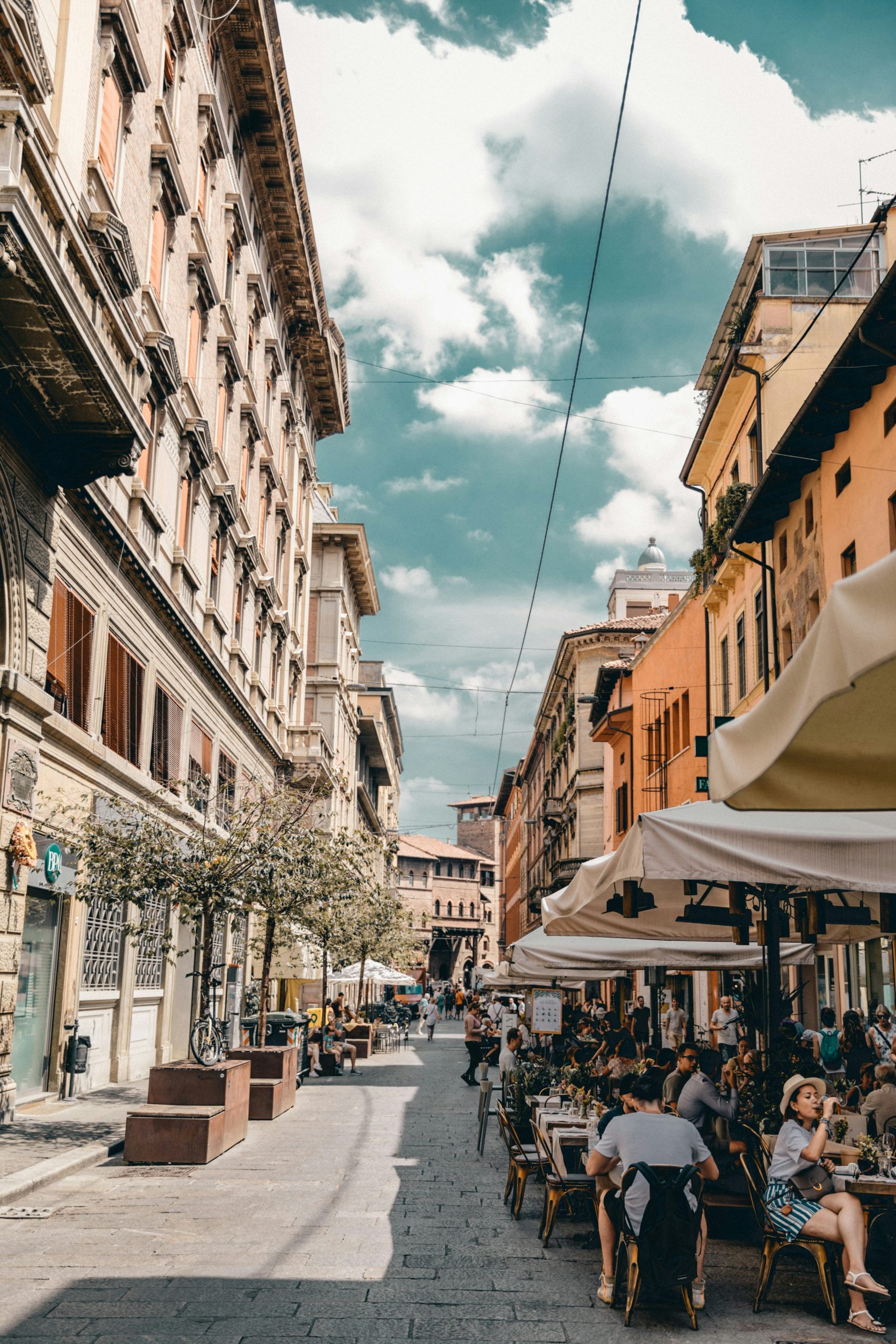
▲The historic heart of Bologna, full of medieval streets, piazzas, and UNESCO-listed porticoes. Lively and social, with bars, restaurants, and student housing close to university buildings. Walkable and atmospheric, though rents are higher and availability limited.
2. San Donato
▼3. San Vitale
▼4. Santo Stefano
▼5. Bolognina
▼6. Saragozza
▼Transport
Within Bologna

Buses

Cycling / E-scooters

Walking
Domestic & International

Bus

Airport

Train
Culture & Lifestyle
Cost of Living: Shared accommodation typically costs €350–€550 per month, with studios €600–€850. Meals €10–€15, coffee around €1.20, aperitivo €8–€12. Weekly groceries average €30–€50.
Climate: Hot summers (30–35°C) and cold winters (0–8°C). Spring and autumn are ideal for outdoor life.
Culture: Rich medieval heritage, world-class food culture, and a strong arts scene. Bologna is often considered Italy’s culinary capital, famous for tagliatelle al ragù and tortellini.
Social & Nightlife: Student nightlife centres around Via Zamboni, San Vitale, and parts of Bolognina. Aperitivo culture is central, with late-night bars and clubs active during term time.
Lifestyle: Dynamic and student-focused, but relaxed and social. Life revolves around university schedules, food, and spending time outdoors under the porticoes.
Inclusivity & Safety
LGBTQ+ Community
Bologna is widely regarded as one of Italy’s most progressive and LGBTQ+ friendly cities. It hosts Pride events, has inclusive bars and cultural spaces, and benefits from strong student-led LGBTQ+ groups linked to the university. Attitudes are generally open and supportive, particularly in central and student-heavy areas.



Top Attractions & Local Experiences
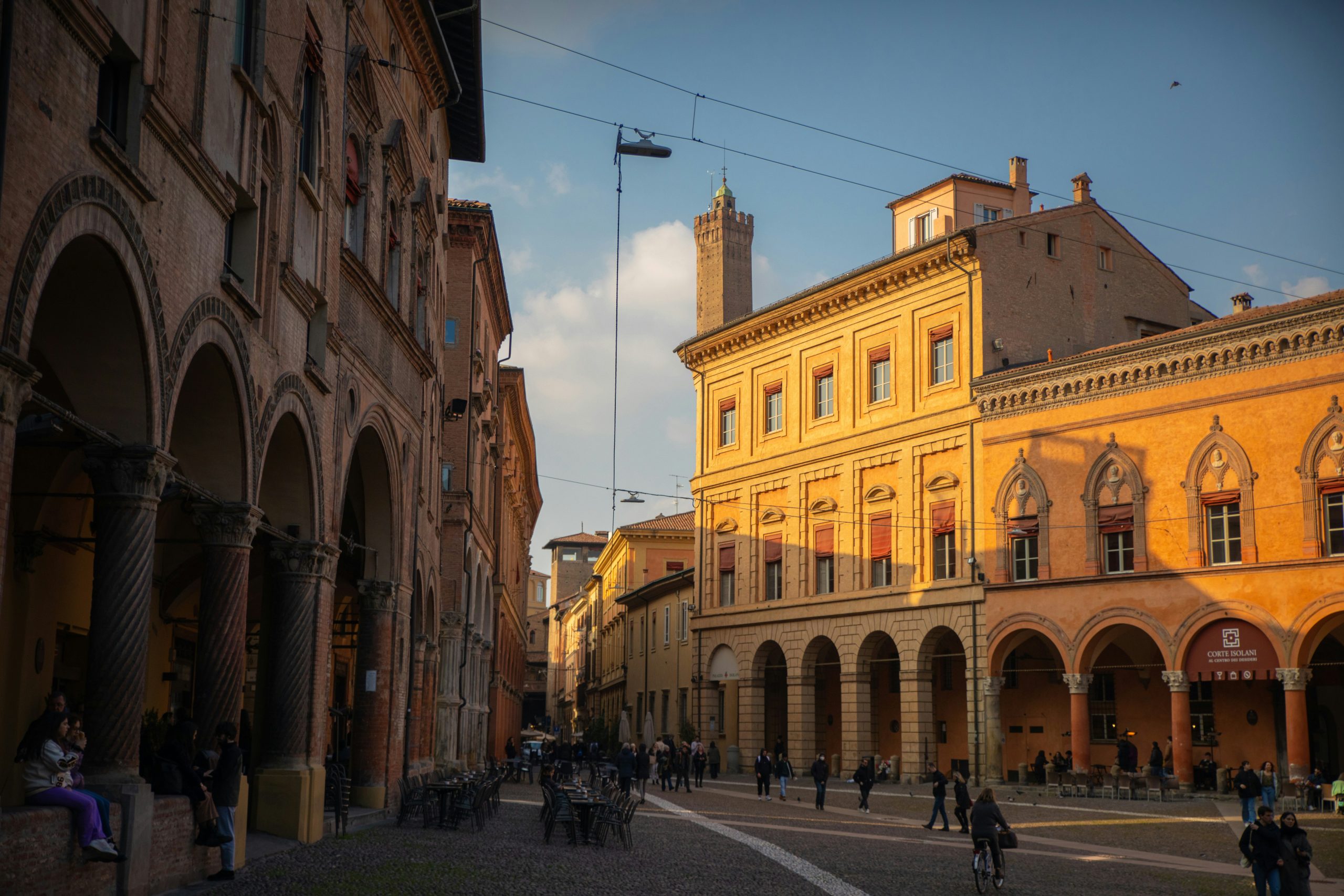
Must-Sees
- Piazza Maggiore & Neptune Fountain – The heart of Bologna
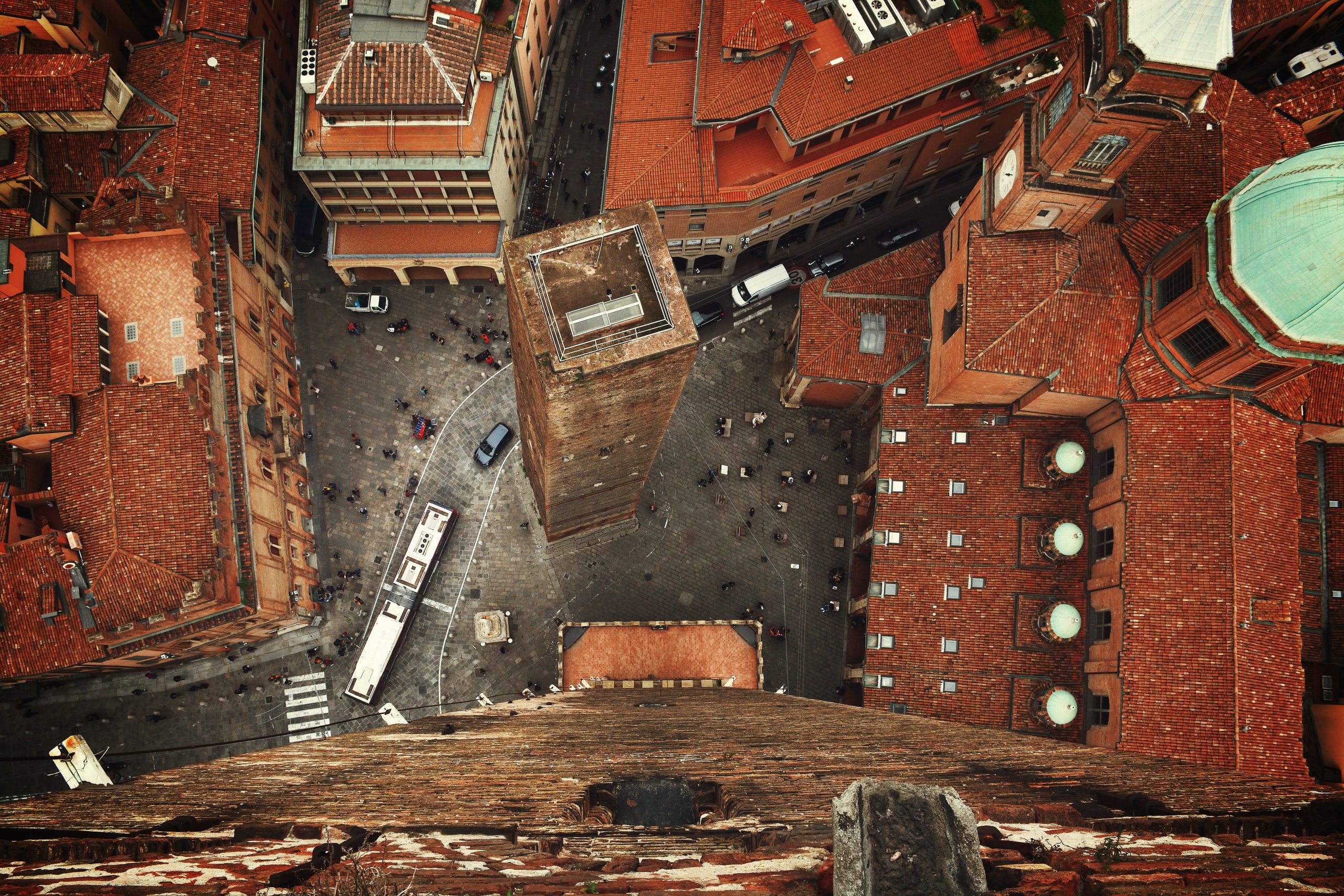
- The Two Towers (Asinelli & Garisenda) – Iconic medieval landmarks
- Basilica di San Petronio – One of Europe’s largest churches
- Archiginnasio of Bologna – Historic university building
- Porticoes of Bologna – UNESCO-listed arcades
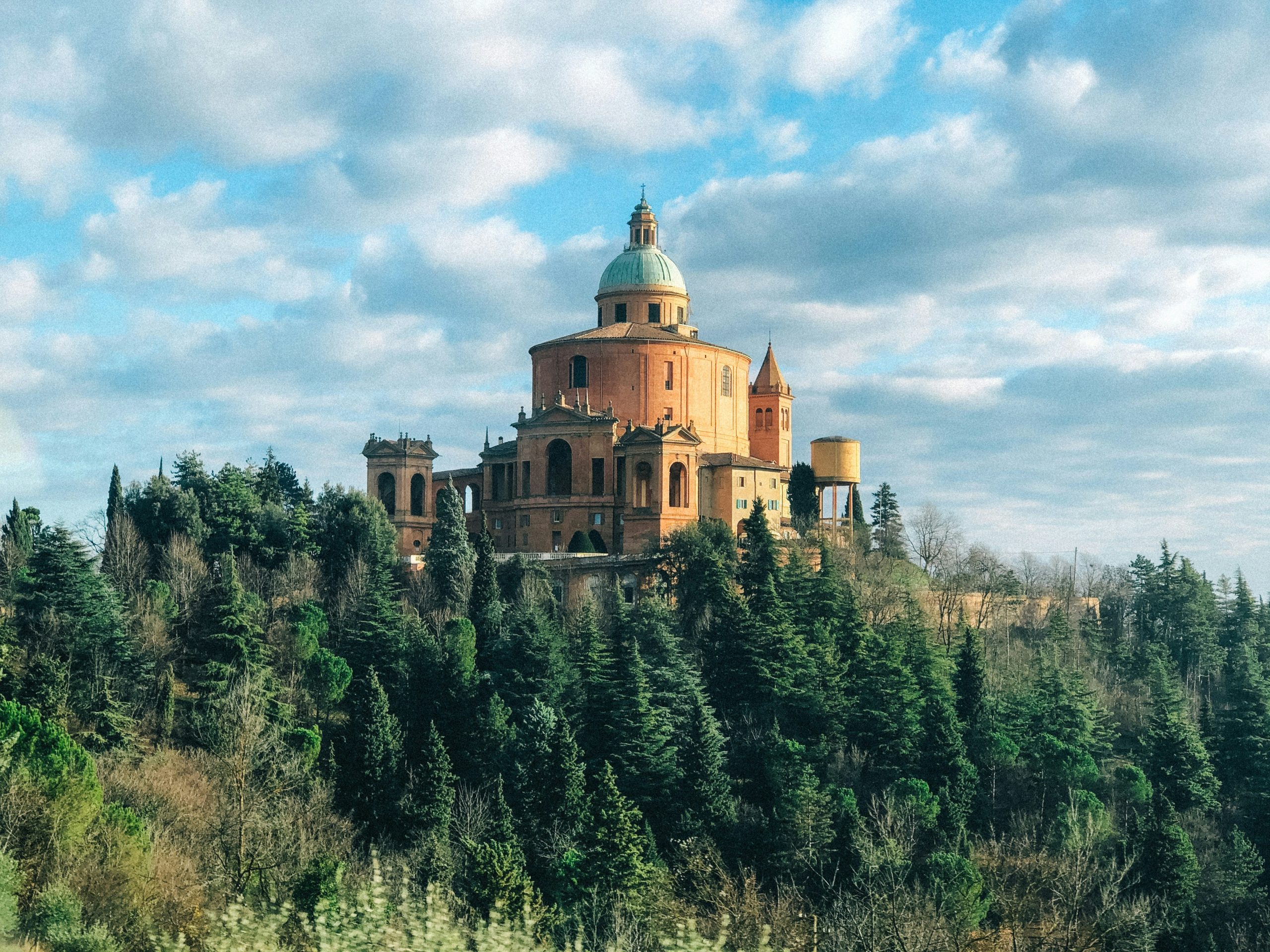
- Santuario di Madonna di San Luca – Hilltop sanctuary and city views
Local Gems
- Via Zamboni aperitivo scene – Core student social area
- Quadrilatero food market – Traditional food stalls and local atmosphere
- Traditional osterias – Authentic Bolognese cuisine
- Giardini Margherita – Popular student park and hangout
- Day trips – Modena, Parma, and Ferrara are easily reachable
Pre-departure Essentials
Documents & Visas: EU/EEA students do not need a visa. Non-EU students must apply for an Italian student visa before arrival.
Health Insurance: EU students can use a valid EHIC. Non-EU students must arrange Italian public health coverage or private insurance.
Banking: Major banks include UniCredit, Intesa Sanpaolo, and BPER. Online banks such as Revolut and N26 are also widely used.
SIM Cards: TIM, Vodafone, WindTre, and Iliad offer plans from around €10–€20 per month.
Post-arrival Essentials
Registration: Non-EU students must apply for a residence permit after arrival. EU students should register at the local comune if staying longer than three months.
Banking & SIM: Open an Italian bank account if required and purchase a local SIM card.
Health & Safety: Emergency services are accessed via 112. Pharmacies are widely available.
Shopping: Main supermarkets include Coop, Conad, Carrefour, and Lidl, alongside local food markets.
Apps: Useful apps include Moovit (transport), MyCicero (tickets), Deliveroo or Glovo (food delivery), Too Good To Go (discount food), and Subito (marketplace).