


Berlin (Germany)
Destination Overview
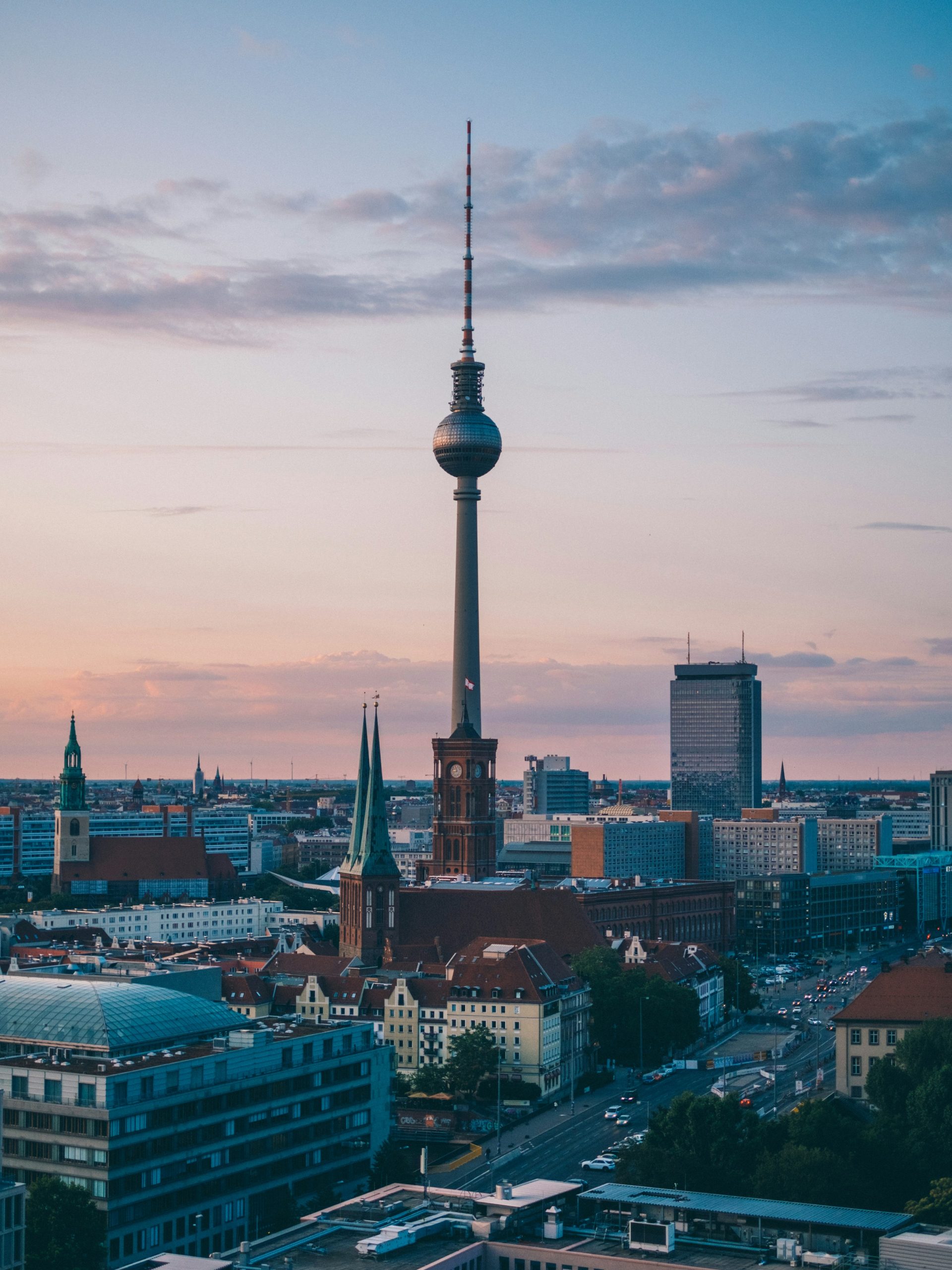
Berlin, Germany’s capital and largest city, is a dynamic and multicultural hub shaped by history, creativity, and constant reinvention. Once divided by the Berlin Wall, it now blends Cold War heritage with cutting-edge culture, making it one of Europe’s most distinctive cities. With major universities, a thriving international student population, and a booming start-up and tech scene, Berlin is one of Europe’s top destinations for students and young professionals. While living costs are rising, the city remains more affordable than many Western capitals and offers a highly flexible, social, and creative lifestyle.
Quick Facts, Berlin

Climate
Berlin has cold winters and warm summers. Spring and summer are ideal for outdoor life, parks, and lakes.

Cost of Living
Living costs are rising but remain lower than many Western European capitals. Shared rooms usually cost €500–€700, with weekly groceries around €40–€60.

Lifestyle
Creative, relaxed, and international. Life centres around neighbourhood culture, cafés, nightlife, and green spaces.

Vibe
Alternative, open-minded, and youthful. Berlin attracts creatives, students, and start-up professionals from all over the world.

Safety
Generally safe, with low violent crime. Pickpocketing can occur in busy tourist and transport areas.

Transport
Excellent 24/7 public transport covering the entire city, plus strong national and international rail links.
Areas & Neighbourhoods
1. Mitte
▲Central district home to major landmarks, museums, and government buildings. Very well connected and lively, but more expensive and tourist-heavy.
2. Kreuzberg
▼3. Friedrichshain
▼4. Prenzlauer Berg
▼5. Neukölln
▼6/7. Charlottenburg-Wilmersdorf
▼8. Wedding
▼9. Schöneberg
▼Transport
Within Berlin

U-Bahn & S-Bahn:

Trams & Buses:

Cycling / E-scooters
Domestic & International

Bus

Airport

Train
Culture & Lifestyle
Cost of Living: Shared accommodation €500–€700 per month, studios €900+. Cheap meals €8–€12, coffee around €3, beer €4. Groceries €40–€60 per week.
Climate: Cold winters (0–5°C) and warm summers (25–30°C).
Culture: World-class museums, galleries, theatres, and music venues sit alongside a strong alternative and start-up culture. Famous for street art, techno, and major events like the Berlinale and Carnival of Cultures.
Social & Nightlife: Legendary nightlife, with clubs, bars, and live music venues spread across the city. Nights often run until morning, especially on weekends.
Lifestyle: Laid-back and creative, with lakes, rivers, and vast green spaces. Cycling, swimming in lakes, and outdoor socialising are key parts of life.
Inclusivity & Safety
LGBTQ+ Community
Berlin is one of Europe’s most LGBTQ+ friendly cities, with Schöneberg as its historic hub. Pride events, festivals, and inclusive venues are widespread.


Top Attractions & Local Experiences
Must-Sees
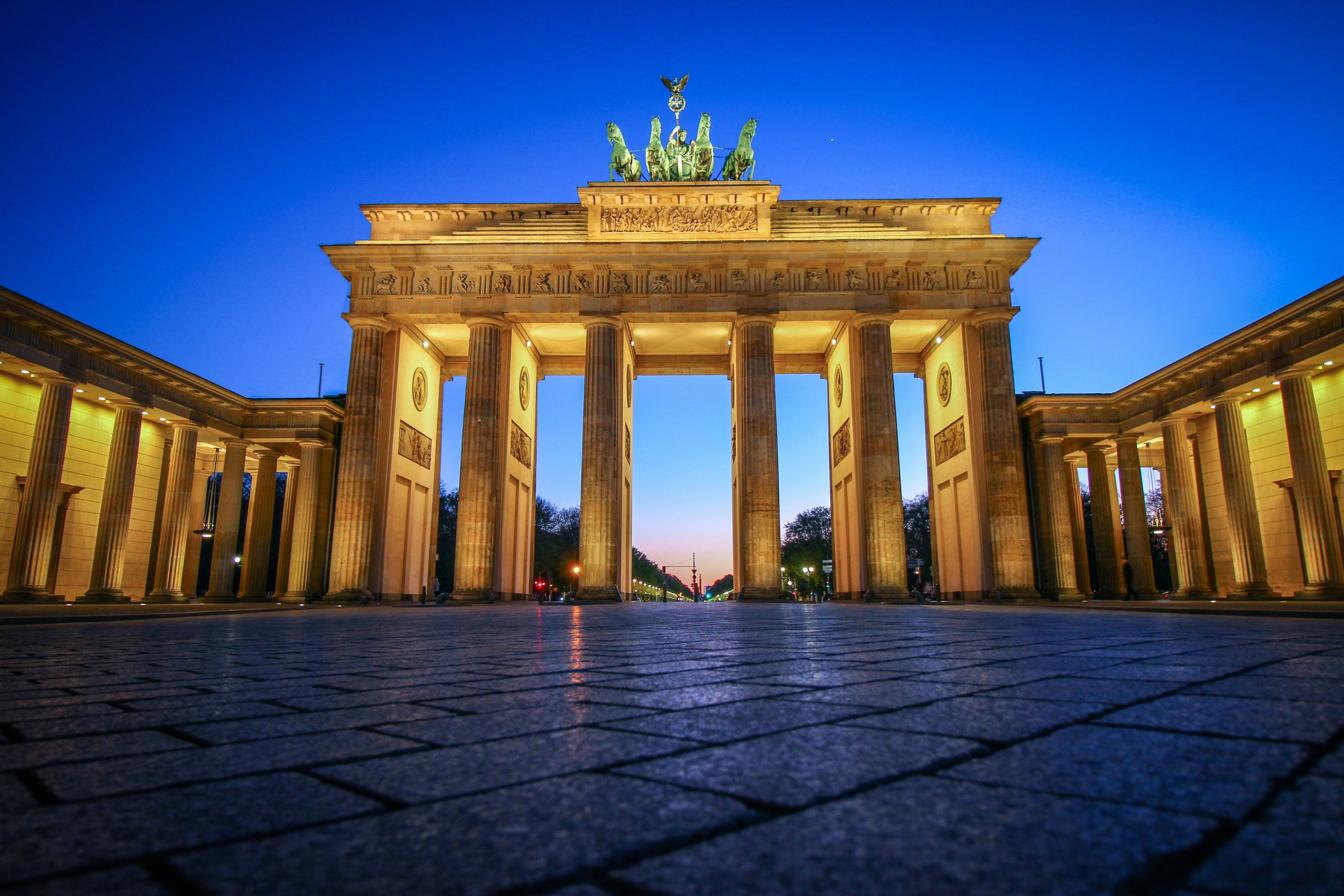
- Brandenburg Gate – Iconic city landmark
- Reichstag – German parliament with glass dome
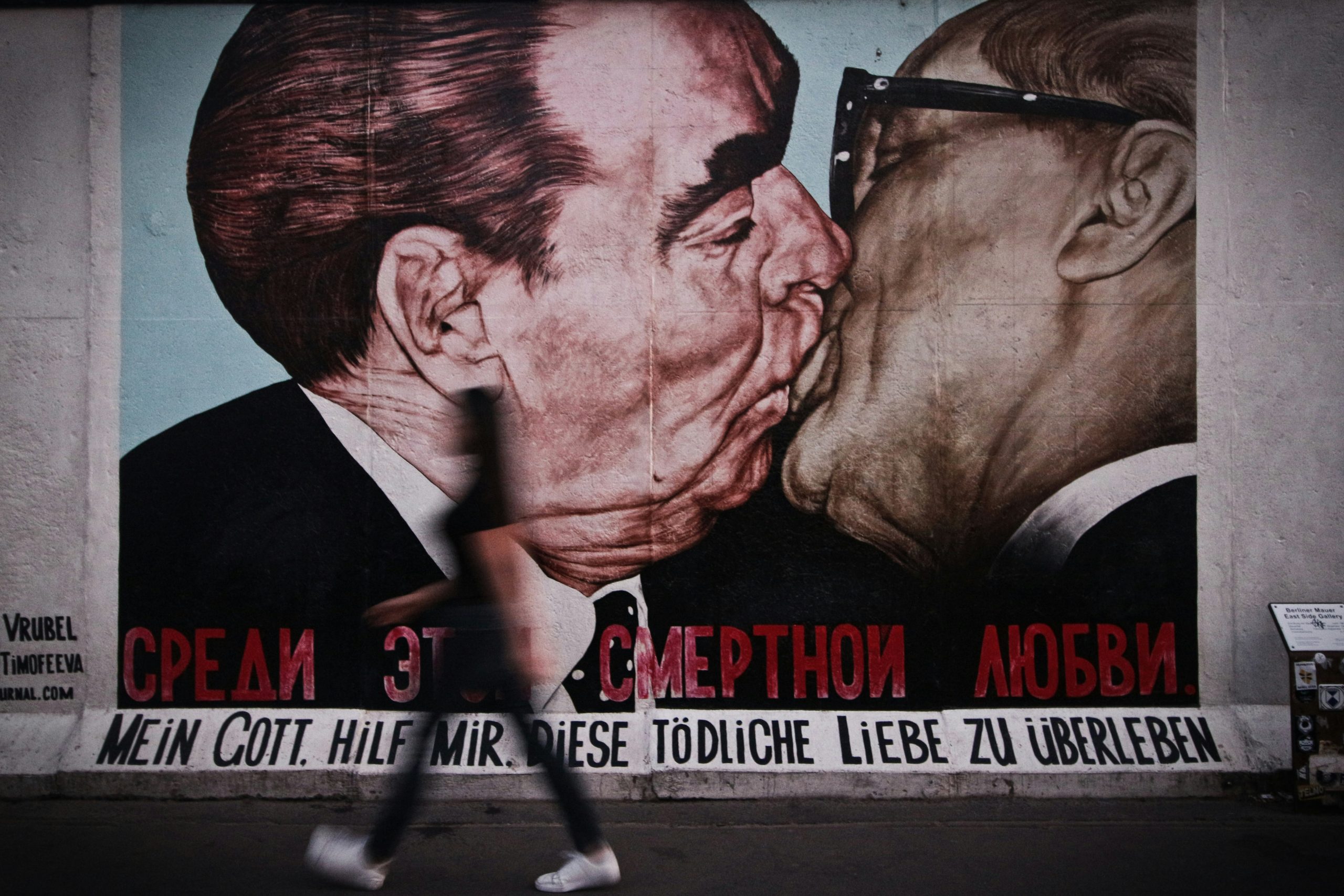
- Berlin Wall Memorial & East Side Gallery – Historic remains and murals
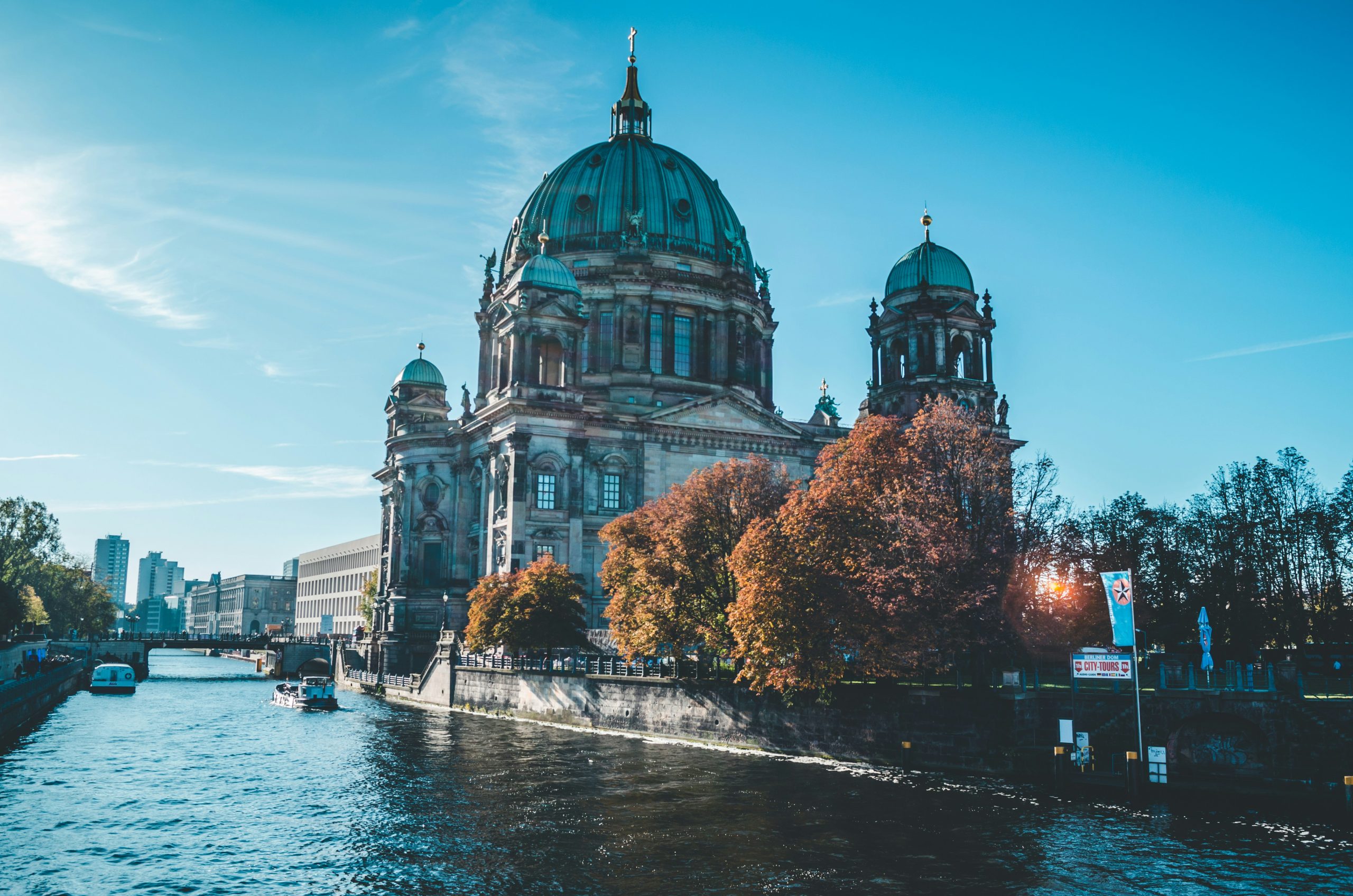
- Museum Island – World-class museums
- Alexanderplatz & TV Tower – Central hub and city views
- Tiergarten – Vast central park
- Holocaust Memorial – Powerful memorial site
Local Gems
- Tempelhofer Feld – Former airport turned park
- Mauerpark – Flea market and open-air karaoke
- RAW-Gelände – Alternative art, bars, and clubs
- Turkish Market (Neukölln) – Street food and produce
- Berlin lakes – Wannsee and Müggelsee in summer
Pre-departure Essentials
Documents & Visas: EU/EEA students do not need a visa. Non-EU students must apply for a German student visa before arrival.
Health Insurance: Mandatory. EU students can use EHIC; non-EU students must register for German student health insurance.
Banking: Popular banks include Deutsche Bank, Sparkasse, and Commerzbank. Online banks such as Revolut and N26 are widely used.
SIM Cards: Telekom, Vodafone, O2, and Aldi Talk offer plans from around €10–€20 per month.
Post-arrival Essentials
Registration: All students must register their address (Anmeldung) within 14 days. Non-EU students must also apply for a residence permit.
Banking & SIM: Open a German bank account if required and activate a local SIM card.
Health & Safety: Register for statutory student health insurance if applicable. Emergency services are accessed via 112.
Shopping: Main supermarkets include Aldi, Lidl, Rewe, Edeka, and Kaufland. Most shops close on Sundays.
Apps: Useful apps include BVG Fahrinfo (transport), Lieferando (delivery), Kleinanzeigen (second-hand), and mobile payment apps.