


Beijing (China)
Destination Overview
Beijing, China’s capital, is a vast and historic metropolis where imperial palaces sit alongside modern skyscrapers and technology hubs. As one of Asia’s leading academic centres — home to institutions such as Tsinghua University and Peking University — it attracts students from across China and around the world. The city blends deep cultural heritage with fast-paced urban life, offering affordable living, outstanding food, and endless cultural experiences. While winters are cold and the scale of the city can feel intense at first, Beijing rewards students with academic excellence, safety, and constant discovery.
Quick Facts, Beijing

Climate
Beijing has hot, humid summers and very cold, dry winters, with spring and autumn offering the most comfortable weather.

Cost of Living
Living costs are moderate for a capital city, with shared apartments from ¥3,000–¥5,000 per month and affordable everyday food options.

Lifestyle
Fast-paced and dynamic, combining ancient heritage with modern city living and a strong student presence.

Vibe
Intellectual, historic, and ambitious — a city driven by education, innovation, and culture.

Safety
Very low violent crime and generally safe, with well-lit streets and efficient public transport.

Transport
Extensive metro and rail networks make it easy to navigate the city and travel across China.
Areas & Neighbourhoods
1. Haidian District
▲Beijing’s academic heart and home to top universities including Tsinghua University and Peking University. The area is full of student apartments, bookstores, libraries, affordable restaurants, and campus cafés. Ideal for students prioritising proximity to class and a strong academic environment.
2. Wudaokou
▼3. Chaoyang District
▼4. Dongcheng District
▼5. Xicheng District
▼6. Tongzhou District
▼7. Shunyi District
▼Transport
Within Beijing

Metro

Buses

Taxis & Ride-Hailing

Cycling
Domestic & International

Bus

Airport

High-Speed Rail
Culture & Lifestyle
Cost of Living: Beijing is moderately priced compared to other global capitals. Shared apartments typically cost ¥3,000–¥5,000 per month, while studios range from ¥5,000–¥8,000 depending on location. Meals at local restaurants average ¥30–¥60, coffee ¥25–¥40, and weekly groceries are generally affordable.
Climate: Continental climate with hot summers (30–35°C) and very cold winters (–5 to 5°C). Autumn is particularly pleasant and spring can be windy. Air quality can fluctuate seasonally.
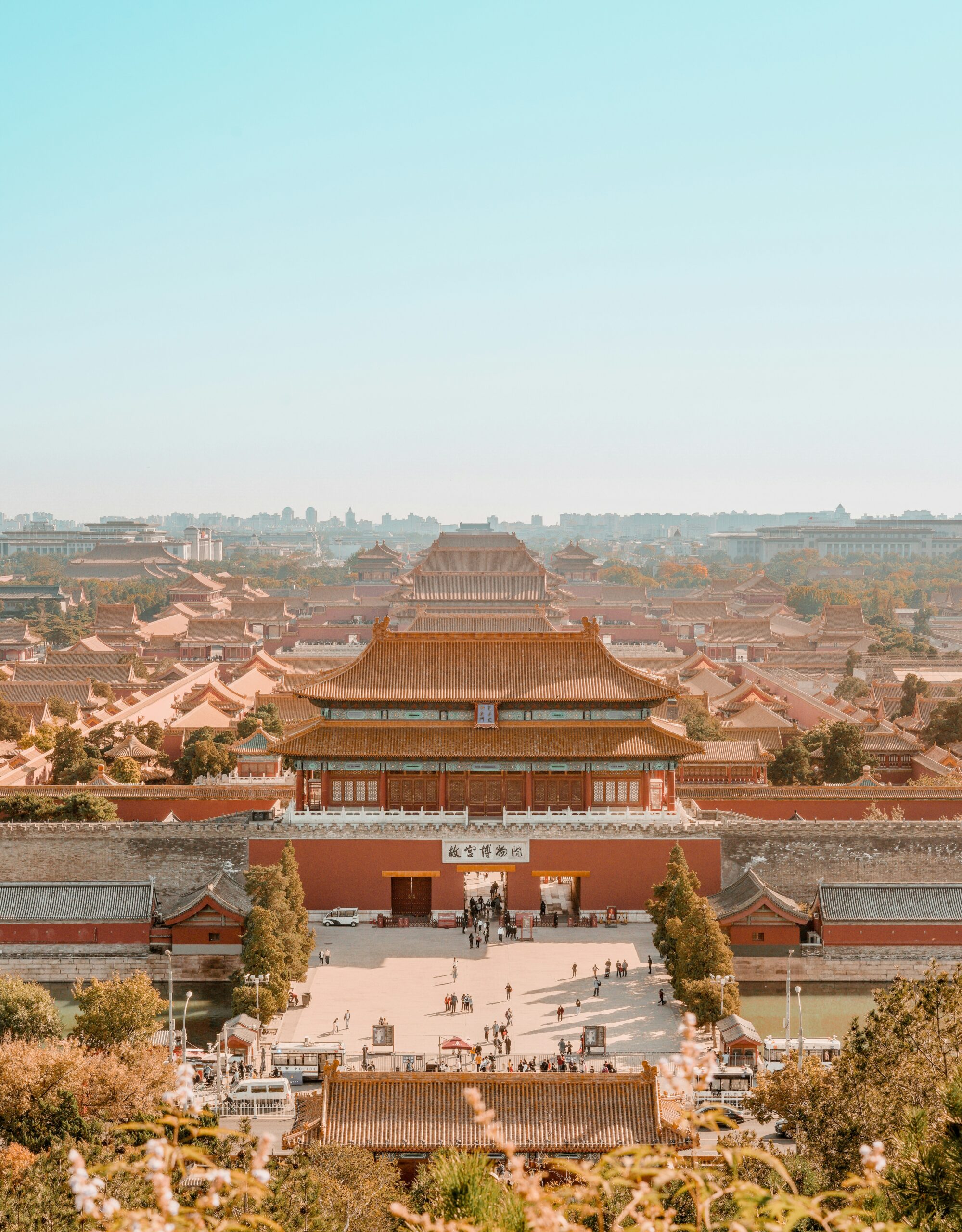
Culture: Beijing offers extraordinary historical depth — from the Forbidden City and Temple of Heaven to traditional hutongs — alongside thriving contemporary art districts like 798. The food scene ranges from street dumplings to traditional Peking duck.
Social & Nightlife: Sanlitun and Wudaokou are main nightlife hubs, offering international bars, live music venues, and student-friendly spots. Social life often centres around shared meals, cafés, and campus events.
Lifestyle: Fast-paced and intellectually driven. Students enjoy affordable dining, efficient public transport, and access to some of China’s most significant cultural landmarks.
Inclusivity & Safety
LGBTQ+ Community
While same-sex relationships are legal in China, public LGBTQ+ expression remains relatively discreet. Beijing has visible queer-friendly venues, particularly in Sanlitun and Wudaokou, and acceptance is growing among younger generations.





Top Attractions & Local Experiences
Must-Sees
- Forbidden City (Palace Museum) – Imperial palace complex at the city’s historic core.
- Tiananmen Square – Iconic and symbolic central square.
- Temple of Heaven – UNESCO-listed ceremonial site with peaceful parkland.
- Summer Palace – Lakeside imperial retreat with gardens and pavilions.
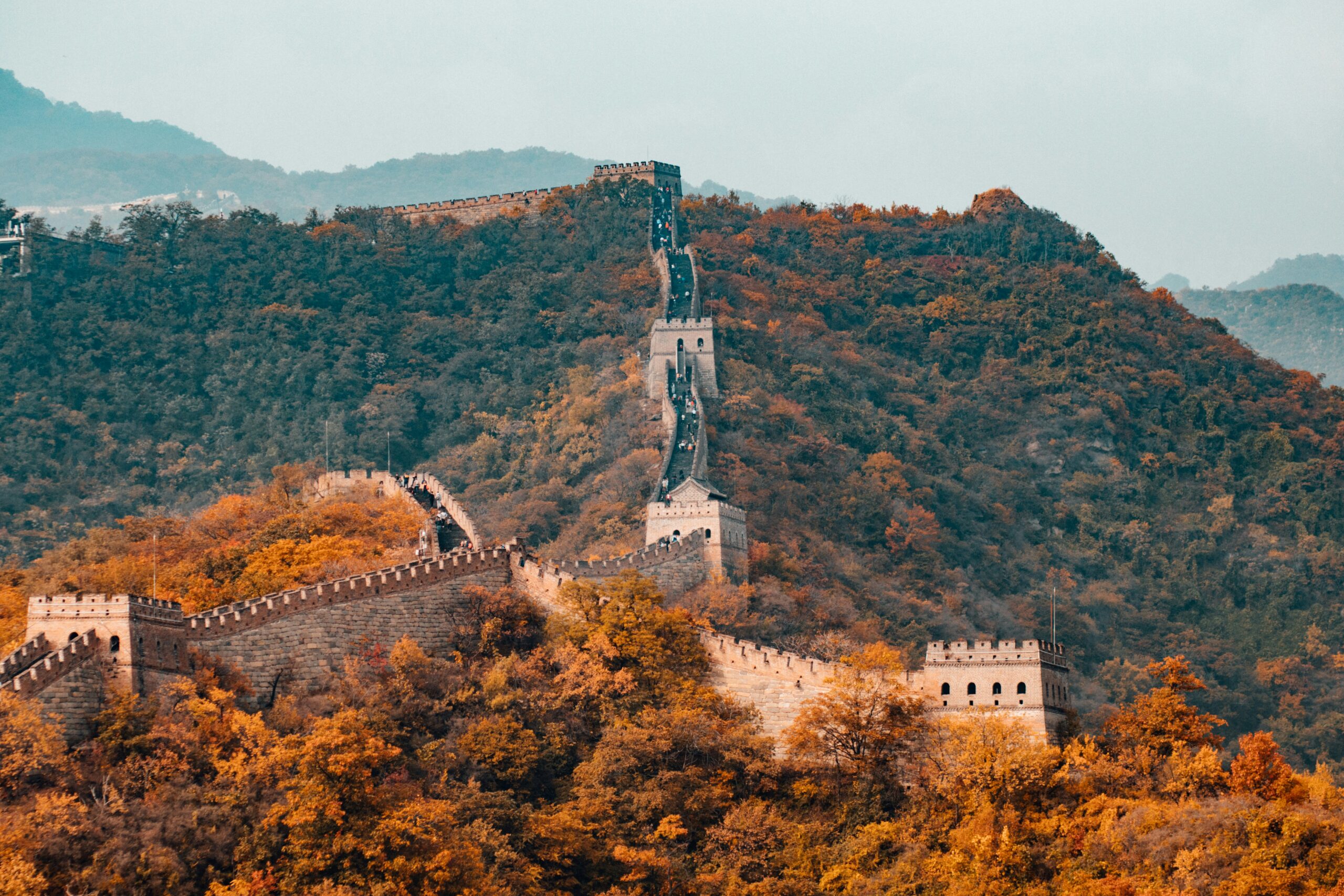
- Great Wall (Mutianyu or Badaling) – Accessible sections for day trips.
- 798 Art District – Contemporary art galleries in converted factories.
- Beihai Park & Houhai Lake – Scenic lakeside relaxation near the old city.
Local Gems
- Wudaokou cafés and student bars – Social hub for international students.
- Nanluoguxiang – Traditional hutong street with shops and eateries.
- Panjiayuan Antique Market – Large weekend market for crafts and curios.
- Local hot pot restaurants – Social dining staple among students.
- Hutong bike tours – Explore traditional alleyways and hidden courtyards.

Pre-departure Essentials
Documents & Visas: Non-Chinese students require an X1 (long-term) or X2 (short-term) student visa. The X1 visa requires conversion to a residence permit after arrival.
Health Insurance: Mandatory for all international students. Many universities include insurance in tuition or require approved coverage.
Banking: Major banks include ICBC, Bank of China, and China Construction Bank. Opening a local bank account is essential for mobile payments and daily expenses.
SIM Cards: China Mobile, China Unicom, and China Telecom offer prepaid plans typically starting from ¥50–¥100 per month.
Post-arrival Essentials
Registration: Students must register their residence with the local police station within 24 hours of arrival (usually handled by the landlord or university). X1 visa holders must apply for a residence permit within 30 days.
Banking & SIM: Open a local bank account and set up mobile payment apps (WeChat Pay or Alipay) for daily transactions.
Health & Safety: Emergency numbers: 110 (police), 120 (ambulance), 119 (fire). Identify the nearest hospital or international clinic once settled.
Shopping: Major supermarkets include Wumart and Carrefour. Online platforms such as JD.com and Taobao are widely used for deliveries.
Apps: WeChat (messaging and payments), Alipay (payments), Didi (rides), Baidu Maps (navigation), and Meituan (food delivery). A VPN is often required to access some international websites.