


Austin (USA)
Destination Overview
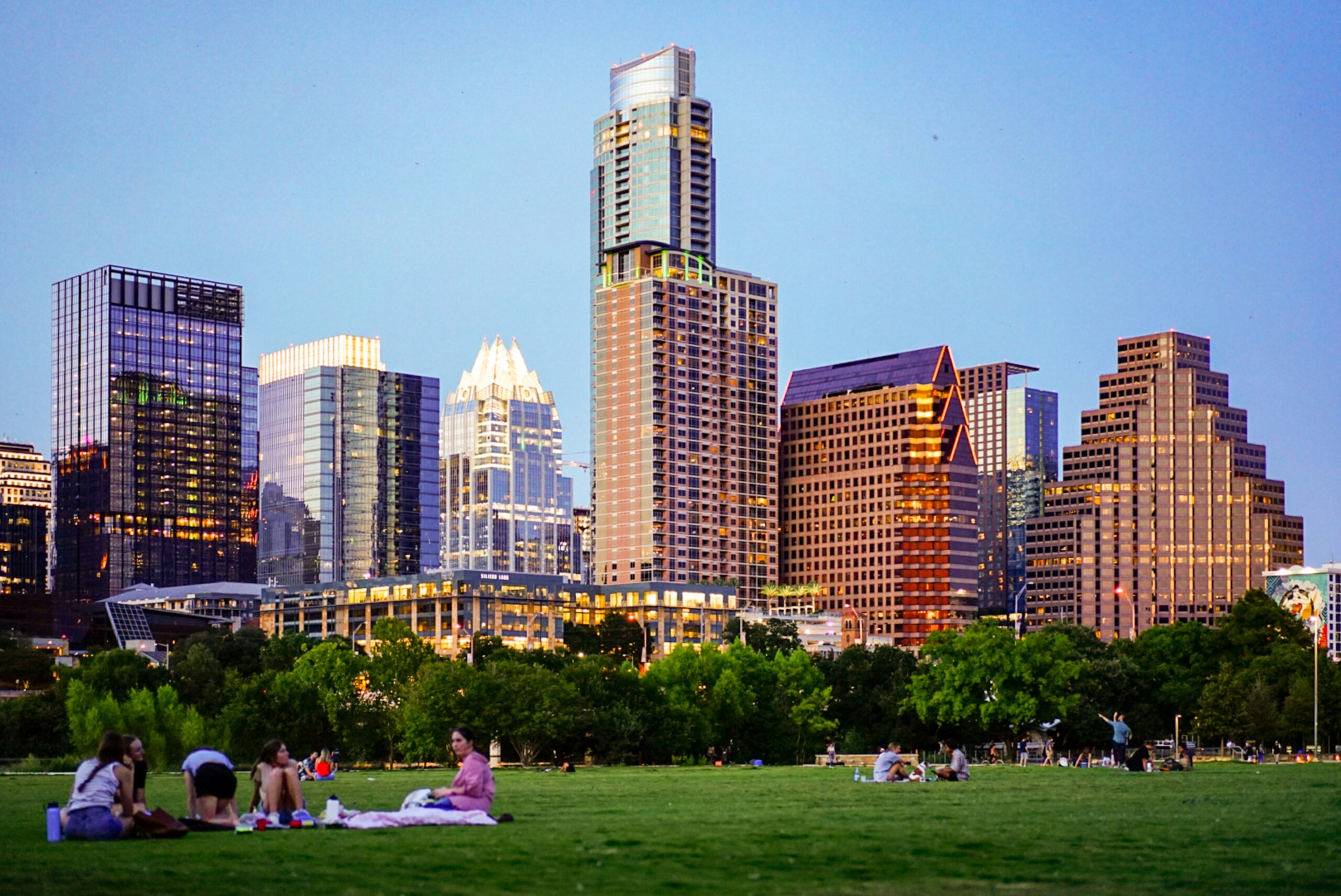
Austin is one of the fastest-growing and most dynamic student cities in the U.S. Known for its live music scene, creative energy, and outdoor lifestyle, it’s home to major universities and a thriving tech sector often nicknamed “Silicon Hills.” Blending Southern charm with progressive culture, Austin offers a welcoming atmosphere, warm weather, and a strong international student community — making it an exciting destination for both study and everyday life.
Quick Facts, Austin

Climate
Austin has hot summers and mild winters, with sunshine most of the year. Outdoor living is possible year-round, though summer temperatures can be intense.

Cost of Living
Living costs are moderate for a major U.S. city, with shared rooms typically costing $900–$1,300 per month and weekly groceries averaging $50–$90.

Lifestyle
Laid-back and outdoorsy, with live music, food trucks, parks, and river activities shaping daily life.

Vibe
Creative, progressive, and student-driven. Austin attracts internationals drawn to music, tech, and individuality.

Safety
Generally very safe in central and student areas, though standard precautions are advised at night in quieter neighbourhoods.

Transport
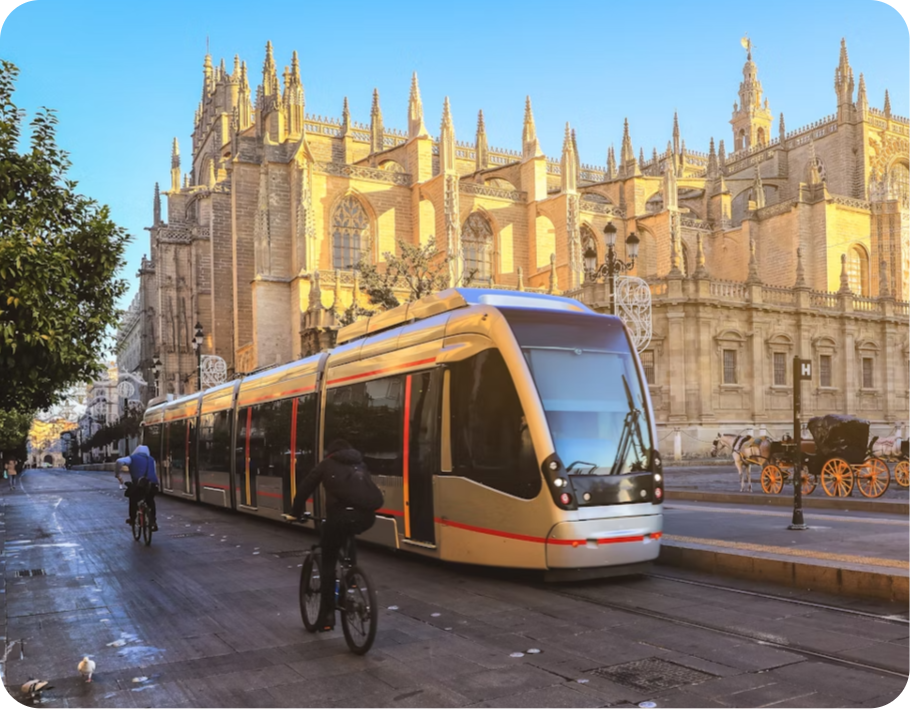
Bus-based public transport, strong cycling and scooter culture, and easy regional connections across Texas.
Areas & Neighbourhoods
1. Downtown
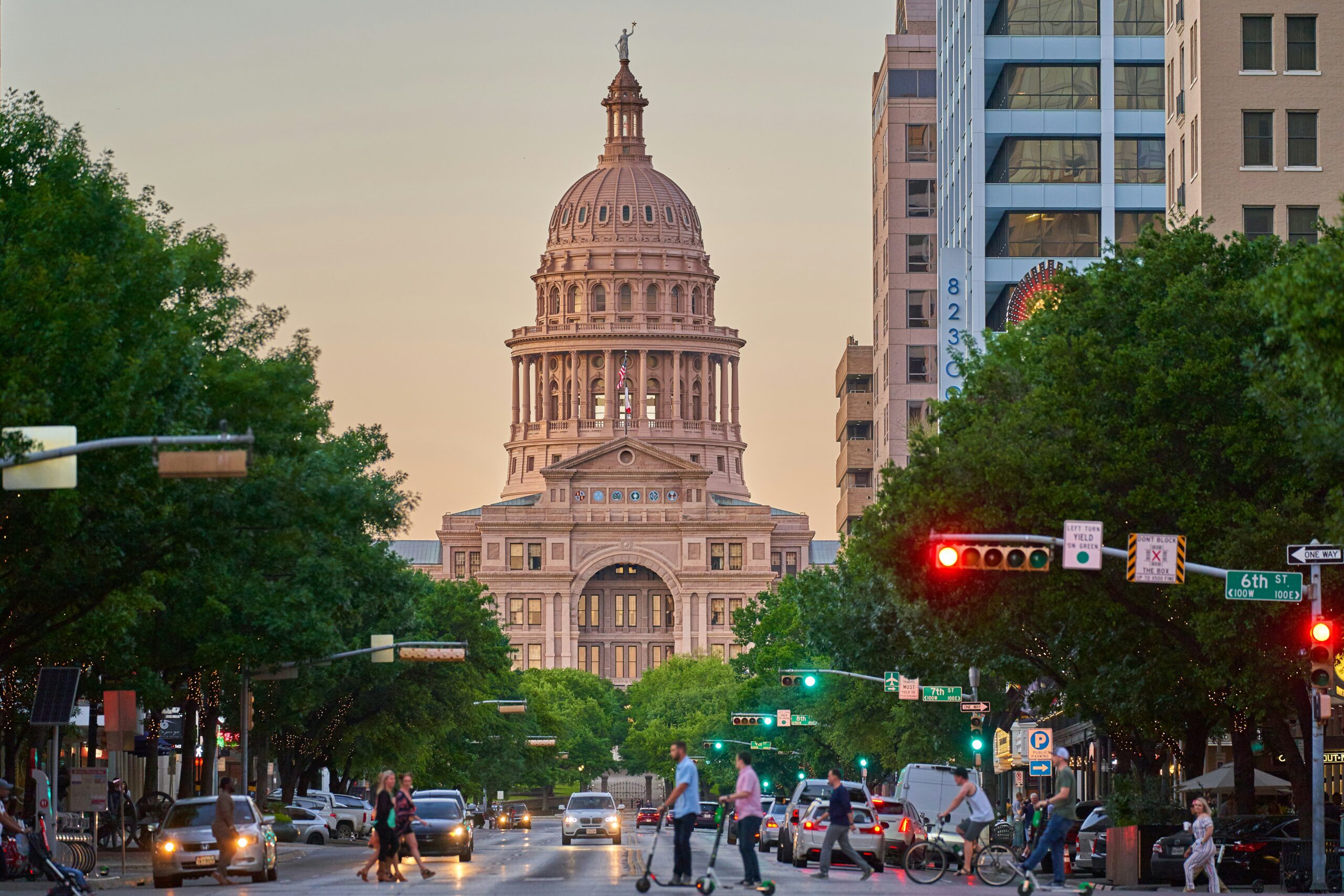
▲Central hub with restaurants, bars, and cultural landmarks like 6th Street and the State Capitol. Extremely convenient but pricier and busy at night.
2. West Campus
▼3. North Campus / Hyde Park
▼4. East Austin
▼5. South Congress (SoCo)
▼6/7. Zilker / Barton Hills
▼8. Mueller
▼9. Riverside
▼Transport
Within Austin

CapMetro Buses & Light Rail

UT Shuttle

Rideshare

Cycling & Scooters

Walking
Domestic & International

Bus

Airport

Train
Culture & Lifestyle
Cost of Living: Shared flats typically cost $900–$1,300 per month, studios $1,400–$2,000. Meals out range from $10–$18, coffee $4–$6, beer $6–$8, and groceries usually total $50–$90 per week.
Climate: Hot summers and mild winters, making outdoor activities possible most of the year.
Culture: “Keep Austin Weird” reflects the city’s creative spirit. Live music venues, food trucks, and festivals dominate cultural life.
Social & Nightlife: 6th Street and Rainey Street are the main nightlife hubs, offering student-friendly bars, rooftops, and live music.
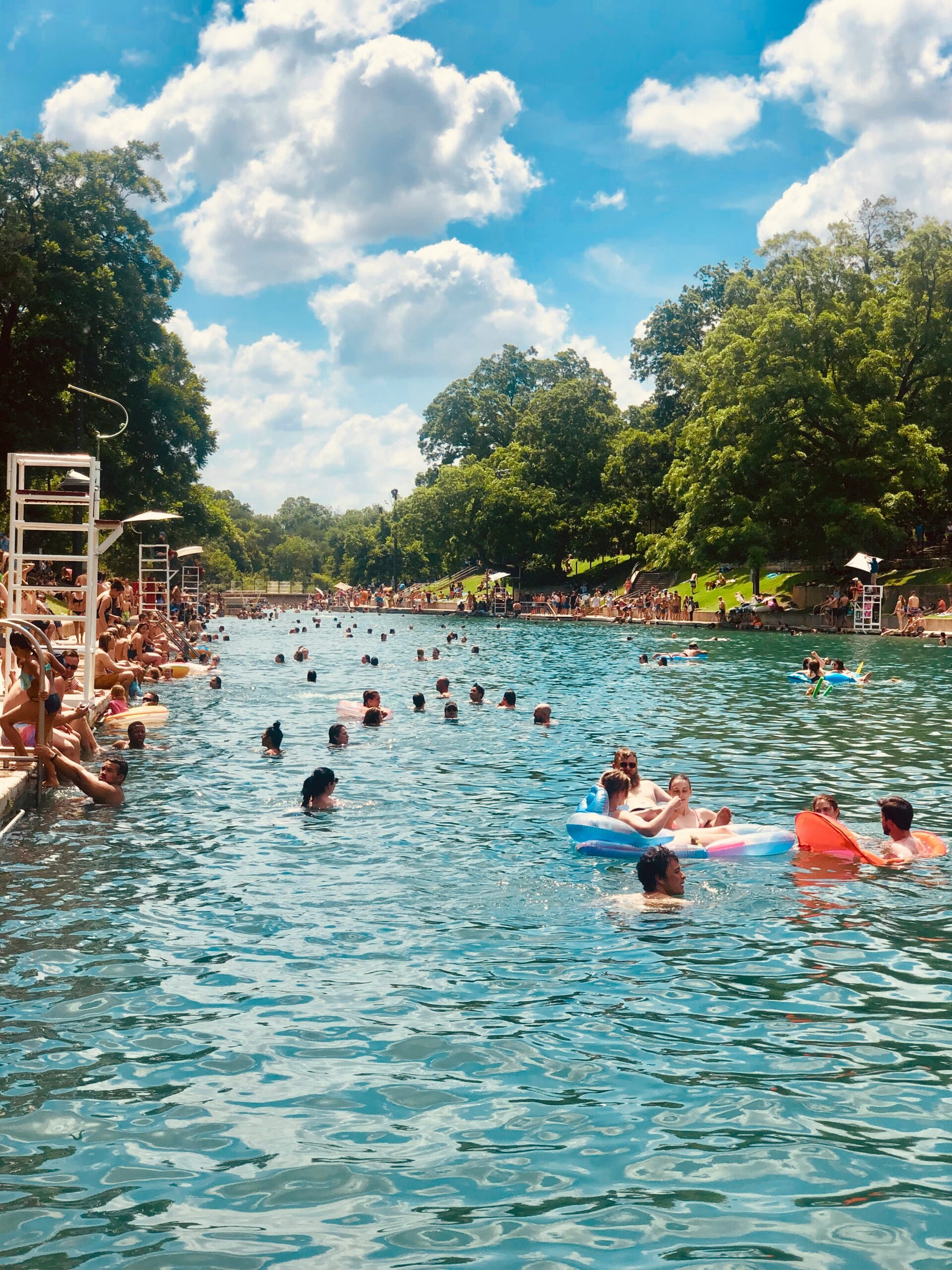
Lifestyle: Relaxed and active, with kayaking on Lady Bird Lake, hiking the Greenbelt, and lazy afternoons in Zilker Park all part of everyday life.
Inclusivity & Safety
LGBTQ+ Community
One of the most progressive cities in Texas, with a visible LGBTQ+ scene and annual Pride celebrations.




Top Attractions & Local Experiences
Must-Sees
- Texas State Capitol – Grand historic building overlooking downtown.
- Lady Bird Lake – Kayaking, paddleboarding, and skyline walks.
- Barton Springs Pool & Zilker Park – Natural spring pool and huge green space.
- UT Tower & Blanton Museum of Art – Campus landmark and major art collection.
- South Congress Avenue – Shopping, murals, and café culture.
- Mount Bonnell – Panoramic views over the city.
Local Gems
- East Austin food truck parks – Affordable global street food.
- Rainey Street Historic District – Bungalow bars and nightlife.
- Barton Creek Greenbelt – Hiking trails and swimming spots.
- Austin City Limits Live – Legendary live music venue.
- Weekend markets – Farmers’ markets and vintage fairs around the city.

Pre-departure Essentials
Documents & Visas: Most international students require an F-1 or J-1 visa. Bring your I-20 or DS-2019, SEVIS receipt, admission letter, and proof of finances.
Health Insurance: Mandatory for all students. U.S. healthcare is private, so university or approved private insurance is essential.
Banking: Major banks include Chase, Wells Fargo, and Bank of America. Many students use Wise or Revolut for transfers before opening a local account.
SIM Cards: AT&T, T-Mobile, and Verizon offer prepaid or monthly plans, typically costing $25–$50.
Post-arrival Essentials
Registration: Attend international student orientation and complete SEVIS check-in shortly after arrival.
Banking & SIM: Open a U.S. bank account and activate your mobile plan for everyday payments.
Health & Safety: Locate your campus health centre and nearest urgent care. Emergency number is 911.
Shopping: Popular supermarkets include H-E-B, Whole Foods, and Trader Joe’s, with Target and Walmart for household essentials.
Apps: Useful apps include CapMetro or Citymapper (transport), Bird or Lime (scooters), Uber or Lyft (rides), Yelp or OpenTable (food), Too Good To Go (discount meals), and Eventbrite or Meetup (student events).