


Amsterdam (Netherlands)
Destination Overview
Amsterdam, the capital of the Netherlands, is a picturesque and cosmopolitan city known for its canals, historic architecture, and progressive culture. It is one of Europe’s most popular student destinations, home to the University of Amsterdam, Vrije Universiteit, and many international institutions. While living costs are high, Amsterdam offers exceptional quality of life, efficient transport, and a lively social scene shaped by students, creatives, and young professionals.
Quick Facts, Amsterdam

Climate
Amsterdam has a maritime climate with mild summers and cool, damp winters. Rain and wind are common year-round.

Cost of Living
High by European standards. Shared rooms usually cost €600–€800, with weekly groceries around €50–€70.

Lifestyle
Relaxed, bike-centred, and social, with a strong work-life balance and café culture.

Vibe
Progressive, international, and creative, with students and young professionals shaping daily life.

Safety
Very safe overall. Bike theft and pickpocketing are the most common issues.

Transport
Excellent public transport and world-leading cycling infrastructure.
Areas & Neighbourhoods
1. Centrum
▲The historic heart of the city, filled with canals, landmarks, shops, and nightlife. Beautiful and iconic, but tourist-heavy and expensive, making it less practical for long-term student living.
2. De Jordaan
▼3. De Pijp
▼4. Oud-West
▼5. Oost (Amsterdam East)
▼6. Noord (Amsterdam North)
▼Transport
Within Amsterdam

Metro

Trams / Buses

Cycling
Domestic & International

Bus

Airport

Train
Culture & Lifestyle
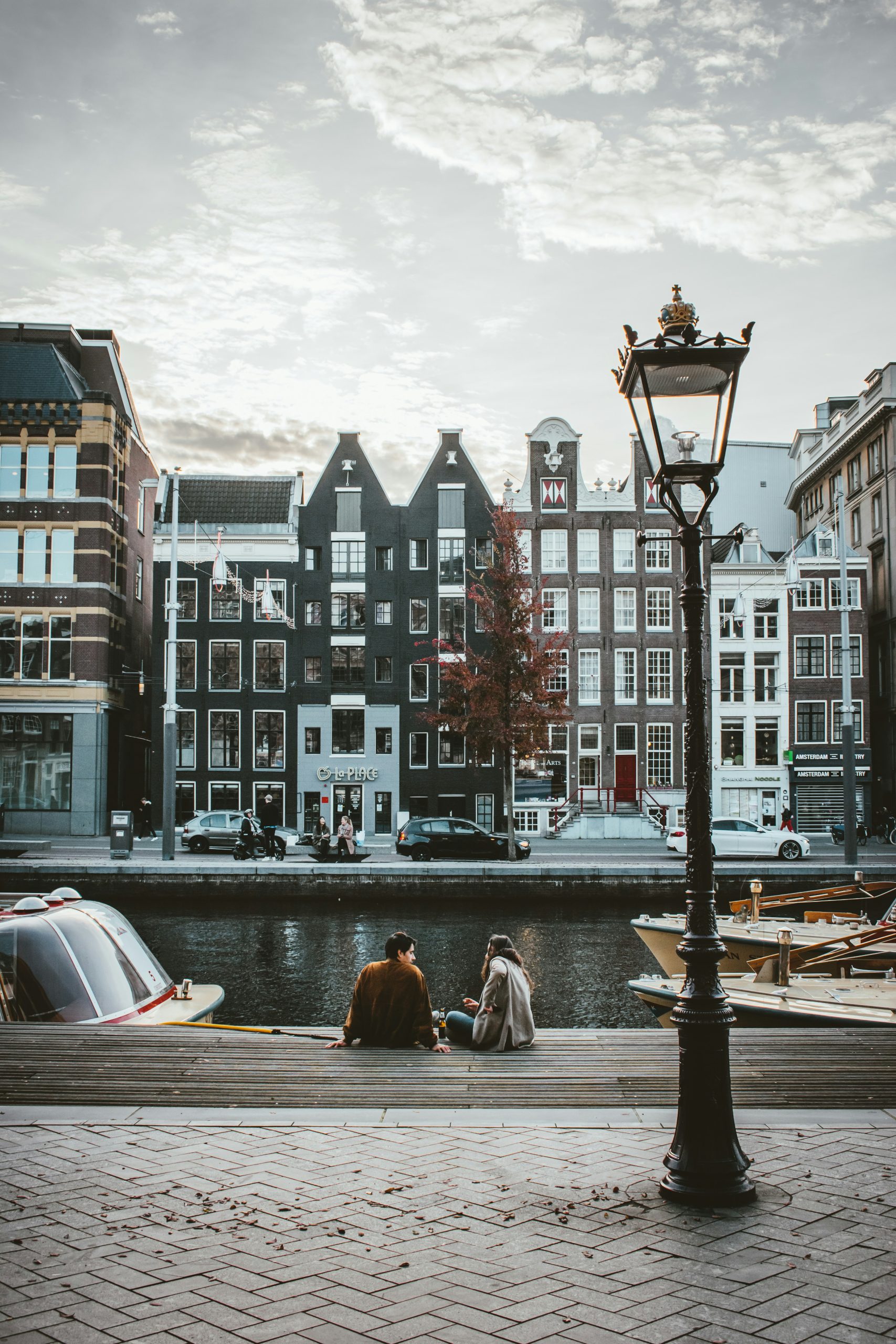
Cost of Living: Shared accommodation €600–€800 per month, studios €1,000+. Meals €12–€20, coffee €3–€4, beer €4–€5. Weekly groceries €50–€70.
Climate: Mild summers (20–25°C) and cool, wet winters (0–7°C), with frequent rain.
Culture: World-class museums, festivals, and live music alongside a liberal, progressive atmosphere. Strong arts, tech, and creative industries.
Social & Nightlife: Busy nightlife around Leidseplein and Rembrandtplein, plus clubs and festivals like King’s Day and Amsterdam Dance Event.
Lifestyle: Bike-centred and outdoorsy, with canals, parks, and terraces shaping daily life. Strong café culture and international community.
Inclusivity & Safety
LGBTQ+ Community
One of the world’s most LGBTQ+ friendly cities. Reguliersdwarsstraat is the main hub, and Amsterdam Pride is internationally renowned.




Top Attractions & Local Experiences
Must-Sees
- Rijksmuseum – Home to Dutch masterpieces, including works by Rembrandt and Vermeer.
- Van Gogh Museum – Dedicated to the life and art of Vincent van Gogh and his contemporaries.
- Anne Frank House – Historic house and museum telling the story of Anne Frank during WWII.
- Dam Square & Royal Palace – Central square and historic palace at the heart of the city.
- Vondelpark – Amsterdam’s largest park, popular with students for picnics and cycling.
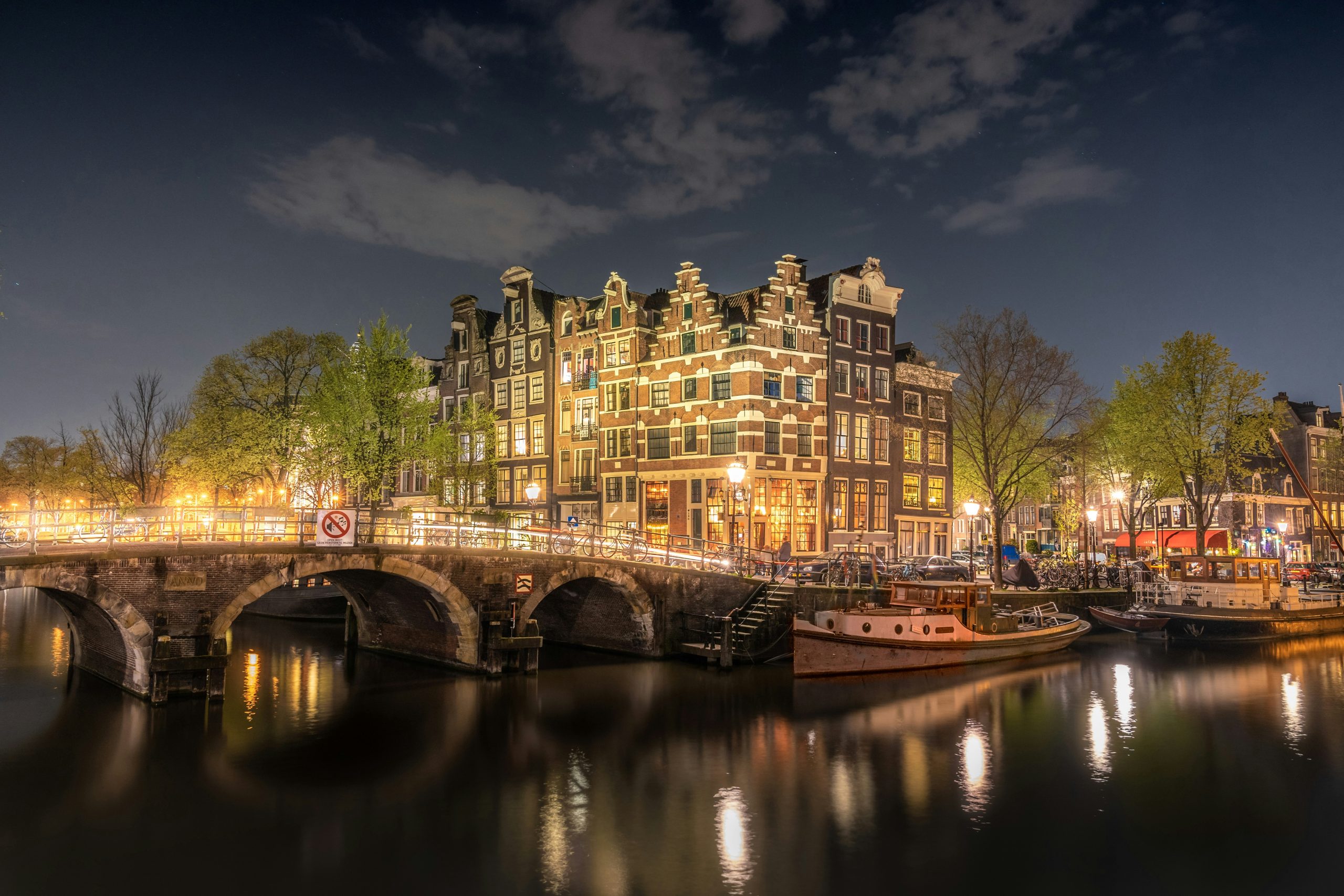
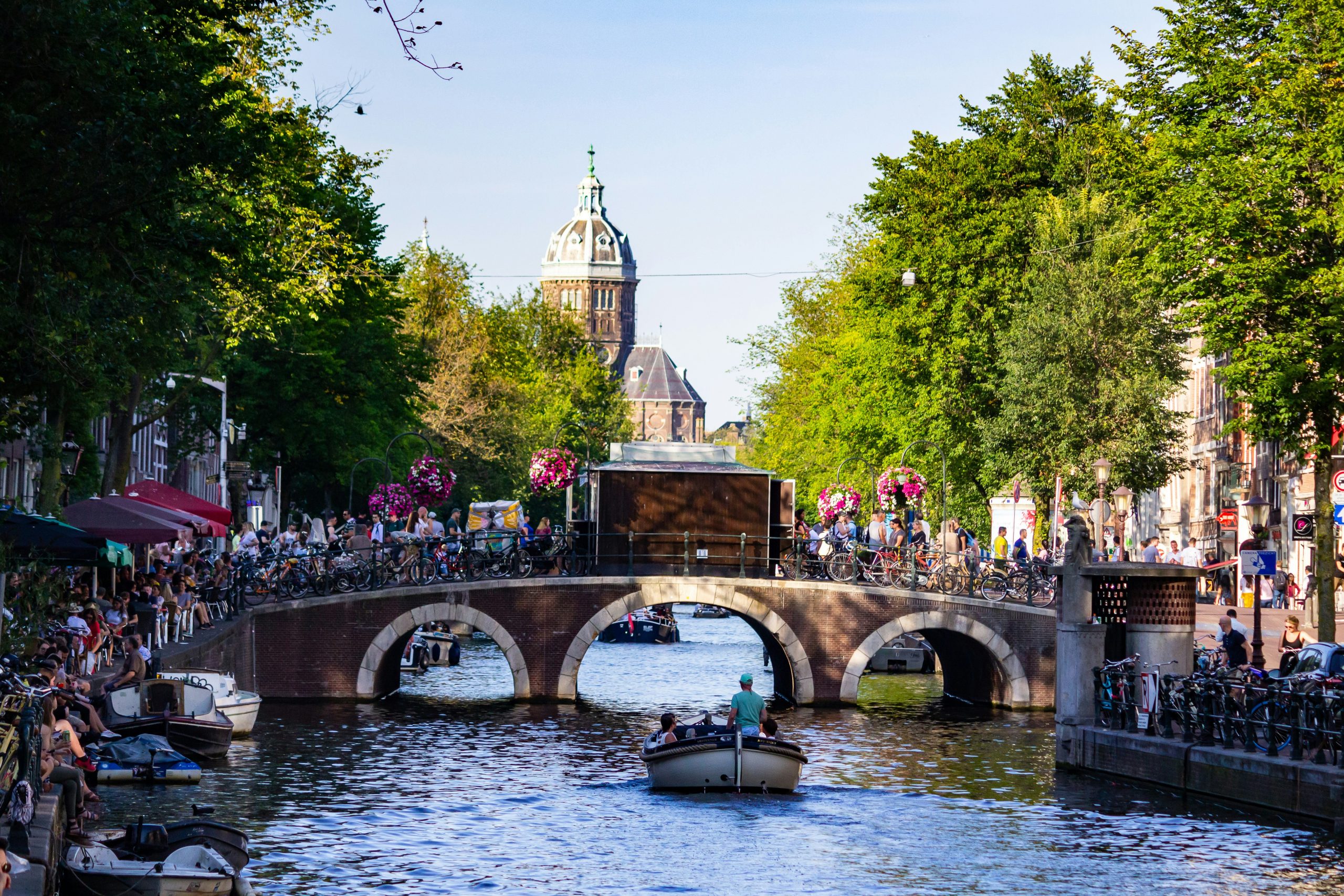
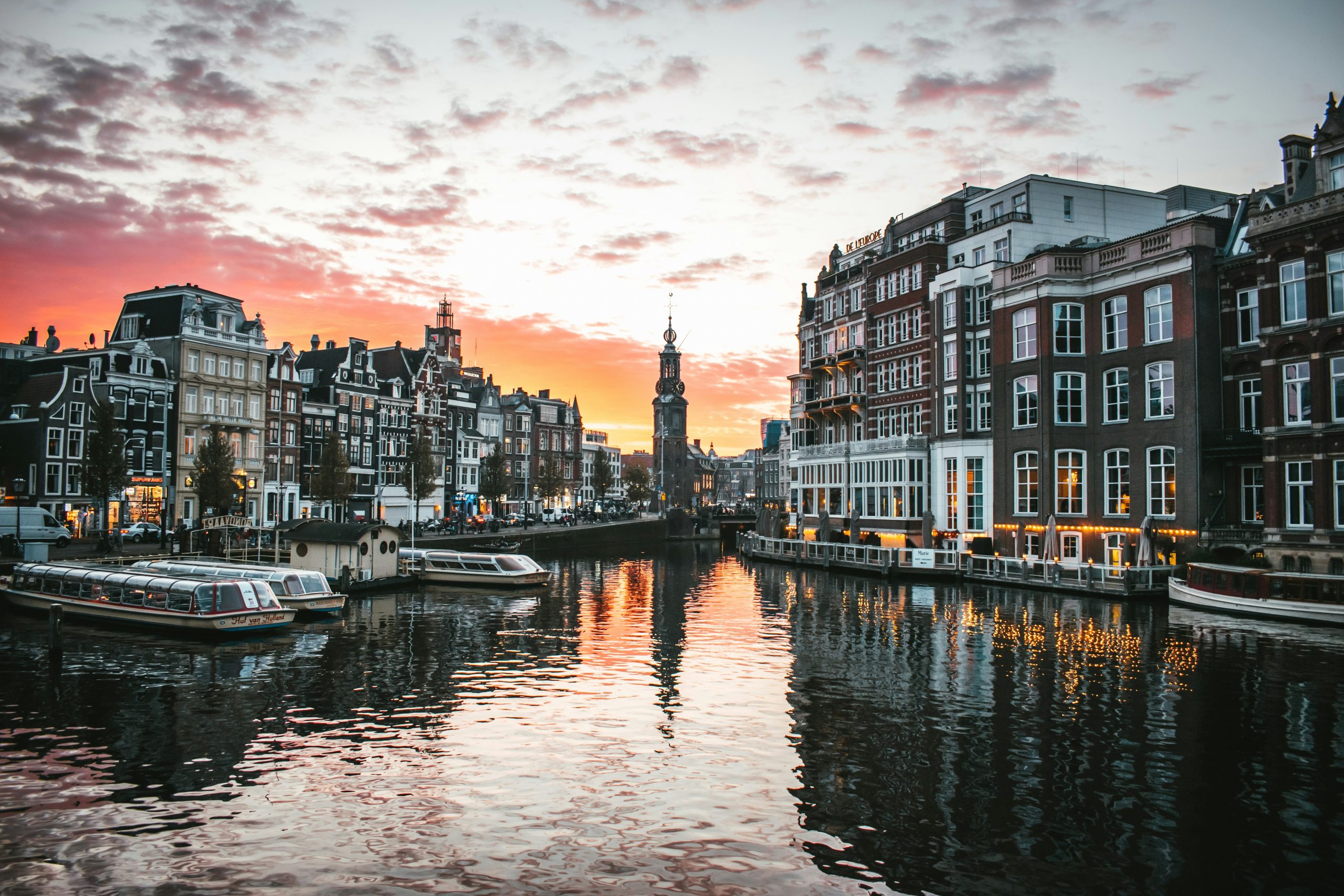
- Canal Belt (UNESCO) – Iconic ring of canals defining Amsterdam’s historic centre.
- Heineken Experience – Interactive brewery tour showcasing one of the Netherlands’ most famous exports.
Local Gems
- Albert Cuypmarkt – Famous street market in De Pijp with cheap food and local produce.
- NDSM Wharf – Creative hub in Amsterdam Noord with art spaces, events, and bars.
- Jordaan canals – Quiet streets, hidden cafés, and a more local side of Amsterdam.
- Foodhallen – Indoor food market in Oud-West popular with students and groups.
- IJ ferries – Free ferry rides across the river, offering great views of the city.
- King’s Day (Koningsdag) – Annual April street festival when the entire city turns orange.
- A’DAM Lookout – Rooftop tower in Noord with panoramic views and a famous swing.
Pre-departure Essentials
Documents & Visas: EU/EEA students do not need a visa. Non-EU students usually require a student visa and residence permit (MVV + VVR).
Health Insurance: Mandatory. EU students can use EHIC; non-EU students must arrange Dutch health insurance.
Banking: Major banks include ING, ABN AMRO, and Rabobank. Online banks like Bunq, Revolut, and N26 are popular.
SIM Cards: KPN, Vodafone, T-Mobile, and Lebara offer plans from around €10–€20 per month.
Post-arrival Essentials
Registration: Students must register at the gemeente to obtain a BSN (citizen service number). Non-EU students must collect their residence permit.
Banking & SIM: Open a Dutch bank account and purchase a local SIM card if needed.
Health & Safety: Health insurance is mandatory. Emergency services are accessed via 112.
Shopping: Main supermarkets include Albert Heijn, Jumbo, Lidl, and Dirk.
Apps: Useful apps include 9292 (transport), Thuisbezorgd (food delivery), Marktplaats (second-hand), Tikkie (payments), and OV-fiets (bike rental).