


Alicante (Spain)
Destination Overview
Alicante is a lively Mediterranean city on Spain’s Costa Blanca, known for its beaches, palm-lined promenades, and the hilltop Santa Bárbara Castle. With the University of Alicante and a strong Erasmus presence, it has a clear student atmosphere alongside a relaxed coastal lifestyle. Alicante is popular for its affordability, year-round sunshine, and social culture, making it a well-balanced choice for students who want both city life and the beach.
Quick Facts, Alicante

Climate
Hot summers and mild winters, with lots of sunshine throughout the year.

Cost of Living
Affordable, with student rooms typically €250–€400 and groceries €25–45 per week.

Lifestyle
Beach-focused and relaxed, with a walkable centre and strong outdoor social culture.

Vibe
Sunny, social, and student-friendly, with a big international presence.

Safety
Generally safe, though pickpocketing can happen in busy tourist and nightlife areas.

Transport
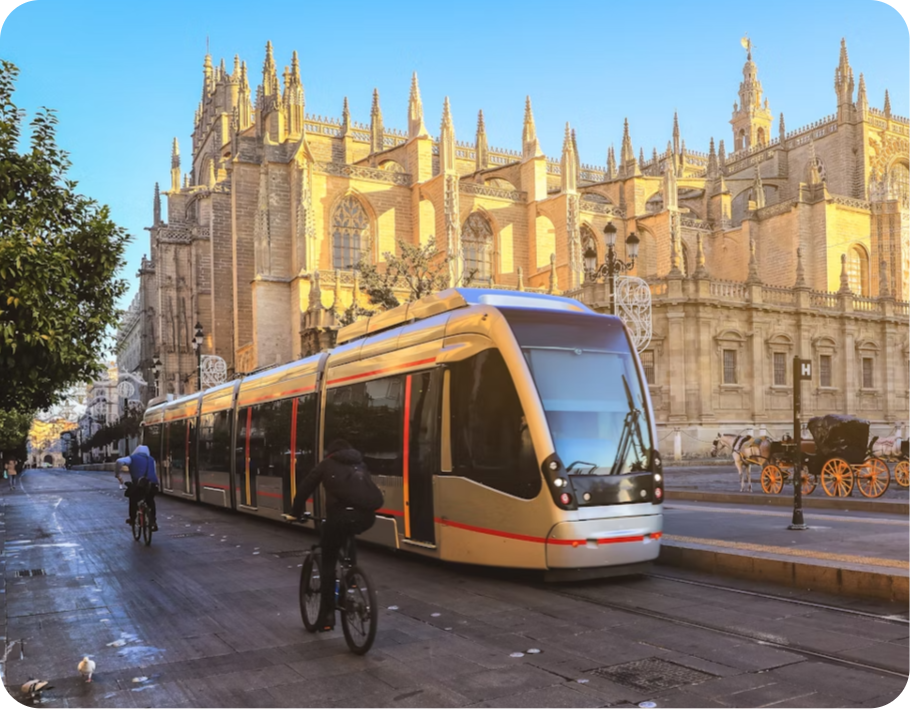
Good local buses and a tram network connecting the city with coastal districts and nearby towns.
Areas & Neighbourhoods
1. El Centro / Casco Antiguo (Old Town)
▲Historic and central, with narrow streets, tapas bars, and nightlife concentrated around El Barrio. Very lively and convenient, though noisy at night and with older housing.
2. Ensanche-Diputación
▼3. Benalúa
▼4/5. Carolinas Altas & Bajas
▼6. Playa de San Juan
▼7. Albufereta
▼Transport
Within Alicante

Buses

Trams

Walking / Cycling
Domestic & International

Bus

Airport

Train
Culture & Lifestyle

Cost of Living: Affordable for a coastal Spanish city. Shared flats usually cost €250–€400 per month, studios €500–€700. Meals €8–12, coffee €1.50–2, beer €2–3. Weekly groceries average €25–45.
Climate: Mediterranean climate with hot, dry summers (30–35°C) and mild winters (10–17°C), with lots of sunshine year-round.
Culture: A blend of Spanish and Mediterranean traditions, known for Santa Bárbara Castle, seafront life, and major festivals such as the Bonfires of San Juan (Hogueras).
Social & Nightlife: Strong student nightlife around the Old Town (El Barrio), with tapas bars, clubs, and late evenings. Beach areas also have lively summer social scenes.
Lifestyle: Relaxed, sunny, and highly student-friendly, combining beach living with a walkable city centre.
Inclusivity & Safety
LGBTQ+ Community
Welcoming, with LGBTQ+-friendly nightlife and Pride events.





Top Attractions & Local Experiences
Must-Sees
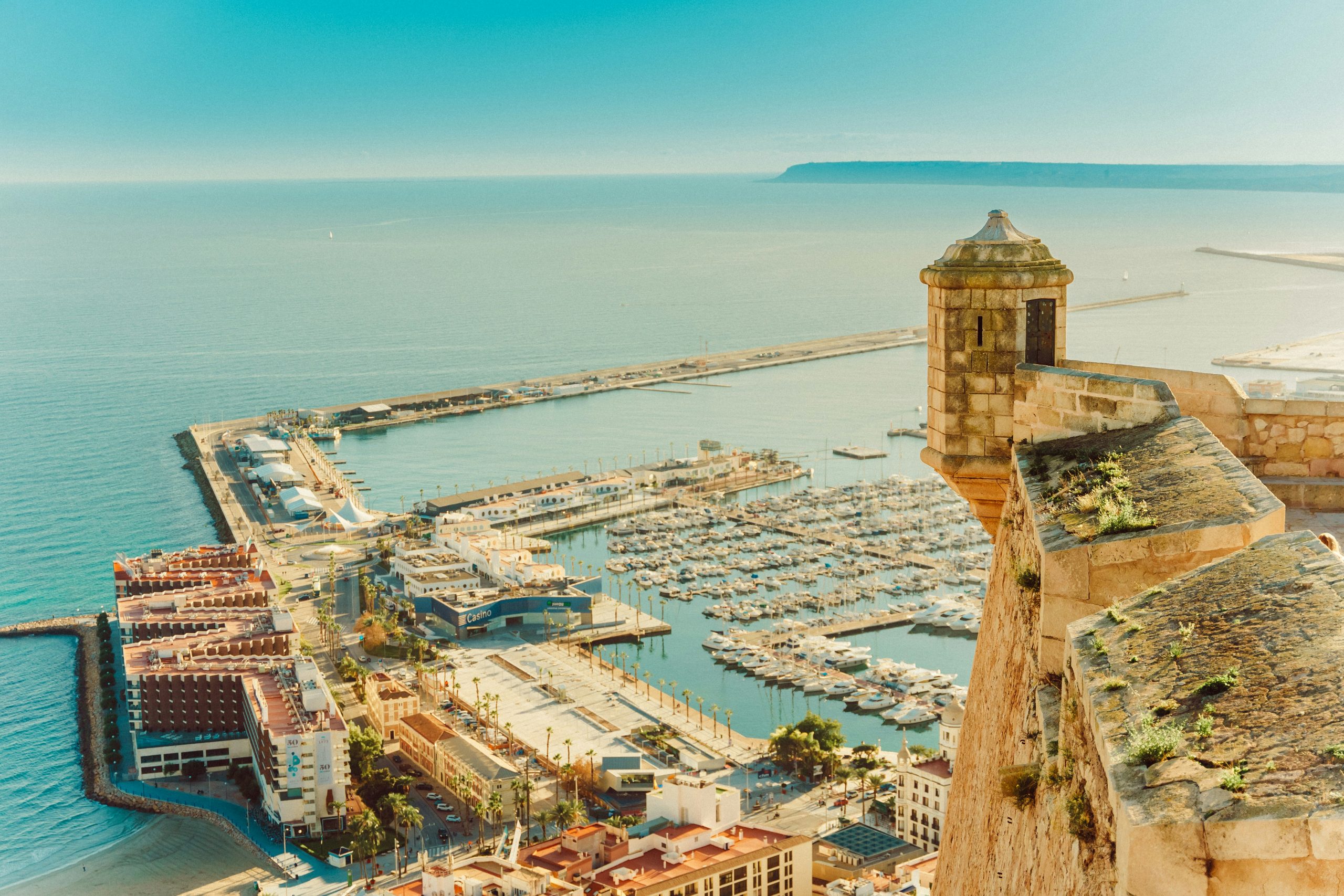
- Alicante is considered safe, though pickpocketing can occur in busy tourist zones and nightlife areas. – Hilltop fortress with panoramic views over Alicante and the coast.
- Explanada de España – Iconic palm-lined promenade, popular for evening strolls.
- Postiguet Beach – Central city beach at the foot of the castle.
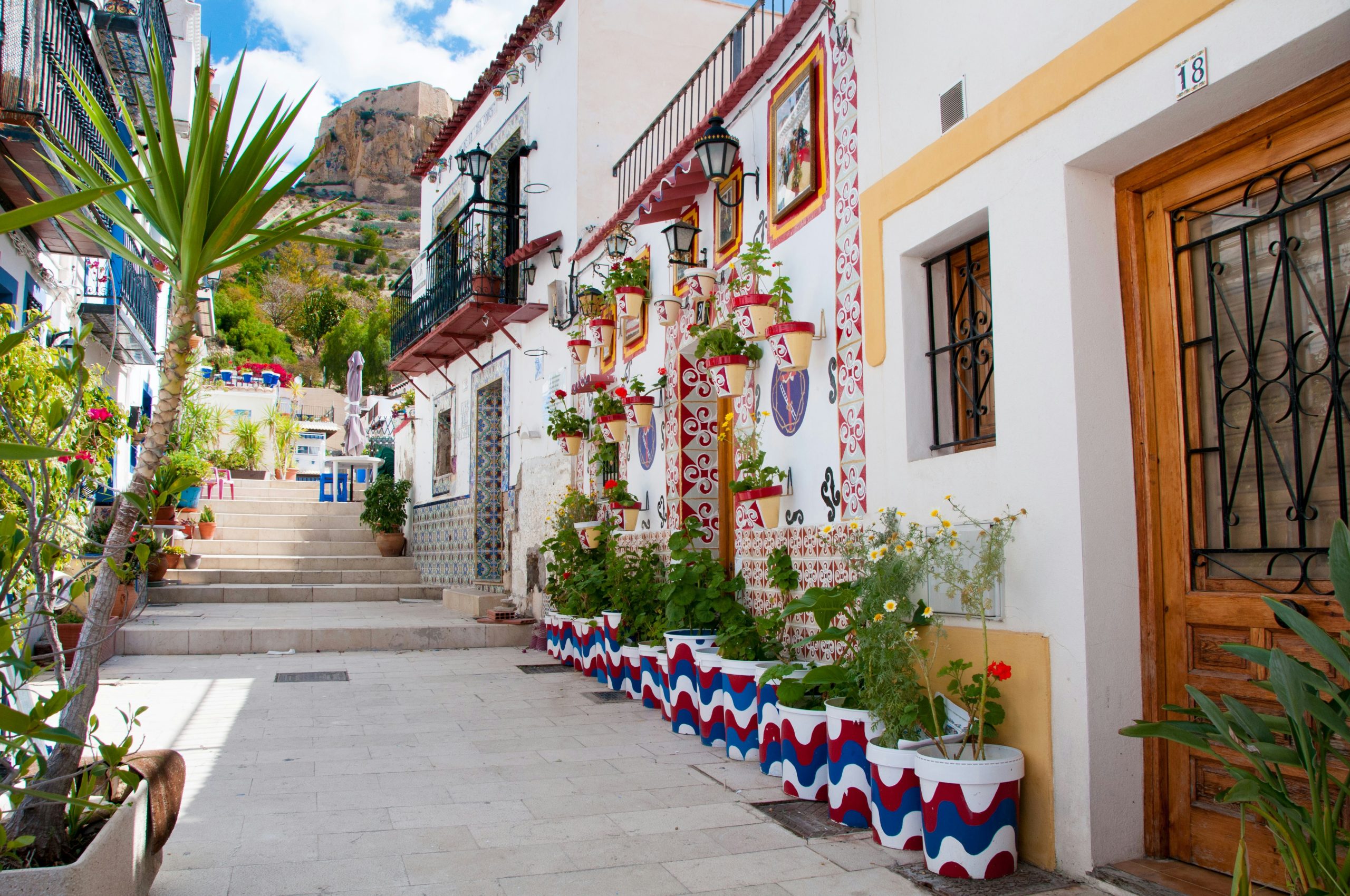
- Casco Antiguo & El Barrio – Historic old town and main nightlife zone.
- MARQ Archaeological Museum – Award-winning museum with strong Roman and Iberian collections.
- Basilica of Santa Maria – Historic church in the old town, built on earlier foundations.
- Tabarca Island – Easy day trip to Spain’s only inhabited island, known for clear water and seafood.
Local Gems
- Bonfires of San Juan (Hogueras) – Major June festival with fireworks, street parties, and large artistic sculptures.
- Mercado Central – Local market for fresh produce and quick, affordable food.
- Day trips to Altea, Calpe, or Villajoyosa – Classic Costa Blanca escapes with beaches and old towns.
- El Palmeral Park – Palm-filled park popular for walks and relaxed afternoons.
- Weekend ‘tardeo’ and tapas culture – Local tradition of afternoon socialising that’s popular with students.

Pre-departure Essentials
Documents & Visas: EU students do not need a visa to study or live in Spain. UK students and other non-EU nationals usually need a Spanish student visa if staying longer than 90 days, arranged before arrival through the Spanish consulate.
Health Insurance: EU students should bring a valid EHIC. UK students should apply for a GHIC. Non-EU students must arrange private health insurance that meets visa requirements.
Banking: Spanish banks such as Santander, BBVA, and CaixaBank are widely used. Many students also use Revolut or N26, though a Spanish account may be required for rent.
SIM Cards: SIM cards are easy to buy from Movistar, Vodafone, Orange, and MásMóvil, with monthly plans from around €10–20.
Post-arrival Essentials
Registration: Students staying longer than three months must register their address at the town hall (empadronamiento). Non-EU students must apply for a Foreigner Identity Card (TIE).
Banking & SIM: Open a Spanish bank account and purchase a local SIM card if not arranged before arrival.
Health & Safety: Carry your EHIC/GHIC or insurance details. Emergency number is 112. Pharmacies are widespread.
Shopping: Major supermarkets include Mercadona, Carrefour, Dia, Lidl, and Consum.
Apps: Useful apps include Moovit (transport), Glovo (delivery), Too Good To Go (discount food), and Bizum (payments).