


From Culture Shock to Confidence: Overcoming Year Abroad Challenges
Maxwell Adams | March 3, 2026 | Myths, Worries & Reality Checks
Feeling nervous about your year abroad? You’re not alone, and those nerves are completely normal.
Every student feels a mix of excitement and anxiety before heading overseas. You’re about to start something incredible, but it’s also a big change. There will be moments when everything feels new, confusing, or even overwhelming. That’s all part of the journey.
The truth is, almost everyone experiences some form of culture shock when they move abroad. But here’s the good news: with time, patience, and the right mindset, it turns into one of the most rewarding experiences you’ll ever have. This guide will help you understand what’s going on, how to handle it, and how to grow your confidence along the way.
What Is Culture Shock on a Year Abroad?
Culture shock happens when you suddenly find yourself surrounded by a completely new way of life. It’s not just about language or food. It’s the little things too, like how people greet each other, how shops work, or how different the daily rhythm feels.
You might find yourself missing familiar routines, craving your favourite foods, or feeling tired from constantly adapting. That’s totally normal. Your brain is processing a lot of change, and it needs time to adjust.
The key thing to remember is that culture shock doesn’t mean you’re doing badly. It’s just your mind settling into a new environment.

Common Year Abroad Challenges Students Face
Everyone’s experience abroad is unique, but most people face a few of these challenges at some point:
- Homesickness. You’ll miss family, friends, or even little things like your favourite takeaway or your own bed.
- Language barriers. Speaking or understanding another language can feel intimidating at first.
- Loneliness. Making new friends takes time, and that’s okay.
- Academic or work differences. Different teaching styles or workplace cultures can take a bit of getting used to.
- Overwhelm. It’s easy to feel exhausted from constant new experiences and decision-making.
These moments are temporary. As you find your rhythm, meet people, and build routines, everything begins to feel familiar again.
How to Cope with Culture Shock in the First Weeks
The first few weeks abroad are often the hardest, but they’re also when you grow the most. Here are a few ways to make the transition easier:
- Set small goals. Learn a few phrases in the local language, explore your neighbourhood, or find a café that feels like your spot.
- Stay connected. Keep in touch with family and friends, but don’t spend all your free time on video calls. Let yourself be present where you are.
- Create a routine. Having structure helps you feel settled. Balance rest, study or work, and time for fun.
- Document your journey. Keep a journal, take photos, or record voice notes. It’s amazing to look back and see how far you’ve come.
Remind yourself that everyone struggles at first. Each small step forward counts.
Building a Support Network Abroad
When you’re in a new country, people make all the difference.
Join student societies, sports clubs, or language exchange groups. These are some of the easiest ways to meet people who are also adjusting to life abroad. Don’t be afraid to introduce yourself. Most people are just as keen to make friends as you are.
If you’re doing a work placement, chat to colleagues or other interns. Even a quick coffee or lunch break conversation can lead to friendships.
It’s also completely fine to ask for help. Your university, employer, or programme coordinator will have support systems in place. Everyone abroad is looking for connection, and you’ll quickly realise you’re never as alone as you think.


Remember, Everyone’s in the Same Boat
When you arrive abroad, it’s easy to think you’re the only one who feels unsure or out of place, but you’re not. Almost everyone around you is going through the same thing, even if they don’t show it.
Every international student, intern, or traveller has those quiet moments of “What am I doing?” or “Am I fitting in?” You’re not behind, you’re not failing, and you’re definitely not alone.
Don’t be afraid to put yourself out there. Say hello first, invite someone for coffee, or join that group chat even if you feel nervous. The same way you wish someone would reach out to you, others are hoping for that too.
Once you take that first step, you’ll be amazed by how many people feel exactly the same way.
Change Your Perspective – Challenges Mean Growth
Culture shock can feel uncomfortable, but it’s also a huge opportunity for growth. Every challenge you face abroad teaches you something about yourself.
Maybe it’s learning to speak up in another language, navigating a new city by yourself, or handling an unfamiliar situation with confidence. Those small wins add up, and before you know it, you’re doing things that once felt impossible.
Try to see each difficult moment as part of the learning curve. You’re not just surviving abroad; you’re growing into a more adaptable, confident version of yourself.
When to Reach Out for Extra Support on Your Year Abroad
If you ever feel like things are getting too heavy, please know that asking for help is a sign of strength, not weakness. Everyone adjusts at their own pace.
Here are some good places to turn for support:
- Your university’s student services or counselling team
- Programme coordinators or mentors
- Friends or family back home who can listen and encourage you
Talking about how you feel often helps more than you expect. You don’t have to figure it all out alone.
Conclusion – You’ve Got This
Every student abroad faces challenges, but those challenges are what make the experience truly transformative.
You’ll learn, adapt, and surprise yourself with what you’re capable of. One day, you’ll look back and realise that the moments that once felt hard were the ones that shaped you most.
So when culture shock hits, take a deep breath. It’s all part of the adventure. With time and confidence, you’ll find your rhythm, build new friendships, and turn every challenge into a story worth telling.
You’ve got this.
Want to know a bit more about your host city? Check out our destination guides!
CATEGORIES
MORE FROM THE BLOG
-
How a Year Abroad Boosts Your Career (and How to Leverage It)
March 27, 2026 | Myths, Worries & Reality Checks
-
Cultural Etiquette 101: Do’s and Don’ts Around Europe
February 12, 2026 | Myths, Worries & Reality Checks
-
Step-by-Step Guide to Applications and Visas for a Year Abroad in Europe
January 28, 2026 | Admin & Applications
-
Budgeting 101 for Your Year Abroad – Scholarships, Grants and Saving Tips
January 28, 2026 | Myths, Worries & Reality Checks
-
Do I Need to Speak the Language? – Year Abroad in Europe for English Speakers
January 28, 2026 | Myths, Worries & Reality Checks
DISCOVER BY YEAR
Related posts
Explore more stories from the blog

Budgeting 101 for Your Year Abroad – Scholarships, Grants and Saving Tips
Worried about how to afford your year abroad? Don’t stress. With a little planning and the right support, it’s completely doable.
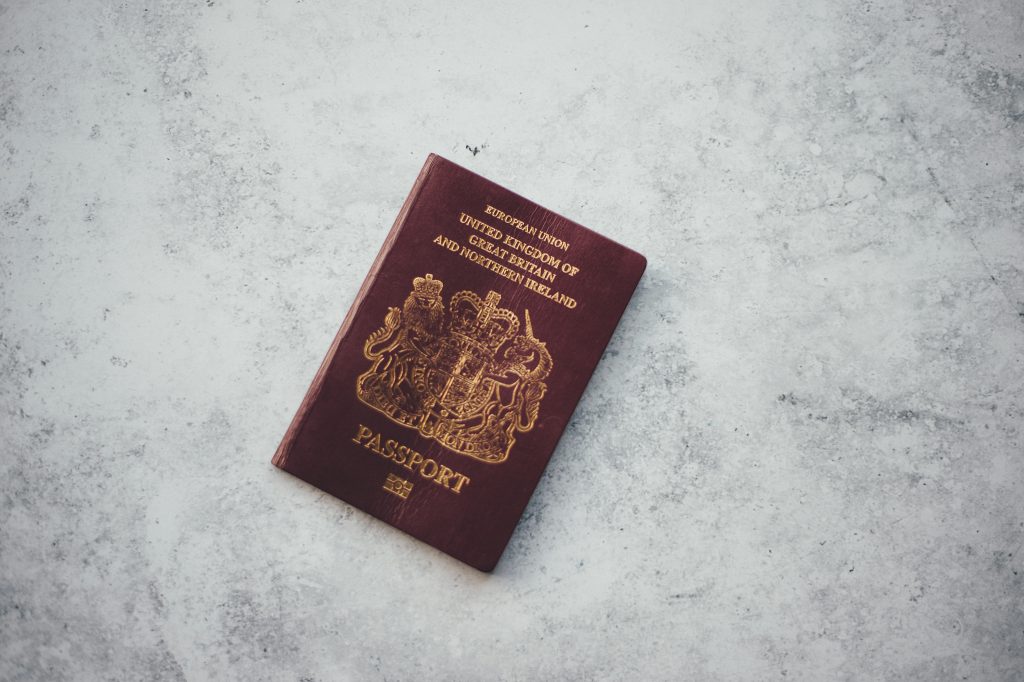
Step-by-Step Guide to Applications and Visas for a Year Abroad in Europe
Feeling overwhelmed by the admin side of going abroad? Don’t worry — once you know what to expect, it’s much easier than it seems.

How a Year Abroad Boosts Your Career (and How to Leverage It)
Feeling overwhelmed by the idea of choosing your year abroad destination? Take a deep breath - this is the exciting part!

How to Choose the Perfect Year Abroad Destination
Feeling overwhelmed by the idea of choosing your year abroad destination? Take a deep breath - this is the exciting part!

Cultural Etiquette 101: Do’s and Don’ts Around Europe
Worried about accidentally offending someone during your year abroad? Don’t be. A little awareness goes a long way.

Do I Need to Speak the Language? – Year Abroad in Europe for English Speakers
Worried about going abroad without knowing another language? Don’t panic – you’re definitely not alone.