


Osaka (Japan)
Destination Overview
Osaka, Japan’s third-largest city, is a major economic, cultural, and academic hub in the Kansai region. Known for its welcoming atmosphere, vibrant street life, and famous food culture, it offers a more relaxed and outgoing feel than Tokyo. Home to institutions such as Osaka University and Kansai University, Osaka is a popular choice for UK students undertaking Japanese language years abroad, business placements, and academic exchanges, thanks to its excellent transport links, high safety standards, and comparatively lower living costs.
Quick Facts, Osaka

Climate
Four seasons with hot, humid summers and cool winters. Spring and autumn are mild and comfortable.

Cost of Living
Lower than Tokyo. Shared student rooms typically ¥50,000–¥75,000/month; studios ¥75,000–¥110,000.

Lifestyle
Energetic, social, and food-focused, with a strong student presence and easy regional travel.

Vibe
Friendly, outgoing, and informal — often considered Japan’s most approachable major city.

Safety
Extremely safe, with very low crime and excellent public transport security.

Transport
Extensive rail and subway networks make commuting simple across the city and region.
Areas & Neighbourhoods
1/2. Suita & Toyonaka (North Osaka)
▲The main student areas, home to major campuses of Osaka University and Kansai University. Residential, affordable, and calm, with strong student communities and easy train access to central Osaka.
3. Umeda (Kita Ward)
▼4. Namba (Chūō / Naniwa Wards)
▼5. Tennoji
▼6. Fukushima
▼Transport
Within Osaka

Trains & Subways

Buses

Cycling

Walking
Domestic & International

Bus

Airport

Train
Culture & Lifestyle
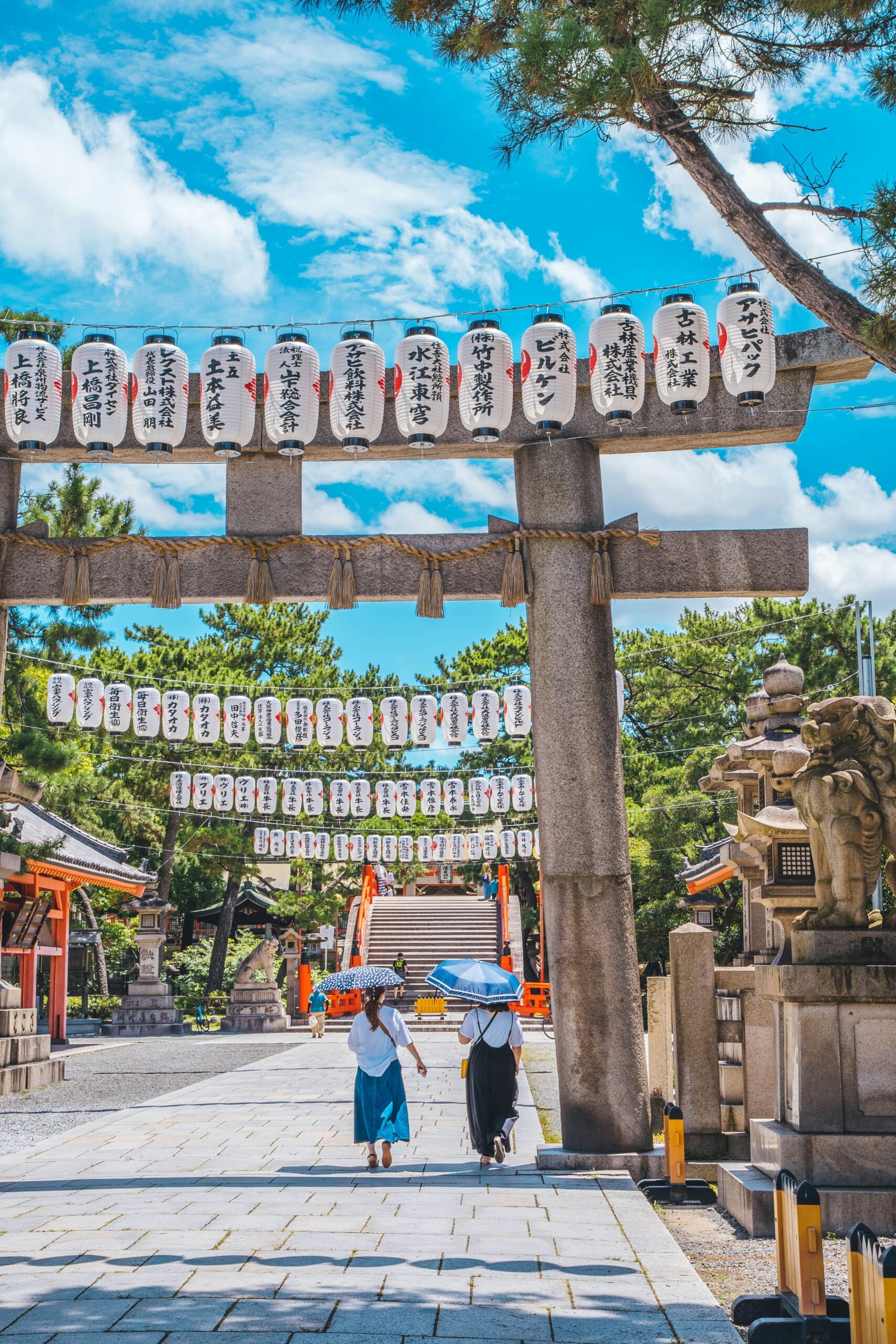
Cost of Living: Generally lower than Tokyo. Student rooms ¥50,000–¥75,000/month; studios ¥75,000–¥110,000. Meals ¥700–¥1,200, coffee ¥400–¥600, groceries around ¥8,000–¥12,000/month.
Climate: Hot, humid summers and cool winters. Spring cherry blossom season and autumn foliage are particularly pleasant.
Culture: Osaka is famous for its street food — especially takoyaki and okonomiyaki — as well as its humour and informal atmosphere. The city blends modern urban living with historic districts and temples.
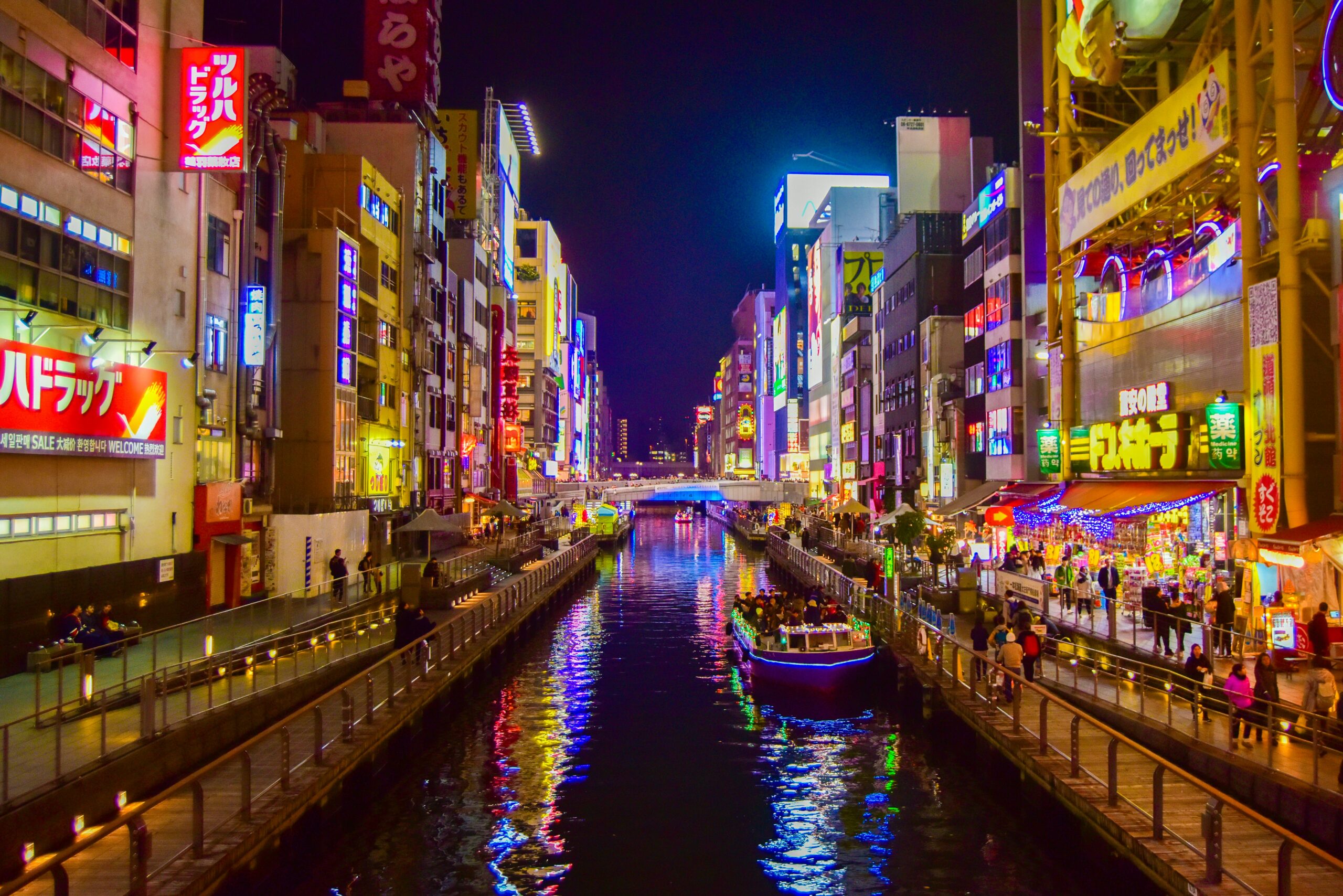
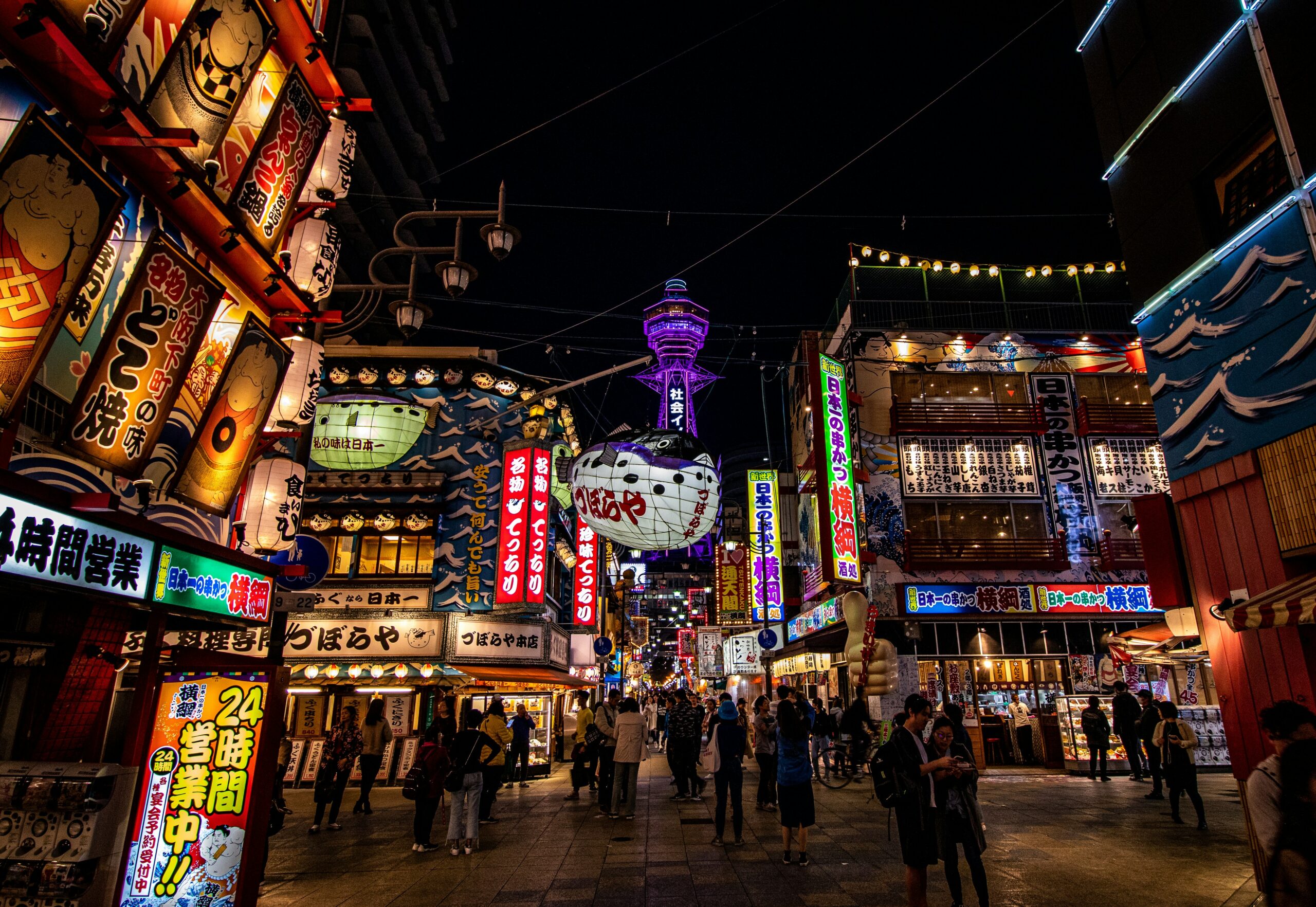
Social & Nightlife: Very active. Nightlife centres around Namba, Umeda, and Shinsekai, with izakayas, bars, live music venues, and student-friendly hangouts.
Lifestyle: Fast-paced but friendly. Students enjoy weekday city life and easy weekend travel to neighbouring Kansai cities.
Inclusivity & Safety
LGBTQ+ Community
Osaka is considered one of Japan’s more LGBTQ+-friendly cities, with visible communities and venues in central districts.






Top Attractions & Local Experiences
Must-Sees
- Osaka Castle – Historic landmark set within a large park, popular for picnics and cherry blossoms.
- Dotonbori – Neon-lit canal district famous for street food, nightlife, and iconic city views.
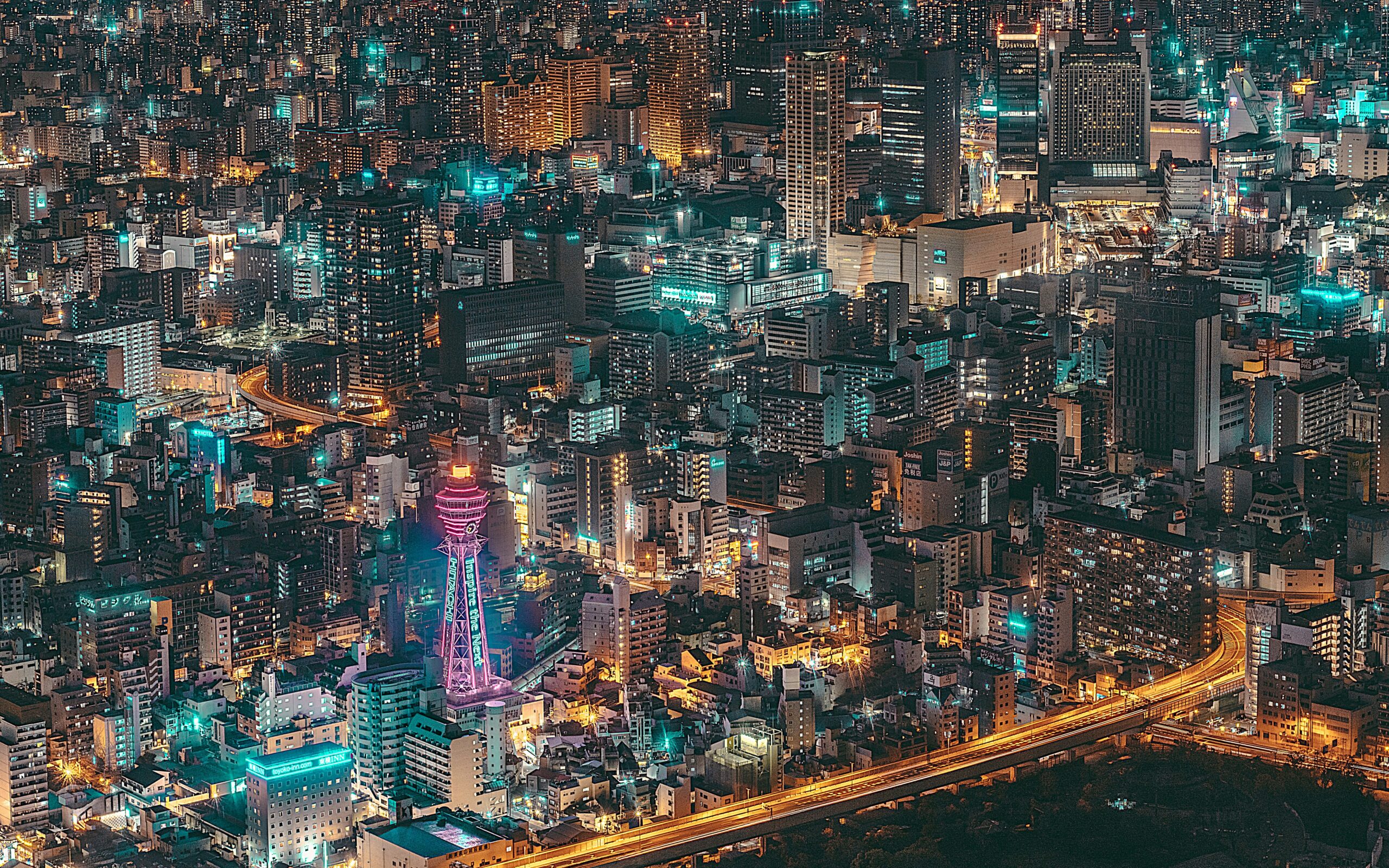
- Umeda Sky Building – Floating observatory with panoramic skyline views.
- Shitenno-ji – One of Japan’s oldest Buddhist temples and a peaceful cultural escape.
- Shinsekai – Retro neighbourhood known for local street food and old-school Osaka atmosphere.
- Kuromon Market – Lively food market for fresh seafood, snacks, and affordable lunches.
Local Gems
- Local izakayas near university areas – Affordable drinks and casual social spots popular with students.
- Nakazakicho – Indie cafés, vintage shops, and a creative neighbourhood vibe.
- Riverside walks along the Okawa River. – Scenic strolls, especially beautiful during cherry blossom season.
- Student eateries in Tennoji. – Budget-friendly local restaurants and late-night food options.
- Day trips to Kyoto, Kobe, and Nara. – Easy regional escapes by train for culture, food, and nature.
- Seasonal street food festivals and community events. – Pop-up stalls and local celebrations throughout the year.
Pre-departure Essentials
Documents & Visas: UK students require a Japanese student visa for long-term study. Universities provide a Certificate of Eligibility to support the visa application.
Health Insurance: Students must enrol in Japan’s National Health Insurance after arrival, reducing healthcare costs significantly.
Banking: A Japanese bank account may be required for rent or scholarships. Many students initially rely on UK cards or Wise before opening a local account.
SIM Cards: Mobal, Sakura Mobile, and other providers offer student-friendly SIMs and eSIM options.
Post-arrival Essentials
Registration: Students must register their address at the local ward office shortly after arrival and receive their Residence Card.
Banking & SIM: Opening a Japanese bank account may be necessary depending on accommodation or scholarship requirements. A local SIM or eSIM is essential for daily communication.
Health & Safety: Enrol in National Health Insurance at the ward office. Clinics and pharmacies are widely available.
Shopping: Major supermarkets include Life, Aeon, and Gyomu Super. Convenience stores are accessible across all districts.
Apps: Google Maps (transport), LINE (communication), PayPay (payments), ICOCA (transport card), Wise (money transfers), Uber (limited use).