


Kyoto (Japan)
Destination Overview
Kyoto, located in the Kansai region of Japan, is one of the country’s most important academic and cultural centres. Formerly Japan’s imperial capital, Kyoto is known for its temples, traditional neighbourhoods, and strong university presence. It is home to world-renowned institutions such as Kyoto University and several private universities, making it a very popular destination for UK students undertaking a Japanese language year abroad or academic exchange. Kyoto offers a unique blend of traditional culture and modern student life, with excellent safety, public transport, and quality of life.
Quick Facts, Kyoto

Climate
Four seasons with hot, humid summers and cold winters. Spring (cherry blossom season) and autumn are mild and very popular.

Cost of Living
Moderate for Japan. Shared student rooms typically ¥50,000–¥80,000/month; studios ¥80,000–¥120,000.

Lifestyle
Calm, academic, and culturally rich, with a strong balance between study life and traditional experiences.

Vibe
Historic, peaceful, and student-focused — traditional Japan blended with modern university life.

Safety
Extremely safe, with very low crime and excellent public services.

Transport
Efficient buses, two subway lines, and widespread cycling make getting around simple.
Areas & Neighbourhoods
1. Sakyo Ward (Yoshida / Demachiyanagi)
▲The city’s main student hub, centred around Kyoto University. Full of affordable housing, cafés, libraries, and riverside hangouts along the Kamo River. Extremely popular with both Japanese and international students.
2. Kita Ward
▼3. Nakagyo Ward (Central Kyoto)
▼4. Shimogyo Ward (Kyoto Station Area)
▼5. Higashiyama Ward
▼Transport
Within Kyoto

Subway

Buses

Cycling

Walking
Domestic & International

Bus

Airport

Train
Culture & Lifestyle
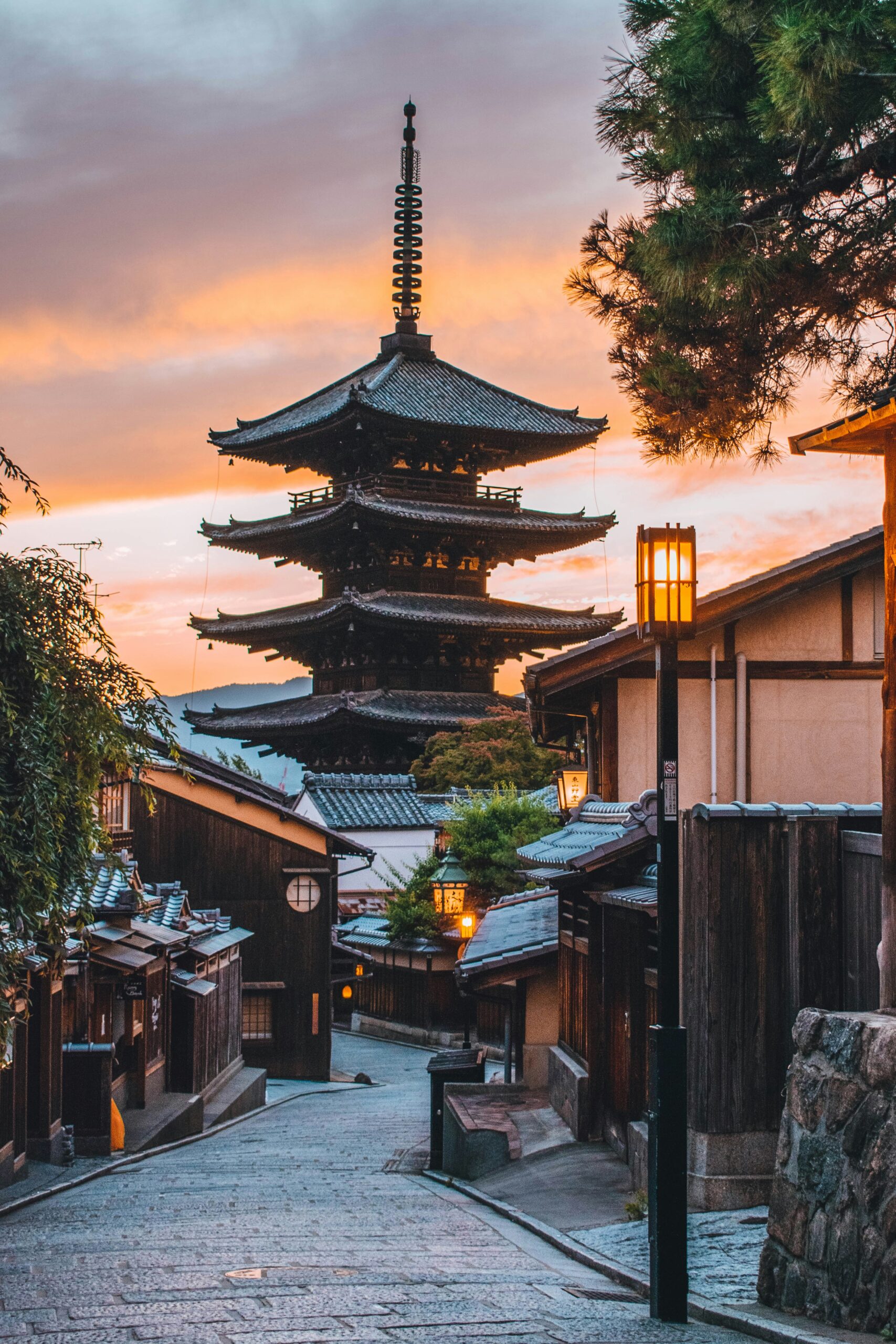
Cost of Living: Moderate by Japanese standards. Student rooms ¥50,000–¥80,000/month; studios ¥80,000–¥120,000. Meals typically ¥700–¥1,200, coffee ¥400–¥600, groceries around ¥8,000–¥12,000/month.
Climate: Hot, humid summers and cold winters. Spring and autumn bring cherry blossoms and autumn leaves, when the city is at its most beautiful.
Culture: Kyoto is Japan’s cultural heart — famous for temples, shrines, tea culture, traditional arts, and seasonal festivals. Students experience everyday life alongside centuries-old traditions.
Social & Nightlife: Much quieter than Tokyo or Osaka. Student social life centres around university districts and central Kyoto, with izakayas, cafés, and small bars.
Lifestyle: Calm, safe, and study-oriented. Students balance academics with cycling, cultural exploration, and weekend trips to Osaka or Nara.
Inclusivity & Safety
LGBTQ+ Community
Japan is socially conservative, but Kyoto’s student and international communities are generally open and welcoming. LGBTQ+-friendly venues are mainly found in central areas.






Top Attractions & Local Experiences
Must-Sees
- Kinkaku-ji – Iconic Golden Pavilion temple.
- Fushimi Inari Taisha – Thousands of red torii gates.
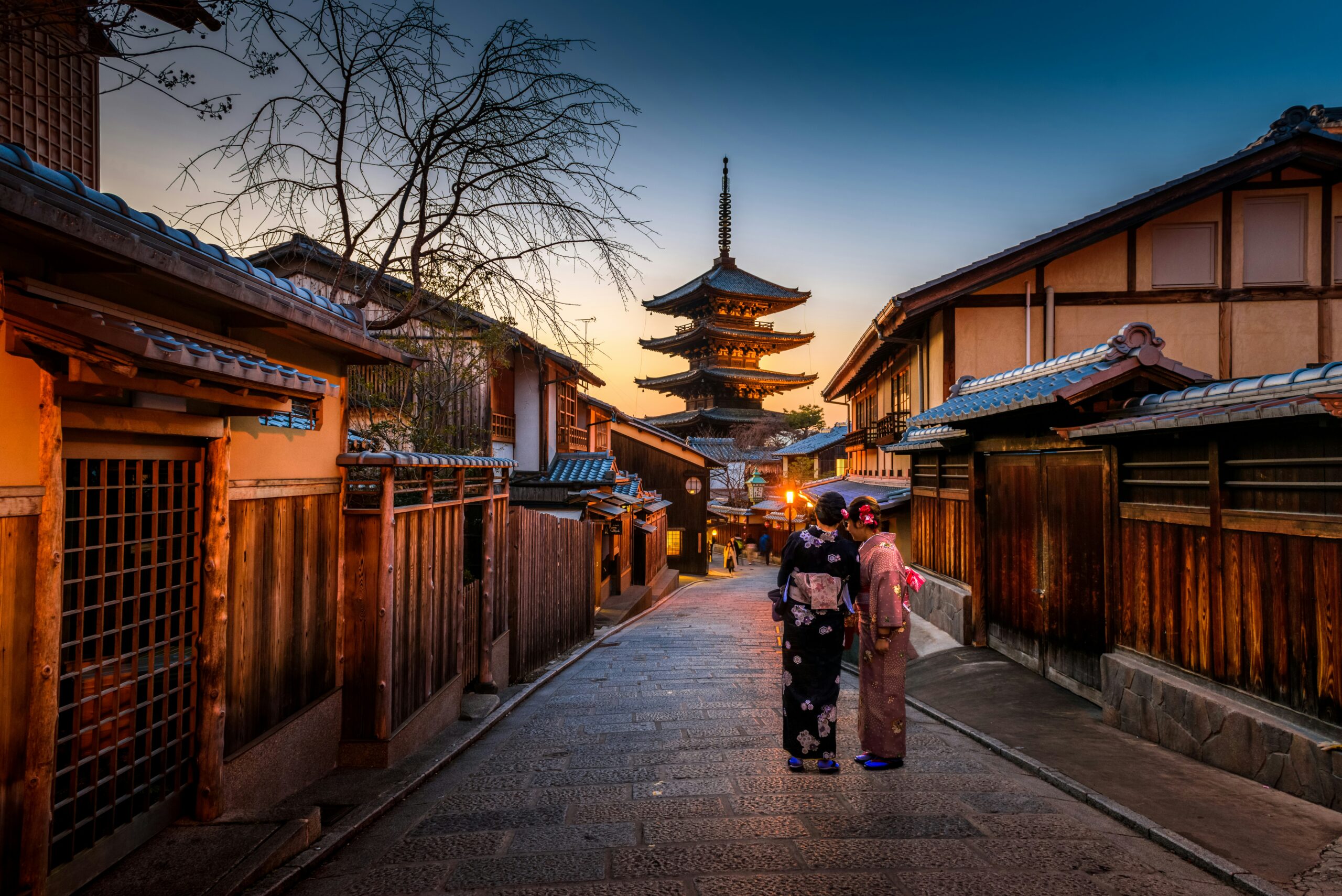
- Gion District – Traditional streets and teahouses.
- Kiyomizu-dera – Historic temple with panoramic views.
- Kyoto Imperial Palace –
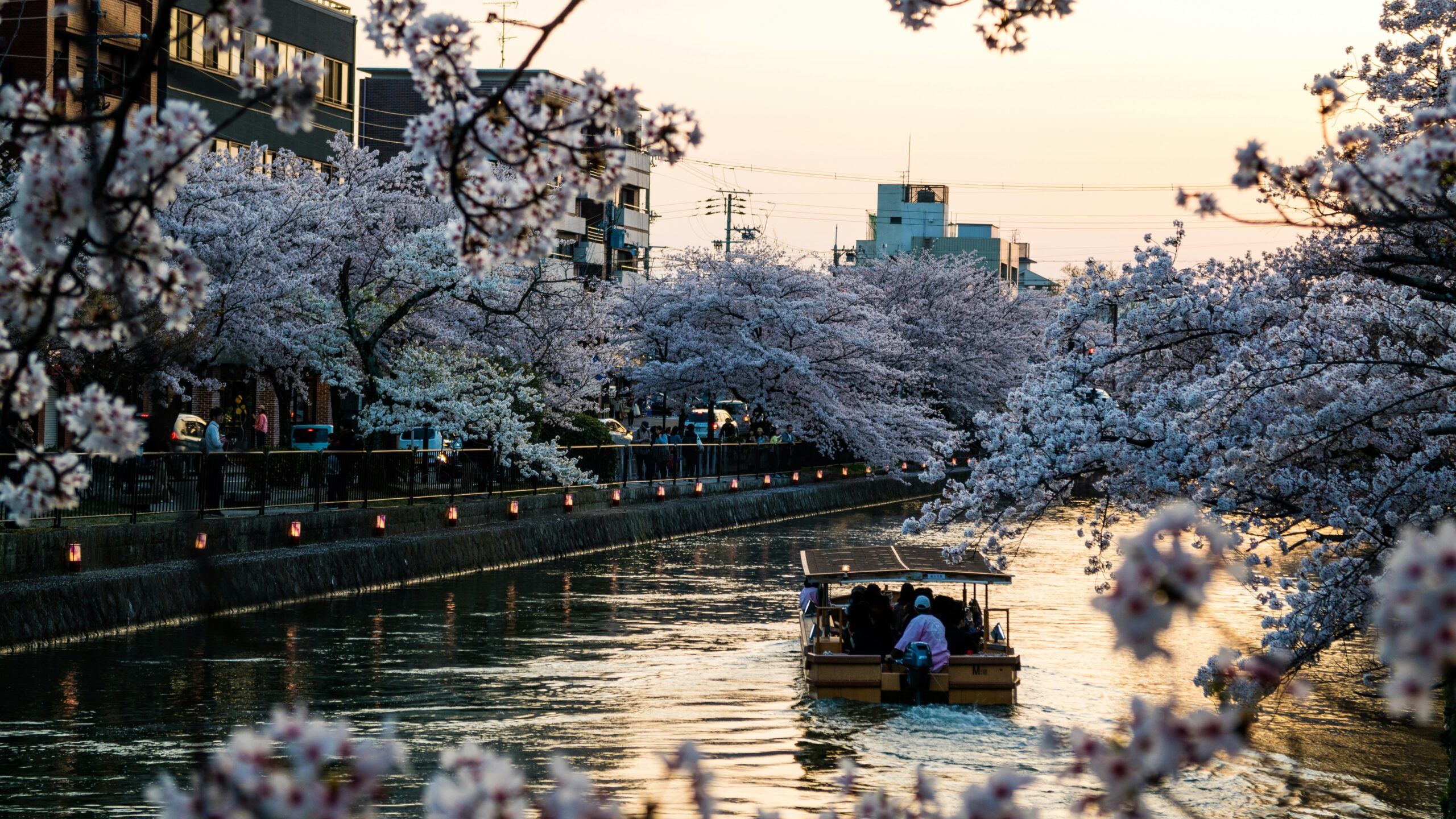
- Philosopher’s Path – Scenic canal walk, especially during cherry blossom season.
Local Gems
- Kamo River – Student hangout and cycling route.
- Demachiyanagi cafés – Popular study and social spots.
- Kurama & Kibune – Easy hiking and day trips.
- Local izakayas near campuses – Affordable student favourites.
- Nishiki Market – Street food and local snacks.
- Seasonal festivals – Cherry blossom (hanami) and autumn leaves.

Pre-departure Essentials
Documents & Visas: UK students require a Japanese student visa for long-term study. Universities provide a Certificate of Eligibility used during the visa application process.
Health Insurance: Students must enrol in Japan’s National Health Insurance system after arrival, which significantly reduces medical costs.
Banking: A Japanese bank account may be required for rent or scholarships. Many students initially use UK cards or Wise, then open a local account once settled.
SIM Cards: Sakura Mobile, Mobal, and other student providers offer prepaid and long-term SIMs and eSIMs.
Post-arrival Essentials
Registration: Register your address at the local ward office and receive your Residence Card.
Banking & SIM: Open a Japanese bank account if required by your university or landlord, and activate your local SIM/eSIM for daily use.
Health & Safety: Enrol in National Health Insurance at the ward office. Pharmacies are widespread, and hospitals are efficient. Emergency number: 110 (police), 119 (fire/ambulance).
Shopping: Major supermarkets include Life, Fresco, Aeon, and local neighbourhood shops. Convenience stores are everywhere.
Apps: Google Maps (transport), LINE (communication), PayPay (payments), Suica/ICOCA (transport cards), Uber (limited use), Wise (money transfers).