


Doha (Qatar)
Destination Overview
Doha, the capital of Qatar, is a rapidly growing Gulf city that blends traditional Arab culture with modern, high-end development along the Persian Gulf. It’s home to Education City — a major international university hub — and offers students a high standard of living, world-class museums, and an increasingly global student community. The city is more conservative than some neighbouring hubs, but it’s welcoming, efficient, and extremely safe, making it a strong base for students seeking stability, comfort, and international opportunity in the Middle East.
Quick Facts, Doha

Climate
Hot desert climate with very hot summers (often 40°C+) and mild, pleasant winters that are best for outdoor life.

Cost of Living
High. Rents are the biggest expense, but student budgets can be manageable with shared housing and campus facilities.

Lifestyle
Clean, organised, and comfortable, with a lot of life centred around campuses, cafés, malls, and the waterfront.

Vibe
Modern, international, and calm — a growing city that blends Gulf tradition with futuristic development.

Safety
One of the safest major cities globally, with very low crime. Biggest risks are heat, traffic, and cultural etiquette.

Transport
Excellent metro plus reliable ride-hailing makes getting around easy, especially between central districts and Education City.
Areas & Neighbourhoods
1. Education City (Al Rayyan)
▲Doha’s main student hub, hosting multiple international university campuses, libraries, cafés, and sports facilities in a campus-style environment. Ideal for students who want convenience, community, and easy access to classes, with a calmer pace than central Doha.
2. Al Sadd
▼3. Msheireb Downtown Doha
▼4. West Bay
▼5. Al Dafna
▼6. The Pearl
▼7/8. Al Waab / Aspire Zone
▼9. Souq Waqif Area (Old Doha)
▼Transport
Within Doha

Metro

Buses

Taxis & Ride Apps

Walking / Cycling
Domestic & International

Bus

Airport

Road Travel
Culture & Lifestyle
Cost of Living: Doha is high-cost, especially for rent. Shared accommodation typically ranges from QAR 2,500–4,000/month, while studios often range from QAR 5,000–8,000 depending on location. Meals are usually QAR 25–50, coffee QAR 15–25, and weekly groceries around QAR 300–500.
Climate: Hot desert climate. Summers (May–September) regularly exceed 40°C, while winters (November–March) are mild and comfortable (around 20–26°C), making it the best season for outdoor life.
Culture: Strongly shaped by Islamic traditions and Qatari heritage, alongside a highly international population. Museums and cultural venues are standout highlights, and etiquette matters in public spaces.
Social & Nightlife: Alcohol is restricted to licensed hotel venues. Social life is often centred around cafés, restaurants, malls, and university events, with a strong student community in Education City.
Lifestyle: Clean, safe, and organised, with a high standard of living and excellent infrastructure. Expect a more structured pace of life than some big global cities, especially outside campus areas.
Inclusivity & Safety
LGBTQ+ Community
Same-sex sexual activity is illegal in Qatar, and public LGBTQ+ expression is not accepted.





Top Attractions & Local Experiences
Must-Sees
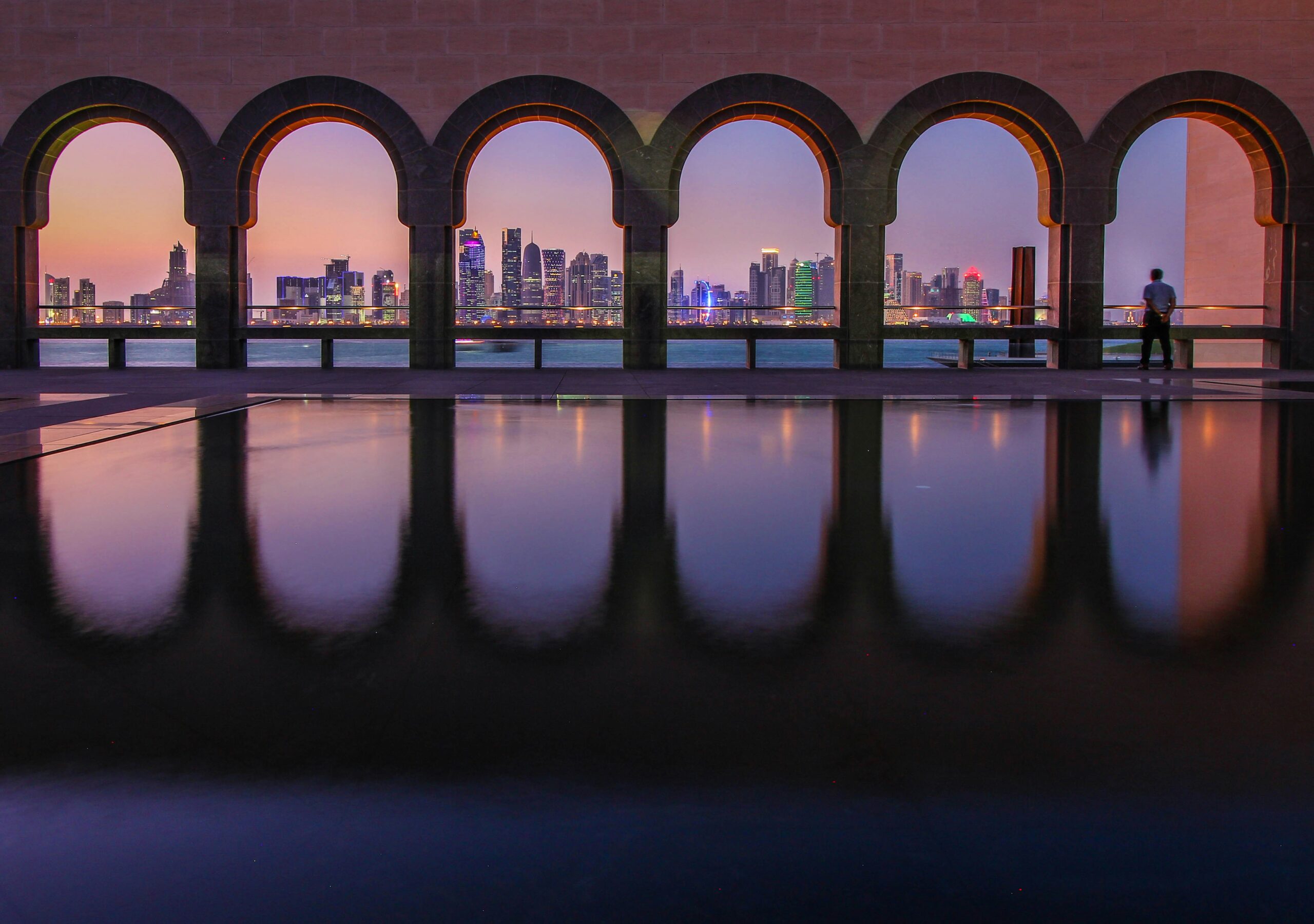
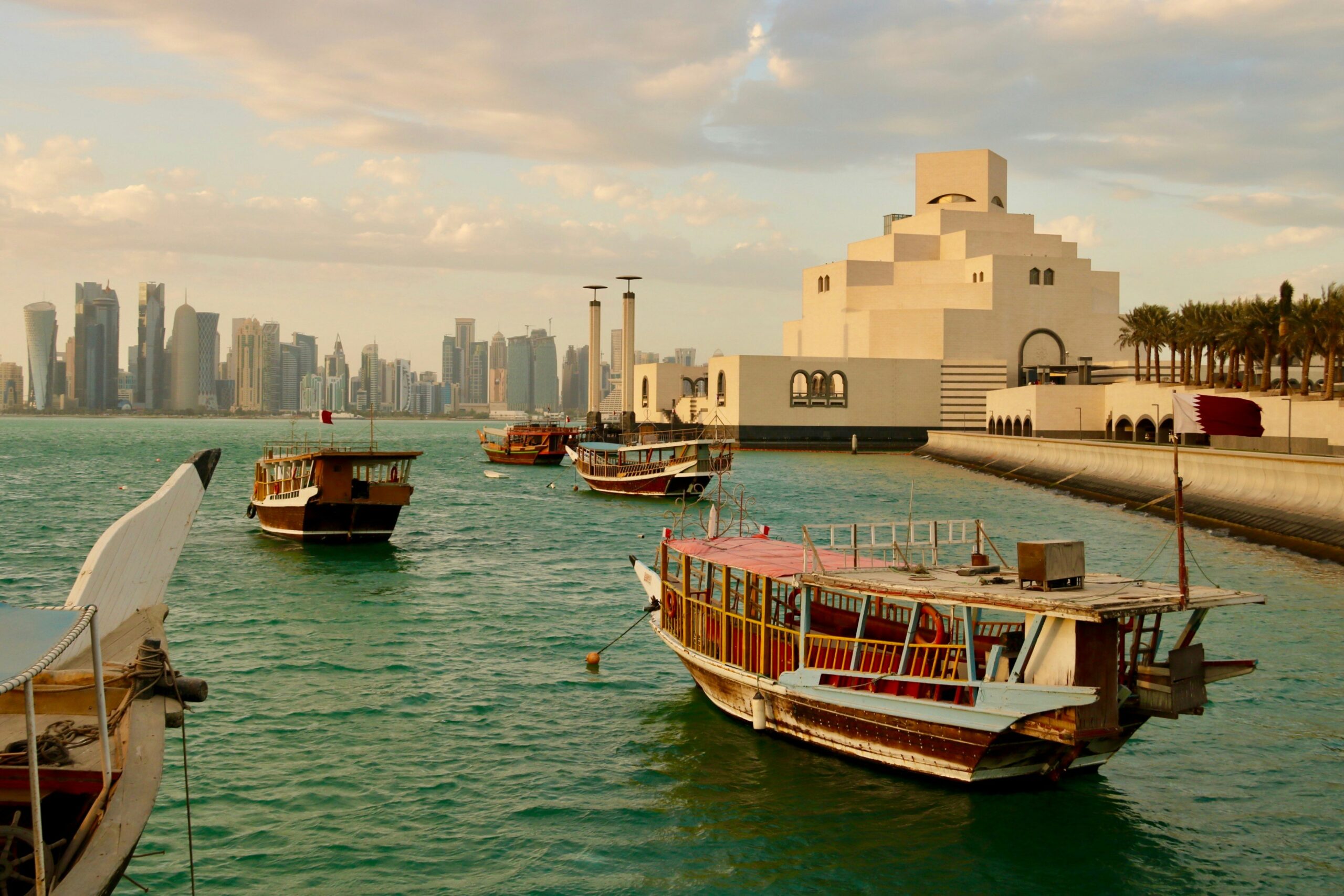
- Museum of Islamic Art – Landmark museum with world-class collection and waterfront setting.
- National Museum of Qatar – Striking architecture and immersive Qatari history and culture.
- Souq Waqif – Traditional market for food, spices, crafts, and evening atmosphere.
- The Corniche – Scenic waterfront promenade ideal for sunset walks.
- Katara Cultural Village – Arts hub with exhibitions, performances, and festivals.
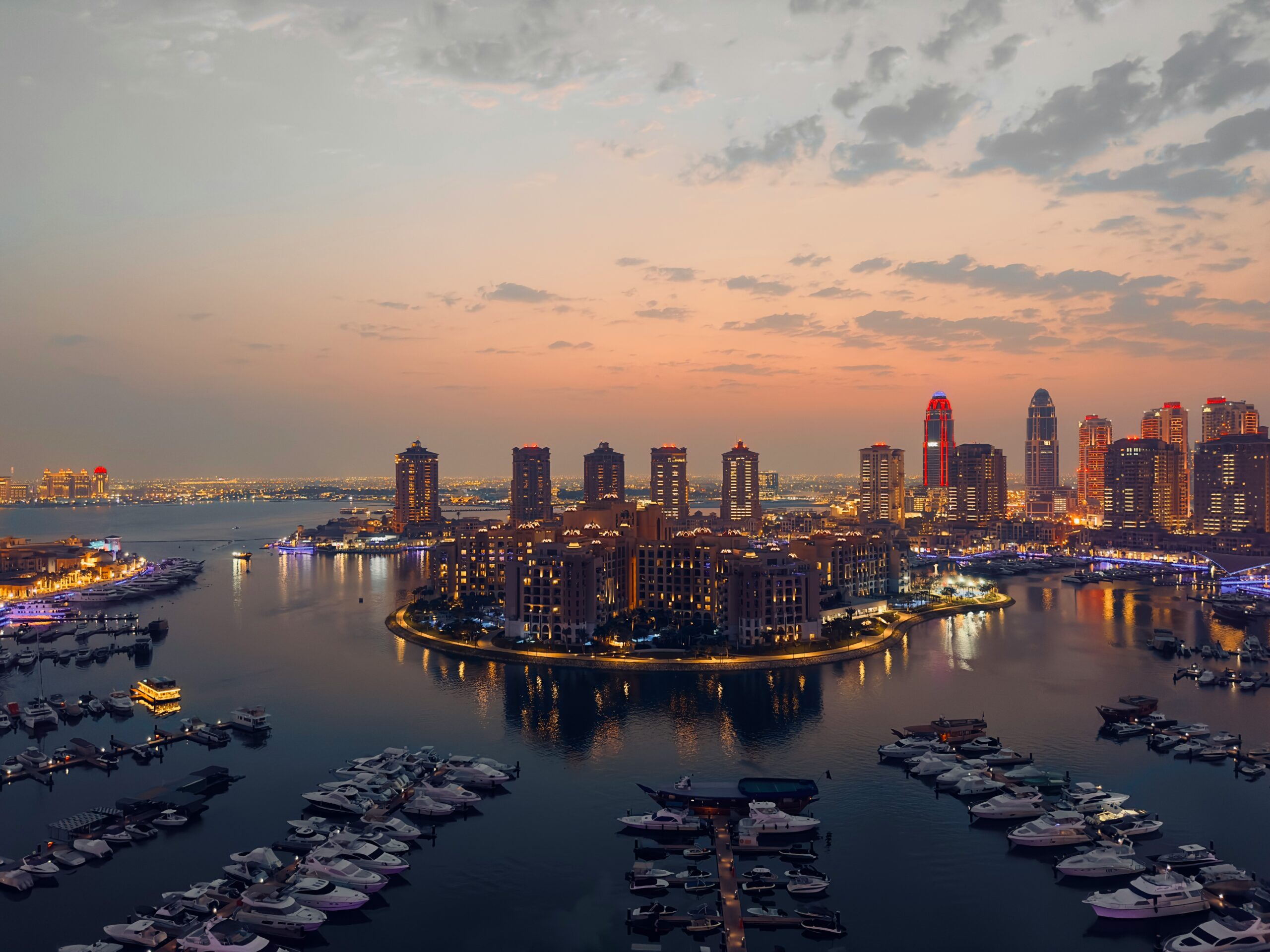
- The Pearl-Qatar – Marina views, dining, and luxury waterfront strolling.
Local Gems
- Msheireb Museums and cafés – A great area for a calmer, modern take on Qatari heritage.
- Aspire Park – Green space for picnics, jogging, and study breaks.
- Desert safari to Khor Al Adaid (Inland Sea) – Dune drive and dramatic coastal desert scenery.
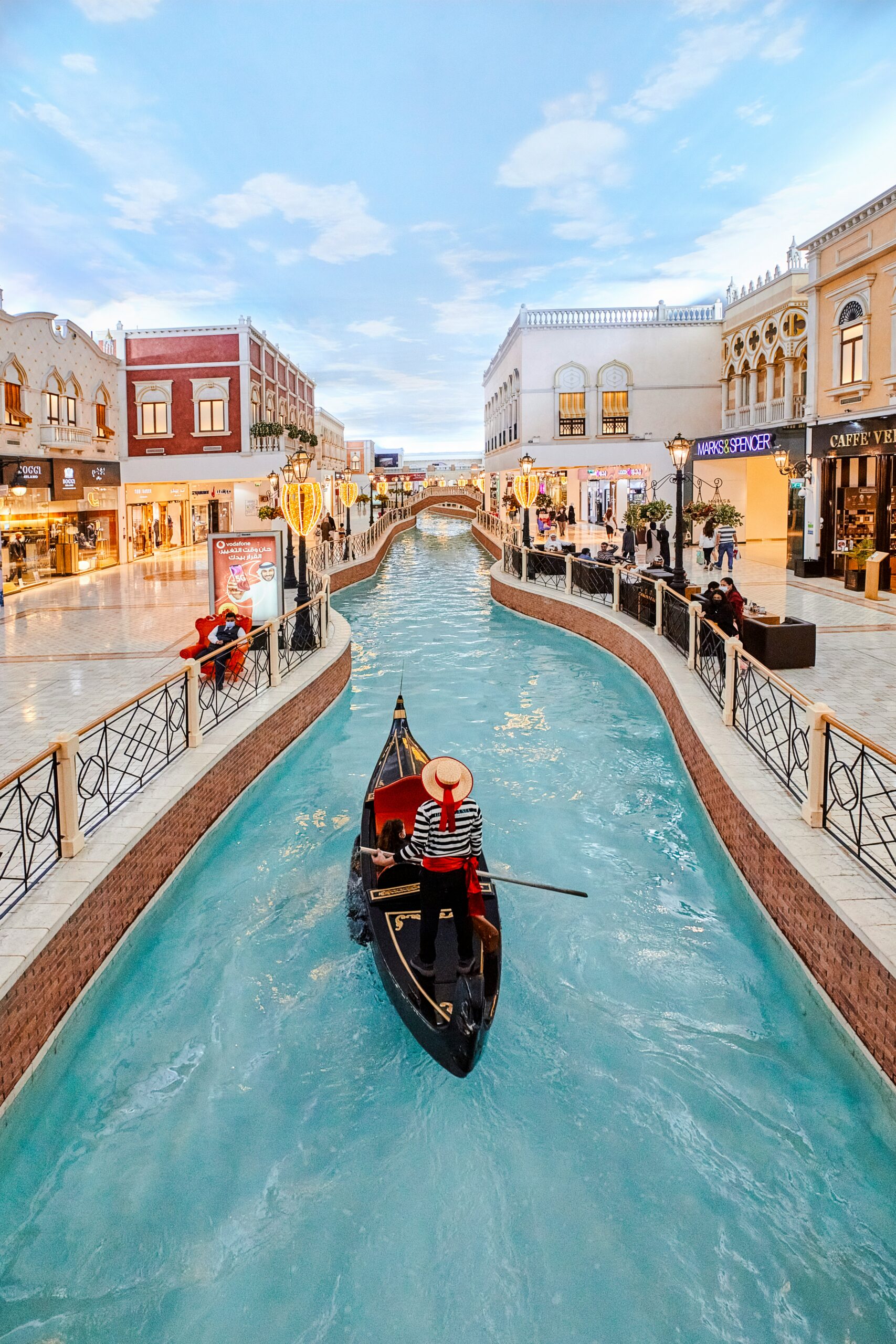
- Villaggio Mall – Famous indoor “Venice-style” canals and student-friendly hangouts.
- Sunset dhow cruise – Traditional-style boat ride along the waterfront.
Pre-departure Essentials
Documents & Visas: Most international students need a Qatar student visa/residence process sponsored by their university. Your passport should be valid for at least six months, and you’ll typically need an admission letter and supporting documents required by your institution.
Health Insurance: Mandatory. Universities often provide student health coverage or advise on approved local providers, so check what your campus requires before arrival.
Banking: Qatar National Bank (QNB), Doha Bank, and Commercial Bank are widely used. A local account is helpful for rent, salary payments (if applicable), and everyday transfers.
SIM Cards: Ooredoo and Vodafone Qatar are the main providers. Prepaid plans commonly start around QR 50+, and SIM setup typically requires ID.
Post-arrival Essentials
Registration: Register through your university and complete the residence permit process via the Ministry of Interior steps your institution provides (often including medical checks and biometrics).
Banking & SIM: Once you have local ID/residency documents, opening a bank account and setting up a local SIM becomes much easier. Malls and Education City have branches and kiosks for quick setup.
Health & Safety: Emergency number is 999. Healthcare is high quality, and Hamad Medical Corporation is the main public provider.
Shopping: Carrefour, Lulu Hypermarket, and Monoprix are major supermarkets. Many students use mall supermarkets for weekly shops due to air-conditioning and convenience.
Apps: Uber / Careem (transport), Talabat / Snoonu (food delivery), Qatar Rail (metro routes), and Ooredoo / Vodafone apps (mobile account management).