


Mumbai (India)
Destination Overview
Mumbai, India’s financial and cultural capital, is a fast-paced coastal megacity known for its diversity, creativity, and opportunity. Home to Bollywood, major corporations, and leading universities including University of Mumbai, IIT Bombay, and Narsee Monjee Institute of Management Studies, the city blends academic ambition with vibrant urban life. Often called “the city that never sleeps,” Mumbai offers students an unforgettable mix of heritage architecture, bustling markets, seaside promenades, rooftop cafés, and constant cultural activity. Busy and intense at times, it rewards students with affordability, warmth, and endless discovery.
Quick Facts, Mumbai

Climate
Tropical coastal climate with hot, humid summers, heavy monsoon rains from June–September, and warm, pleasant winters (November–February).

Cost of Living
Moderate for a global megacity. Shared rooms typically range from ₹20,000–35,000/month, with weekly groceries averaging ₹1,500–2,500 depending on lifestyle.

Lifestyle
Fast-paced, energetic, and social. Life revolves around food, cafés, seaside walks, markets, and a strong student culture.

Vibe
Creative, diverse, and intense — Mumbai blends Bollywood glamour with everyday street life and a strong sense of community.

Safety
Generally safe by large-city standards, with low violent crime. Crowded areas require awareness of belongings.

Transport
Extensive suburban rail, expanding metro system, buses, and affordable ride-hailing make getting around manageable despite traffic.
Areas & Neighbourhoods
1. South Mumbai (Colaba, Fort, Churchgate)
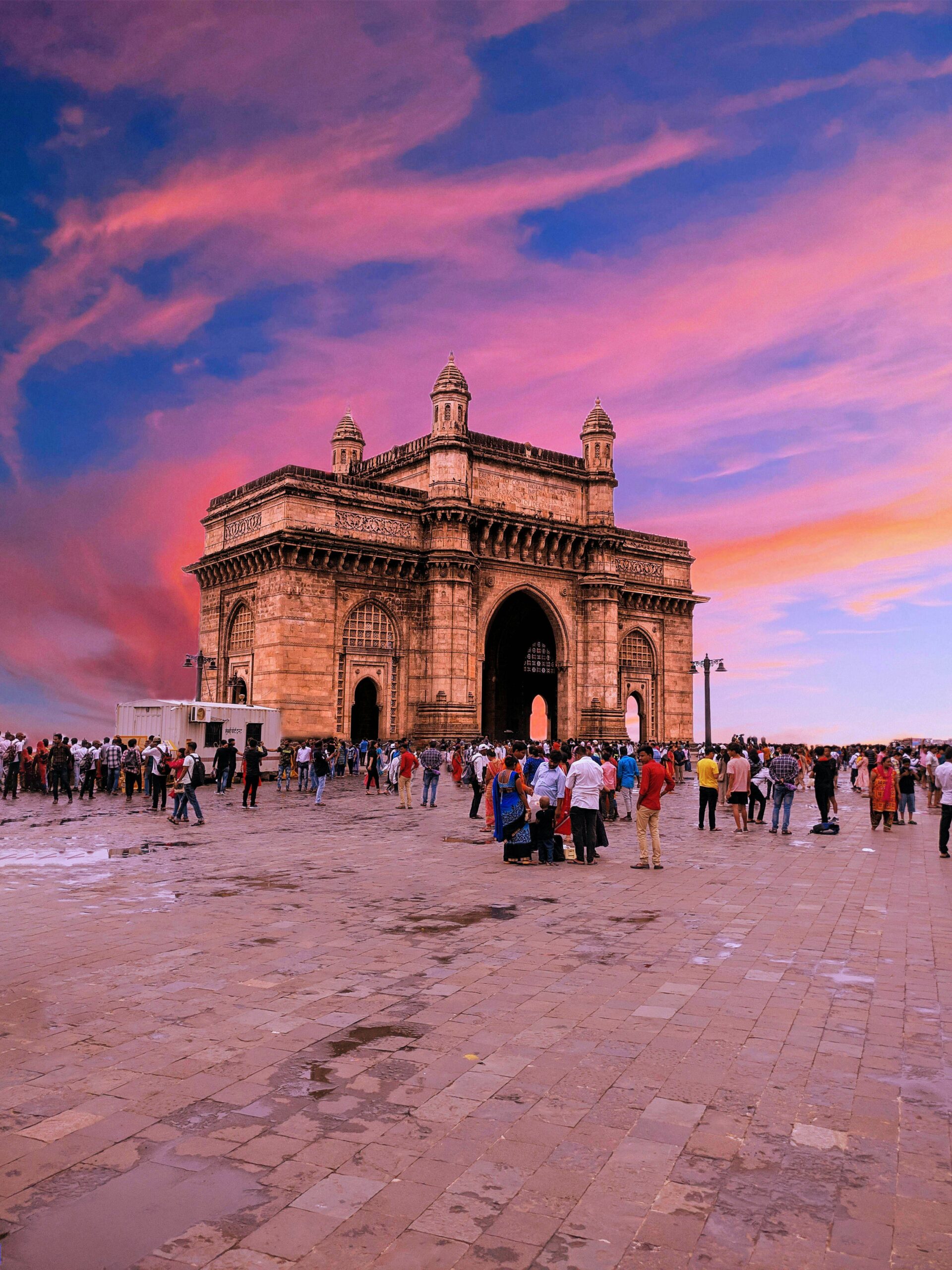
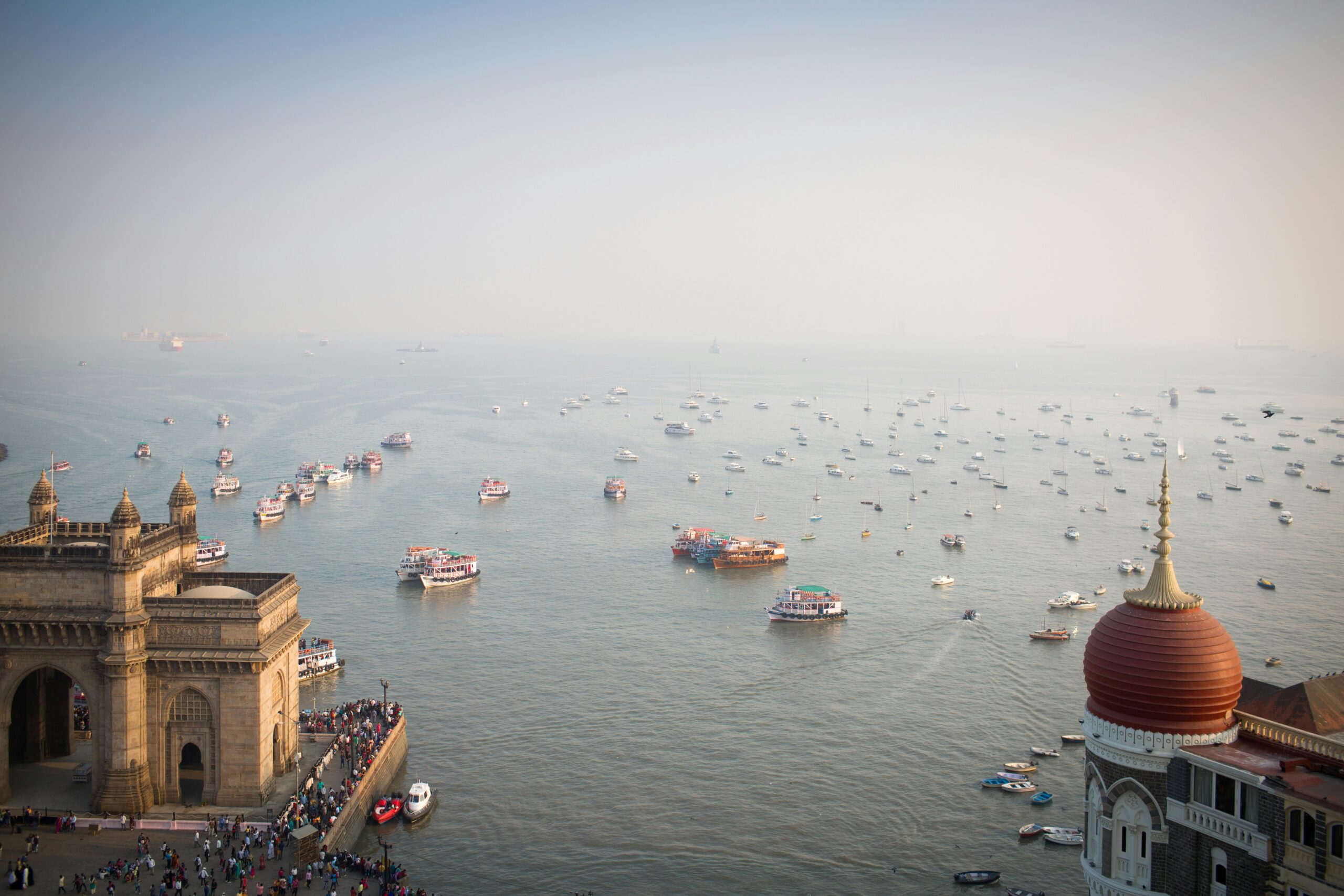
▲Historic and cultural heart of the city, filled with colonial architecture, museums, cafés, and landmarks like Gateway of India and Marine Drive. Popular with exchange students and University of Mumbai attendees. Very central but among the most expensive areas.
2. Bandra
▼3. Andheri (West & East)
▼4. Powai
▼5. Juhu
▼6. Lower Parel
▼7/8. Vile Parle & Santacruz
▼Transport
Within Mumbai

Metro

Buses (BEST)

Suburban Trains
Rickshaws, Taxis & Ride-hailing:
Domestic & International

Bus

Airport

Train
Culture & Lifestyle
Cost of Living: Shared flats ₹20,000–35,000/month (€220–400); studios ₹40,000–60,000 (€450–650). Meals ₹200–400 (€2–4), coffee ₹150 (€1.50), beer ₹250 (€2.50).
Climate: Tropical — hot and humid most of the year, with heavy monsoon rains (June–September). Pleasant winters (November–February).
Culture: A melting pot of languages, cuisines, and arts. The city’s theatre, cinema, and music scenes are huge, with events year-round.
Social & Nightlife: Bandra, Andheri, and Lower Parel are nightlife hotspots. From beach cafés to rooftop bars, there’s something for every taste.
Lifestyle: Fast-paced but friendly. Mumbai offers everything from bustling markets to peaceful sea views — a true “city of contrasts.”
Inclusivity & Safety
LGBTQ+ Community
Mumbai is one of India’s most progressive cities, with Pride events, inclusive cafés, and visible LGBTQ+ spaces, particularly in Bandra and South Mumbai.




Top Attractions & Local Experiences
Must-Sees
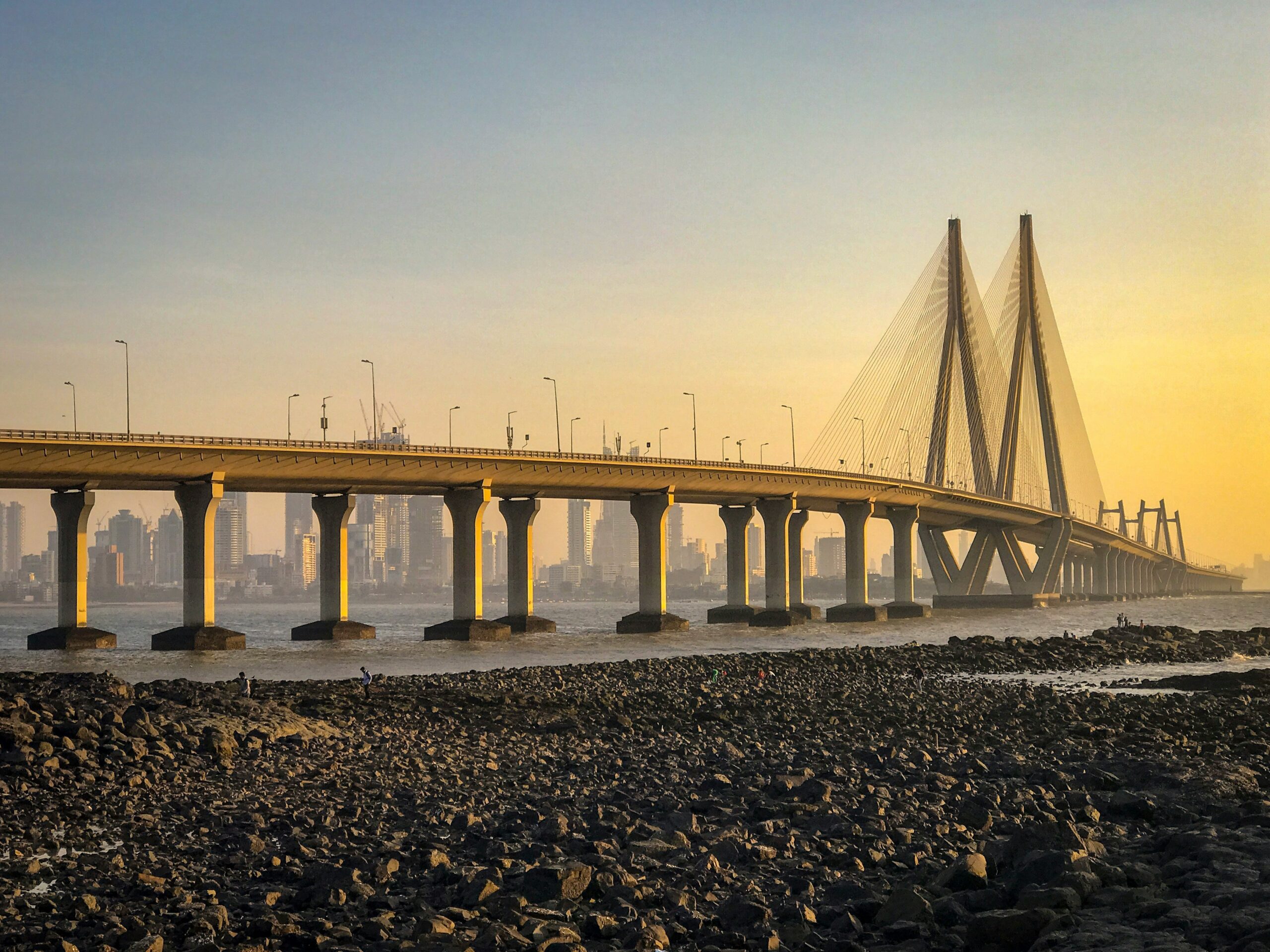
- Gateway of India & Marine Drive – Iconic waterfront landmarks
- Elephanta Caves – UNESCO-listed island temples
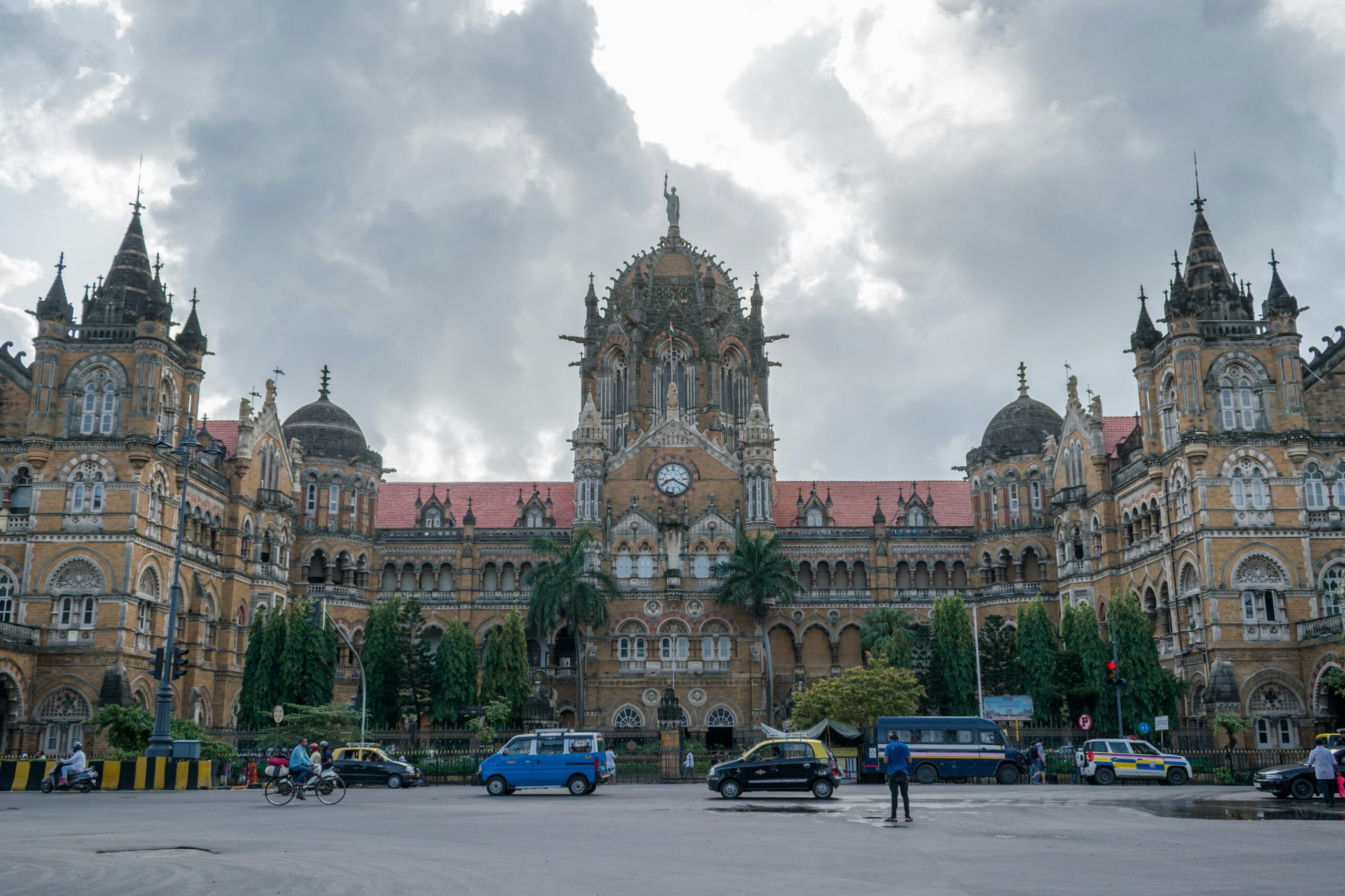
- Chhatrapati Shivaji Terminus – Historic Gothic railway station
- Haji Ali Dargah – Sea-linked mosque and cultural icon
- Colaba Causeway – Shopping and street food strip
Local Gems
- Bandra Fort & Bandstand – Sunset sea views
- Sanjay Gandhi National Park – Green escape inside the city
- Chor Bazaar – Famous antiques market
- Prithvi Theatre – Legendary performing arts venue
- Juhu Beach – Evening student hangout with local snacks
Pre-departure Essentials
Documents & Visas: Most international students require an Indian Student Visa arranged before arrival. You’ll need a university acceptance letter, proof of accommodation, and financial documentation. Visas must be applied for in your home country.
Health Insurance: Private or university-provided health insurance is essential, as healthcare is largely paid out of pocket. Make sure your policy covers hospital treatment and emergencies.
Banking: HDFC, ICICI, and SBI are widely used. Foreign students can open local accounts with a passport, student visa, and proof of address. Many students initially rely on international cards or Wise until local banking is set up.
SIM Cards: Jio, Airtel, and Vi offer prepaid plans from approximately ₹300–600/month, with generous data packages. SIM cards can be purchased at the airport or in official phone stores with passport and visa.
Post-arrival Essentials
Registration: Foreign nationals staying over 180 days must register with the FRRO (Foreigners Regional Registration Office) within 14 days of arrival. Universities often help guide students through this process.
Banking & SIM: Set up a local bank account and mobile plan for rent payments, ride apps, and everyday expenses. Mobile payments are common, but cash is still widely used.
Health & Safety: Emergency number: 112. Pharmacies and clinics are widely available, and most doctors in central areas speak English. It’s useful to locate your nearest hospital once settled.
Shopping: Reliance Smart, D-Mart, and Big Bazaar are popular supermarkets. Local street markets are great for fresh fruit, vegetables, and affordable meals.
Apps: Google Pay (payments), Swiggy & Zomato (food delivery), Ola/Uber (rides), Mumbai Metro App (transport), and Google Maps for navigation.