


Ho Chi Minh (Vietnam)
Destination Overview
Ho Chi Minh City (formerly Saigon) is Vietnam’s bustling southern metropolis and economic powerhouse, blending French colonial heritage with a rapidly modernising skyline. Known for its street food, motorbike-filled streets, and friendly locals, the city attracts students, digital nomads, and young professionals seeking an energetic yet affordable urban experience. Despite humid weather and busy traffic, Ho Chi Minh City offers one of Southeast Asia’s most accessible big-city lifestyles, rewarding students with low living costs, lively nightlife, and growing academic opportunities — from rooftop bars to late-night noodle stalls, the city rarely slows down.
Quick Facts, Ho Chi Minh

Climate
Tropical and hot year-round (25–35°C), with rainy season from May to November.

Cost of Living
Very affordable. Shared flats typically cost $150–300/month, with weekly groceries around $25–50.

Lifestyle
Fast-paced and social, centred on street food, cafés, and late-night city life.

Vibe
Energetic, friendly, and entrepreneurial — modernising rapidly while retaining strong local character.

Safety
Generally safe, with low violent crime. Pickpocketing and scams can occur in tourist zones.

Transport
Motorbikes dominate, supported by buses and ride-hailing apps.
Areas & Neighbourhoods
1. District 1
▲The central business and entertainment hub, packed with cafés, bars, coworking spaces, and nightlife. Close to major landmarks and universities. Extremely lively but also the most expensive area for rent — best for short stays or students who want to live right in the action.
2. District 3
▼3. Phú Nhuận
▼4. Bình Thạnh
▼5. District 4
▼6. District 7 (Phú Mỹ Hưng)
▼7. Thủ Đức City
▼8. Thảo Điền (District 2)
▼Transport
Within Ho Chi Minh

Metro

Buses

Ride-hailing & Taxis

Motorbikes & Scooters
Domestic & International

Bus

Airport

Train
Culture & Lifestyle
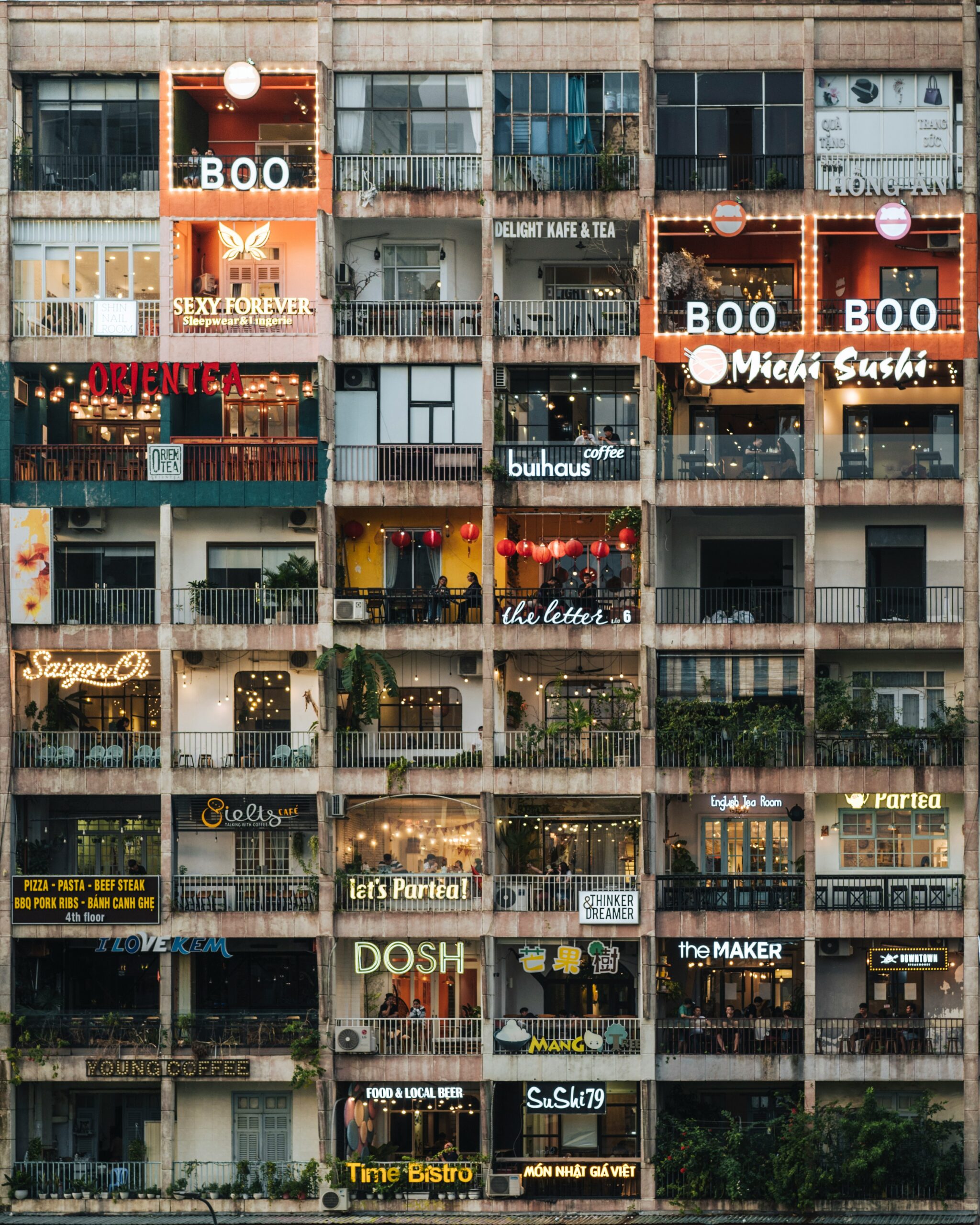
Cost of Living: Ho Chi Minh City is very affordable compared to most global cities. Shared accommodation typically ranges from €200–€400 per month, with studios around €400–€700. Street food costs €2–5, coffee €1.50–3, and local beer €1–2. Weekly groceries usually total €25–40, making everyday living manageable for students.
Climate: Tropical and warm year-round (25–35°C). The dry season runs roughly December to April, while May to November brings short but heavy afternoon rain showers.
Culture: Fast-paced and modern, blending traditional Vietnamese heritage with rapid development. Historic temples sit alongside skyscrapers, and café culture plays a central role in student life.
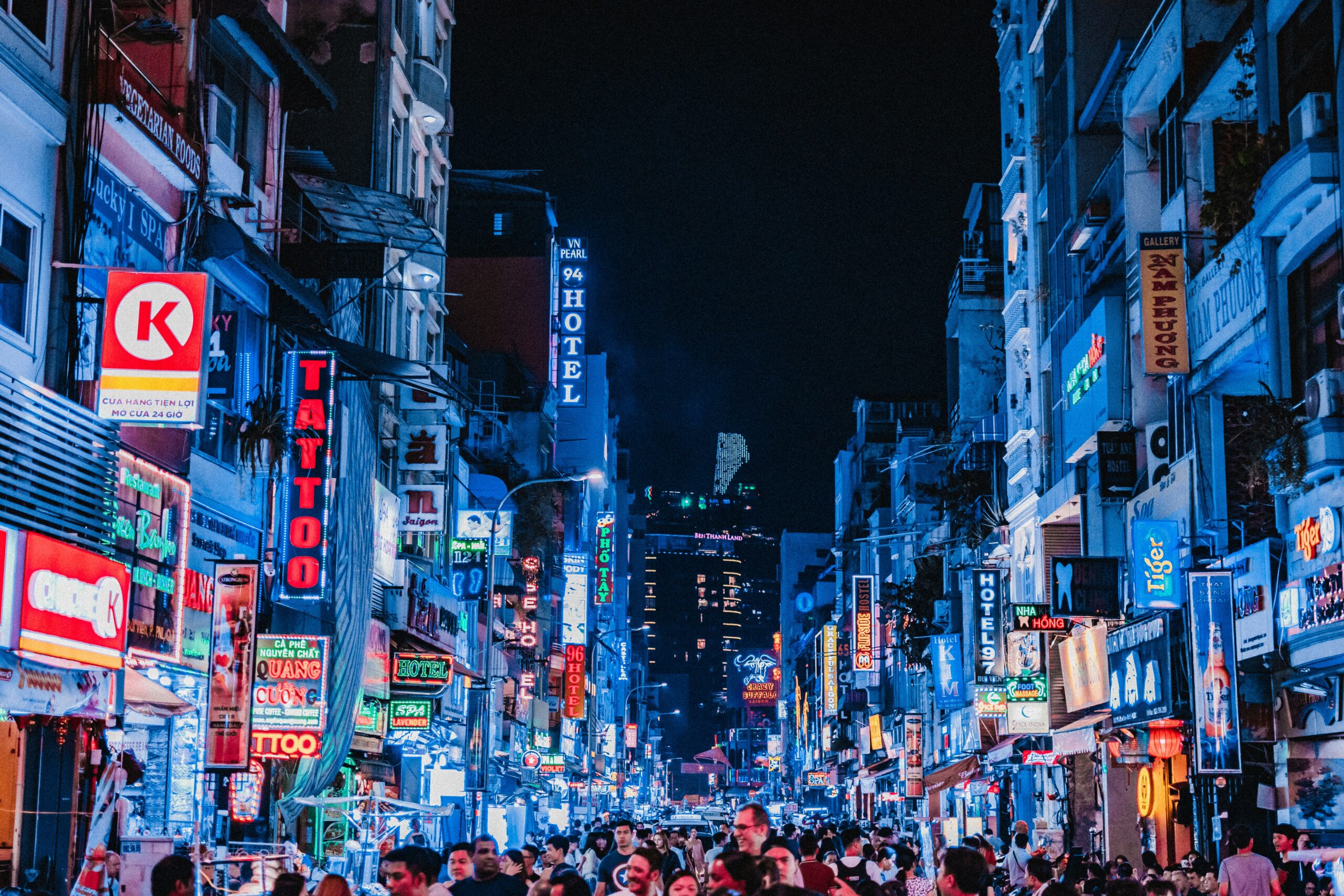
Social & Nightlife: Lively and affordable, with rooftop bars, street food spots, and clubs concentrated in central districts. Students often socialise in cafés by day and bars or markets in the evenings.
Lifestyle: Energetic and social, with daily life centred around food, cafés, and short scooter rides. A strong international presence makes it easy for students to build community.
Inclusivity & Safety
LGBTQ+ Community
Ho Chi Minh City is one of Vietnam’s most open cities, with visible LGBTQ+ cafés, events, and annual Pride celebrations. Acceptance is strongest among younger generations.




Top Attractions & Local Experiences
Must-Sees
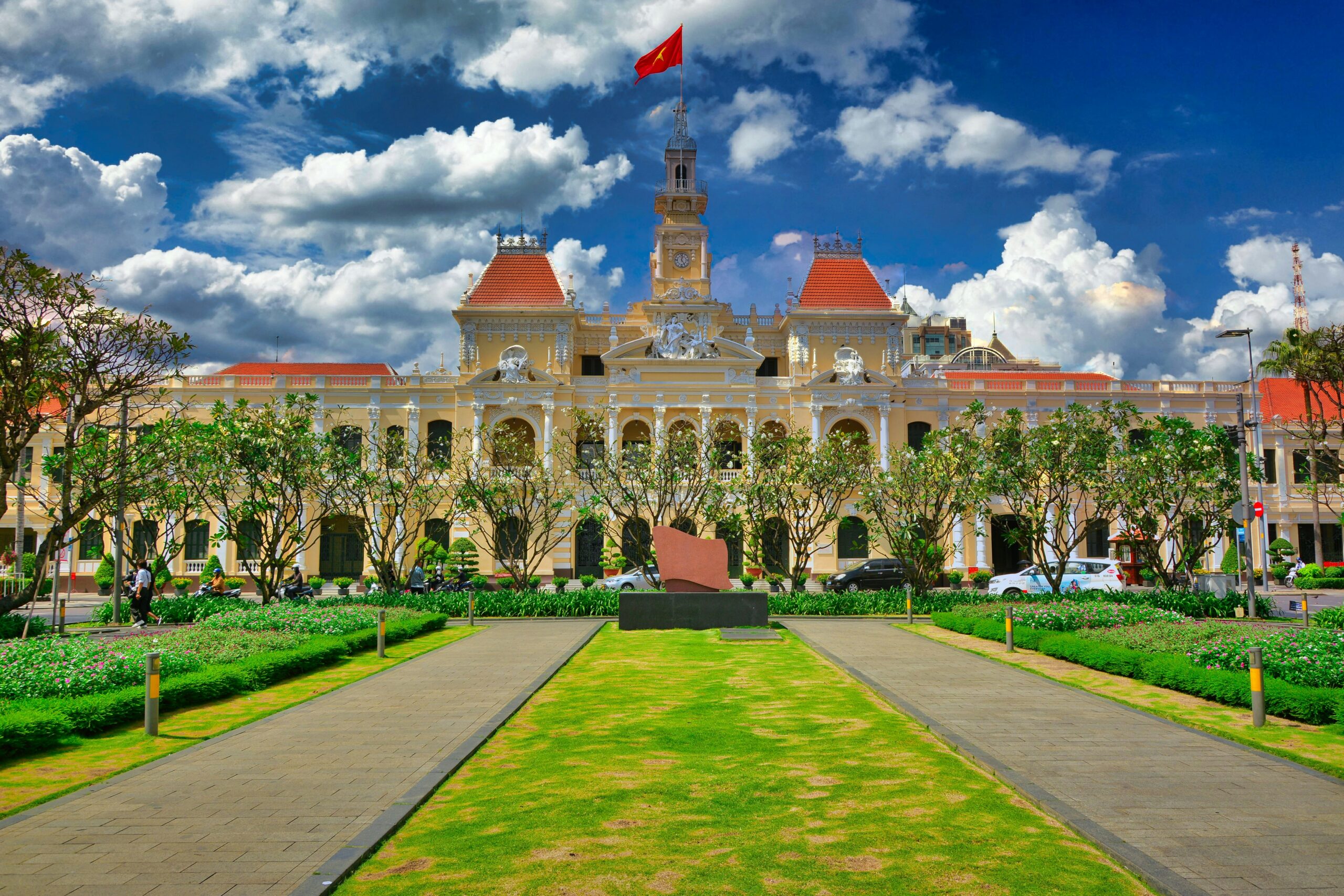
- Notre-Dame Cathedral & Central Post Office – French colonial landmarks
- Ben Thanh Market – Central market for food and souvenirs
- War Remnants Museum – Powerful historical exhibitions
- Reunification Palace – Site marking the end of the Vietnam War
- Bitexco Sky Deck – Panoramic city views
- Nguyen Hue Walking Street – Pedestrian boulevard with cafés and events
- Saigon Opera House – Colonial architecture and performances
Local Gems
- Thao Dien (District 2) – Chic cafés, art spaces, and riverside views.
- Turtle Lake (District 3) – Popular student hangout.
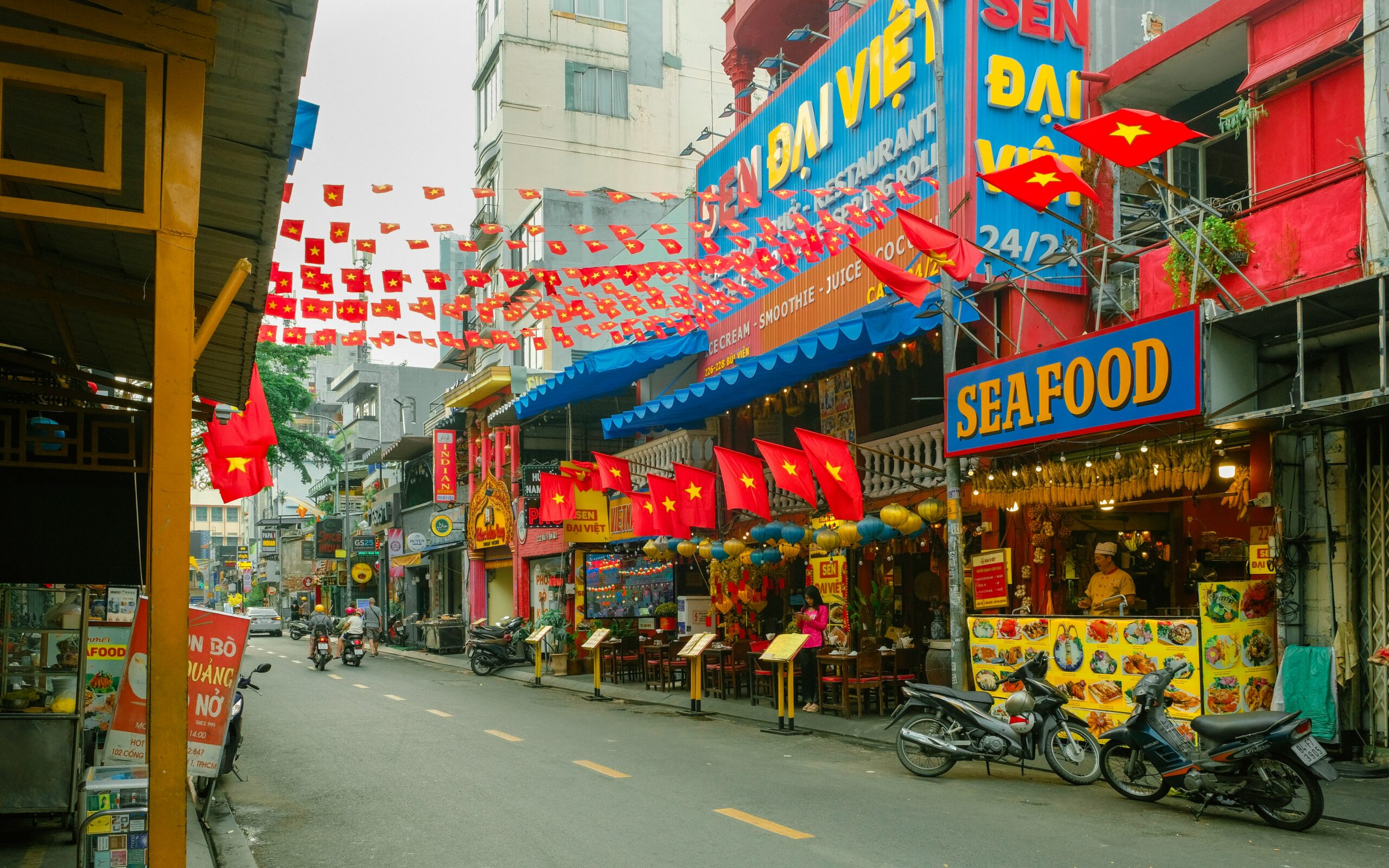
- Bui Vien Street (District 1) – Backpacker nightlife strip.
- Pham Ngu Lao – Affordable dining and social atmosphere.
- Local coffee shops – Try cà phê sữa đá (Vietnamese iced coffee) or egg coffee.
- Street food markets – Especially in Districts 3, 4, and 10 for authentic local cuisine.
Pre-departure Essentials
Documents & Visas: Most students apply for a Vietnamese student visa (DN or DH) after university acceptance. Long-term stays are extended via university sponsorship.
Health Insurance: Required. Universities often partner with local insurers, or students may use international coverage valid in Vietnam.
Banking: Vietcombank, BIDV, ACB, and Techcombank are common. International cards work in central areas, but opening a local account is recommended.
SIM Cards: Viettel, Mobifone, and Vinaphone offer prepaid plans from around $5–10/month with generous data.
Post-arrival Essentials
Registration: Accommodation must be registered with local police within 24 hours (usually handled by landlords or residences).
Banking & SIM: Set up a Vietnamese bank account and local SIM for rent, transport apps, and daily payments.
Health & Safety: Emergency numbers: 113 (police), 115 (ambulance).
Shopping: Co.opmart, Big C, WinMart, and Circle K are widely available.
Apps: Grab (rides/food), Zalo (messaging), MoMo (payments), Baemin (delivery), Google Maps (navigation).